

Don’t Just Survive May—Prepare for It

Liz James · ·


Liz James · ·

For as far back as I can remember in science classes, I remember hearing about the mitochondria being the “powerhouse” of the cells. For my fellow science nerds out there, you probably recall something similar. Powerhouse. Energy packets. ATP. Glycolysis. Krebs Cycle. Electron Transport Chain…….. those words might shake the dust off the memories.
Everything we learned seemed so “automatic”. Like, these processes we memorized for tests would go on whether we actively participated or not. Our bodies would just do their thing
….unless there was a genetic disorder someone was born with. Mitochondrial genetic disorders are grouped into a category called Primary MitochondrialDiseases, most of which are obscure / uncommon.
By nature, I usually have at least a handful of “but, why?” questions rolling around in my head at any given moment. My two books (Becoming Your Own Health Detective, Vol I and Vol II) are focused entirely on helping people put their own health puzzle together by zeroing in on root causes. (Usually, it’s multiple root causes creating a perfect storm.)
Humbly, I have to say, we’ve not dug deep enough most of the time, and over the last couple of years, I’ve learned that digging microcosmically deeper yields greater health rewards.
The health, quantity, and function of the mitochondria is critically important for our overall health. If the mitochondria isn’t able to be “a powerhouse” of “energy packets (ATP)”, there will be a problem or two, or twelve. ATP is used to produce, repair, distribute, organize, and maintain EVERYTHING in the body. This includes protection against disease, adaptability and resilience (both physically and emotionally), as well as physical, mental and cognitive performance. The mitochondria are also a critical factor to how well a person ages. (Imagine if any one or more of these duties above were knocked out of kilter )
The “knocked out of kilter” is important here, because that signifies Secondary Mitochondrial Dysfunction, which occurs in disorders such as autism, ADHD, diabetes, depression, neurodegenerative disorders, fatigue, cancers, metabolic disorders, cardiovascular disease, etc.
That is a BROAD array of health concerns. All brought together with a singular bond: mitochondria that have lost their ability to provide what the body needs to thrive.
We have MUCH to talk about….. most of which likely was never talked about in your biology class.
PS: Meet Bruce! He is about 3 weeks old, and our newest addition to our farm-ily. Did you know that the mitochondria are inherited from the mom’s genetics? Given how adorably cute and especially energetic Bruce is, I’d say his mom (Eleanor) gave him some pretty robust mitochondria !

Mitochondrial dysfunction is at the root of nearly all body and brain health concerns, and even “feeling old” is also due to declining mitochondrial function. To put it simply, mitochondrial function (or dysfunction) DRIVES the aging pattern.
We’ve all seen people who age beautifully, and we’ve also seen people who look, act, and feel far older than their biological age. In both instances, mitochondria performance is responsible.
We can start “doing all the things” to help enhance mitochondrial function, but first it’s a good idea to understand what causes function to decline.
Babies are born with highly active, high functioning mitochondria, and as I mentioned last week, their mitochondria come exclusively from their mama. (If their mom’s mitochondria are not robust, this will also be passed along to the baby. Thankfully, there are many things that can be done to correct this!)
Around the age of 18 (in the average person), mitochondrial function starts to decline by about 1% per year. That might not sound like much when you’re 18, but it’s a pretty significant shift by the time you enter into your latter years of life.
Additionally, there are BIG drivers to mitochondrial dysfunction. When you stack these upon 1% per year decline, things can head south pretty quickly, even as a young person under the age of 18.
This list is not exhaustive, but it is fairly comprehensive…. so here we go:
As you might be imagining, stacking multiple medications, poor nutrition, little exercise, and toxic environmental stressors is mitochondrial mayhem in the making.
The good news? Age only drives about 25% of mitochondrial function. 75% of mitochondrial health is largely under our own personal control, and ….. get this, it is very possible/ doable to restore mitochondrial function and quantity.
Also good news…. …. you are here . Which means you are already working on
ways to improve your mitochondria function even though you didn’t know it!
Look at the list above. The mayhem makers. Have you been able to avoid some of those mitochondrial mayhem makers I listed above by using an herb, essential oil, lifestyle change, or other holistic practice? Drop a if you have. I’d love to hear your story!
PS: This is Agnes. I met her on Sunday in our yard. She was one of the largest turtles I’ve seen on our property. Based upon her size, she’s probably over 10 years old. While human mitochondria tend to be high output (by necessity), reptiles have mitochondria that are more focused on efficiency over energy. Also interesting… they tend to have a lower mitochondrial mutation rate than mammals do…. which I find VERY interesting!
xoxo~ Liz

Liz James · ·
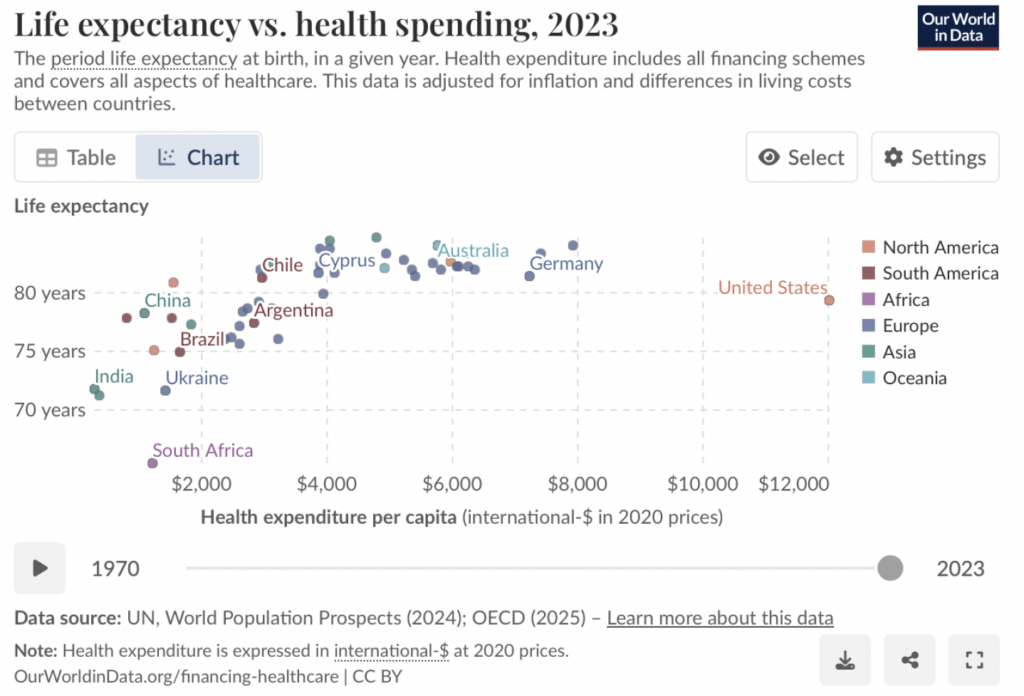
If spending more money on healthcare actually made us healthier, the United States should be leading the world in life expectancy.
See the United States out there in front? That’s not a good thing at all.

Note that the data has been adjusted for inflation and differences in costs between countries.
No other country is even close.
Now, take a look at life expectancy….. you’d think, that with all that spending we do on “health care” there would be the added benefit of a longer life. ….. you’d think.
Reality: The United States spends outrageously on health care for a very mediocre lifespan.
Health expenditures here do not include
and yet, so many people say they can’t because these items are out of their budget.
The reality is that you can pay for prevention or you can pay for outcome “repairs”. Either way, there is a cost.
I choose to pay the farmer, not the pharmacist.
PS: It’s interesting that Costa Rica’s lifespan is slightly longer than the United States, and yet their medical costs are a fraction of ours (even adjusted for cost of goods ($1,565 vs $12,023)
https://ourworldindata.org/…/life-expectancy-vs-health…
If you are interested in spending less time and money at the doctor’s office….. let’s talk!
xoxo~ Liz
Liz James · ·
Working my way through Pharmacist CE’s this month for licensing renewal. It tests me…. not because of difficulty, but because of industry bias and study references that have pharma ties, and quiz questions must be answered as they want them answered, not because of the full truth.
Not all CE’s are like this, but the vast majority are. It’s pharma after all.
Thankfully, I subscribe to a CE and pharmacist education program (NatMed Pro) which focuses on “natural med”…. their words, not mine. Tho I do agree wholeheartedly. I don’t always agree with some of what is said even in these CE’s because there is still some pharma industry bias that shines thru. You’ll never see them cite “Adaptogens in Medical Herbalism” by Yance, “Herbal Medicine, Healing and Cancer” by Yance and Valentine, “Botanical Medicine for Women’s Health” by Romm…. because if they did, there would be more truth in the CE’s than what is portrayed in the watered down version we get in NatMed Pro. Doing this type of CE in between the hardcore pharma CE’s at least lowers my pulse rate and blood pressure and lessens my desire to yell at the screen .
All this to say…. It’s good to stay abreast of all things. To learn what is being said about a product, to parse out the pieces of truth as well as the pieces of fluff or even outright gaslighting (which I see in CE’s quite often. Heavy sigh . )
I’m reading back through this post now, and you can probably see how my brain ping pongs between the two worlds of pharma and herbalism/ natural healing.
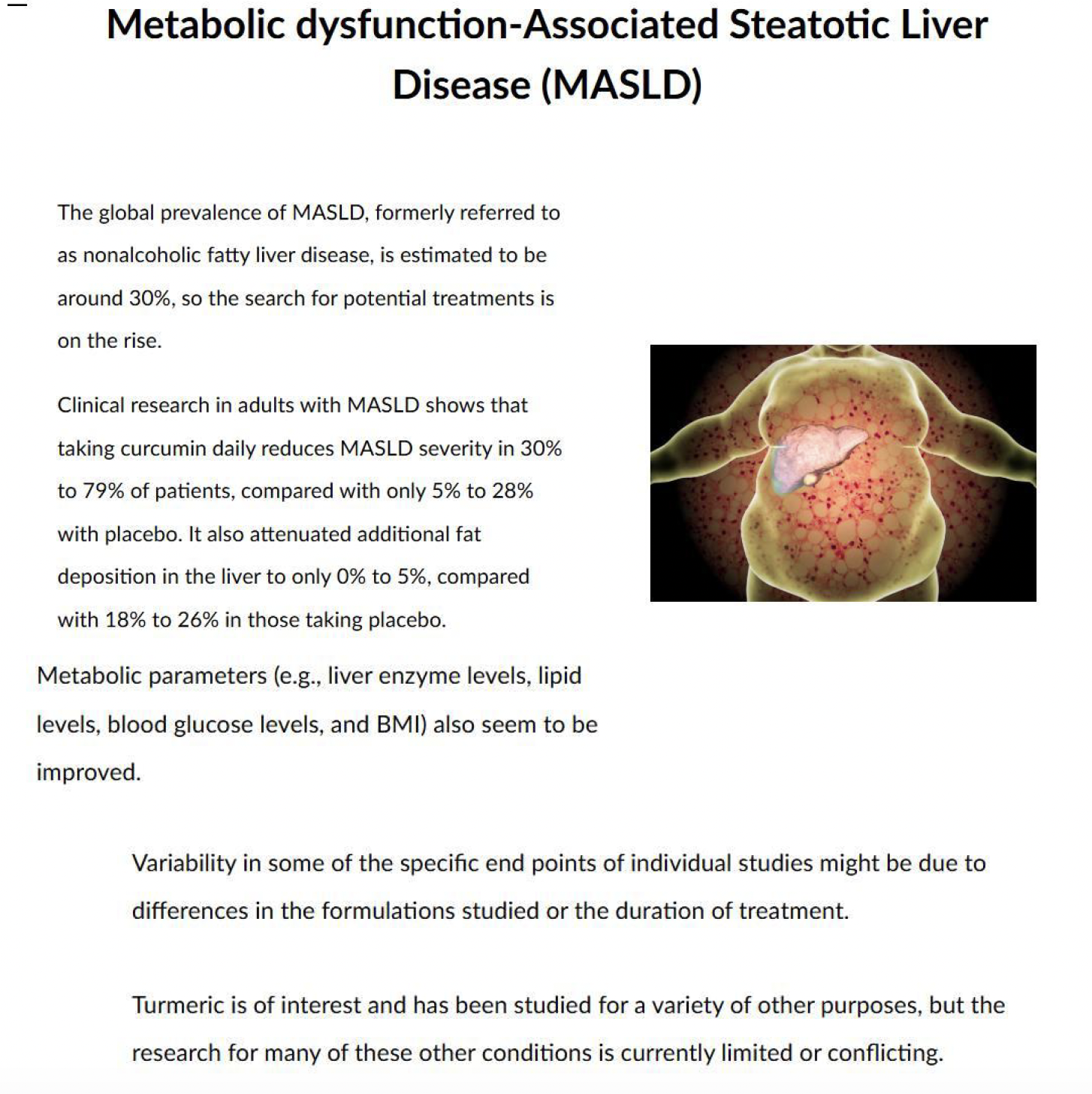
I took a couple of screenshots (shared here) of one of these CE’s that I DID actually learn something in. It was quite good…. covering turmeric, elderberry, cranberry, ashwagandha, and a few other herbals. For the most part, I’d give it 4 out of 5 stars (high rating in the pharma CE world when you’re a pharmacist with strong leanings towards the natural! )
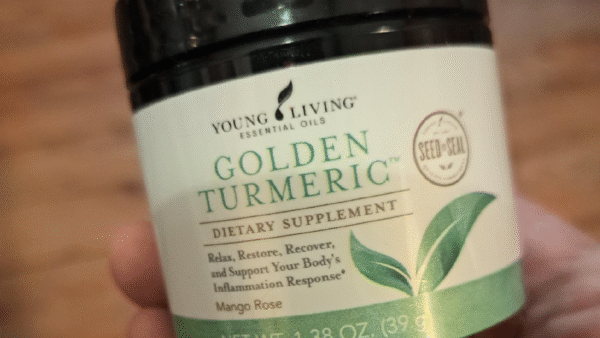
Thought you might appreciate this info on turmeric. We tend to think about turmeric as fantastic for supporting proper inflammatory response. I did not know it held some pretty amazing properties benefitting those with NAFLD (non alcoholic fatty liver disease), so bonus points for this particular CE .
Not all turmeric is equal. Do your research…. deeply. Know your sources and understand how THEY (the people you follow) learn what they know. Know your product too….. the supplement world is a tricky one…. just as tricky as pharma in many cases.
I’m here for you if you’ve got questions. xoxo~ Liz

Liz James · ·

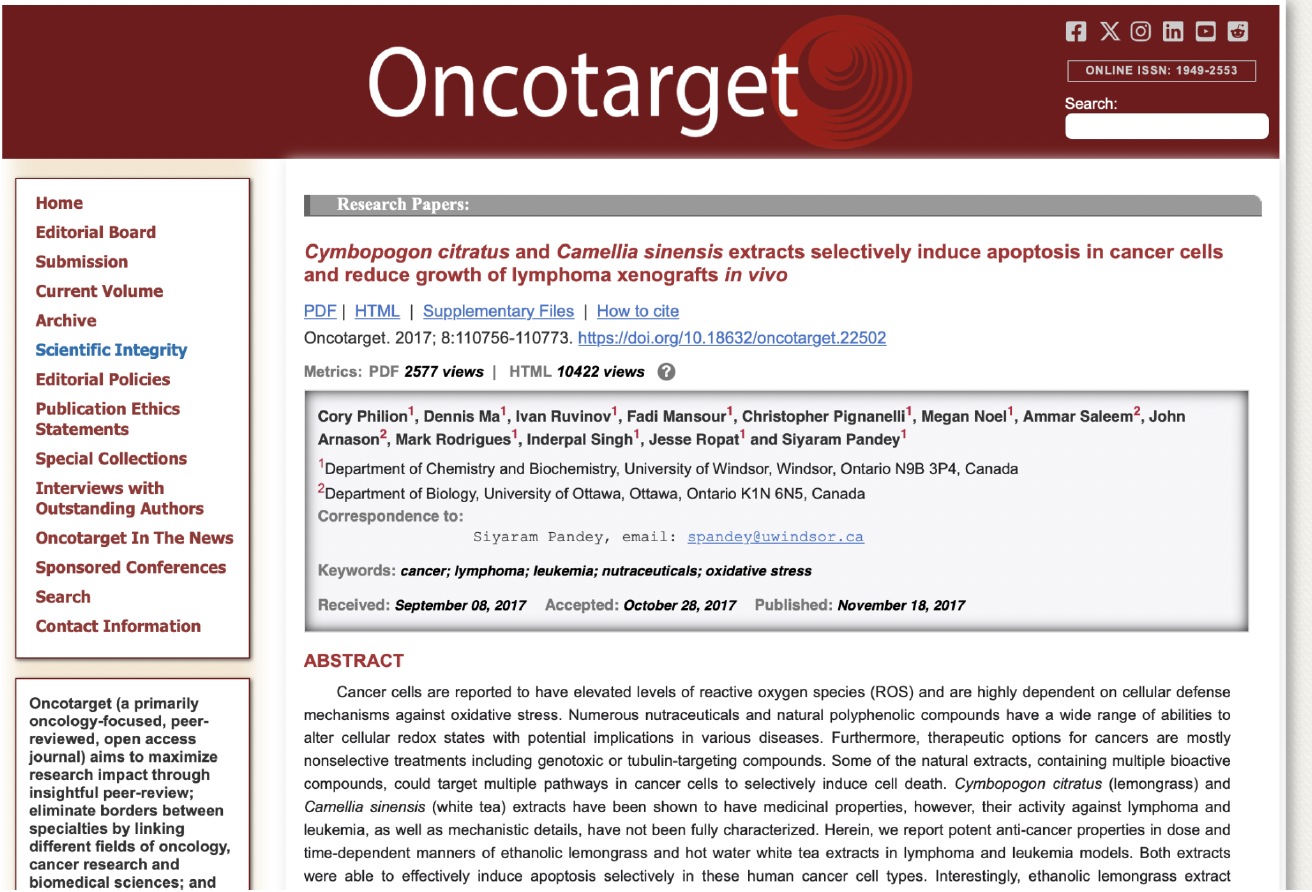
Such an interesting journal article….. Did you know that this particular journal (Oncotarget) was the target of massive cyberattacks last week after it released a really interesting (and revealing) article/study?
This is what happens when you are over the target and “they” don’t want the general public to know the truth.
Glad to see it’s back up. This isn’t the article that caused the attack, but if you are a fan of lemongrass as I am, you might find it interesting too!
xoxo~ Liz
Book Your Health Coaching CallBook Now