


Liz James · ·


Liz James · ·
Becoming aware of HOW you breathe is important both as a health clue and an (inexpensive and valuable!) wellness tool.
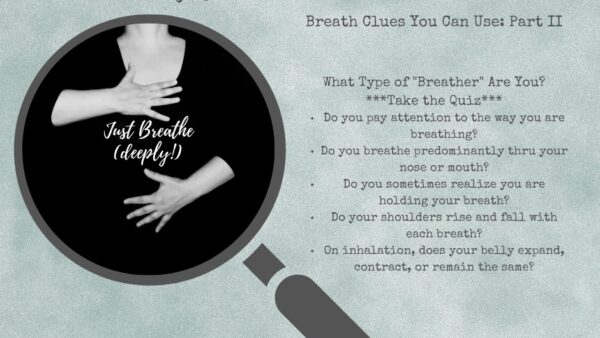
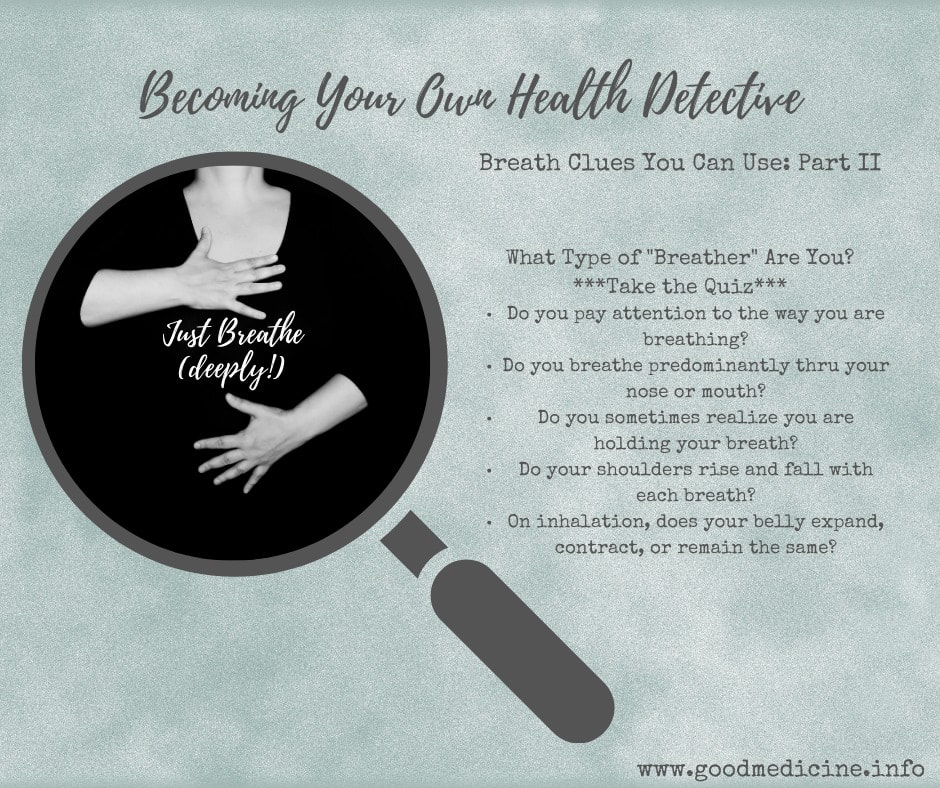
Did you take the quick quiz on the graphic? If not, take a moment to do so!
Statistically, chronic shallow (mouth, neck, and upper chest) breathing is the most common type of breathing in Westernized cultures. This type of breathing perpetuates stress and anxiety, activates the “fight or flight” (sympathetic response), and suppresses the immune system.
Conversely, diaphragmatic (deep belly) breathing balances the nervous system, supports heart health, improves circulation, promotes lymphatic drainage, reduces stress, calms the mind, and brings the body back into a more homeostatic state.
Do you notice how some people remain calm, cool, and collected while others become a tightly wound spring with every stressor? The ability to pivot from “fight or flight” to “rest and digest” is incredibly important to health outcomes! ( Pharmacist tip: Learning to do this is helpful in keeping you away from the pharmacy!)
The longest nerve in the body is called the 👉vagus nerve 👈. It runs from the brain thru the lungs and on to the gut, and affects every organ and body system it comes in contact with along the way ….. stomach, intestines, liver, gallbladder, heart, lungs, and the immune, endocrine, respiratory, and cardiovascular systems. In other words, the vagal nerve pathway is kind of a big deal! 😍
High vagal tone is incredibly important to overall health and wellbeing….. really, it’s a use it or lose it situation. Low vagal tone is associated with increased risk for cardiovascular disease, stroke, diabetes, GI disorders, and depression. Diaphragmatic breathing increases vagal tone!
If deep belly breathing is not something you do on the regular (ie: it’s become second nature to you), Here are a few tips and tricks:
👉 Start with just 2 minutes several times a day.
1. Place one hand on your upper chest and the other just below your rib cage, so you can feel your diaphragm move as you breathe.
2. Inhale deeply thru your nose for the count of 6-8 seconds (or 4-5 seconds if that’s too much)…. allowing your belly to expand. Try to fill your lungs with air. NOTE! The hand on your chest should remain as still as possible.
3. Slowly exhale through your nose for the count of 6-8 (or 4-5) drawing your belly button in and down as your abdomen moves inward.
4. As you breathe inward deeply, envision oxygen flowing inward and recharging your body. As you exhale, envision all the stress and tension leaving your body.
5. Practice this for 2-3 minutes at a time (20-30 breath cycles). Graduate to 5 minutes as you are able!
Scientifically noted benefits of diaphragmatic breathing can be further enhanced when you pair your breathing practice with Young Living essential oils known for their supportive roles in health and wellness goals:
🌿Want to improve mood? Pair your practice with Citrus Fresh eo blend!
🌿 Looking for better concentration? Try Brain Power or Frankincense!
🌿 Looking to better manage pain? (Yes, deep breathing helps with this too!) Add in PanAway or Deep Relief
🌿 Wanting to lower your blood pressure (Yep, deep breathing exercises does this too!)….. support happy vascular system breathing practices with Joy, Aroma Life, Ylang Ylang, or Lavender.
🌿Lowering blood sugar (amazing what regular deep breathing may do! Consider deep inhalations of Coriander, Melissa, or Christmas Spirit!
🌿 Improve your sleep. Pair pre bedtime deep breathing with a diffuser loaded with Cedarwood, Orange, and Lavender!
🌿 Use as a tool in your weight loss journey. Have you tried Grapefruit essential oil or Thieves on the bottom of the feet?
🌿 Strengthen the pelvic floor muscle (which will also improve bladder and bowel elimination function!). Consider pairing with Clary Sage, Cypress, or (Digize 👈 for colon support).
🌿Better lymphatic flow?…. You’ll love Lemon essential oil (both regular and vitality!)!
Noticing how you are breathing, and then making corrections as needed is a simple, but VIP wellness tool and health clue! Just as diaphragmatic breathing is helpful, chronic shallow breathing will exacerbate many health problems, and over time, may also contribute to lung infections and lung diseases.
Just breathe…… deeply!
xoxo~ liz
👈 if you’d like to know more about additional breathing practices or the oils mentioned above, let’s chat!
#sharingiscaring
#Godgaveusthetools
#goodmedicineisgreatbreathinghabits
#goodmedicine Breath Clues: Part II
Becoming aware of HOW you breathe is important both as a health clue and an (inexpensive and valuable!) wellness tool.
Did you take the quick quiz on the graphic? If not, take a moment to do so!
Statistically, chronic shallow (mouth, neck, and upper chest) breathing is the most common type of breathing in Westernized cultures. This type of breathing perpetuates stress and anxiety, activates the “fight or flight” (sympathetic response), and suppresses the immune system.
Conversely, diaphragmatic (deep belly) breathing balances the nervous system, supports heart health, improves circulation, promotes lymphatic drainage, reduces stress, calms the mind, and brings the body back into a more homeostatic state.
Do you notice how some people remain calm, cool, and collected while others become a tightly wound spring with every stressor? The ability to pivot from “fight or flight” to “rest and digest” is incredibly important to health outcomes! ( Pharmacist tip: Learning to do this is helpful in keeping you away from the pharmacy!)
The longest nerve in the body is called the 👉vagus nerve 👈. It runs from the brain thru the lungs and on to the gut, and affects every organ and body system it comes in contact with along the way ….. stomach, intestines, liver, gallbladder, heart, lungs, and the immune, endocrine, respiratory, and cardiovascular systems. In other words, the vagal nerve pathway is kind of a big deal! 😍
High vagal tone is incredibly important to overall health and wellbeing….. really, it’s a use it or lose it situation. Low vagal tone is associated with increased risk for cardiovascular disease, stroke, diabetes, GI disorders, and depression. Diaphragmatic breathing increases vagal tone!
If deep belly breathing is not something you do on the regular (ie: it’s become second nature to you), Here are a few tips and tricks:
👉 Start with just 2 minutes several times a day.
1. Place one hand on your upper chest and the other just below your rib cage, so you can feel your diaphragm move as you breathe.
2. Inhale deeply thru your nose for the count of 6-8 seconds (or 4-5 seconds if that’s too much)…. allowing your belly to expand. Try to fill your lungs with air. NOTE! The hand on your chest should remain as still as possible.
3. Slowly exhale through your nose for the count of 6-8 (or 4-5) drawing your belly button in and down as your abdomen moves inward.
4. As you breathe inward deeply, envision oxygen flowing inward and recharging your body. As you exhale, envision all the stress and tension leaving your body.
5. Practice this for 2-3 minutes at a time (20-30 breath cycles). Graduate to 5 minutes as you are able!
Scientifically noted benefits of diaphragmatic breathing can be further enhanced when you pair your breathing practice with Young Living essential oils known for their supportive roles in health and wellness goals:
🌿Want to improve mood? Pair your practice with Citrus Fresh eo blend!
🌿 Looking for better concentration? Try Brain Power or Frankincense!
🌿 Looking to better manage pain? (Yes, deep breathing helps with this too!) Add in PanAway or Deep Relief
🌿 Wanting to lower your blood pressure (Yep, deep breathing exercises does this too!)….. support happy vascular system breathing practices with Joy, Aroma Life, Ylang Ylang, or Lavender.
🌿Lowering blood sugar (amazing what regular deep breathing may do! Consider deep inhalations of Coriander, Melissa, or Christmas Spirit!
🌿 Improve your sleep. Pair pre bedtime deep breathing with a diffuser loaded with Cedarwood, Orange, and Lavender!
🌿 Use as a tool in your weight loss journey. Have you tried Grapefruit essential oil or Thieves on the bottom of the feet?
🌿 Strengthen the pelvic floor muscle (which will also improve bladder and bowel elimination function!). Consider pairing with Clary Sage, Cypress, or (Digize 👈 for colon support).
🌿Better lymphatic flow?…. You’ll love Lemon essential oil (both regular and vitality!)!
Noticing how you are breathing, and then making corrections as needed is a simple, but VIP wellness tool and health clue! Just as diaphragmatic breathing is helpful, chronic shallow breathing will exacerbate many health problems, and over time, may also contribute to lung infections and lung diseases.
Just breathe…… deeply!
xoxo~ liz
#sharingiscaring
#Godgaveusthetools
#goodmedicineisgreatbreathinghabits
#goodmedicine

Liz James · ·

I got back from my boot camp workout this morning, and although I’m feeling a bit sore, it’s a good kind of pain….. the kind that lets you know you’ve accomplished something…. not the other kind… the one that is your warning signal of something gone awry. Like me, I’m sure you’ve experienced both kinds of pain, so you know what I’m talking about. Our bodies certainly do speak to us.
Being a ‘gym rat’ is a fairly new concept for me… a late in life one at that. I always felt like I got my workouts in simply by working on the farm and ‘doing life’. And up until the age of 48, I felt like that was enough. Midway thru that monumental year, I had a very significant run in with our bull, and ended up in the hospital. I’ll give you the cliff notes version …. I very nearly lost my left foot, and spent about 6 months in intensive recovery. The experience taught me a great deal, not the least of which is this….. Regardless of your health situation, it is important to keep moving. My injury involved broken and dislocated bones, severed tendons, and soft tissue & nerve damage. I now have hardware in my leg that is a permanent part of my recovery. And yet, I do not walk with a limp. I give credit where credit is due, and in this case, the EMT’s, a great surgeon, and our wonderful God all blessed me with great care and healing. But I had to do my part too. That part involved working hard to get past the initial discomfort of intensive physical therapy after having to be mostly sedentary for nearly 4 months. It also meant that my ‘new normal’ necessitates that I move certain joints regularly, or like the tin man, I simply won’t be able to move easily. This is where my new ‘gym rat’ moniker comes in…. (although my workout buddies and I typically meet in a parking lot!). What I’ve found is this:
Whether you’re like me, and have to occasionally push thru discomfort in order to make ‘it’ (whatever ‘it’ is for you) happen or you are a weekend warrior, I’d encourage you to give Cool Azul a try. Just as it sounds…. this blend provides cool relief. Young Living has given us 3 oil infused options in the Cool Azul Family to help us with our daily locomotion.
I don’t need to use my Cool Azul every day, but on the days that I do need it….. I’m thankful I’ve got it on hand. I use it to augment the benefits I reap from Agilease and Sulfurzyme(supplements I take daily).
A quick reminder: one of the active constituents of wintergreen oil is methyl salicylate. It has amazing pain relieving properties, but like another salicylate (Aspirin), it should not be used without a doctor’s approval if you are currently on prescription blood thinners. As with all oil products, be sure to avoid eyes and mucous membranes.
Make today a great one for yourself, and get to moving! Your body will thank you
If you’re ever interested in learning more about these or other products you’ve seen mentioned on my blog, feel free to message me! I’d love to have you join me in health.
Book Your Health Coaching CallBook Now