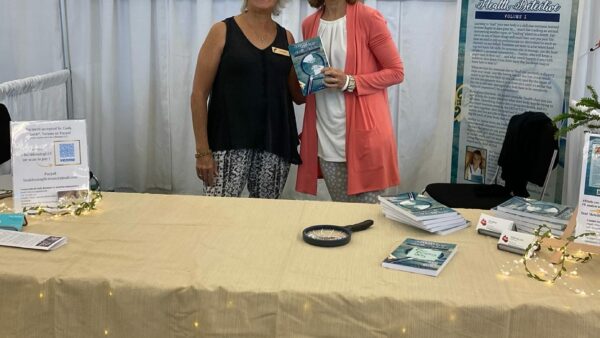
If you are at the Young Living Roots & Wings Convention 2022, come see me at AromaShare!
(Booth 17 )
)
)

Good Medicine
Holistic Health Coaching
)
 . #ofcourseitis )
 was new to me tho. As I said….. always learning
  . And now I’ve got another book to buy so I can learn more details.


Long Covid. Have you heard of it? Maybe perhaps you’ve even experienced it yourself. Those who have experienced it appear to have a variety of symptoms. Headaches, disrupted concentration, anxiety, brain fog, longstanding smell or taste disturbances are common complaints. Occasionally, even psychosis is mentioned.
These brain changes are now physiologically accounted for according to a recent study in the journal, Nature. Inflammation of both the blood vessels and nervous system tissue are noted as probable culprits. I agree with that, but I also believe there are likely other factors involved. One of those factors is the micro-clotting that has been identified as a byproduct of a covid infection. Micro-clotting is an interesting creature and in my personal estimation, it is not getting nearly the attention that it should be getting.
Exchange of oxygen for carbon dioxide occurs at the capillary level. Likewise, the exchange of toxins for nutrients from the blood to tissue also occurs at the capillary level. Micro-clotting wouldn’t necessarily cause issue at the larger vessel level (arteries and veins), unless there was a snowball effect of the micro-clots.
My boots on the ground theory is this: If micro-clotting inhibits the mission of the capillaries (to exchange trash for treasure) in the body, what happens? That particular tissue will pay a price. Toxins will accumulate and starvation and slow asphyxia will occur….likely not enough to cause death, but certainly discomfort. As the body starts to feel the effects of this, the subconscious will probably notice first and anxiety will be ramped up, feeling like it’s coming from “nowhere”.
The longer tissue is starved and deprived, the more dramatic the long game. What happens when the body is deprived of what it needs? It shrinks. It comes as no surprise to me that the brain is affected. I’ve worked with several people who have had long covid symptoms, and in my personal experience, there are ways to alleviate and perhaps even reverse the problem.
If someone is already on certain medications, there are some contraindications, but overall, it’s a pretty safe method. As always too…… if you keep adding in toxins (commercial household cleaners, bodycare products, toxin laden makeup etc) in your daily grind and only try to fix things by adding things in, the response will be slower. The body doesn’t lie about its state of affairs.
xoxo~ liz
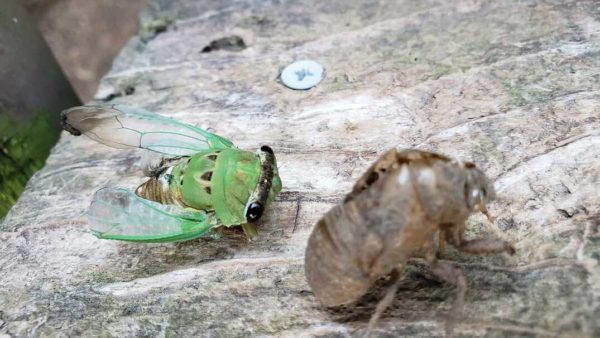
I’ve been working on a class about blood and blood typing with a couple of dear fellow educators. As I do my deep dives, it occurred to me to wonder why insects don’t have red blood (does anyone else’s mind go to places like this😂?)
I won’t keep you in suspense if you are now on the edge of your seat with curiosity. Unlike mankind, the blood of insects does not transport oxygen. …. therefore no reddish colored hemoglobin is needed.
Love your blood friends. Don’t take it for granted and keep it clean and healthy or it cannot nourish the rest of your body.
xoxo~ liz
#sharingiscaring
#bloodappreciation
#doyouknowyourbloodtype
#goodmedicineishealthyblood
#wannaknowhowtosupporthealthyblood
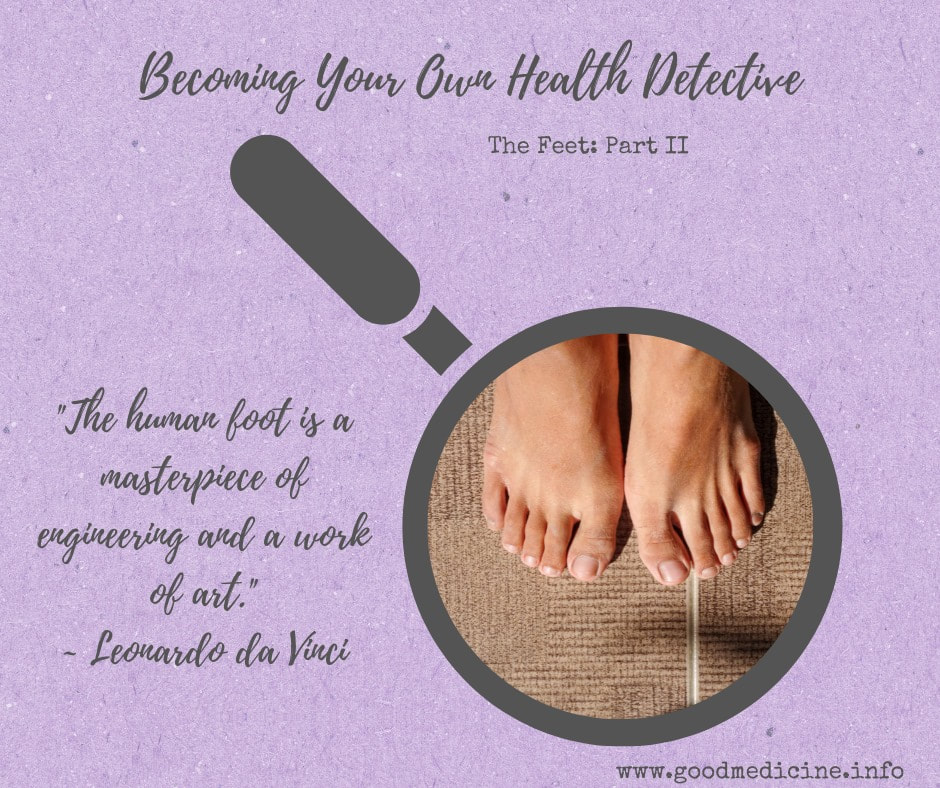
Before we move on to foot clues you feel internally, I wanted to touch briefly on the toenails. If you’ve been hanging with me this long, you may remember we spent quite some time on fingernail clues. Fingernails and toenails share many traits, and you may want to go back and revisit those posts for expanded details on your distal digits. Very briefly, these are some of the “biggies” for the toes:
*Clubbed toenails – often a sign of lung, heart, liver, or digestive disorders. Poorly oxygenated blood is usually the causative agent for curved nails.
*Yellowed toenails – usually related to a fungal infection, but if most or all toenails are involved, look for other clues including swollen feet or ankles. Paired with lower extremity swelling, more toenails become involved and the nails appear to get thicker or seem to detach. These telltale tips may also involve clues related to lymphedema, lung disease, or autoimmune disorders such as psoriasis or rheumatoid arthritis.
*Spoon shaped toenails – frequently a sign of iron deficiency or frequent exposure to petroleum based solvents. Know that there are “clean” nail polish and nail polish removers available, and using them instead of toxin laden products is one more way to support healthy liver function!
Chronically cold feet is a clue indicating impaired circulation. Decreased blood flow is commonly linked to smoking, heart disease, diabetes, anemia, digestive disorders, or hypothyroidism. Exercise and deep breathing techniques are two ways to improve circulation. Our bodies are designed to move, not to be still.😉
*Heel pain or pain that radiates from the heel to the arch of the foot (plantar fasciitis) is often a result of inflammation of the ligament attached to the heel bone which runs along the arch of the foot. Plantar fasciitis is often said to be most painful in the mornings. Heel pain alone may suggest arthritis, excessive exercise, or a possible bone spur.
*Have you been told that you have (or had) stress fractures in your feet?. This is one of the most common injuries seen by our active duty military men and women in training, and is also fairly common in civilian life. Though contributing factors include improperly fitted boots, carrying heavy loads regularly, and intense exercise, the biggest factor is improper nutrition leading to weaker bones. Very often, stress fractures in the feet can be a clue for osteopenia / osteoporosis if bones are not given the proper nutrients to thrive.
Young Living’s Super Cal Plus is a wonderful supportive tool for bones that need a little extra TLC! It contains Magnesium, calcium, Vit D3 and a thoroughly helpful blend of micronutrients, herbs, and essential oils. You’ll want to remember this supplement when we chat about foot and leg spasms here in just a little bit too!
*Perhaps you’ve had a random but sudden and severe pain in your big toe? This is a pain that appears “ “magically” (if you’ve experienced it, you know what I’m talking about!), and may leave you wondering how you broke your toe but didn’t know it….. It’s THAT painful! 😳Years ago, gout was considered a rich man’s disease because of the rich diet that often precipitates a flare. Foods and beverages that may aggravate gout include alcoholic beverages, shellfish, bacon, beef, and broccoli, but the worst culprit of all is sugar in all forms, but especially high fructose corn syrup. Gout flares may also be linked to certain medications. Diuretics and certain blood pressure medications in the ACE inhibitor family, are two of the more common ones.
*Regular foot spasms are another wonder filled clue with several possibilities. Poor circulation, dehydration, an imbalance in potassium, magnesium, calcium, or vitamin D are all potential thieves of ease. Thyroid disorders and a sharp change in hormone levels (as is seen in pregnancy) are other potential causes. There are soooooo many medications that can cause a metabolic imbalance resulting in regular foot and leg spasms. Any medication that depletes any or all of these nutrients often leads to foot and leg spasms unless the deficiency is remediated.
Medications known to do this include:
💊Acid blockers/reducers (for the stomach)
💊Many common antibiotics ( the quinolone class especially)
💊Many blood pressure medications
💊Steroids
💊Birth control pills
💊Certain maintenance meds used for breast cancer
💊A high sugar diet (yes…. Sugar may be defined as a drug!)
*Leg spasms are often diagnosed as restless leg syndrome when in reality, it’s more often than not a simple deficiency in potassium, magnesium, calcium, or Vit D that may be easily remedied with proper supplementation. In my experience as a pharmacist, I’ve found the most common culprit to be a magnesium deficiency, especially if the spasms are in the lower legs. Remember, the body is giving massive clues and not a single clue is ever an indicator that it is “deficient” in a medication.
*Generalized pain, tingling, or a burning sensation of the feet affects over 20 million people in the United states, and the clue field is a vast one. This particular clue is the result of damaged nerve fibers. Damage may happen in a myriad of ways, but the most common cause is diabetes followed by alcohol abuse. Other potential causes include chronic kidney disease, chronic hypothyroidism, lyme disease, or a vitamin B12, folate, and/or B6 deficiency. The B vitamin family is critical for nerve health, and Young Living’s Super B is a stellar opportunity to support unhappy (and perhaps malnourished) nerves.
Medications that rob the body of a variety of B vitamins include:
💊Acid reducers and antacids
💊Many blood pressure medications
💊Bronchodilators (example: albuterol)
💊Many diabetes meds including metformin (do you see the irony here?)
💊Birth control pills
💊NSAIDS
💊Certain medications for Parkinson’s Disease
Oftentimes, clues can certainly be found in a pill bottle, once you start to understand the cause and effect and even put together a timeline of when the clue appeared. This is why it is so important to keep a health journal, especially when multiple clues make themselves known. Think of it as writing your personal detective story!
Our body rarely deceives us!
xoxo~ liz
#caringissharing
#footcareisgoodmedicine
#knowyourfoundation
#goodmedicine
#ThanksYL