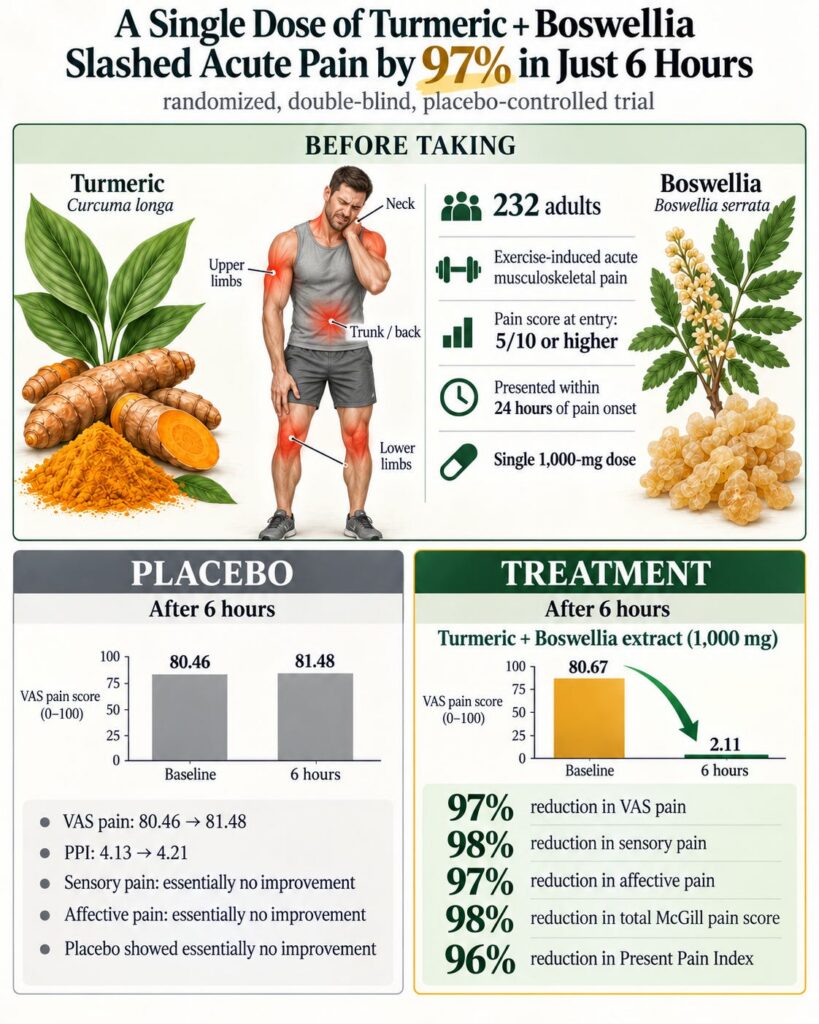

Turmeric + Boswellia for Pain Relief: A Remarkable New Study

Liz James · ·


Liz James · ·


Liz James · ·


Liz James · ·


Liz James · ·

For as far back as I can remember in science classes, I remember hearing about the mitochondria being the “powerhouse” of the cells. For my fellow science nerds out there, you probably recall something similar. Powerhouse. Energy packets. ATP. Glycolysis. Krebs Cycle. Electron Transport Chain…….. those words might shake the dust off the memories.
Everything we learned seemed so “automatic”. Like, these processes we memorized for tests would go on whether we actively participated or not. Our bodies would just do their thing
….unless there was a genetic disorder someone was born with. Mitochondrial genetic disorders are grouped into a category called Primary MitochondrialDiseases, most of which are obscure / uncommon.
By nature, I usually have at least a handful of “but, why?” questions rolling around in my head at any given moment. My two books (Becoming Your Own Health Detective, Vol I and Vol II) are focused entirely on helping people put their own health puzzle together by zeroing in on root causes. (Usually, it’s multiple root causes creating a perfect storm.)
Humbly, I have to say, we’ve not dug deep enough most of the time, and over the last couple of years, I’ve learned that digging microcosmically deeper yields greater health rewards.
The health, quantity, and function of the mitochondria is critically important for our overall health. If the mitochondria isn’t able to be “a powerhouse” of “energy packets (ATP)”, there will be a problem or two, or twelve. ATP is used to produce, repair, distribute, organize, and maintain EVERYTHING in the body. This includes protection against disease, adaptability and resilience (both physically and emotionally), as well as physical, mental and cognitive performance. The mitochondria are also a critical factor to how well a person ages. (Imagine if any one or more of these duties above were knocked out of kilter )
The “knocked out of kilter” is important here, because that signifies Secondary Mitochondrial Dysfunction, which occurs in disorders such as autism, ADHD, diabetes, depression, neurodegenerative disorders, fatigue, cancers, metabolic disorders, cardiovascular disease, etc.
That is a BROAD array of health concerns. All brought together with a singular bond: mitochondria that have lost their ability to provide what the body needs to thrive.
We have MUCH to talk about….. most of which likely was never talked about in your biology class.
PS: Meet Bruce! He is about 3 weeks old, and our newest addition to our farm-ily. Did you know that the mitochondria are inherited from the mom’s genetics? Given how adorably cute and especially energetic Bruce is, I’d say his mom (Eleanor) gave him some pretty robust mitochondria !

Mitochondrial dysfunction is at the root of nearly all body and brain health concerns, and even “feeling old” is also due to declining mitochondrial function. To put it simply, mitochondrial function (or dysfunction) DRIVES the aging pattern.
We’ve all seen people who age beautifully, and we’ve also seen people who look, act, and feel far older than their biological age. In both instances, mitochondria performance is responsible.
We can start “doing all the things” to help enhance mitochondrial function, but first it’s a good idea to understand what causes function to decline.
Babies are born with highly active, high functioning mitochondria, and as I mentioned last week, their mitochondria come exclusively from their mama. (If their mom’s mitochondria are not robust, this will also be passed along to the baby. Thankfully, there are many things that can be done to correct this!)
Around the age of 18 (in the average person), mitochondrial function starts to decline by about 1% per year. That might not sound like much when you’re 18, but it’s a pretty significant shift by the time you enter into your latter years of life.
Additionally, there are BIG drivers to mitochondrial dysfunction. When you stack these upon 1% per year decline, things can head south pretty quickly, even as a young person under the age of 18.
This list is not exhaustive, but it is fairly comprehensive…. so here we go:
As you might be imagining, stacking multiple medications, poor nutrition, little exercise, and toxic environmental stressors is mitochondrial mayhem in the making.
The good news? Age only drives about 25% of mitochondrial function. 75% of mitochondrial health is largely under our own personal control, and ….. get this, it is very possible/ doable to restore mitochondrial function and quantity.
Also good news…. …. you are here . Which means you are already working on
ways to improve your mitochondria function even though you didn’t know it!
Look at the list above. The mayhem makers. Have you been able to avoid some of those mitochondrial mayhem makers I listed above by using an herb, essential oil, lifestyle change, or other holistic practice? Drop a if you have. I’d love to hear your story!
PS: This is Agnes. I met her on Sunday in our yard. She was one of the largest turtles I’ve seen on our property. Based upon her size, she’s probably over 10 years old. While human mitochondria tend to be high output (by necessity), reptiles have mitochondria that are more focused on efficiency over energy. Also interesting… they tend to have a lower mitochondrial mutation rate than mammals do…. which I find VERY interesting!
xoxo~ Liz

Book Your Health Coaching CallBook Now