
• Skip to primary navigation
  • Skip to main content
Book Your Health Coaching Call
Good Medicine

Good Medicine

Holistic Health Coaching

  • Home
  • Liz James
    • About Liz
    • Coaching
    • Book a 20 Minute Complimentary Coaching Call
  • Favorite Resources
    • BlessedByHisBlood
    • Young Living
    • Fast Like A Girl Certified Coach
    • Order supplements through my Fullscript store
    • Green Pasture (Coupon: Health10)
    • RogersHood Apothecary (Coupon: BEABLESSING for 10% off)
    • DolphinMPS
    • Company
    • Abundance
  • My Books
    • Becoming Your Own Health Detective Volume 1
    • Becoming Your Own Health Detective Volume 2
  • Blog
  • Cart

Preventive Health & Root-Cause Medicine

How Much Do You Know About the Lymphatic System?

Liz James · May 7, 2022 ·

How much do you know about the lymphatic system friends?🤔 We consider the kidneys, colon……. even the skin and lungs as our major detoxifier focus, right? The lymphatic system is a major detoxification highway and frankly it’s overlooked in general Westernized medicine. Thankfully, there are now lymphatic clinics, lymphatic massage specialists (tho not always easy to find), and lymphatic educators out there. However, they are not called upon until major lymph sludge has developed.
 
If you’re here…. you already know that the best defense in health and wellness is a good offense.🙌 How are you loving on your lymphatic system? How do you know if you need to (hint…. we should ALL be loving on our lymphatic system regularly to avoid toxin loads). 🤓
 
Feel puffy or swollen in any area of your body is a call to action. A white flag is being waved. Dimply cellulite is another indicator that your lymph highway has not been able to remove toxins as well as it should be.
 
Join me in cleaning up the mess! You’ll need Epsom salts, and a dry brush in addition to these items: (shopping list👇)
https://www.myyl.com/lizjames-beablessingllc…
 
If you’d like to be added to the education group to learn tips and tricks for a high functioning lymphatic system let me know and I’ll get you added!
 
xoxo~ liz

Endocrine System – part 2

Liz James · May 4, 2022 ·

Have you ever:
  • Been given medication without thorough labwork?
  • Been told you are “fine” by a healthcare professional, but you don’t feel fine?
  • Felt like you’ve been doing “all the things” to care for your struggling thyroid, but still felt unwell?
If you’ve answered “yes” to any of these questions, the next series of clues might just be for you.
We’ve covered the northern endocrine family members (hypothalamus, pituitary, pineal, and thyroid).  I’m hopeful that you’ve been piecing clues🔎 together. Remember, cluster clues, including your personal “life experience” history, both physical and emotional, are where your answers most likely reside. Only you, and perhaps your parents if some events predate your memories, know these VIP clues. Keeping a journal 📓is often a key component to uncovering the root cause of a health situation.
 
There are more interesting members within the endocrine system family tree. Just south of the thyroid is a gland called the thymus. The thymus sits right behind the sternum (breastbone) in front of the heart, and is the “bootcamp” for the immune system’s T-cells, where they mature and turn into specialized agents of protection against bacteria, viruses, and cancer. The thymus is strongest and most active in children and teens. There is chronological aging as well as biological aging. Interestingly, if severe or chronic stress is part of a body’s environment, the thymus will rapidly “age” and begin shrinking, ultimately turning into a pocket of fat (literally!). Clues indicating🔎 a “tired” thymus include being easily fatigued, lack of motivation, susceptibility to catching colds or flu, persistent chronic illness despite “doing all the things”, slow wound healing, and outward signs of an accelerated aging process.
 
As you may guess, thymus deterioration affects lifetime immune system function, so keeping this hidden gem healthy is a good idea! Supportive measures include:
  • Keeping toxin load low
  • Learning techniques to mediate physical and emotional stress. Imagine the health benefits if this was learned at a young age!
  • Eating nourishing foods that are high in micronutrient content
  • Restorative sleep
  • Exercise daily for improved blood flow throughout the body (cleansing and nourishing the thymus). Yoga is particularly beneficial for supporting thymus function.
  • Thymus thumping/tapping. Thump or tap gently (with either the tips of your fingers or the palm of hand) on your sternum for 30-60 seconds a couple times a day to stimulate the thymus.
  • Olive Leaf (YL’s Olive Essentials)
  • Melatonin – A 2003 study🤓 found a correlation between melatonin supplementation and a notable increase in thymus weight (size) and function. Additional studies🤓 have found that even when melatonin supplementation begins late in life, age related thymus “decay” is reversible and immune system function often improves. A 2006 study🤓 in the Bulletin of Experimental Biology and Medicine found that supplementing melatonin during times of acutely severe or chronic stress prevented atrophy of the thymus. I am an enormous fan of Young Living’s Immupro for a good night’s sleep, and this is an additional reason to keep several bottles of this melatonin containing supplement on hand! (Great news for those of us who know and love it already…. It is scheduled to be back in stock later this month!). Sleep Essence is another night time product that also contains melatonin.
Further south, the twin adrenal glands show up in the endocrine family. These are two smallish quesadilla shaped glands that sit atop each kidney. God designed us masterfully well. These two glands sit remarkably close to the abdominal aorta (our major artery) and vena cava (our major vein). This close proximity allows for a quick dump of influential chemicals that facilitate acting quickly 🏃‍♂️🏃🏃‍♀️ when the need arises. I call this “running from the lion”🏃‍♀️🐅 time. These two glands produce a very precise mixture of adrenaline, cortisol and other steroid hormones (DHEA, pregnenolone, estrogens, testosterones) and aldosterone (a steroid hormone that regulates potassium, sodium and fluid volume in the body). The mixture is uniquely compounded according to the event at hand. When a person feels any amount of stress, whether that be a mile long “to do” list or narrowly escaping being eaten by a lion, the hypothalmus and pituitary work together to signal the adrenal glands. The mind🧠doesn’t differentiate between a too long “to do” list and a lion in terms of stress, and stress becomes the squeaky wheel. Other mechanisms in the body slow down so that the squeaky wheel can be addressed.
  • Thyroid hormone production slows down
  • Reduced conversion of T4 (inactive) to T3 (active) thyroid hormone occurs
  • Thyroid receptors become less receptive to receiving thyroid hormones. This is important because even if you happen to be on thyroid medication, it won’t be utilized properly during a stress response. Recall that thyroid receptors are located throughout the body and must function properly in order that we may function optimally day to day. (Go back and read the section on thyroid and the gallbladder for a refresher!)
 
Chronic stress puts the adrenals on overdrive, flooding the body with cortisol, until the adrenals can no longer keep up, and adrenal fatigue (adrenal dysregulation) develops. Cortistop is another one of my very favorite Young Living supplements. It is designed to address the way women’s bodies react to the cortisol produced when under stress. When too much cortisol is released regularly, it can have some hefty health consequences which include feeling deep fatigue and often the addition of abdominal fat that seems to defy losing. Recall that those are also two very common symptoms of thyroid disorder. Odds are high that clues like these may have more than one culprit, and both will need to be addressed if that’s the case.
 
Cortistop is not designed to be taken continuously (Suggested use is 8 weeks on, 2-4 weeks off). Although the directions state to take two capsules in the morning before breakfast, my body responds favorably to one capsule a day. And although Cortistop is formulated for women, I do know some manly men who have found this particular supplement to be quite helpful during times of stress too. PRO TIP: I also recommend making a plan so that your Cortistop“off “ times do not correspond to anticipated times of high stress (such as tax season or project due dates!).
 
Interestingly, the vast majority of western healthcare practitioners do not recognize adrenal fatigue. While there is currently no black and white way to test for adrenal fatigue in a laboratory, there are many clues that point towards this very real condition that you, the discerning sleuther 🔎, may uncover on your own or with the help of a health professional who does understand adrenal fatigue.
Next up…. A solid list of clues🔎 useful for identifying adrenal fatigue, and ways to support the adrenal glands!
 
xoxo~ liz
 
#sharingiscaring
#adrenalfatigueisreal
#theapplicationofknowledgeispower
#goodmedicine
#BYOHD
#becomingyourownhealthdetective
#ThanksYL

Thyroid Problem Clues – part 2

Liz James · March 30, 2022 ·

Analysis Paralysis has finally released its hold on me as I dip into the complexities of thyroid dysfunction and their absolute connection with autoimmune disorders. It’s important to understand that over 90% of diagnosed hypothyroid patients actually have an autoimmune disorder.
History always helps me understand science and biology because history leaves valuable clues. A journal article I read yesterday had this interesting tidbit:
“During the first half of the century [1900’s], autoimmune disease was viewed as biologically implausible.”
My, how things have changed!🥴 Resistance to the idea that autoimmunity could not happen began waning in the 1960’s. By then, life had changed drastically in many ways. Processed foods were introduced into mainstream eating habits, medication / vaccination use steadily inched upwards into the norm rather than the exception, plastics became part of our everyday world, fluoride was added to water, personal care products had a growing ingredient list of words that were barely pronounceable, herbicides were used ubiquitously and parents let their kids run behind the trucks that were spraying DDT for mosquitoes🦟! Thankfully the DDT spraying has stopped, but other pesticides quickly took its place. The toxin list has grown by leaps and bounds over the decades. Today, our bodies have to wade through the toxic soup☠️ known as the standard American life. Genetically, we haven’t changed appreciably, yet we are now part of the sickest generation in recorded history.
Did you know that at least 90% of genetic expression is the result of our environment, while the other 10% can be attributed to the role of the proverbial parental genetic dice? Epigenetics (the expression of our genes based on environmental influences) will look differently for each person based upon genes + exposure to infection (often viral), the Standard American Diet (simultaneously nutritionally deficient and toxic), pollutants (both in and outside the home), medications/vaccines, emotions, and stress. Epigenetics is so specifically unique to an individual that even identical twins👭 may express genes differently when exposed to chronic stressors. If you are going to put together a perfect crime scene,🔎 this is the way to do it!
 
Roughly 20% of the adult population in the USA now has an autoimmune disorder
And this percentage continues to rise. Prior to the 1970’s, autoimmune disorders were relatively obscure. Hashimoto’s, the autoimmune version of hypothyroidism, is considered by The Autoimmune Registry to be the second most common of all autoimmune disorders (second only to rheumatoid arthritis).
There is both bad and good news about autoimmune disorders. While they never disappear, they can certainly go into remission with the right lifestyle changes and choices. It’s a good thing we are in control of our personal choices!😉
 
According to leading Hashimoto’s and autoimmune disorder expert, Dr. Datis Kharrazian, there are 3 stages of autoimmune disease:
🔎Stage One is the silent stage. The body has begun losing its tolerance to its own tissue, but to the western health practitioner, there will be very few “hard core” symptoms. You though, as the CEO and chief sleuth🕵️, will feel “off”. What does “off” feel like? Well, that depends! It may be something as subtle as spending more (or less!) time in the bathroom. Perhaps it might be a rash that comes and goes. Maybe it means you are having difficulty finding the zest for life you once had, or you just have a little harder time waking up in the morning or falling asleep at night. Stage One is very important, as catching “things” early can be a game changer in the outcome. Lab work identifying elevated TPOAb and TGAb antibodies (for Hashimoto’s) can be very revealing. Neither test is very expensive when you pay out of pocket. Sadly, insurance companies often refuse to pay for these as “maintenance” labs. If your request is refused, I highly encourage you to pay out of pocket elsewhere and have the tests run annually with other labs.
 
🔎Stage Two is considered the reactivity stage and actual destruction to target tissue has begun. Symptoms are much “louder” and harder to ignore inside your own body. In fact, it may be this stage that finally sends you to a healthcare practitioner, though you’ve felt “off” for perhaps even years.
 
🔎In Stage Three, westernized medicine officially acknowledges the autoimmune disease. Significant destruction of the targeted tissue has occurred and there may even be collateral damage occurring elsewhere throughout the body. At this stage, damage can be seen by an MRI or ultrasound in addition to the elevated antibodies and actual symptoms.
 
Interestingly, the level of antibodies detected doesn’t necessarily indicate the severity of the Hashimoto’s. The antibodies themselves do not cause the thyroid gland destruction. Without getting too technical, the antibodies bind to and mark the spot (ie: the thyroid), and then the T Cells ( think of them as a special forces unit of the immune system) come in and attack what the antibodies have marked as “foreign”. If your own personal set of T cells are especially aggressive, your antibody count can be low but destruction of the thyroid can still be severe. Likewise, if your T cells act more like lazy posers, your TPOAb’s can be high but destruction probably won’t be as severe as you might think. Again…. epigenetics at play.
Here’s where we take a bunny trail🐰 detour to talk a bit about gluten. Unless you live in an untouched area of the wilderness with no internet, you’ll likely know that many people have issues with gluten. Generally, you hear about gluten and digestive disturbances such as celiac disease (another autoimmune disorder affecting the small intestine), but did you know that gluten is commonly a trigger for worsening both Hashimoto’s (hypothyroid) and Grave’s (hyperthroid) disease?
 
Gluten is a sneaky little son of a biscuit eater, for multiple reasons:
🍞It takes very little to cause great distress in gluten hypersensitive individuals…… like less than 1/20th of a teaspoonful according to some experts, and even less than that according to others.
🍞The after effects of a single gluten consumption/use can be felt for weeks to months after the occurrence in the gluten hypersensitive individual.
🍞Gluten flies under the radar and hides in the most seemingly innocuous of places: soy sauce, corn flakes, salad dressings, marinades, seasonings, processed deli meats, body and beauty care products, and candy (glucose syrup or dextrose can come from wheat) are just a few on the list.
🍞Some thyroid medications (and other medications and supplements too!) contain gluten as an inert filler ingredient. Currently the FDA does not have strict labeling requirements regarding the labeling of gluten positive medications. At the time of this writing, all brands of levothyroxine (except Mylan which is certified gluten free) contain gluten, as does the thyroid medication Cytomel. (And yes, I agree. Why in the world would the pharmaceutical industry use inflammatory gluten as a common filler, especially in a medication for a population prone to be gluten sensitive? As I’ve said before, we’re worth more as a commodity if we are sick than we are if we are healthy friends.🙄)
🍞Other aliases of gluten include starch, pregelatinized starch, sodium starch glycolate, dextrin, dextrate, dextro-maltose, maltodextrin, sodium starch glycolate and more. Sneaky Pete, indeed!
 
Is all gluten bad? 🤔Resoundingly no. Although if someone is found to be gluten hypersensitive, it’s a good idea to avoid it as much as possible. Modern wheat and the ancient grain Einkorn are two very different grains containing different types and ratios of gluten. Not only is Einkorn considered to be vastly more nutritious than modern wheat, the troublesome type of gluten (the “D” genome) doesn’t appear to be present in Einkorn according to Dr. Davis, author of “Wheat Belly”. If you aren’t sure if Einkorn is a safe form of grain for you, try incorporating it into a food challenge. Einkorn is also much more highly digestible and because of its starchstructure, is less apt to cause blood sugar spikes.
 
For the non gluten hypersensitive individual there are a few more reasons to nosh on some tasty Young Living Einkorn spaghetti, pancakes, granola, or cereal…..Regular intake of gluten has been found to help mediate exposure to heavy metals. Conversely, those on a gluten free diet tend to have higher blood and urine levels of arsenic, lead, mercury, and cadmium ,commonly found in many well known lipstick brands,. If you already use YL Savvy Minerals lipstick💋, here’s a high five…. It’s toxin free!
 
For being a simple little butterfly🦋 looking structure in our neck we often don’t think about, the thyroid is certainly complex and so easily affected by outside influence!
 
xoxo~ liz
 
#sharingiscaring
#becomingyourownhealthdetective
#goodmedicine
#getlabwork
#Hashimotos
#hypothyroidism
#autoimmunedisease

Does Trauma Really Hurt My Body -part 2

Liz James · March 1, 2022 ·

 
The Enigmatic Endocrine System Part II: Supportive care for the Pineal, Hypothalamus, and Pituitary Glands
 
If I am able to drive home one thing in all that I share, it’s this: The body, mind, and spirit are interconnected, and if one is damaged, the other will suffer. Likewise, if nurturing, support, and healing do not occur within all three: mind, body, and spirit, healing will be impaired. Some of the deepest wounds to the physical body will never be seen by the human eye because of the trauma to the mind and spirit. Trauma dealt to the mind is not the same as trauma to the 🧠brain, though both may be affected. Does that make sense?
 
There are many physical ways to support healthy pineal, hypothalamus, and pituitary gland function, but the most important of all is to become proficient in the skills required to overcome traumatic stress.
 
For a gland so tiny, there are books and even a journal (The Journal of Pineal Research) devoted to the study of the small ( but mighty) pineal gland. Traumatic stress appears to affect the pineal gland in profound ways that man and his science may never fully comprehend.
 
Here is what we do know:
 
Traumatic stress disrupts the pineal gland which in turn also disrupts melatonin.
 
Rene Descartes (French philosopher, mathematician, and scientist of the 16th century) described the pineal gland as “the seat of the soul”. He postulated that what we experience on “the outside of us” becomes an integral part of the mind (not to be confused with the physical brain). He was pretty much over the target🎯.
 
Many current day studies suggest that repeated stress or traumatic stress experiences may disturb mind integrity, memory, and experience.
 
Melatonin (in addition to regulating our circadian rhythm) has a role in the synchronization of memory. When the pineal gland is damaged by traumatic stress over time, memory formation and consolidation, cognition, and emotional processes may be altered.
 
Thankfully, love, community, and social connectedness have the power to influence, improve, and overcome the effects of traumatic stress.
 
Do not underestimate the power of a close knit community of friends 👭👫👬….. This is your first and most important “how to” take care of your endocrine system…. Find your tribe and love them ….. And (importantly) also let them love you 😘.
 
The Holy Spirit dwells within all who call to Him. The Holy Spirit is also our comforter and healer and guide. Don’t underestimate, undervalue, or decline this gift from God.
 
Real Solutions:
 
Physically, there are a myriad of ways to support the brain’s glandular system:
🙌Chiropractic care. Yes, even a little time on the table with a fantastic chiropractor can improve the functional quality of the pineal, hypothalamus, and pituitary glands.
🙌Eating a clean organic diet. The body can only thrive if it is given toxin free nutrition.
🙌Control sugar intake. Processed sugar causes inflammation which affects pituitary function.
🙌Be active! High Intensity Interval Training (HIIT) is especially helpful…. One of the most helpful body movements is squats. Who knew!?! Boost your entire endocrine system’s function with regular sets of squats!
🙌Incorporate small amounts of iodine (not the kind found in commercial table salt) into your diet. Kelp is a fantastic natural iodine source (it’s a key ingredient in Young Living’s Multigreens!) Sadly, fluoride is found in many city water supplies, toothpaste, and mouthwash brands. Fluoride calcifies both the pineal and pituitary glands which, as you’ve learned, goes on to affect the integrity of the rest of the endocrine system. The Young Living Thieves Toothpaste ( available as Dentarome Plus, Aromabright, or the kiddos Kidscents Citrus flavor) and Thieves Mouthwash are fantastic alternatives to the fluoridated varieties, are immune system supportive and provide ingredients for stellar oral hygiene.
🙌Fresh organic beet juice. Beets contain boron and B vitamins… necessary nutrients for a healthy endocrine system. Beet juice also helps counter the effects of fluoride and heavy metals.
🙌Manganese (found in nuts, leafy greens, whole grains, and legumes) , Vitamins D, E, and A are all necessary for healthy glandular function. YL’s Master Formula contains kelp, boron, manganese, B vitamins, Vitamins D, E, and A among a whole host of additional micronutrients. If you are looking for a “one stop shop” this may be your “go to” supplement.
🙌Good sleep hygiene. There are dozens of natural ways to improve sleep quality. Healing occurs best in a well rested body. Are you making full use of all the tools you may already have in your home? Essential oils well known to enhance sleep include Lavender, Cedarwood, Frankincense, Roman Chamomile, Orange, as well as blends RutaVala, Tranquil, Peace and Calming, and Stress Away all tend to support a good night’s sleep. Immupro and Sleep Essence are two sleep supportive supplements that may also be called in for duty if needed.
🙌Sage (the plant and the essential oil) has some very interesting properties that appear to support the endocrine system. If you choose to dive down this rabbit hole in your research, use the key words “salvia officinalis”, and “endocrine” or “pituitary”. Salvia comes from the Latin word (salvarem) which means “to save”. It may be this plant that best signifies the “mind, body, spirit” healing aspect simply by its activity within the endocrine system.
 
One in eight women will develop a thyroid problem at some point in their lifetime. (It’s not quite that high in men). While many thyroid disorders have root cause found in the thyroid itself, as Yoda said…. “Slow your roll [downhill], you must.” The thyroid is a precision organ, and will not be able to adequately perform if the endocrine glands of the brain (and elsewhere) do not work well. Their work is worthy of our TLC, and giving it the nourishment and attention it needs to perform optimally. Each one of us is a finely tuned, amazingly made unique creation, and each body part is a part of a bigger design working in tandem.
xoxo~ liz
 
https://goodmedicine.info/my-book/ (it’s here! We’re keeping it at presale price for just a few more days)
 
#sharingiscaring
#ahealthyendocrinesystemisgoodmedicine
#becomingyourownhealthdetective
#goodmedicine
#ThanksYL

Health Clues from Low Body Temperature – part 2

Liz James · February 15, 2022 ·

In the mid-1800’s, a German physician by the name of Carl Wunderlich measured the temperature🌡 of about twenty five thousand people and found that the average body temperature was 98.6 degrees F (37 degrees C).
 
Each one of us is a product of our internal, external, and emotional environment. Our personal histories (including generationally) have a way of defining us. Roughly twenty years after Dr. Wunderlich established 98.6F🌡 as the human baseline body temperature, the Second Industrial Revolution began. Railroads, new technologies including electricity, telegraph, telephones, “Big Oil”, and later, Big Pharma each had a tremendous impact on our ancestors. As decades passed, the environmental toxin load continued to increase. The Third Industrial Revolution began in the 1960’s and brought us electronics, processed foods, telecommunications, digital technology, biotechnology, nuclear energy, automobiles, more stress and more Big Pharma. The current effects of all of these revolutionary products may have made life (arguably) easier but made us sicker in the process. We are currently the sickest generation in modern history. In 2017, a study of thirty five thousand people found that the average body temperature🌡 is now 97.9 F.
 
Perhaps we shouldn’t be as worried about global warming as we should be worried about human cooling.🙄🧐🤨🤔
 
Chronic low core body temperature🌡 can create a false sense of wellness, also making it hard to mount a defense in the form of a fever if needed. A fever is an active corrective process in the body. To quote Dr. Jernigan, “ Blood that is overcooled from a cool core temperature is too thick to efficiently carry oxygen and the vital lung capacity is reduced leading to shallow breathing. This means that the oxygen to carbon dioxide exchange rate in the lungs is minimal. Now, combine the [slow] degenerative effects of the oxygen deprivation and the cold temperature and the fact that all of this and the overgrowth of microbes [review last week’s post] promote an acidic environment and you have greatly accelerated cellular degeneration and the [eventual] onset of disease.”
 

🌡Tracking Body Temperature🌡

 
Tracking body temperature is super easy with a basic thermometer.
Measure temperature upon morning wake up before getting out of bed (ideally between 6-8am). This will be your core body temperature that is not influenced by food, drink, or activity. Take your temperature again at night sometime between 8-10pm after you’ve been sitting or resting for about 30 minutes.
 
Track the difference between the morning and evening temperatures. There should be a difference of at least 0.9degrees F.
 
Ultimately, you are looking at two things (clues):
 
1️⃣Is body temperature daily average close to 98.6?
2️⃣Does the body allow its temperature to fluctuate from cool in the morning to warmer in the evening?

Temperature Too Cool?

If your body temperature trends towards “coolness”, try incorporating some of these suggestions into your daily life:
 
🔎Have you had lab work to rule out a physiological issue? Labs you may want to request include a full thyroid panel (TSH, T3, T4, Reverse T3, TPOab), saliva cortisol, DHEA, and hormones, CBC/CMP
 
🔎Identify any medications that might be affecting body temperature. Common culprits include beta blockers (blood pressure meds), antidepressants, sedatives, and other mood altering medications. Often, lifestyle changes, holistic (mind,body, spirit) care, and natural alternatives may reduce or eliminate the need for all of these. It requires ownership of one’s own body to do the work to identify and mediate the reason for the need. Hard stuff? Yes. Never doubt for a second that you are not worthy of doing the work to make it happen.
 

🔎What might mind, body, and spirit care look like? To each person it will look a little different because of our individual uniqueness.

 
👉Jump start metabolism. A sluggish metabolism may simply need movement and exercise. Hot/cold therapy is another way to stimulate metabolism. I wrote about cryotherapy in the topic devoted to dopamine deficiency. Do you see the connection?
👉Prayer and meditation relieve stress. Both activities also activate certain parts to the brain that control attention and autonomic functions such as blood pressure and metabolism. This is not an “Amen, Dig in.” type of prayer, rather developing a deep rooted connection with God in quiet and solitude. The studies on this are fascinating.
👉Music influences physiological variables such as blood pressure, heart rate, immune and endocrine function….. and body temperature. Body temperature tends to rise when listening to music, particularly when listening to classical or specific frequency based music. Look for a company called Wholetones (founded by Michael Tyrrell) for more information on healing music.
👉Infrared saunas and biomats. While they have multiple health benefits, for the sake of this particular discussion, they work to help the body “heat up”. Think of them as “training wheels” for 98.6.
👉Outdoor time on the regular. Bonus points for pairing this with exercise!
👉Dry brushing for improved lymphatic flow. A healthy lymphatic system is crucial in the toxin elimination process. If you are not already adding a drop or two of Young Living’s Lemon Vitality essential oil into your water (use a glass, ceramic, or stainless steel cup) start now for daily gentle lymphatic system support.
👉Removing toxins from daily life. I cannot stress this enough. Our bodies are dropping in temperature because of daily cumulative exposure to toxins. We can detox all day every day…. But if we continue to add in toxins as fast as we detox, there is no end in sight. Medications (tho occasionally needed) are a toxin by definition. Knowing this is one of the biggest reasons I’m such a strong advocate for finding a healthier way whenever possible. Additionally, a healthy body temperature starts with a toxin free home. Have you ditched the chemicals yet? Young Living’s Thieves Household cleaner and Thieves Kitchen and Bath Scrub fulfill all cleaning needs, and support healthy immune function in the process. Crank up your diffuser and ditch the fragrance plug in’s. There are a million crazy good smelling possibilities as you make your own signature diffuser blends. My favorite right now is Young Living’s Believe essential oil blend and Lushious Lemon (oh my!). Soaps, skincare, cosmetics, perfumes….. All of these generally are loaded with toxins and Young living has safe, toxin free alternatives. We simply cannot afford NOT to use them.
👉Chiropractic care. Chiropractic manipulation supports nervous system function and regular chiro care may ultimately help a thyroid, adrenal or other underlying physiological dysfunction.
👉Learning to release emotions and attitudes that don’t serve your body. Unhappy, uninspired, dissatisfied, dull, and passive living (ie: life happens to you, you don’t make life happen) are all associated with lower body temperatures. Live life fully and engaged. Nobody can steal that from you. It is a personal choice regardless of circumstance.
👉Raindrop. Have you received one yet? If not, find someone who can give you one. Better yet, get the Raindrop Technique Collection and begin learning with a buddy. There are comprehensive instructions included in the kit.
👉Detoxification of the body is not a “once and done” process. It’s a lifestyle. Make sure your gut is moving proficiently. Probiotic Life 9 (MightyPro for the kiddos), ICP Daily, and digestive enzymes (such as Essentialzymes-4, Detoxzyme, Essentialzyme, Allerzyme, or Mightyzyme kids chewables) may be integral tools for optimal gut health support for the motility or toxin challenged individual.
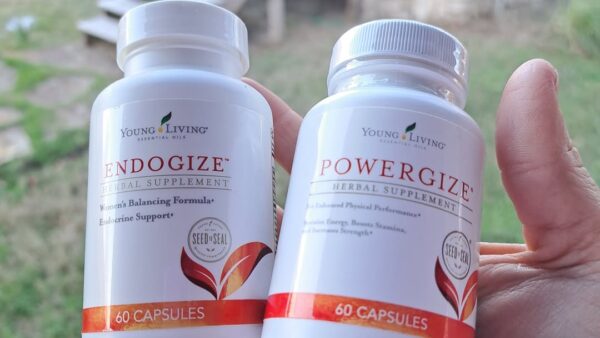
👉Support the adrenal glands as needed. Endogize capsules or Endoflex essential oil blend are two highly supportive tools.
👉“Hot oils” have their place too in supporting a healthy body’s temperature. Consider applying these oils to the bottoms of your feet daily as a supportive measure: Thieves, Mountain Savory, Nutmeg, Oregano, Rosemary, Thyme (notice how many of those are in the Raindrop protocol!)
 
Consider this. Raising core body temperature by 2 degrees positively influences immune system activity by up to 40%. This is why having a low grade fever when you are fighting off something isn’t a bad thing and it isn’t a good idea to suppress a low fever.🤓
I’ll leave you with this. Make 98.6 F great again, and improve your overall health! 🙌 🌡
If you have lived with a low body temperature for years, be aware that your body will need retraining, and that doesn’t happen overnight. This kind of clue scene takes awhile to clean up. It may take a year or longer of daily care before the body is able to begin correcting the impact of chronic low temperature. Patience and baby steps, but I promise it will be worth it!
 
xoxo~ liz
 
www.goodmedicine.info
#checkyourtemp
#sharingiscaring
#98point6ishisgoodmedicine
#ditchthetoxinsifyouhaventalready
#thanksYL
#youarethecoauthorofyourstory
#becomingyourownhealthdetective
  • « Go to Previous Page
  • Page 1
  • Interim pages omitted …
  • Page 3
  • Page 4
  • Page 5
  • Page 6
  • Page 7
  • Interim pages omitted …
  • Page 17
  • Go to Next Page »

Book Your Health Coaching CallBook Now

Elizabeth James

469.425.9091

ebj0203@gmail.com