• Skip to primary navigation
  • Skip to main content
Book Your Health Coaching Call
Good Medicine

Good Medicine

Holistic Health Coaching

  • Home
  • Liz James
    • About Liz
    • Coaching
    • Book a 20 Minute Complimentary Coaching Call
  • Favorite Resources
    • BlessedByHisBlood
    • Young Living
    • Fast Like A Girl Certified Coach
    • Order supplements through my Fullscript store
    • Green Pasture (Coupon: Health10)
    • RogersHood Apothecary (Coupon: BEABLESSING for 10% off)
    • DolphinMPS
    • Company
    • Abundance
  • My Books
    • Becoming Your Own Health Detective Volume 1
    • Becoming Your Own Health Detective Volume 2
  • Blog
  • Cart

Plants as Medicine

America’s Diabetes Crisis: How to Detect and Prevent Type II Diabetes

Liz James · September 28, 2022 ·

diabetes prevention health coaching Liz James good medicine

America’s Diabetes Crisis: How to Detect and Prevent Type II Diabetes

There are times it’s not good to be Number One. This is one of those times. The United States is recognized as being among the nations with the best medical technology and the newest and best drugs. We spend more per person on healthcare than any nation in the entire world, so we should be among the healthiest, right? Yet, for all that we have, the USA has the worst health outcomes. We are #1 in diabetes, #2 in neurodegenerative diseases, #5 in cancer, and #6 in cardiovascular disease (source: Organisation for Economic Co-operation and Development).

Understanding Type II Diabetes Risk Factors

An estimated 1 in 3 American adults have prediabetes or metabolic syndrome (both are precursors to Type II diabetes). It’s a common but flawed thought that Type II diabetes only affects “fluffy” people. It doesn’t. There is a relatively new medical acronym called TOFI, which means “Thin on the Outside, Fat on the Inside,” and TOFI individuals can be just as much at risk as their fluffy counterparts. Lifestyle choices will always be the first line of defense to avoid acquiring a Type II diabetes diagnosis (or succeeding in backwalking out of one).

An astute detective will need some internal monitoring tools to more closely assess clues. Health thieves can be very stealth, and this is a reliable way to monitor gang movement before they leave visible gang “tags” (clues). Forewarned is forearmed! Think of this as another tangible aspect of your body’s security monitoring system.

Essential Tools for Monitoring Diabetes Risk

Here’s what you’ll need:

  • An at-home blood pressure cuff (every home should have one anyway!)
  • Know your waist circumference (measure at just above the hip bone, level with the belly button)
  • Know your family history. Remember that though genetics are important, they play less than a 10% role in outcome. Environment, lifestyle choices, and emotional tendencies control the other 90%. It’s important to know family history so that we can each be vigilant for what we suspect may be lurking in the shadows…. Knowing the health thief tendency (genetics) may be awaiting the right opportunity to steal, kill and destroy. I find a great deal of peace knowing that 90% of gene expression is fully under my own control!

Key Blood Tests for Diabetes Prevention

Get labwork annually which (at the very least) includes the following pieces of information:

  • Complete metabolic panel (CMP)
  • A basic lipid panel
  • Uric Acid and Homocysteine
  • Fasting insulin, fasting glucose, and HbA1c

The combined total of these tests will run about $250 well spent dollars out of pocket. If you have insurance, these are the tests to ask your doctor for when looking for a metabolic syndrome or prediabetes health thief.

NOTE: There is more labwork I’d suggest for a comprehensive look at the body from the inside out…. The above recommendation is specific for monitoring both prediabetes and metabolic syndrome.

Warning Signs of Metabolic Syndrome and Prediabetes

Signs of metabolic syndrome and prediabetes nearly always predate diabetic symptoms. Once you have your lab work, and have gathered your other tools, you’re ready to take a hard look at the state of the union of your body. Signs of metabolic dysfunction show up in the following ways:

  • Evidence of fatty liver
  • High blood pressure
  • High uric acid and homocysteine levels
  • High lipids in blood
  • High fasting insulin, HbA1c, and blood glucose

Understanding Your Blood Pressure Readings

Monitor your blood pressure. For a week, take it before you go to bed, and again before you get out of bed in the morning. If nighttime and morning blood pressure is higher than it should be, cut out all forms of sugar for a week, and retest. Sugar is highly inflammatory and often drives blood pressure upwards. Normal blood pressure runs 90-120 systolic (top number) and 60-80 diastolic (bottom number). High blood pressure is a symptom, not a root cause!

Waist Circumference and Diabetes Risk

An increased waist circumference (males should be under 40 inches and females should be under 35) is suggestive of inflammation, probable leaky gut, mitochondrial dysfunction, and insulin resistance.

Inflammation Markers to Watch

Uric acid and homocysteine are inflammatory markers. Levels are elevated if uric acid is over 5.5 mg/ml and homocysteine is over 10 umol/L. High uric acid levels lead to a fatty liver. Sugar is a big contributor to this. High homocysteine levels indicate an increased risk for developing heart disease and vascular inflammation. Methylated B12 and methylated folate, omega 3’s (OmegaGize3 is a great option), and optimized use of Vit D3 are all helpful tools in supporting healthy homocysteine levels.

Liver Health and Diabetes

Within your CMP, you’ll look for two numbers corresponding to AST and ALT. ALT is a liver enzyme which is fairly accurate for assessing fatty liver. If that number is over 25, more investigation is needed. AST is another liver enzyme. If it’s elevated (over 34) it may also indicate fatty liver (it also elevates when exposed to too much acetaminophen, alcohol, certain meds such as statins, and infection….. So do take that into consideration). If both are elevated, it’s definitely time to take a hard look at sugar and alcohol consumption.

Understanding Blood Sugar Metrics

Fasting glucose by itself is not enough, and sadly it’s often the only thing that is tested routinely. HbA1c is a window into the last 3 months of glucose control within the body. Fasting insulin indicates how well the pancreas is actually able to keep up. Optimally, fasting glucose should be 70-85 mg/dL, HbA1c should be less than 5.4%, and fasting insulin should be less than 6 uIU/mL.

Once you have those numbers, you’ll plug them into this equation: fasting glucose x fasting insulin divided by 405. Your answer to this equation is your assessed risk for developing diabetes. Less than 2.8 is excellent, 4.3 is average, and anything higher is a flag that mayhem is likely already occurring.

Cholesterol Indicators of Metabolic Health

When you are looking at your lipid panel, zero in on 3 different clues:

  1. The ratio of triglycerides to HDL. Studies have found that if this number is over 2.5 in the Caucasian population or 1.5 in the African American population, it tends to correlate with metabolic syndrome.
  2. HDL, the type of cholesterol that is considered “healthy” cholesterol. If it’s between 60-85, it’s generally a sign of good cardiovascular health. If the number is under 40 in men or under 50 for women, there is a greater chance of developing heart disease (a component of both metabolic syndrome and cohort of Type II diabetes). If the number is over 85, there’s a distinct possibility that HDL has a dysfunctional component.
  3. LDL cholesterol. If it’s between 100 and 300, look at your triglycerides. “If triglycerides are over 150, metabolic syndrome may be assumed until proven otherwise.” (Those wise words are from Dr. Robert Lustig MD and his brilliant book Metabolical)

15 Natural Ways to Prevent Type II Diabetes

Isn’t it prudent to avoid dark alleys and always lock your car? The same can be said for paying attention to these health clues. If the numbers above look like a dark avenue you’re not wanting to go down, here are some tips and tricks for avoiding shady areas!

  1. Cut back on carbs and sugar. Eat a low sugar high fiber diet. If you are not getting enough fiber in your diet, add YL’s ICP Daily, Balance Complete, or Power Meal to your nutrition world. Fiber helps regulate blood sugar levels by slowing down the release of glucose into the bloodstream.
  2. Avoid high fructose corn syrup like it’s the plague….. Because it is! It is a strong inducer of insulin resistance. When you start reading labels, you’ll be surprised at how many places it hides in plain sight.
  3. Avoid energy drinks that combine caffeine with fructose. That combination can aggravate insulin resistance and glucose intolerance. Use NingXia Nitro for a cleaner energy boost option. Try pairing Nitro with diffusing or wearing the essential oil blend En-R-Gee.
  4. Exercise regularly! Many studies have shown that weight loss and exercise can increase the body’s sensitivity to insulin.
  5. Improve your diet. A person will never be able to out run, out supplement, or out medicate a bad diet!
  6. Consider intermittent fasting. (If you are already on medication for diabetes treatment, you’ll want to talk to your holistically minded health professional before incorporating intermittent fasting into your routine). At the very least, stop eating 3-4 hours before your head hits the pillow at night.
  7. Know your labs, and don’t be afraid to ask for them by name!
  8. Watch your commercial dairy intake. There is a big difference between commercial pasteurized and homogenized dairy and raw dairy. The former is well known for the amount of inflammation it can cause within the body.
  9. Work towards decreasing inflammation within the body. Sulfurzyme not only helps support normal metabolic function within the body, it also helps regulate a more normal inflammatory response. It is one of my top five Young Living Supplements that I cannot imagine life without.
  10. Take an excellent highly bioavailable multivitamin such as Master Formula. Not all vitamins sold are bioavailable to the body.
  11. Incorporate insulin-modulating foods into your diet. Cinnamon, oat bran, fiber, ginger, barley grass (found in Multigreens), spirulina (found in Multigreens and NingXia Greens), chaga mushrooms, rosemary, green tea, cranberries, blueberries, lemon balm (Melissa), holy basil (tulsi), carrots, broccoli, asparagus, cauliflower, cucumbers, cabbage and salad greens. Healthy whole grain foods such as YL Einkorn products, quinoa, whole oats or oatmeal, and brown rice are also helpful, as are avocados, olive oil, and nuts and seeds. Cacao (natural chocolate) may also help regulate blood sugar levels according to a 2017 study.
  12. Try regular cold exposure which appears to help improve insulin sensitivity. Interestingly, Type II diabetes is positively associated with living in ambient temperature climates. Get your health care professional’s blessing if you have a medical condition (ex: high blood pressure or heart disease) that is being actively treated before partaking in cold showers, cold plunging, or cryotherapy.
  13. Monitor your iron and ferritin lab values: According to a few studies, it would appear that iron levels that are too high have been positively associated with insulin resistance.
  14. Consider adding turmeric to your routine. It has been found to be a helpful supplement to those who are taking the medication Metformin, and has supportive effects on blood glucose, oxidative stress and inflammation. (YL’s Golden Turmeric is my go to for a turmeric supplement!)
  15. Take key supplements including:
  • Vitamin B12 in the form of methylcobalamin to support healthy homocysteine levels
  • Antioxidants (NingXia Red and Super C) – A 2007 study in the Journal of Hypertension found that people who took adequate levels of Vitamin C had a 13% lower risk of developing diabetes
  • Magnesium – Approximately 75-80% of US residents are deficient in magnesium. A deficiency in magnesium sets the body up for both insulin resistance and gout (the official diagnosis for the painful symptoms of high uric acid levels in the body)

Additional Lifestyle Tips for Diabetes Prevention

  • Avoid toxins in daily living, especially atrazine (an herbicide commonly used on corn) and pesticides in general. Eat organically to avoid these.
  • Improve your sleep habits. Give up the night owl tendencies. Research has found that those who stay up late have a reduced ability to use fat for energy. When fat isn’t used appropriately in the body, it becomes fodder for health thieves. Work towards being in bed by 10pm.

There is so much more to prediabetes, Type II diabetes, and metabolic syndrome…..more than I could possibly write here. Hopefully though, I’ve given you food for thought and a desire to learn more. If so, do some digging and think outside the box! The more you know, the more health empowered you’ll be. We have full control of this part of our health story. How will you choose to write yours?

xoxo~ liz

blog about history of diabetes

#DiabetesPrevention #MetabolicHealth #PreventType2Diabetes #NaturalHealthTips #becomingyourownhealthdetective #BYOHD #thebestdefenseisagoodoffense #theapplicationofknowledgeisgoodmedicine #goodmedicine

Food Freedoms at Risk

Liz James · September 10, 2022 ·

I just finished reading a book called “A Good Life Interrupted” by Sam Girod, an Amish farmer and businessman. It’s about the recent 3+ year (of a 60+ year sentence) incarceration of an Amish grandfather who was convicted by the FDA of selling a chickweed salve.
This 6 minute video is another example of the attempted bullying of another Amish gentleman for selling raw milk.
Friends, if you don’t think our food and natural medicine freedoms are under accelerated assault, you are gravely mislead.
Recall that the 3rd leading cause of death in the USA is medical error, and the 5th leading cause of death is medication use….. and those numbers are rising!
Please. Learn your rights. Learn the Constitution. And learn to take care of yourself (God gave us plants for a purpose…. and they aren’t just for eating….. Revelation 22:2… and the leave of the tree were for the healing of nations. That’s not just figurative speech. That’s literal!) in a manner that honors the temple we live in …. our bodies!
I am an enormous proponent of raw milk because it was key in my personal healing of osteopenia and unhealthy cholesterol ratios 23 years ago. If you need research sources, please visit the Weston A Price Foundation to learn more about healing foods.
Understand that if food and health and healing modalities are 100% controlled outside our own personal abilities, we are slaves to that entity. The Constitution only protects us if we understand what it says and how it works. The more the Constitution gets twisted and trampled (because We the People haven’t defended it properly), the more our God Given rights get taken away from us.
This is more than just voting. This is about getting involved at the grassroots level, and stepping up and supporting our neighbors and friends (like this good fellow neighbor who arrived quickly to film for the Amish gentleman) when they do stand up against the establishment. Remember, it may not matter to you at this moment…. but when they come for you or your family, it will matter quite a lot. I so admire those who stand firmly in protection of personal rights and pray for them daily.
Knowing your rights and the Constitution is Good Medicine.
xoxo

 
~ liz


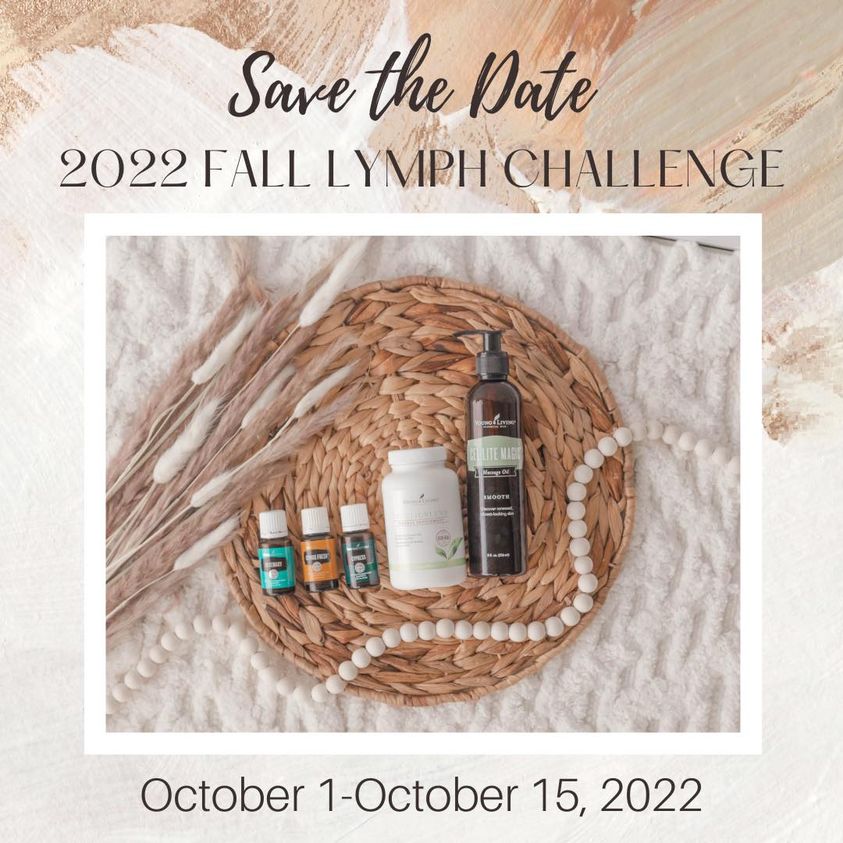
Lymphatic Challenge 2022 Round 2

Liz James · September 8, 2022 ·

If you participated in the first one, you know how beneficial it was……. it’s coming back! Lymphatic Challenge 2022 Round 2 in October! If you’d like to participate, and aren’t already in the group, drop a comment👇, and we’ll get you added as soon as they open the group back up for adding new members! This is sooooo good ya’ll. If you are trying to get a hold of your health or improve your overall wellbeing, this is a FANTASTIC place to start.

https://www.facebook.com/groups/lymphchallenge

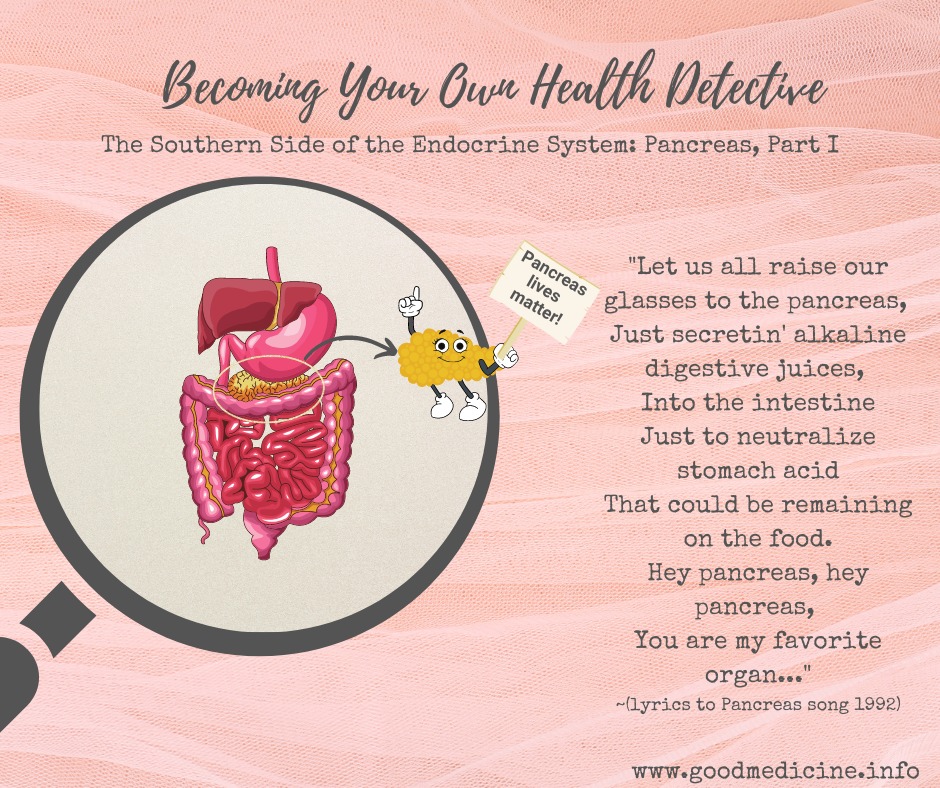
The Southern Side of the Endocrine System: Pancreas Part I

Liz James · August 24, 2022 ·

 
“The pancreas is my favorite organ.” Says no one (almost) ever. Seriously.
 
Unless someone has an existing pancreatic malady, this is one organ that gets very little attention. That’s a shame too… because with the exception of the rarer cases of genetics, infection, or blunt force trauma, nearly all pancreatic dysfunction is self induced. It’s time to bring this odd little organ out of its sandwiched space between the stomach and small intestine and figure out what makes it tick and tremble.
The pancreas has two main jobs: to produce chemicals which help regulate blood sugar, and to produce enzymes which help further digest food and bicarbonate which will further neutralize any stomach acid that has found its way into the small intestine. For being a rather underappreciated organ, if any of these tasks falls by the wayside, there are big consequences.
 
Pancreatitis (both chronic and acute) accounts for more than 360,000 hospital stays each year…. A number that continues to rise.😢
The lifetime risk of pancreatic cancer is currently 1 in 64 ….. A number that continues to rise.😢
The lifetime risk of acquiring diabetes is now roughly 1 in 3 adults….. And that number too has only continued to rise.😢
 
The problem is that the pancreas squeaks out tiny little “help me’s”, and few people take the time to learn and put clues together and then go on to correct the course of personal health history. True, the clues are not necessarily ones that will beat you over the head with a two by four, but they ARE there, nonetheless, and only you, the astute sleuth will likely see them or feel them.
 
Have you ever been out to eat with someone who won’t sit with their back to the door? Chances are, they have been well trained🧑‍✈️ to observe their environment so they won’t be taken off guard by an offender who has ill intent.
 
This is how we guard the pancreas… watching for environmental clues that endanger that little organ, and then blocking their entry into our personal space that we do have control over. None of us wants to be the 1 in 3, the 1 in 64, or the 1 in 100.
 
Environmental contributors to pancreatic distress include:
🔎Heavy alcohol consumption or diagnosis of cirrhosis
🔎A high fat, heavily processed food diet
🔎Obesity
🔎Tobacco products
🔎Abdominal surgery where the pancreas may have had interrupted blood supply
🔎Nutritional deficiencies including (especially) vitamins A, D, E, and K and selenium
🔎A history of infection such as hepatitis, Epstein-Barr Virus (Mononucleosis), Lyme disease, or Cytomegalovirus.
🔎A prior history of autoimmune disorder: especially celiac, irritable bowel disease, psoriasis, rheumatoid arthritis, lupus, or Sjogren’s Syndrome.
🔎A history of gallstones
🔎Lab work that reveals high triglycerides
🔎Abdominal trauma
🔎Damage to specific molars (those that are pertinent to pancreatic health and wellness… go back and re-read Chapter 7 in BYOHD Volume I)
🔎Long standing emotions and feelings closely associated with pancreatic distress including: guilt, shame, insecurities, frustration, joylessness, fear of rejection, and lowered self esteem.
🔎Many medications: More than 500 drugs have been reported by the World Health Organization database as causative agents for pancreatic distress. Common offenders include synthetic estrogens (birth control pills and hormone replacement therapy), opiates, steroids, many classes of antibiotics, diuretics furosemide and HCTZ, acetaminophen, and the blood pressure medication enalapril. The vaccinations formulated to prevent mumps (MMR and MMRV) have also been implicated in causing complications with the pancreas in some people.
Perhaps there hasn’t been a vigilant awareness until now, and the environmental offenders have already gotten through the door and gotten a little rowdy with the pancreas, and it’s been roughed up a bit. What would that look like?
When you have a handful of the following clues, you can be fairly certain they have been up to mischief that needs help or correcting.
🔎Diarrhea or bloating
🔎Unexplained weight loss
🔎Signs of malnutrition (lab work can identify this)
🔎Oily, foul smelling stools that are clay or pale in color and tend to float
🔎Poor blood sugar control
🔎Blurred vision
🔎Occasional abdominal pain that worsens after a high fat meal
🔎Occasional abdominal pain that may be worse if lying flat on the back
🔎Fatigue
🔎Chronically dry lips (according to Chinese medicine)
 
Do not hesitate to contact your favorite health professional if you’ve checked the majority of these clues or also have fever or unrelenting abdominal pain!
Thankfully, there are MANY things that may be done to support a healthy pancreas:
💜Eat a healthy varied diet rich in fruit and vegetables, white fish and meats, grass fed beef, foods high in iron, foods that are rich in antioxidants….. Cherries, blueberries, spinach, YL wolfberries, tomatoes, bell peppers, NingXia Red.
💜Incorporate digestive enzymes into your daily routine. (Amylase, lipase, and protease are commonly referred to as pancreatic enzymes, and are found in Essentialzymes-4, Detoxzyme and Allerzyme, or pancreatin and pancrealipase found in Essentialzyme.
💜Avoid opiates as a source of chronic pain management. There are MANY more effective ways to manage pain including scientifically proven meditation, relaxation exercises, acupuncture, yoga, and massage. Supportive supplements to consider include Sulfurzyme, BLM or Agilease, and Golden Turmeric, and essential oils PanAway, Deep Relief, Frankincense, Palo Santo, Helichrysum, Dorado Azul, Valerian, Peppermint, Copaiba, and Idaho Grand Fir. Reishi mushrooms ( found in NingXia Greens and Immupro) help support normal inflammatory and immune system response, especially when used with regularity.
💜Support the pancreas nutritionally with OmgaGize3 (for Omega 3’s), and an excellent multivitamin ( Master Formula ) that contains selenium, and vitamins A, D, E, and K and Vitamin B12 (Super B).
💜Incorporate MCT (Coconut oil) oil into the diet. It doesn’t burden the pancreas the way many other oils do, and it has properties which are helpful to inflammatory conditions.
💜Green Tea (found in Young Living’s Vanilla Lemongrass Tea)
💜Achieving and keeping a healthy weight. Remember, this is a marathon, not a sprint. Often simply losing 5-10 lbs is extraordinarily helpful to pancreas function.
💜Keep a close eye on triglyceride levels (optimally, they should be between 50-90mg/dL), and adjust the diet accordingly.
💜Add natural sources of glutamine into the diet: bone broth, grass fed whey protein, grass fed raw dairy, venison, organic poultry, spirulina (found in both Multigreens and NingXia Greens), cabbage, asparagus, and broccoli.
💜Improve levels of melatonin in the body! (Immupro or Sleep Essence if supplemental help is needed). There are some compelling studies on the protection melatonin appears to give to the pancreas.
💜Increase intake of antioxidants (easily done with NingXia Red or NingXia Greens)
💜Alkalinize the body with Apple Cider Vinegar and/or Alkalime
Pancreatic Insufficiency, Pancreatitis, and Pancreatic cancer are all three very stealth dysfunctions. The obvious problem with stealth is that they are able to cause a fair bit of dysfunction before the problem is large enough to warrant medical attention. Chronic inflammation of the pancreas is a leading cause of pancreatic cancer, and this form of cancer has a very poor survival rate. All the more reason to keep your pancreas well loved and protected. Taking a quick glance at your stools💩 before they go down the porcelain highway and doing an honest environmental and habit assessment is so important!🧐
 
Roughly 98% of the pancreas is devoted to the job of supplying the body with digestive assistance. The other 2% is devoted to managing blood sugar levels…. And that’s what I’ll bring to the table next: the pancreas and diabetes.
xoxo~ liz
 
#goodmedicine
#becomingyourownhealthdetective
#pancreaslivesmatter
#ThanksYL
#cluesyoucanuse
#BYOHD

August Loyalty Gifts

Liz James · August 1, 2022 ·

August, friends! We blinked and it’s here. Summer is going by way too fast, and I know many kids and teachers are going back to school in less than two weeks. Time slow down pretty please!
 
I always have fun guessing at the theme of the monthly promos… if I was going to put a name to it, I’d give it an acronym, SSRI 😬. The pharmacist in me just had a belly laugh 😂🤣😅(look up SSRI, and you’ll see what I mean as you read 🥸)
In our little world for the month of August, SSRI means free products that are all about:
Scrubbing
Skin care
Relaxation
and Invigorating!
 
1. Free Loyalty Reward points…. I’m completely invigorated any time I can save money on something I buy regularly. Who doesn’t love to save money? Guys and gals, if you are not using the Loyalty reward opportunity, you are missing out. Identify where you want to improve in your health life, and when you purchase healthy products (oils, supplements, skin care, non toxic household cleaner, cosmetics, snacks, etc), you receive points that are literally money in your pocket for more free products. In the current recession/inflation state we are in economically, there are two things that are important: staying healthy and saving money! None of us can afford not to do both.
 
2. Eucalyptus Globulous…. one of my favorite scents because it smells like a spa….. fresh, clean, and invigorating. Eucalyptus is an interesting tree…. the Australian Aborigines are masterful healers using the tools available to them in nature. They use the leaves of the eucalyptus trees as wound cover because of its disinfecting properties. Maybe a few drops of this beautiful oil in a spray bottle (mix with water and a little witch hazel or vodka as a clean alcohol base), and you’ve got a good, clean smelling spray for stinky shoes, exercise equipment, etc. Bonus points…. it’s very handy as a bug repellant. Eucalyptus trees have been planted strategically in parts of North Africa to successfully block the spread of malaria in those areas. It’s a little too early for cold and flu season, but don’t forget it’s on your shelf when that time rolls around…. Dilute with a carrier oil and apply to chest and bottoms of feet for congestion relief!🤓
 
3.Patchouli is a member of the mint family, though it definitely doesn’t smell like peppermint or spearmint! 😁 It has an earthy smell to it. Interestingly, patchouli is the only essential oil whose fragrance improves as it ages, and it is a common additive in $100+ commercial perfumes. (Please, for the love of your health, learn to mix your own perfumes and colognes….. I can help you do this. Commercial perfumes are LOADED with endocrine disruptors 🥴) Patchouli has many health benefits…. regarding that SSRI reference, did you know that there have been many interesting studies examining patchouli’s effects on both the dopamine and serotonin? Here are links to two of them: https://pubmed.ncbi.nlm.nih.gov/35631434/ and https://iopscience.iop.org/…/1742-6596/1321/2/022039/pdf . Patchpuli also has a history of benefitting the skin. I often add a few drops to my DIY face serum recipe… remember…. what you put on your skin has a direct effect throughout your body! Same with diffusing… things happen 😉. Patchouli pairs well with lavender, orange, cedarwood, lemon, grapefruit, rose, ylang ylang, sandalwood (and many more!)
 
4. Charcoal Mask….. have you tried this yet? Well, now’s your chance for free! Charcoal is a magnificent detoxifier, and a great way to soak up extra oil and exfoliate skin. (Word of caution… don’t apply to sunburned skin!). Other things we’ve used this mask for….. as a pit paste detox. If you’ve got stinky pits, it’s past time to work on detoxification. That’s your body speaking to you in it’s outside voice 🤨🤪🤓. A little dab on acne spots, and even a dab on bug stings and bites works well!
 
5. Satin Facial Scrub….. This face scrub feels sooooooo good on the skin. Peppy and invigorating. Have you tried it yet? It gently exfoliates and leaves my face tingly and fresh!
 
6. Thieves Kitchen and Bath Scrub. Honestly….. they should have called this the “Everything Scrub”. I’ve even had good luck using it on some hard to treat stains on laundry, on hubcaps, and outdoors on concrete stains (Thank you Kristine Lucius for that suggestion!) . It rapidly became a fast favorite for many of us when it was introduced a year or so ago. It’s powerful but also gentle (and of course, completely nontoxic!).
 
7. Super B! If you know…. you know. Young Living has so many natural energy enhancers, and Super B is one of those. I was talking to a friend a few days ago, and we were talking about the two things people complain about the most…… lack of sleep and lack of energy. Ha! They go hand in hand, right? On the months that Super B isn’t free, this is a fantastic and economical way to get a healthy energy boost in your day. Chronic stress contributes to the depletion of B vitamins in our body, and unless you are an extraordinarily conscientious eater, there’s a decent likelihood your B load is subpar. Additionally, we need B’s for helping regulate blood sugar, nervous system function, hormone production, energy production, and more. Bonus points for also containing small amounts selenium and zinc, two necessary trace minerals needed for a healthy immune system, pancreas and thyroid function.
 
Has one or more of these items already rocked your world? Please share your favorite story so we can learn from one another!
Have a beautiful and healthy Monday!
(PS: Not familiar with the Loyalty Rewards program? Message me for more info!)
xoxo~ liz
 
(Join the health journey! 👉https://yl.pe/beablessing)
#ThanksYL
#sharingiscaring
#healthyisashealthydoes
#freestufffromYL
#LoyaltyRewardsProgram
 
  • « Go to Previous Page
  • Page 1
  • Interim pages omitted …
  • Page 5
  • Page 6
  • Page 7
  • Page 8
  • Page 9
  • Interim pages omitted …
  • Page 41
  • Go to Next Page »

Book Your Health Coaching CallBook Now

Elizabeth James

469.425.9091

ebj0203@gmail.com