• Skip to primary navigation
  • Skip to main content
Book Your Health Coaching Call
Good Medicine

Good Medicine

Holistic Health Coaching

  • Home
  • Liz James
    • About Liz
    • Coaching
    • Book a 20 Minute Complimentary Coaching Call
  • Favorite Resources
    • BlessedByHisBlood
    • Young Living
    • Fast Like A Girl Certified Coach
    • Order supplements through my Fullscript store
    • Green Pasture (Coupon: Health10)
    • RogersHood Apothecary (Coupon: BEABLESSING for 10% off)
    • DolphinMPS
    • Company
    • Abundance
  • My Books
    • Becoming Your Own Health Detective Volume 1
    • Becoming Your Own Health Detective Volume 2
  • Blog
  • Cart

Digestive System

Zinc Deficiency

Liz James · October 5, 2021 ·

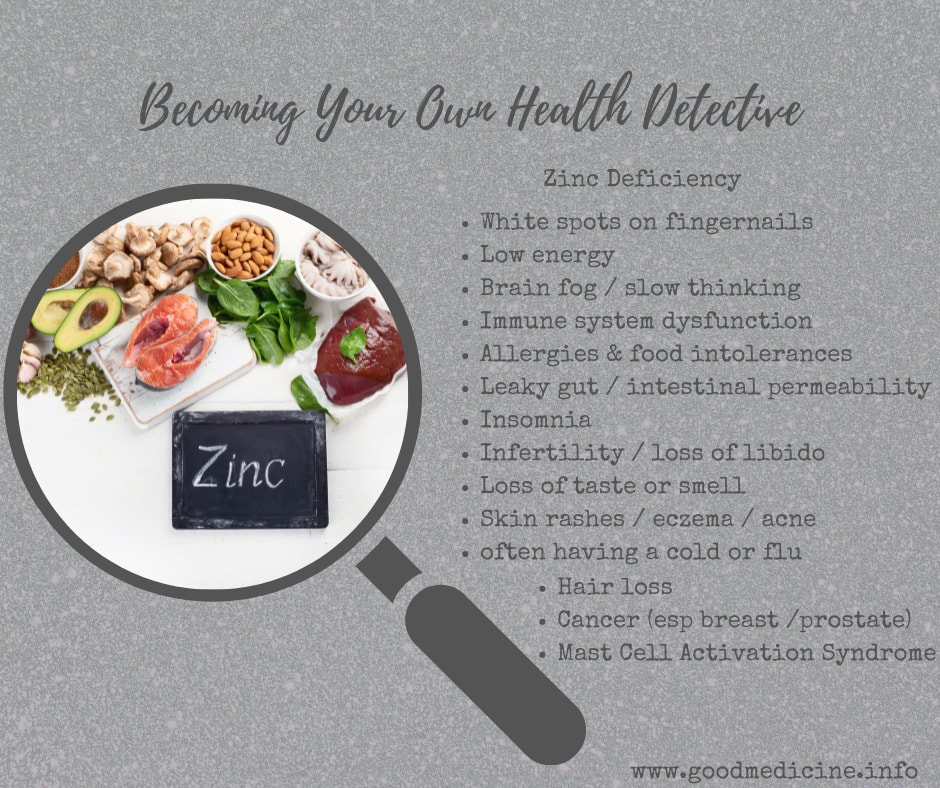
‘Tis the season to chat about zinc (or lack thereof!). Frankly, we should have had this discussion two years ago…..better late than never, right? First, take a close look at the clues I dropped in the graphic, and then hop back here to tackle this very important topic!


Approximately 25-33% of the population is deficient in zinc. The World Health Organization says zinc deficiency is the 5th leading life-threatening factor in the world, especially in 57% of the elderly population.  Kind of a big deal for a micronutrient! At least 16% of all deep respiratory infections are related to a zinc deficiency (impaired taste and smell, fever, cough, sore throat, generalized weakness, pain and achy limbs, runny nose, and even occasionally…. diarrhea😬 are all symptoms of deficiency btw).


Why? Zinc is one of the white hat good guys . It has over 200 known roles in body function (just take a look again at some of the clues related to low zinc), and is a key player in our immune system:
✅Adequate zinc is essential for preventing viral entry and also supports appropriate viral response in host cells.
✅Adequate zinc supports ciliary strength and action in the lungs. These are tiny hairlike structures in the lungs that help prevent mucus buildup.
✅Adequate zinc levels directly inhibit viral replication.
✅Adequate zinc levels have a supportive role in balancing immune response during a dis-ease process. 


Additionally, 🔥zinc deficiency🔥 has been shown to play a role in:
🔥Type I Diabetes
🔥Rheumatoid Arthritis
🔥Cancer
🔥Neurodegenerative diseases
🔥Depression
🔥Malaria
🔥HIV
🔥Tuberculosis
🔥Measles
🔥Pneumonia
🔥Hormone imbalance


Zinc Factoids: 
👉Excess is not stored in the body. Intake must occur daily. 
👉Both deficiency and excess can negatively impact immune system function. This is but one reason to have thorough blood work run by a healthcare professional who will take the time to do a complete analysis. 
👉Zinc “overload” is rare, but can certainly happen. When it does, it is usually  due to a copper deficiency or zinc:copper ratio imbalance. (again, labwork!)


How did we become a world of zinc deficient people? Toxins and poor farming practices. Overworked soil and fertilizers containing too much phosphorus (which binds zinc) are to blame. Zinc cannot enter into the plants and then fails to make it into the food chain.


High toxin☠️exposure is also to blame. Just one more excellent reason to kick your known household toxins to the curb (toxins typically found in mainstream cleaning products, personal care items, processed foods and beverages, makeup etc).

Thankfully, we have solutions in place🙌 with Young Living Thieves Household Cleaner, a wonderful skincare line, and even our amazing YL Savvy Makeup collection. Kicking toxins to the curb is so easy knowing that pure unadulterated excellence is waiting to replace them!


Other causes of zinc deficiency:
🔥Chronic stress (depletes zinc rapidly)
🔥A high copper to zinc ratio
🔥Leaky gut and digestive disorders (zinc deficiency is both cause and effect!)
🔥Medication usage: ACE inhibitors (blood pressure), antacids and proton pump inhibitors, glucophage, beta blockers (blood pressure), birth control pills, corticosteroids, diuretics, NSAIDS, and statins are among those known to deplete zinc.


The USDA recommended daily allowance for zinc is 10-12 mg/day, but this does not account for the amount of toxins a person may be regularly exposed to. Many functional medicine doctors suggest that optimal daily zinc should be 20-40mg/day. 


Foods high in zinc include pumpkin seeds, grass fed dairy (ex: Kerrygold Butter) , cashews, almonds, spinach, asparagus, dark chocolate, grass fed meat, salmon, mushrooms, and turkey.


Thankfully, we also have several Young Living Supplements containing zinc to supplement what we may get from food:
*Organic dried Wolfberries (1.8mg per 100gms)
* Immupro chewable tablets (5mg/tablet)
*Super B (3mg/2 tablets)
*Powergize (5mg / capsule)
*Balance Complete (4mg/ serving)
*AminoWise (2.1mg/ serving)
*Master Formula (15mg/packet) 
*MegaCal (1mg/serving)
*MightyVites (for the littles….. 1.1mg/tablet) 
*Mineral Essence (contains Zinc and 61 other important trace minerals)
*NingXia Red (contains zinc by virtue of its ingredients. I was unable to determine how much zinc it has per serving)


It’s a good idea to achieve the RDA minimum requirements on a daily basis (especially since zinc is not stored in the body!). My personal preference is to try to achieve the optimal recommendations by way of the foods I eat, and then supplementing with a variety of what is available to us with a Young Living membership. Immupro and Master Formula are two of my faves!   In the event of illness, a larger mg/day may be needed.


Finally, there is a test you can do at home. It’s called a zinc tally/challenge (you can find more info on this online). It is an oral “taste test”. What you taste (no or weak taste versus a strong metallic taste) is an additional clue for the “health” of your zinc levels. 


As always, do your research, and consult your favorite healthcare professional who should be well versed in analyzing blood work if you suspect you may have a zinc deficiency.
xoxo~ liz

#sharingiscaring
#ThanksYL
#watchyourzinc
#Goodmedicine
(PS: if you do not have a health care professional, I do offer blood work analysis)
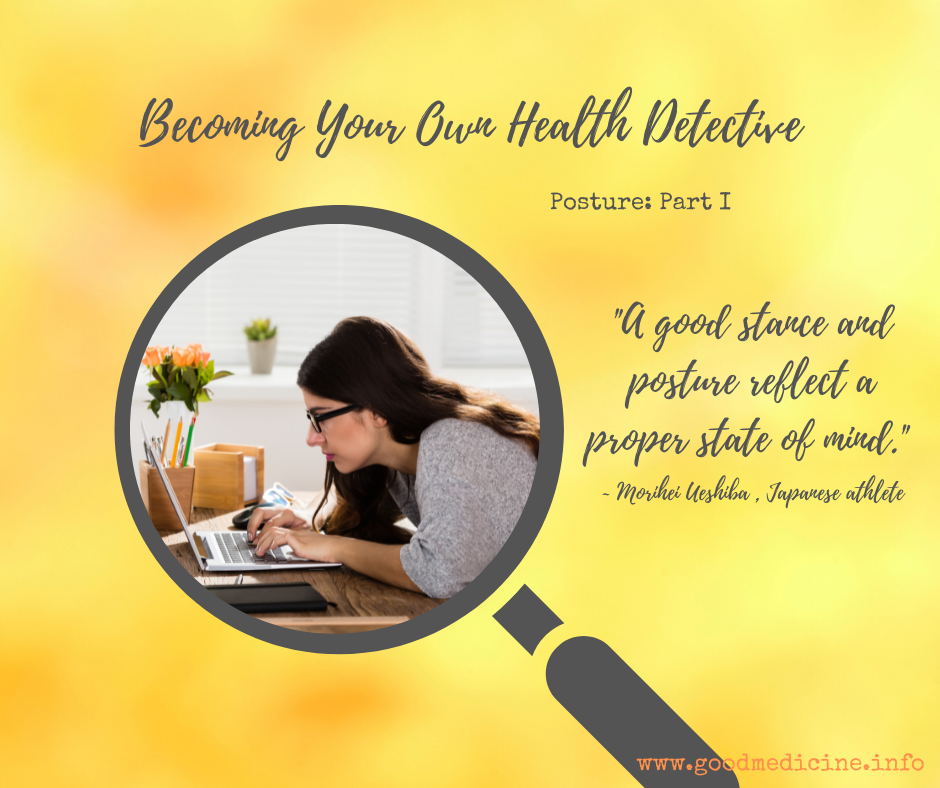
What Does Posture Say About Your Health -part 1

Liz James · August 31, 2021 ·


One of the most outwardly noticeable clues to the state of both physical and emotional health is posture.


Let’s stop here and do a quick assessment before getting into the how’s, what’s and why’s with this simple at home test:
1.Stand with your back next to a wall, with heels 2-4 inches from the wall. The back of head, shoulder blades, and bottom are all touching the wall.
2.Look (or feel) for correct lower back curve. You should just barely be able to slide your flat hand between your lower back and the wall. If there is too much space, bring your belly button inwards towards your spine.
3.Now, walk away from the wall holding correct posture. Return to the wall after a few minutes and see if you have maintained proper alignment. 
How’d it go for you?😀 If you’ve got some work to do, you’re not alone…. Poor posture is a modern day epidemic with enormous long term ramifications. 


*Why is posture so important? Simply put, a properly aligned body is considered a prerequisite for a healthy life! Think of a crooked little house. It’s outward appearance is evident, and undoubtedly its crookedness promises cracked walls and foundation, probably some leaky pipes, and maybe even an electrical fire somewhere in its future if the crookedness goes uncorrected. Over time, the crooked house will become more dilapidated until it eventually becomes uninhabitable. You’ve seen these houses. They look sad.


*Posture is one of the first things people notice in others… without even noticing they’re noticing!  Posture outwardly portrays mood, emotions, health, and confidence level and is a key player in first impressions.
A 2004 study in the Journal of American Geriatrics👵👴 found that people with excellent posture tend to live longer than those with poor posture. Like the crooked little house, there is much more going on inside our “walls”.


*Poor posture (standing or sitting) leads to stiffness, pain, and increased likelihood of injuries. Perhaps this is because good posture is associated with better flexibility and balance. 


*Chronic poor posture often leads to arthritis and tendonitis.


*The state of one’s posture has a profound effect on the heart, lungs, brain function, immune system, and digestion.


*Poor posture results in excess energy utilized to simply “be”. This means less energy is available for healing, metabolism, and the brainwork of thought and meditation. 


*Slumping posture stretches the spinal cord and corresponding nerves. Remember that crooked house? This stretching of the nerves causes chronic stress, causing them to misfire, like a frayed or kinked electrical wire. Chronic slumping eventually leads to demyelination of the involved nerves. (Imagine how well a poorly insulated electrical cord works).


*Plumbing issues may result. Incontinence is often a problem in those with years of poor posture.


*Poor posture also adversely affects lung function.


*Poor posture plays a significant role in chronic pain and the effectiveness of pain management. 


Problems associated with poor posture include:
💥Headaches
💥Jaw pain
💥Back, hip, knee, and foot pain
💥Shoulder pain
💥Fatigue and breathing problems
💥Compressed organs (which makes it hard to digest food properly)
💥Exacerbation of lung conditions
💥Anxiety, panic attacks, and emotional disorders 
💥(A precursor to) cardiovascular issues


Posture is foundationally important to our health. Stay tuned! Part II will give you tools and suggestions for improving your posture. In the meantime, one of the best ways to improve posture is to move and move often! 💃


What’s your favorite oil that gets you moving? Mine comes in a can 😁 …. Lime and black pepper…. NingXia Zyng! Have you tried it?
xoxo~ liz

#sharingiscaring
#goodmedicineishowweholdourselves
#ThanksYL
#goodmedicine

Covid 19, Gut Microbiome, and Glyphosphates

Liz James · August 21, 2021 ·

For those of you who like to dive a little deeper, this article is for you😘. 
The application of knowledge is power. Don’t let what you learn go to waste!
xoxo~ liz

covid-19,gut microbiota,glyphosate

Health Clues from Your Feet -part 2

Liz James · July 27, 2021 ·

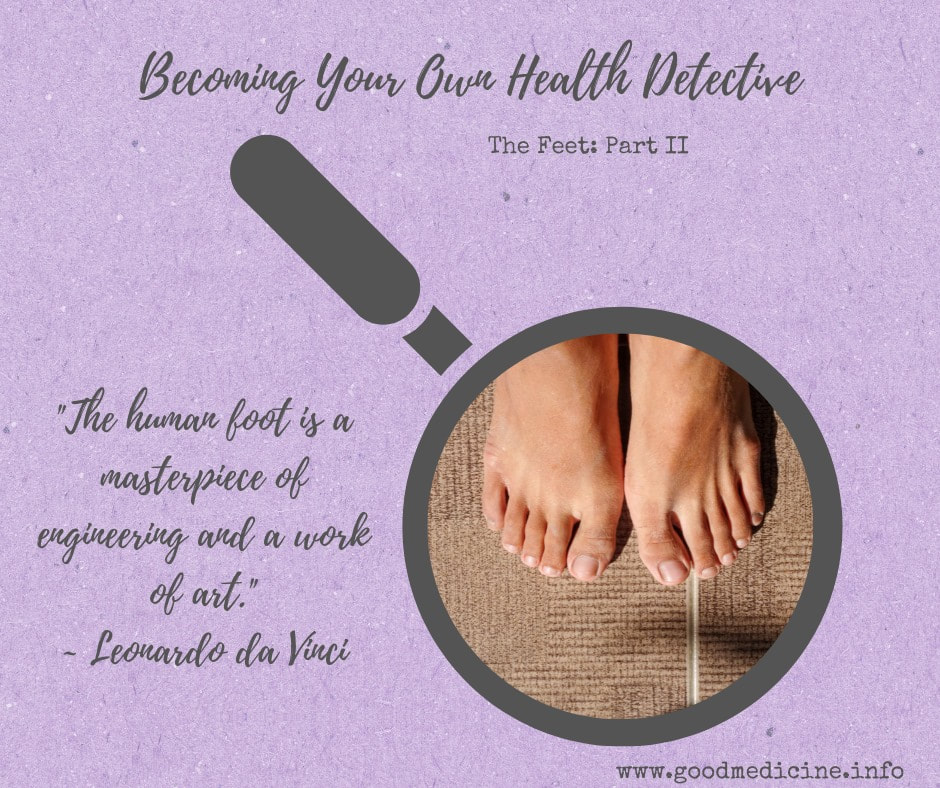
Before we move on to foot clues you feel internally, I wanted to touch briefly on the toenails. If you’ve been hanging with me this long, you may remember we spent quite some time on fingernail clues. Fingernails and toenails share many traits, and you may want to go back and revisit those posts for expanded details on your distal digits. Very briefly, these are some of the “biggies” for the toes:
*Clubbed toenails – often a sign of lung, heart, liver, or digestive disorders. Poorly oxygenated blood is usually the causative agent for curved nails. 
*Yellowed toenails – usually related to a fungal infection, but if most or all toenails are involved, look for other clues including swollen feet or ankles. Paired with lower extremity swelling, more toenails become involved and the nails appear to get thicker or seem to detach. These telltale tips may also involve clues related to lymphedema, lung disease, or autoimmune disorders such as psoriasis or rheumatoid arthritis. 
*Spoon shaped toenails – frequently a sign of iron deficiency or frequent exposure to petroleum based solvents. Know that there are  “clean” nail polish and nail polish removers available, and using them instead of toxin laden products is one more way to support healthy liver function! 
Chronically cold feet is a clue indicating impaired circulation. Decreased blood flow is commonly linked to smoking, heart disease, diabetes, anemia, digestive disorders, or hypothyroidism. Exercise and deep breathing techniques are two ways to improve circulation. Our bodies are designed to move, not to be still.😉
*Heel pain or pain that radiates from the heel to the arch of the foot (plantar fasciitis) is often a result of inflammation of the ligament attached to the heel bone which runs along the arch of the foot. Plantar fasciitis is often said to be most painful in the mornings. Heel pain alone may suggest arthritis, excessive exercise, or a possible bone spur. 
*Have you been told that you have (or had) stress fractures in your feet?. This is one of the most common injuries seen by our active duty military men and women in training, and is also fairly common in civilian life.  Though contributing factors include improperly fitted boots, carrying heavy loads regularly, and intense exercise, the biggest factor is improper nutrition leading to weaker bones. Very often, stress fractures in the feet can be a clue for osteopenia / osteoporosis if bones are not given the proper nutrients to thrive.
Young Living’s Super Cal Plus is a wonderful supportive tool for bones that need a little extra TLC! It contains Magnesium, calcium, Vit D3 and a thoroughly helpful blend of micronutrients, herbs, and essential oils. You’ll want to remember this supplement when we chat about foot and leg spasms here in just a little bit too!
*Perhaps you’ve had a random but sudden and severe pain in your big toe? This is a pain that appears “ “magically” (if you’ve experienced it, you know what I’m talking about!), and may leave you wondering how you broke your toe but didn’t know it….. It’s THAT painful! 😳Years ago, gout was considered a rich man’s disease because of the rich diet that often precipitates a flare.  Foods and beverages that may aggravate gout include alcoholic beverages, shellfish, bacon, beef, and broccoli, but the worst culprit of all is sugar in all forms, but especially high fructose corn syrup. Gout flares may also be linked to certain medications. Diuretics and certain blood pressure medications in the ACE inhibitor family,  are two of the more common ones. 
*Regular foot spasms are another wonder filled clue with several possibilities. Poor circulation, dehydration, an imbalance in potassium, magnesium, calcium, or vitamin D are all potential thieves of ease.  Thyroid disorders and a sharp change in hormone levels (as is seen in pregnancy) are other potential causes. There are soooooo many medications that can cause a metabolic imbalance resulting in regular foot and leg spasms.  Any medication that depletes any or all of these nutrients often leads to foot and leg spasms unless the deficiency is remediated.
Medications  known to do this include:
💊Acid blockers/reducers (for the stomach)
💊Many common antibiotics ( the quinolone class especially)
💊Many blood pressure medications
💊Steroids 
💊Birth control pills
💊Certain maintenance meds used for breast cancer
💊A high sugar diet (yes…. Sugar may be defined as a drug!)
*Leg spasms are often diagnosed as restless leg syndrome when in reality, it’s more often than not a simple deficiency in potassium, magnesium, calcium, or Vit D that may be easily remedied with proper supplementation. In my experience as a pharmacist, I’ve found the most common culprit to be a magnesium deficiency, especially if the spasms are in the lower legs. Remember, the body is giving massive clues and not a single clue is ever an indicator that it is “deficient” in a medication.
*Generalized pain, tingling, or a burning sensation of the feet affects over 20 million people in the United states, and the clue field is a vast one. This particular clue is the result of damaged nerve fibers. Damage may happen in a myriad of ways, but the most common cause is diabetes followed by alcohol abuse. Other potential causes include chronic kidney disease, chronic hypothyroidism, lyme disease, or a vitamin B12, folate, and/or B6 deficiency. The B vitamin family is critical for nerve health, and Young Living’s Super B is a stellar opportunity to support unhappy (and perhaps malnourished) nerves. 
Medications that rob the body of a variety of B vitamins include:
💊Acid reducers and antacids
💊Many blood pressure medications
💊Bronchodilators (example: albuterol)
💊Many diabetes meds including metformin (do you see the irony here?)
💊Birth control pills
💊NSAIDS
💊Certain medications for Parkinson’s Disease 
Oftentimes,  clues can certainly be found in a pill bottle, once you start to understand the cause and effect and even put together a timeline of when the clue appeared. This is why it is so important to keep a health journal, especially when multiple clues make themselves known. Think of it as writing your personal detective story!
Our body rarely deceives us! 
xoxo~ liz
#caringissharing
#footcareisgoodmedicine
#knowyourfoundation
#goodmedicine
#ThanksYL

Health Clues from Your Liver part 3

Liz James · July 6, 2021 ·

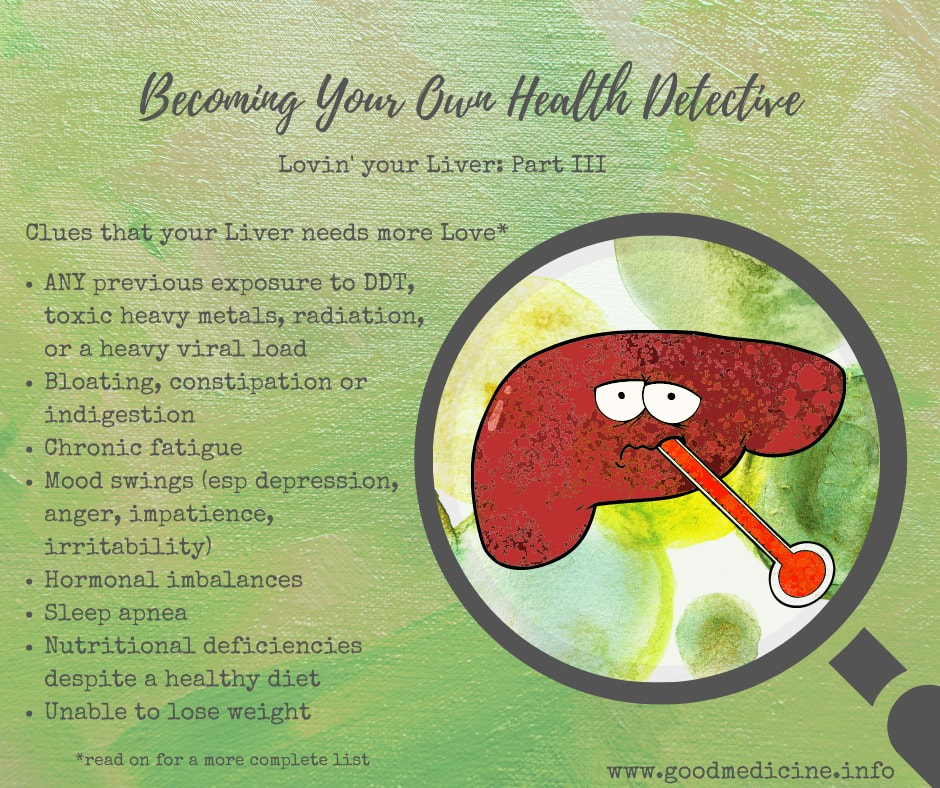
We think of the liver as the body’s main ☢️☣️detoxifier, and THAT it is for sure. Did you notice that the liver is also a storehouse with many rooms? We all have at least one junk drawer, or junk closet in our homes, right? If you were to take a tour of the liver, you’d find nicely organized “rooms” filled with glucose and glycogen (for energy), vitamins, minerals and other nutrients as well as helpful hormones and phytochemicals to be released and used as needed.


Deep inside the liver lies the body’s “junk closet” where it keeps it’s darkest stash of the truly “bad boy” toxins☢️☣️. The liver is not a hoarder… quite the opposite! It is doing its best job getting rid of trash and debris as fast as possible. Sometimes, either the liver can no longer keep up with what the body is exposed to, or the toxin is so nasty that the liver throws it immediately into the far corner of the junk closet.


What kind of junk might you find in the liver’s junk closet?
☢️Petroleum products (including those found in mainstream household cleaners and personal care products)
☢️Pesticides, herbicides, and fungicides
☢️Aspartame (you may know this as the artificial sweeteners NutraSweet and Equal)
☢️MSG (monosodium glutamate, a flavor enhancer commonly found in Asian food, canned vegetables, soups, and processed meats)
☢️Viruses and virus waste materials
☢️Certain medications (including opioids)
☢️Toxic heavy metals


If the liver didn’t do this, we’d be a walking hot mess, and frankly, we probably wouldn’t live long or productively as the brain, heart and other organs wouldn’t be able to tolerate the exposure.


We are built incredibly uniquely, and our livers all work in varying degrees according to our genetics and epigenetics (the environment we are exposed to). Many people have genetics that inhibit methylation. Methylation is a chemical process that enables the body to receive, absorb, and utilize key nutrients we get through eating, drinking, and living in a “clean” manner…..ie: lots of fresh unprocessed foods and fresh filtered water and spending time in the sunshine!
Methylation occurs in the liver in tandem with the ileum (the last little bit of the small intestine). If either the ileum or the liver is impaired, methylation cannot occur efficiently. Vitamin B12 is critical to efficient methylation. If you have not yet incorporated 👉Young Living’s Super B👈 into your daily supplement routine, I encourage you to give it a try and see if you don’t notice a difference!


When the “junk closet” of the liver has hit its overflow and begun filling the hallway, the methylation process is affected. However, when you also add in a liver specific virus….one that is in the herpetic family (shingles, HHV-6, cytomegalovirus, Epstein Barr)…. The real trouble starts. Viral waste buildup is one of the most problematic to the liver and B12 levels will slowly begin dropping in the body. Additionally, the liver’s “ junk closet door” has now burst open and virus byproducts are now in the bloodstream causing inflammation within the body, dermatoxin related rashes, and brain fog.


Major clues indicating the liver is waving the white flag are on today’s graphic, and there are many more. Remember, the liver performs hundreds (if not thousands! ) of tasks. If the liver fails to deliver and the task is incomplete, something didn’t happen in the body that should have. Slowly over time, these incomplete tasks will begin adding up until eventually you have a clue so big, you’ve had to make an appointment with your favorite health professional😬.


Other clues indicating significant liver burden include:
🔎Random aches and pains : The liver purifies blood and produces new blood. When not enough “clean” blood is available to reach tendons, muscles, and other tissue, it may result in decreased flexibility, pain in upper back, and even dry eyes!
🔎Non-alcoholic fatty liver disease (NAFLD) : may show up as random pain in the back or on the upper right side of the abdomen, kidney, or shoulder blade (referred pain).
🔎Spider Veins: If the liver cannot properly clean the blood, then clotting issues near the surface of the skin result.
🔎Darker Urine (see a health professional please!)
🔎Darker Emotions: An unhealthy liver exacerbates predisposition to depression or negative mood swings.
🔎Gout
🔎Eczema, psoriasis, skin rashes, breakouts, or itchy skin
🔎Allergies and asthma
🔎Bad breath
🔎Fibromyalgia
🔎Fluid retention
🔎Headaches
🔎High blood pressure
🔎High cholesterol
🔎Erratic blood sugar or diabetes
🔎Compromised immune system (including autoimmune disorders)


Once the liver “junk closet” is full…. It’s full and unless someone starts a cleanup process, the spillage will only continue. Have you ever cleaned the house while someone went right behind you and tracked in more dirt, left dishes in the sink, and oh…. Forgot to flush all the toilets?😱 That’s what the liver feels like if it’s burdened to the point of overflow and someone decides to clean it up on the inside, but does not stop exposure to all of the petrochemicals (standard household, personal care, and skin care toxins), pesticides, processed foods, contaminated water, etc.

If you have not yet ditched your liver saboteurs, I encourage you to begin today. 🌿Thieves Household Cleaner, the entire line of Young Living body and personal care, and Savvy Minerals cosmetics are all liver friendly! 🌿


Thankfully, the liver is incredibly resilient and forgiving with the right care and TLC, and is able to regenerate itself and regain function. It can do this even when it’s been compromised by more than 60%. The caveat to that factoid is this: permanent and thorough damage cannot be undone…..precisely the reason we want to avoid walking to the end of that road.
Happy liver, happy life!
xoxo~ liz

#knowbetterdobetter
#healthcluesyoucanuse
#goodmedicine
#ThanksYL
#loveyourliver

  • « Go to Previous Page
  • Page 1
  • Page 2
  • Page 3
  • Page 4
  • Page 5
  • Page 6
  • Interim pages omitted …
  • Page 10
  • Go to Next Page »

Book Your Health Coaching CallBook Now

Elizabeth James

469.425.9091

ebj0203@gmail.com