• Skip to primary navigation
  • Skip to main content
Book Your Health Coaching Call
Good Medicine

Good Medicine

Holistic Health Coaching

  • Home
  • Liz James
    • About Liz
    • Coaching
    • Book a 20 Minute Complimentary Coaching Call
  • Favorite Resources
    • BlessedByHisBlood
    • Young Living
    • Fast Like A Girl Certified Coach
    • Order supplements through my Fullscript store
    • Green Pasture (Coupon: Health10)
    • RogersHood Apothecary (Coupon: BEABLESSING for 10% off)
    • DolphinMPS
    • Company
    • Abundance
  • My Books
    • Becoming Your Own Health Detective Volume 1
    • Becoming Your Own Health Detective Volume 2
  • Blog
  • Cart

Digestive System

May Day Young Living Gifts

Liz James · May 1, 2023 ·

When I was little we celebrated May Day! (Did anyone else do this?) We would make little handmade baskets out of paper and milk cartons, and then fill them up with candy and flowers and go hang them on the doors of older people and people who might be lonely (we would ring the doorbell and then run off and hide and watch them be surprised by their little gift).
 
This month’s Young Living gift with purchase is kinda like that! I LOVE LOVE LOVE when they gift us supplements or other products we maybe have never tried. About 9 years ago, they gifted a bottle of Sulfurzyme as part of the Monthly Freebies…… and it changed MY life (and health trajectory for my bladder…. among other points of inflammation in my body).
 
Don’t miss out on those free Loyalty Rewards Points (10…. just for placing an LR order! Remember points = cash for products you already use and buy anyway!)
Citronella…… I keep a bottle of Citronella in the Laundry room (I use it on my dryer balls in the summer…. it is a fresh scent, and it helps keep the mosquitoes and biting bugs away….. if you have an outdoor kitchen or spend a lot of time on the patio… put a diffuser out there. It’s WAY healthier than the toxic chemicals that are used to do the same thing. Citronella is known to repel spiders, gnats, fleas, and mosquitoes. A great recipe for naturally repelling pests from your garden plants…. ( 1 tsp castile soap, 10 drops peppermint, 10 drops rosemary, 10 drops citronella, 10 drops lemongrass, and water in a 16 oz spray bottle. Mist the leaves and stem of the plant🌿 every 5-7 days)
 
DiGize….. Such an important oil blend for keeping the digestive system happy. For many people, DiGize was the “aha” moment that essential oils are a valuable tool and should never be left out of a first aid kit. If indigestion is a “thing” for you, try a little dab in your belly button 😉. Can I see a show of hands on those who have back walked out of some 😵🤢🥴moments thanks to this blend?
 
Detoxzyme is a fantastic companion to DiGize. Sooooooo many people don’t understand that their digestive woes are often partially the result of insufficient digestive enzymes. Such an easy fix! Detoxzyme is helpful in the digestive process, and it’s formulated to be extra helpful if you are interested in improving your elimination of toxins. It can be taken regularly to assist in the process. PRO Tip: Before going to bed, load up on Detoxzyme…. the liver is most active at night, and you’ll drop more toxins laden 💩 in the toilet the next day!
 
Rose Ointment…… I’ve heard so many beautiful skin-healing stories about this helpful tool! It is deeply soothing for dry, irritated skin. I’m sure you’ll find it one you reach for as part of your skin TLC toolbox!
 
Have a great day friends! Which gift are you most excited about?
xoxo~ liz
 
(PS: If you are not yet enjoying the benefits of Young Living products ….. or freebies!… but would like to be, I’d be honored to be your navigator and guide! Here’s a link to join me and get personalized education in the process: https://bit.ly/3oFccZj )


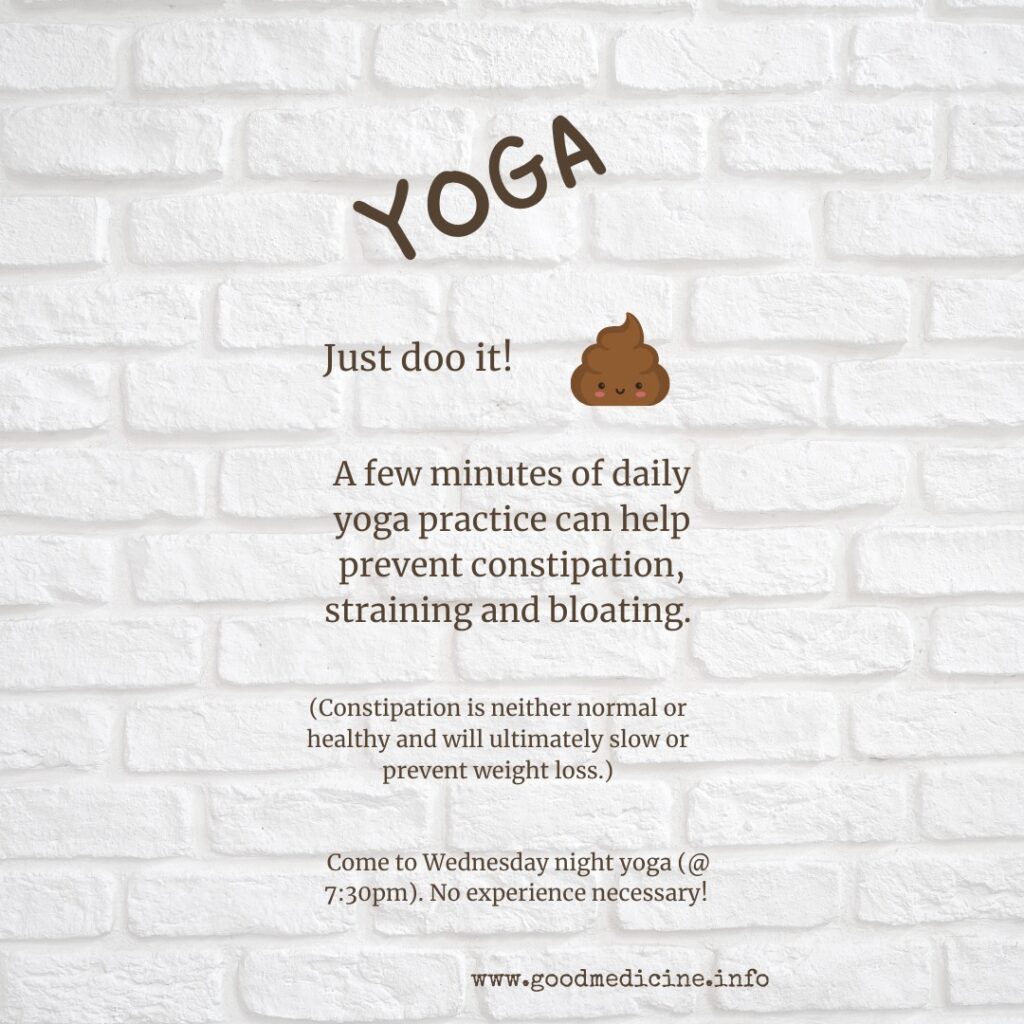
Yoga for Constipation!

Liz James · March 15, 2023 ·

We talk about a lot of things in Yoga…. and 💩 is one of them! Yoga is one holistic tool to help get your digestive system moving more regularly. If someone isn’t having daily (normally formed) bowel movements, this is a guarantee that the rest of the body will not perform optimally.
 
Come to yoga…. it may be just what you’ve been missing!
Wednesday nights @ 7:30pm …… message me for details (Walk-in’s always welcome!)
#McKinneyFBBCYoga
#constipationaintnaturalfolks
#dumpthosetoxins
#BYOHD
#becomingyourownhealthdetective
 
See you on the mat!
xoxo~ liz

Fecal Immunological Testing or Colonoscopy?

Liz James · March 8, 2023 ·

I’ve been involved in several client, family, and friend discussions over the last couple weeks on colonoscopies. 🤓 This is another procedure we are expected to partake in as we age. While there is a time and a place for Western Medicine (and colonoscopies), I offer up this information:
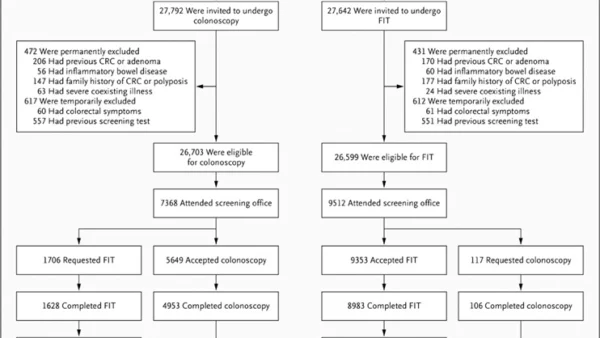
There are a growing number of studies whose outcome suggests that having fecal immunological testing was AS EFFECTIVE as a colonoscopy (and without the risks) in people who are considered low risk (people with no prior history of colorectal cancer, no dark stools 💩 or rectal bleeding etc). Here’s a quote from one of the studies :
” The most relevant result of this interim analysis is that one-time screening with FIT was very similar to one-time colonoscopy with respect to the rate of detection of colorectal cancer, and there was no significant difference in the stage of tumors detected by the two strategies. ” Certainly, the colonoscopy will catch adenomas (which are benign fatty deposits), but again, this isn’t without risk.
https://www.nejm.org/doi/full/10.1056/NEJMoa1108895
Cologuard is a prescribed product, so you’ll need your doctor’s support in this approach. In my professional opinion, it is worth investigating.
https://www.cologuardhcp.com/resources…
NEJM.ORG
Colonoscopy versus Fecal Immunochemical Testing in Colorectal-Cancer Screening | NEJM
Original Article from The New England Journal of Medicine — Colonoscopy versus Fecal Immunochemical Testing in Colorectal-Cancer Screening

The Southern Side of the Endocrine System: Pancreas Part I

Liz James · August 24, 2022 ·

 
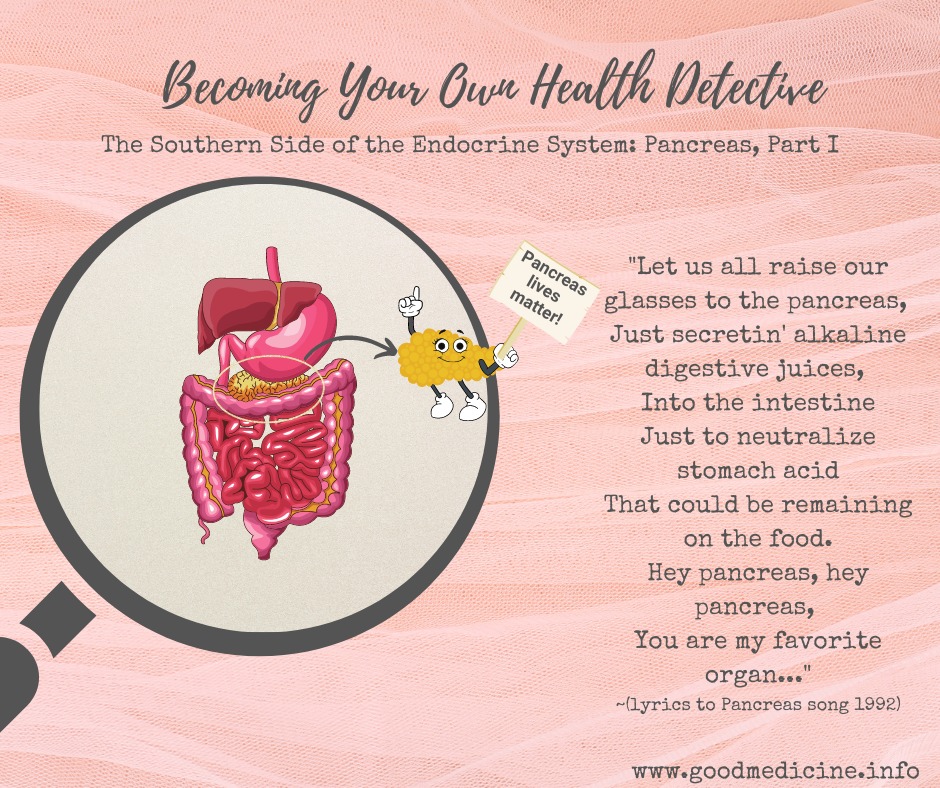
“The pancreas is my favorite organ.” Says no one (almost) ever. Seriously.
 
Unless someone has an existing pancreatic malady, this is one organ that gets very little attention. That’s a shame too… because with the exception of the rarer cases of genetics, infection, or blunt force trauma, nearly all pancreatic dysfunction is self induced. It’s time to bring this odd little organ out of its sandwiched space between the stomach and small intestine and figure out what makes it tick and tremble.
The pancreas has two main jobs: to produce chemicals which help regulate blood sugar, and to produce enzymes which help further digest food and bicarbonate which will further neutralize any stomach acid that has found its way into the small intestine. For being a rather underappreciated organ, if any of these tasks falls by the wayside, there are big consequences.
 
Pancreatitis (both chronic and acute) accounts for more than 360,000 hospital stays each year…. A number that continues to rise.😢
The lifetime risk of pancreatic cancer is currently 1 in 64 ….. A number that continues to rise.😢
The lifetime risk of acquiring diabetes is now roughly 1 in 3 adults….. And that number too has only continued to rise.😢
 
The problem is that the pancreas squeaks out tiny little “help me’s”, and few people take the time to learn and put clues together and then go on to correct the course of personal health history. True, the clues are not necessarily ones that will beat you over the head with a two by four, but they ARE there, nonetheless, and only you, the astute sleuth will likely see them or feel them.
 
Have you ever been out to eat with someone who won’t sit with their back to the door? Chances are, they have been well trained🧑‍✈️ to observe their environment so they won’t be taken off guard by an offender who has ill intent.
 
This is how we guard the pancreas… watching for environmental clues that endanger that little organ, and then blocking their entry into our personal space that we do have control over. None of us wants to be the 1 in 3, the 1 in 64, or the 1 in 100.
 
Environmental contributors to pancreatic distress include:
🔎Heavy alcohol consumption or diagnosis of cirrhosis
🔎A high fat, heavily processed food diet
🔎Obesity
🔎Tobacco products
🔎Abdominal surgery where the pancreas may have had interrupted blood supply
🔎Nutritional deficiencies including (especially) vitamins A, D, E, and K and selenium
🔎A history of infection such as hepatitis, Epstein-Barr Virus (Mononucleosis), Lyme disease, or Cytomegalovirus.
🔎A prior history of autoimmune disorder: especially celiac, irritable bowel disease, psoriasis, rheumatoid arthritis, lupus, or Sjogren’s Syndrome.
🔎A history of gallstones
🔎Lab work that reveals high triglycerides
🔎Abdominal trauma
🔎Damage to specific molars (those that are pertinent to pancreatic health and wellness… go back and re-read Chapter 7 in BYOHD Volume I)
🔎Long standing emotions and feelings closely associated with pancreatic distress including: guilt, shame, insecurities, frustration, joylessness, fear of rejection, and lowered self esteem.
🔎Many medications: More than 500 drugs have been reported by the World Health Organization database as causative agents for pancreatic distress. Common offenders include synthetic estrogens (birth control pills and hormone replacement therapy), opiates, steroids, many classes of antibiotics, diuretics furosemide and HCTZ, acetaminophen, and the blood pressure medication enalapril. The vaccinations formulated to prevent mumps (MMR and MMRV) have also been implicated in causing complications with the pancreas in some people.
Perhaps there hasn’t been a vigilant awareness until now, and the environmental offenders have already gotten through the door and gotten a little rowdy with the pancreas, and it’s been roughed up a bit. What would that look like?
When you have a handful of the following clues, you can be fairly certain they have been up to mischief that needs help or correcting.
🔎Diarrhea or bloating
🔎Unexplained weight loss
🔎Signs of malnutrition (lab work can identify this)
🔎Oily, foul smelling stools that are clay or pale in color and tend to float
🔎Poor blood sugar control
🔎Blurred vision
🔎Occasional abdominal pain that worsens after a high fat meal
🔎Occasional abdominal pain that may be worse if lying flat on the back
🔎Fatigue
🔎Chronically dry lips (according to Chinese medicine)
 
Do not hesitate to contact your favorite health professional if you’ve checked the majority of these clues or also have fever or unrelenting abdominal pain!
Thankfully, there are MANY things that may be done to support a healthy pancreas:
💜Eat a healthy varied diet rich in fruit and vegetables, white fish and meats, grass fed beef, foods high in iron, foods that are rich in antioxidants….. Cherries, blueberries, spinach, YL wolfberries, tomatoes, bell peppers, NingXia Red.
💜Incorporate digestive enzymes into your daily routine. (Amylase, lipase, and protease are commonly referred to as pancreatic enzymes, and are found in Essentialzymes-4, Detoxzyme and Allerzyme, or pancreatin and pancrealipase found in Essentialzyme.
💜Avoid opiates as a source of chronic pain management. There are MANY more effective ways to manage pain including scientifically proven meditation, relaxation exercises, acupuncture, yoga, and massage. Supportive supplements to consider include Sulfurzyme, BLM or Agilease, and Golden Turmeric, and essential oils PanAway, Deep Relief, Frankincense, Palo Santo, Helichrysum, Dorado Azul, Valerian, Peppermint, Copaiba, and Idaho Grand Fir. Reishi mushrooms ( found in NingXia Greens and Immupro) help support normal inflammatory and immune system response, especially when used with regularity.
💜Support the pancreas nutritionally with OmgaGize3 (for Omega 3’s), and an excellent multivitamin ( Master Formula ) that contains selenium, and vitamins A, D, E, and K and Vitamin B12 (Super B).
💜Incorporate MCT (Coconut oil) oil into the diet. It doesn’t burden the pancreas the way many other oils do, and it has properties which are helpful to inflammatory conditions.
💜Green Tea (found in Young Living’s Vanilla Lemongrass Tea)
💜Achieving and keeping a healthy weight. Remember, this is a marathon, not a sprint. Often simply losing 5-10 lbs is extraordinarily helpful to pancreas function.
💜Keep a close eye on triglyceride levels (optimally, they should be between 50-90mg/dL), and adjust the diet accordingly.
💜Add natural sources of glutamine into the diet: bone broth, grass fed whey protein, grass fed raw dairy, venison, organic poultry, spirulina (found in both Multigreens and NingXia Greens), cabbage, asparagus, and broccoli.
💜Improve levels of melatonin in the body! (Immupro or Sleep Essence if supplemental help is needed). There are some compelling studies on the protection melatonin appears to give to the pancreas.
💜Increase intake of antioxidants (easily done with NingXia Red or NingXia Greens)
💜Alkalinize the body with Apple Cider Vinegar and/or Alkalime
Pancreatic Insufficiency, Pancreatitis, and Pancreatic cancer are all three very stealth dysfunctions. The obvious problem with stealth is that they are able to cause a fair bit of dysfunction before the problem is large enough to warrant medical attention. Chronic inflammation of the pancreas is a leading cause of pancreatic cancer, and this form of cancer has a very poor survival rate. All the more reason to keep your pancreas well loved and protected. Taking a quick glance at your stools💩 before they go down the porcelain highway and doing an honest environmental and habit assessment is so important!🧐
 
Roughly 98% of the pancreas is devoted to the job of supplying the body with digestive assistance. The other 2% is devoted to managing blood sugar levels…. And that’s what I’ll bring to the table next: the pancreas and diabetes.
xoxo~ liz
 
#goodmedicine
#becomingyourownhealthdetective
#pancreaslivesmatter
#ThanksYL
#cluesyoucanuse
#BYOHD

Clues From Our Thyroid – part 1

Liz James · March 22, 2022 ·

Thyroid disorders are like🦎 chameleonic villians. They look different in every person, and their characteristics may change according to their environment. Thyroid disease is a master of disguise! This is important to understand
 

 Two key reasons:

  1. Innocent until proven guilty. It’s estimated that perhaps 18-25% of women have an underlying thyroid disorder (It’s somewhat less common in men). This still means that 75-82% of us (women, for statistical ease) do not. Become well acquainted with your body so that you may better decipher the clues you are being given, and remember that there are many possible causes for almost every clue the body gives. Cluster clues for the win!
  2. Thyroid disease is overwhelmingly mistaken and/or overlooked in favor of other disorders (often mental health related) by the corporate owned medical community. Thyroid diagnosis often requires intuition (Holy Spirit discernment), patience, persistence, and attention to details. If you feel “off”, and yet your doctor tell you “everything looks good”…. Who do you believe? I hope you pointed a finger back at yourself just now. You believe what you know about your body and your refined detective skills!

Function of the Thyroid

While every little organ and gland of the endocrine system is important for stellar body function, very often the trail of tears leads back to the thyroid, the butterfly 🦋shaped gland located just below the Adam’s apple along the front of the windpipe. The thyroid’s function is to regulate all the processes of energy release on microscopic (cellular) and macroscopic (full body) levels. Because hypothyroidism (especially Hashimoto’s) is the predominant thyroid disorder, most of what I write about will be centered upon thyroid deficiency. Grab a mirror (you’ll need it for a few of them!) and your journal and take stock of your own possible crime scene.
 

Symptoms of thyroid deficiency might include:

  • Chronic fatigue or tiredness.
  • Muscular fatigue
  • Puffiness or evidence of fluid retention
  • Difficulty regulating body temperature (chronic feelings of being hot or cold. Recall the posts on body temperature)
  • Development of Reynaud’s Syndrome
  • Reduced pulse pressure and blood pressure
  • Heart rate fluctuations
  • Angina and/or feelings of breathlessness
  • Higher cholesterol. People with subclinical hypothyroidism often have higher levels of LDL cholesterol. Thyroid disease is a major contributor to cholesterol problems.
  • Arteriosclerosis (decreased elasticity of arteries)
  • Changes in bruising or clotting (generally, bruising will become more common)
  • Depression and/or anxiousness
  • Difficulty gathering thoughts, memory, focus and concentration
  • Headaches with unknown origin
  • Moodiness or lack of enthusiasm in life
  • Peripheral neuropathy
  • Carpal tunnel (there is a strong link!)
  • Random shooting pains in the hands and feet
  • Osteoporosis (chronic hypothyroidism can be a contributor)
  • Visual problems: dry eyes, age related macular degeneration, primary open angle glaucoma
  • Loss of the outer eyebrows
  • Chronic constipation
  • Increased incidence of gallstones (thyroid hormones affects the composition of bile and how well it flows)
  • Poor digestion of fats and proteins
  • Decreased stomach acid resulting in poorly digested foods (If this clue is on your radar, grab your YL Essentialzyme and give your body digestive support!)
  • Bloating, gassy
  • Small Intestinal Bacterial Overgrowth (SIBO)
  • Insulin resistance (and therefore) increased risk of developing Type II Diabetes
  • Thicker tongue, perhaps even with scalloped teeth marks on the sides of the tongue.
  • Changes in how food tastes.
  • Periodontal disease
  • Development of a husky or hoarse voice
  • Infertility or difficulty maintaining a pregnancy
  • Heavy periods (There is often a link between hypothyroidism and PCOS)
  • Sex hormone imbalances (progesterone, estrogen and testosterone in women)
  • Loss of libido
  • Postpartum depression (very common)
  • Premature menopause
  • Dry skin
  • Deep cracks and scales on the bottoms of the feet
  • Deep lines on the palms of hands or soles of feet
  • Yellowish orange or reddish color on palms of hands or soles of feet
  • Reddish spots, bumps, or rashes that come and go
  • Acne (often seen in conjunction with testosterone level disturbances)
  • Brittle, flaking nails or nails that fail to grow well
  • Hair loss (on the head) or gaining hair in all the wrong places elsewhere
  • Getting sick more often, especially upper respiratory tract infections and in women, persistent urinary tract infections.
  • Bedwetting in kiddos
  • Delayed wound healing
  • Gaining or losing weight without trying
  • Poor sleep
  • Iron deficiency anemia (roughly 50% of people with thyroid disease struggle with this)
That’s the bulk of this particular crime scene checklist. Thyroid disease is very interesting in that the severity of symptoms often are not reflected in thyroid specific lab work. Lab Work is based on a standardized bell curve and not everyone fits exactly into that bell curve mold. Additionally, many western medicine health professionals only test TSH when first evaluating the competency of the thyroid gland. That alone is insufficient information to determine thyroid function. This list of possible symptoms, while not completely comprehensive, is more valuable in determining the probable health of your thyroid than a single TSH test.
More to come friends.
 
xoxo~ liz
#sharingiscaring
#lovingyourthyroidisgoodmedicine
#itsthelittlethings
#becomingyourownhealthdetective
#goodmedicine
  • « Go to Previous Page
  • Page 1
  • Page 2
  • Page 3
  • Page 4
  • Interim pages omitted …
  • Page 6
  • Go to Next Page »

Book Your Health Coaching CallBook Now

Elizabeth James

469.425.9091

ebj0203@gmail.com