• Skip to primary navigation
  • Skip to main content
Book Your Health Coaching Call
Good Medicine

Good Medicine

Holistic Health Coaching

  • Home
  • Liz James
    • About Liz
    • Coaching
    • Book a 20 Minute Complimentary Coaching Call
  • Favorite Resources
    • BlessedByHisBlood
    • Young Living
    • Fast Like A Girl Certified Coach
    • Order supplements through my Fullscript store
    • Green Pasture (Coupon: Health10)
    • RogersHood Apothecary (Coupon: BEABLESSING for 10% off)
    • DolphinMPS
    • Company
    • Abundance
  • My Books
    • Becoming Your Own Health Detective Volume 1
    • Becoming Your Own Health Detective Volume 2
  • Blog
  • Cart

Vascular

Guilty or Innocent? Weighing in on Cholesterol

Liz James · March 4, 2019 ·

Cholesterol has been heavy on my heart for the last month… haha! No pun intended there… my cholesterol is actually fine….. but I tend to root for the the misunderstood and the underdog when given a choice. (That’s probably why our farm tends to be a haven for rescue dogs and cats…. but I digress!) 
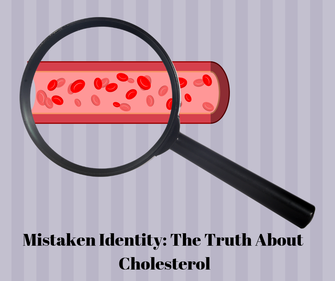
Did you know that approximately 80% of people with acute cornary syndrome….(ie: reduced blood flow to the heart… often leading to heart attack) have NORMAL cholesterol values? What’s up with that? 

Cholesterol is one of those underdogs. Bless its sticky little heart….. it’s given a bad rap more so than nearly any other body produced compound. What would we do without cholesterol?  That’s a good question…. I’m not entirely sure any of us would be around to discuss it if we lacked it in our bodies! It is a major component of cell membranes and is a necessary building block for hormones, fat soluble vitamin D, and bile salts (aiding in the digestion of fats and fat soluble nutrients). Cholesterol is also extremely important to the function of our nervous system. Without it, we’d be bumbling malfunctioning idiots….especially considering that our brains are roughly comprised of 50% cholesterol. So why all the hate?

Our bodies are efficient producers of cholesterol…. producing about 80% of what is in our bodies (the other 20% comes from dietary sources). Cholesterol should not be confused with Triglycerides (perhaps the real bad boys), or the obscure thug that likes to hang on to its buddy LDL….. lipoprotein(a).

Unpacking Cholesterol: The cholesterol in our vascular system is a mixed bag of good and bad. HDL (the good guys) has the job of bouncer…. and it escorts out the shadier gang members, LDL, from our bloodstream. LDL comes in a variety of sizes…. and the smaller sizes (subunits 3 & 4) are really bad news. The bigger ones (subunits 1 &2) are fluffier and are actually pretty helpful. Because they (subunits 3&4) are small, they can easily work their way into the lining of our arteries where the bouncer (HDL) can’t reach them. In a whopping 20% of the population (1 in 5) there is something called Lipoprotein(a) that makes LDL ‘extra sticky’….. if you carry this genetic characteristic, it is best to know about it early on in life, as it dramatically increases your risk for clogged arteries and  blood clots leading to strokes and heart attacks. It is a serious health risk, and frankly…. should be tested for at least once in everyone’s life.
While managing total cholesterol with careful eating habits (avoid processed and ‘fast’ foods) is important, …. the real culprits we should be monitoring are inflammation, triglycerides, and lipoprotein(a).


Triglycerides are produced predominately by the liver. When we eat, the body stores any excess calories as triglycerides in our fat cells. It is particularly fond of doing this with carbs. Later…. between meals…. hormones will signal a need for more energy, and those triglycerides will be released. Herein lies the rub tho….. if you eat more than you exert energy, triglycerides begin building up and you end up with hypertriglyceridemia (HTG), and THAT my friends, is cause for alarm. Even if someone has verified genetic HTG, management can be achieved with responsible ownership of the vessel you reside in:

  • Daily physical activity
  • Conscious consuming of healthy fats… avoiding processed foods and other sources of “bad fats”
  • no smoking
  • Optimizing body weight
  • Limit processed sugar intake to no more than the equivalent of 6 teaspoons of sugar per day. (The average North American consumes about 200gms or 48 teaspoons of processed sugar in their diet daily)
  • Work towards optimal triglyceride lab values of <100 and a triglyceride to HDL ratio of 1:1 to 2:1. 

Lipoprotein(a) is no joke. 73 million people in the USA are estimated to be living with this ‘sticky’ situation. It is extremely dangerous because the molecule itself is so small, sticky, and it difficult to manage. What makes it even more dangerous is this: most insurance companies refuse to pay for the test that determines if you have it….. and many doctors don’t even mention the test to patients because insurance doesn’t pay. I have not been able to wrap my brain around the logic of NOT paying for a potentially life saving test…. but there you have it. It’s just one more reason to take charge of your own health and ask for the test and pay for it out of pocket, ESPECIALLY if you have family history of heart disease. Nothing….. no vacation, no daily coffee, no new phone…. should be more valuable to you than knowing this information about yourself. Once you know, you have the power to act…. and that can change the trajectory of your life. If you do carry this genetic trait, you will want to have your children tested. They need to learn healthy habits early in life. It’s never too young to become a CEO of oneself!

IF you have inherited lipoprotein(a), you’ll want to pay very close attention to what you CAN do, because it’s time to take your health seriously. Some people do not get a warning, and find themselves diagnosed at the same time their mortality is realized. Lp(a) requires close attention and monitoring. Tools to help in management include: 

  • Daily baby aspirin
  • High quality Omega3 fish oil…. lots of it… has been found to lower Lp(a)LDL by approximately 10%. (Poor quality Omega 3’s become oxidized and can actually do more damage than taking nothing at all. Know your supplement company…not just their name, but how they do business. This is especially important with Omega 3’s.) Omegagize3 from Young Living!
  • High doses of Niacin (1-3 gms/day) … the flushing kind (ex: Slo-Niacin)… have been found to lower Lp(a)LDL by up to 30%
  • Maintain a fasting blood glucose of <100
  • Vitamin C @ 3000mg/day
  • L-lysine, L-proline & L-carnitine in high doses (L-carnitine helps make lp(a) less sticky)
  • Test for and maintain hs-CRP (high sensitivity c reactive protein) at <1. This measures inflammation in the body and high levels are a risk factor for heart attack.
  • Control blood pressure ideally at 120/70.
  • Consistent exercise
  • Abstain from smoking
  • Get (regularly) an Advanced Lipid Panel every 6 months w/ the following goals:
  1. LDL< 60
  2. Triglycerides < 60
  3. LDL particle # < 700

I realize this has been kind of a heavy post. I’m sorry about that. It’s a heavy topic tho. Most people (even healthcare professionals) don’t have a clear understanding of exactly what causes the real problems in our vascular system. Hopefully, you can see that cholesterol itself is not the real monster….. it’s actually pretty awesome stuff. Too much of a good thing is bad tho…. no matter what it is. Although I only barely touched on inflammation in this post, it’s HUGELY important to this topic too. Sticky Lp(a)LDL is especially fond of a chronically inflamed vascular system.

It is my hope and blessing that this helps someone better manage their own health, and to prompt personal responsibility one’s own health. I am not a doctor. Information here is for recommendation purposes only, and not intended to substitute for specific medical advice. Please do use this information as a starting point for your own research, and use as discussion points with your personal healthcare provider.

Love and hugs,  Liz
​

​

Dolphin MPS…Another Tool For The Toolbox

Liz James · February 19, 2017 ·

Every craftsman (or woman) has tools. The longer the trade has been plied, the more diverse the tools.

As I work towards filling my ‘toolbox’ with health and wellness minded tools, sometimes I find something that just shouts out to me. There are some things EVERYONE should know about and partake in……if they want to manage their health in a sustainable way. Taking medication daily for pain is NOT a sustainable solution to a potentially long term problem. As a pharmacist, I witness the after effects of chronic pain medication use. If opioids (codeine, hydrocodone, fentanyl etc) are used long term, pain tolerance decreases, addiction/chemical dependance inevitably occurs, constipation becomes a separate and treatable disease entity, and liver and brain changes (damage) are likely.

If something ‘milder’ is chosen as the daily treatment of choice…. like an NSAID (non-steroidal anti-inflammatory) or Tylenol (acetaminophen), the list is shorter, but not necessarily better. Both have the ability to cause long term problems with the kidneys or liver depending on your drug of choice. NSAIDS like Motrin (Ibuprofen), Aleve, Celebrex, Meloxicam etc are now being tied to the induction of Gluten Sensitivity , not to mention the eventual GI upset and erosion that will occur after longterm use…. again, causing a separate dysfunction that will also need to be treated by an additional med. It is a cycle that is inevitable if pain is managed long term this way.

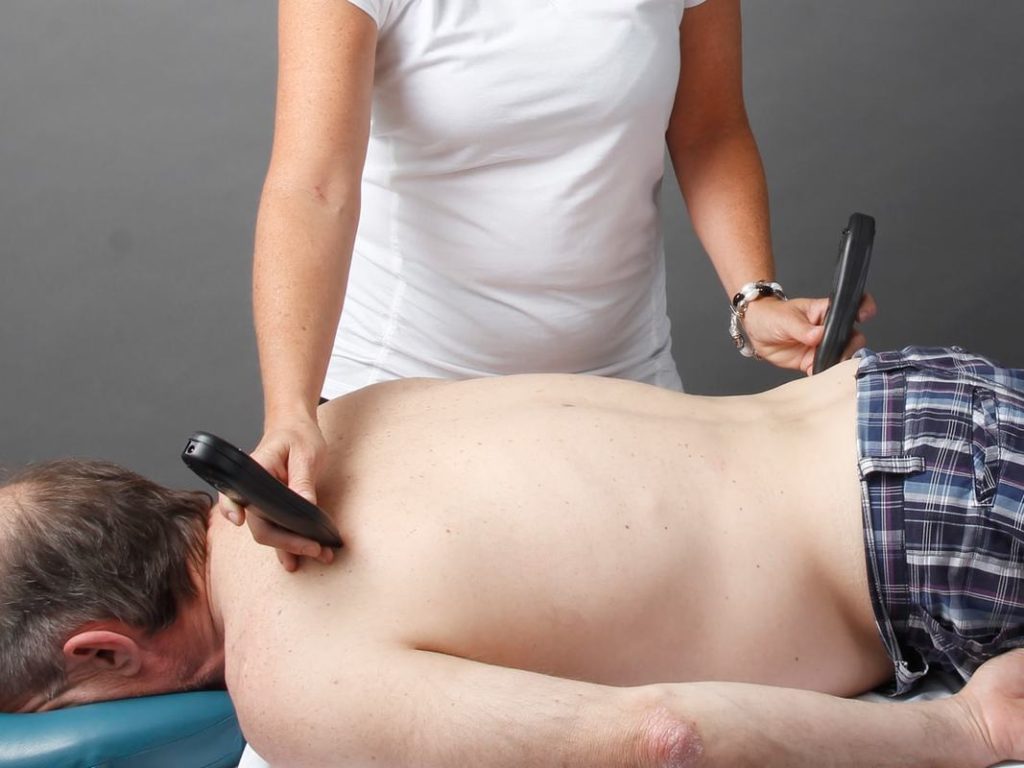
After I had my ‘run in’ with our bull , I was acutely aware of my need to solve the pain puzzle quickly….. not just short term, but long term too. Our farm does not run by itself, and my husband and I are the sole caregivers of our ‘farmily’.  My accident very nearly resulted in an amputation, and the likelihood that I would live with pain and a limp at best was high. For the record, I was on prescription pain medication for exactly 3 days before transitioning over to herbal and alternative pain management solutions. Today…. 20 months later, I walk with no limp and have only occasional pain that is managed herbally, with exercise…. and this interesting little magic tool: the Dolphin MPS . I learned about it quite by accident (or Divine Intervention!) at a convention I was attending 3 months after my accident. I was still on crutches at the time, and a Dolphin practitioner offered to do a quick treatment simply while we sat waiting for a seminar to start. Admittedly, I was a little dubious sitting there with my leg in a stranger’s lap as her little instruments chattered back and forth to each other. We sat there for about 15 minutes and while she worked, she gave a quick overview of how and why the Dolphin worked. Whoa!!! It worked on me, and THAT caught my attention. The Lord says we shouldn’t covet, but I was sinfully coveting both her tools and her knowledge. So, in October of 2015, I drove 6 hours and attended my first intensive class and bought my Dolphin units.

Many of you are probably asking what is this and how does it work? So I’m going to try to answer some of the most obvious questions here:

FAQ’s:

Is this a TENS unit? No. Although it is approved by the FDA in the category of electronic stimulation, it is resoundingly NOT the same thing as a TENS unit. A TENS unit provides short term relief of pain using high frequency (100-200 Hz), low intensity electric current. It is non specific in application location, and…. in essence…. simply masks the pain for a short period of time (ie: in a physical therapy setting, pre-treating with a TENS unit will allow you to complete the therapy with less pain). It is something that your body can build resistance to over time.

In comparison: the Dolphin provides LONG term relief of pain using low frequency (2.5Hz), mid intensity electric current. It is used on very specific locations…known acupuncture points… unless treating a scar. Treatment with the Dolphin usually provides relief much longer term… usually for several days, but frequently for much longer. (For example, after the course of healing, I now only do ‘tuneups’ on my ankle about once a month.) Additionally, endorphins are released during Dolphin treatment, accentuating the feeling of wellbeing. You can read more about Dolphin VS traditional TENS units here.

How does it work? Open your mind a minute to the concept of Eastern Medicine. Everything in our world has an electric current, and we are no exception (unless you’re dead!). Pain is the result of trapped energy in a certain area of your body. If you can release that trapped energy, the pain will subside or even completely go away. The Dolphin device (and manuals) help you identify which pathways (meridians) would be most beneficial in unblocking the energy. As soon as the ‘block’ is removed, pain nearly always either subsides, diminishes significantly, or completely disappears. For people with chronic conditions, this ‘resetting’ will likely need to occur as often as weekly or monthly.

Does it hurt? Although it is a teeny tiny bit of electricity, depending on the situation or acupuncture site, it may feel like a small prick all the way up to a bee sting. The reality is that the more intense the sting, the greater benefit you will feel when the treatment is over!

How do I find someone who will treat me? You can find a certified practitioner worldwide here: http://www.mpscourses.com/directory/ , but the good news in the United States is that this device is approved by the FDA for sale as an over the counter (OTC) item. Basic treatment can be done at home by you or a family member with a little training, but more intensive treatment (involving the back or neck) really requires at least one two day class. My advice is to find a practitioner, and try a round of treatment… if it works for you (and it probably will!) it would be worth your time and investment to learn a new wellness skillset! It is not an inexpensive wellness tool, but if you look at the long term ramifications of chronic pain med use, this tool could be PRICELESS for your life long health and wellness goals.

(PS: most insurances will pay for Dolphin treatment as an approved/billable PT/OT therapy AND some insurances will even pay for a home unit with a prescription from your doctor.)

I’ve found that the Dolphin works synergistically with my Young Living oils….. (ie: 1+1 = 3 or 4 or 5!), and don’t need ‘resets’ nearly as often as I likely would otherwise given my injury. I’ve given several friends and family members some major relief by using this combination as well & have spoken to many practitioners who have seen similar results, so I know my results are not an isolated incident.

If you’d like to learn more about oils or the Dolphin, please feel free to contact me! 

This is not a paid endorsement of the Dolphin… I just know it works, and I believe in it enough that I’m now working on my own certification training…. it may take me a year or two, but I’m committed to this vision of health and wellness without chemicals.

The Dolphin: just another sustainable tool for my health and wellness toolbox!

Have a blessed and WELL day,
Liz

Toxins In Your Pits?

Liz James · January 13, 2017 ·

t’s me again… Your Wellness Prepper…. getting a little personal early on today! I’m going to talk about one of the most toxin laden sites on our bodies…. a site that needs some desperate help and is oft’ overlooked when it comes to health and wellness.

So, today’s the day we start thinking about detoxing ….our pits (yes, armpits!). Using standard commercial deodorant/antiperspirants are one of the most toxic things you can do to your body. Why?

  • Because of the chemicals in most commercial deodorants (especially the aluminum based ones,)
  • Because our armpits are highly populated with lymph nodes…. lymph nodes help remove and transport toxins and fight infection in our bodies, and they cannot work well if they are clogged with the ingredients in your current deodorant.

Why put a toxic product so close to your breasts?….. We need to be protecting and supporting our “girls” instead of hurting them! Right??

My challenge to you as we begin cleaning up our lives is to give an alternative product a chance, but first… DETOX!  When switching over to safer deodorant, most of our initial body odor comes from not detoxing first, so when you first switch to a healthier deodorant… your switch may be short lived, simply because (without detoxing), odor will erupt from your pits!! So let’s do this right…..and begin by detoxing. THEN, after you have done this at least once (it may take more than once), begin using an alternative and CLEAN deodorant.  Here is a great article on how to detox effectively.. And after you’ve done that, it’s time to clean up our act and give our pits a little love. How?

  • Make your own safe deodorant! (there are tons of EO deodorant recipes on line to try, but these will get you started).
  • Use Thieves Toothpaste…. yes people, a little dab will do ya’! What’s good for your mouth is also good for your pits! It is like free flying at first (very cool), but no odor and works like a charm if you don’t mind the initial cool feeling after first applying. If you are an uncomplicated traveler, you will find this solution to be ideal! One product = two jobs
  • Young Living sells clean deodorants too… , Citriguard Deodorant, and now several more!

The challenge today is that we all become healthier this year, and this is a great place to start!
​​
In Health,
Liz James, RPh

NSHC Certified Health Coach & Wellness Educator

YL Brand Partner #1602257

“Making Wellness A Contagious Pursuit”

  • « Go to Previous Page
  • Page 1
  • Page 2
  • Page 3
  • Page 4

Book Your Health Coaching CallBook Now

Elizabeth James

469.425.9091

ebj0203@gmail.com