
Do you find it interesting that the diagnosis of “attention deficit disorder” didn’t exist until 1980? I do. A “diagnosis” is important because without one, insurance companies won’t pay for a treatment. Insurance companies rarely pay for a holistic approach but nearly always pay for a pharmaceutical approach. Follow the money.
My formal pharmacist education took place in the late 80’s and very early 90’s where mental health disorders were “absolutely” attributed to a chemical imbalance in the brain. Thankfully, this theory has been debunked (though many people still erroneously believe it to be true, and sadly many many practitioners prescribe as though it is true). Later, it was blamed on genetics. This too has been debunked.
Just as with most mental health disorders, there is no biological marker (ie: no affirmative blood work) for diagnosing ADHD. All diagnosis is based on behavioral characteristics: lack of focus ability, impulsivity, and hyperactivity.
After attention deficit disorder became an official diagnosis in 1980, the % of kiddos said to have it began creeping upwards. By the early 1980’s it was 3%… 5% by 1984….. and 10%+ now. Not coincidentally,  this timeline also coincides with a massive increase in the childhood vaccination schedule, decreased playtime outdoors, the introduction of and massive increase in screen time, less family time, increased toxin load including glyphosate and heavily processed foods as an eating way of life.
 this timeline also coincides with a massive increase in the childhood vaccination schedule, decreased playtime outdoors, the introduction of and massive increase in screen time, less family time, increased toxin load including glyphosate and heavily processed foods as an eating way of life.
THIS is the most important piece of the article below:
” The problem doesn’t necessarily lie within the child, but rather arises from the child’s response to his or her environment. Society could see the “prevalence” of the disorder as a marker of distress in society.”
Take some time to read the study ( towards the end of the article) . The outcome of the study can be broken down as such:
 There is no evidence in the trial of preschoolers that taking methylphidate actually facilitated better functioning children. Kids put on methylphenidate frequently suffered moderate to severe adverse events (prone to crying, crabbiness, picking at their skin, insomnia, anxiety, loss of appetite). At the end of the 10 month trial, the kids were notably shorter (20% less growth) and lighter in weight (52% less than expected).
Also of interest in this trial: (excerpt directly from the attached study)
 Many toddlers apparently got better with parent training as a first intervention and parents removed their child from the study as a result.In the randomized four-week trial, only 21% had an excellent response to the drug, compared to 13% in the placebo group. This means that if you medicated 100 preschoolers with methylphenidate, there would only be eight additional “excellent responders” than there would have been otherwise.Adverse effects on methylphenidate were frequent and told of behavioral deterioration, particularly in the 10-month maintenance phase.There is only a small percentage of preschoolers—10% to 15%—that could be said to enjoy a benefit from the treatment in terms of reduction of symptoms over the short term. That means that 85% or so of all toddlers treated with methylphenidate will experience the adverse effects of that drug without receiving any additional benefit, a net result that tells of harm done. The study did have three and six year follow ups with the kids. Here is the outcome: At the 3 year mark 66% were on additional psychiatric drugs, and at the 6 year mark 73% were.
Another quote from the article following this information:
“The findings tell of stolen childhoods. These children were diagnosed with ADHD as preschoolers and that turned two-thirds of them into persistent mental patients who grew up constantly on psychiatric drugs. At their tenth birthdays, this group would have no memory of being alive without the mind-altering effects of psychiatric drugs.”
Additionally,
” What fate awaits as they move into their teenage years and into adulthood? While there are long lists of adverse effects associated with longer-term use of stimulants and other psychiatric drugs, which collectively tell of impaired physical health and social development, there is an absence of good research on how such drugs may fundamentally alter brain development over time. However, there have been animal studies studying the effects and those studies have sounded an alarm. ” A lifetime of exposure to stimulants in animals demonstrated disinterest in exploring new things, disinterest in the brain’s reward system, reduced ability to experience pleasure.
One final note on the PATS trial: in the published report of the safety and efficacy results, the authors collectively disclosed 72 “relationships” with pharmaceutical companies, with the manufacturers of ADHD drugs prominent on the list of disclosures. Do you understand what that means? Any study with ties to a pharmaceutical company will be slanted in favor those with the gold.Our country’s babies are the canary in the coalmine.
Our job as healthcare professionals should include assessing risk versus benefit and actually presenting that information so that informed decision making can be made as an opportunity to the client. We are the ultimate CEO’s of ourselves and our families. I see posts all the time “this or that”…. and people pick (ie: salty versus sweet). As simple as that sounds, we aren’t choosing blindly because we know what salty and sweet tastes like.

 should include assessing risk versus benefit and actually presenting that information so that informed decision making can be made as an opportunity to the client. We are the ultimate CEO’s of ourselves and our families. I see posts all the time “this or that”…. and people pick (ie: salty versus sweet). As simple as that sounds, we aren’t choosing blindly because we know what salty and sweet tastes like.
….. and yet, taking medication without full disclosure (similar to what I just wrote above regarding methylphenidate) or offering the exploration of an alternative plan of action instead rarely happens. Why is that? Follow the money.
Follow the money. 
Informed consent. Everyone has a right to choose what works best for themselves and their family….. at least for now. Believe me, they’d like to take that away from each one of us.
Don’t give up your right to choose. But choose with informed consent. Do your own research and dig deeply…. beyond what anyone in a white coat tells you. Use your Holy Spirit discernment, and then dig in and do your due diligence. God gave that to each one of us who chooses to use it.
xoxo~ liz

 Dopamine Deficiency Part IV: More Solutions
 ,
,  Mowing the yard! It may be hard work, but the aroma of fresh cut grass contains a chemical called hexanal (the “green” smell of grass) that stimulates dopamine release.
 Organic coffee (No more than one cup a day or it may contribute to adrenal fatigue…. A dopamine high followed by a crash!) or a cuppa organic green tea (Have you tried the YL
  Acupuncture stimulates the vagus nerve, which in turn support healthy dopamine levels. (Go back and reread the section on low vagal tone!)
 Creating and performing music boosts dopamine levels even more than listening to your favorite tunes, but all three are effective. Listening to music has even been shown to improve fine motor skills in Parkinson’s patients.
 Chronic inflammation reduces dopamine synthesis and release in the brain. We’ve got tools on hand to support a healthy inflammatory response (as opposed to the runaway variety!).
  Lack of sleep down regulates dopamine receptors and reduces dopamine receptor availability. You know what to do! Sleep is so very important in ALL aspects of health. Review your sleep hygiene practices and look for “holes in the armor” that may result in interrupted sleep. I LOVE and incorporate
 Iron plays a role in dopaminergic neurotransmission. Iron and ferritin levels are important lab values to watch (both for being too low and too high). Natural sources of iron include spirulina ( an ingredient in
  Vitamin C assists with the formation and conversion of dopamine in the brain. Deficient levels of vitamin C may show up as a low mood.
  Vitamins B6 and B9 are critical for dopamine synthesis. Low folate levels contribute massively to low dopamine levels which may ultimately lead to depression.
  Alternate between standing and sitting. “Chronic sitting” lowers dopamine levels. Our body was designed to move!
 Finish a project. Who knew? This in itself causes the brain to flood with dopamine.
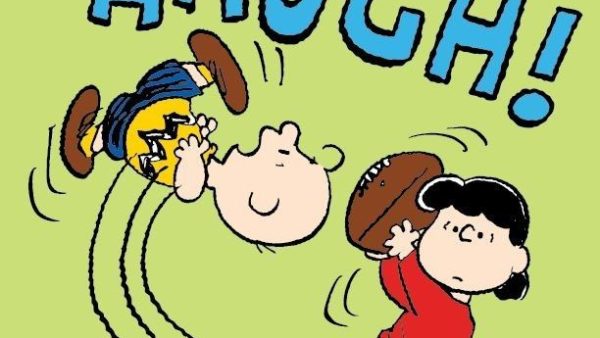
 Of course they are. And guess what… they will continue to do so. That’s called control of the ball. ” The Centers for Disease Control and Prevention (CDC) recently announced some changes on the definition of people who are classed as vaccinated against Covid-19.Dr Rochelle Walensky, the Director of the CDC, said that the definition of fully vaccinated will now mean people who have also received booster jabs. The US health agency will now also stop referring to these people as “fully vaccinated,” but instead will call them people who are “up to date” with their vaccinations.Walensky said: “What we are really working to do is pivot our language so that everyone is as up to date with their COVID-19 vaccines as they personally could be, should be based on when they got their last vaccine.“So, importantly right now we are pivoting our language, we really want to make sure people are up to date.”She added: “That means if you recently got your second dose, you’re not eligible for a booster. You’re up to date. If you are eligible for a booster and you haven’t gotten it, you’re not up to date and you need to get your booster in order to be up to date.”Sheesh. Don’t fall for it Charlie Brown.