• Skip to primary navigation
  • Skip to main content
Book Your Health Coaching Call
Good Medicine

Good Medicine

Holistic Health Coaching

  • Home
  • Liz James
    • About Liz
    • Coaching
    • Book a 20 Minute Complimentary Coaching Call
  • Favorite Resources
    • BlessedByHisBlood
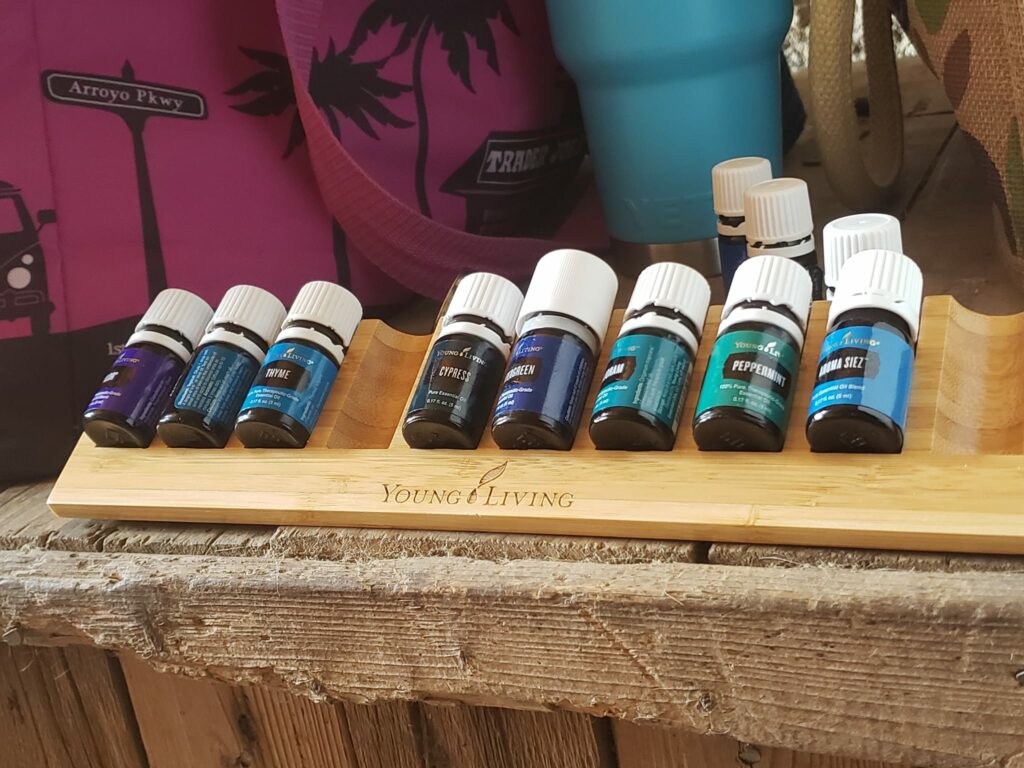
    • Young Living
    • Fast Like A Girl Certified Coach
    • Order supplements through my Fullscript store
    • Green Pasture (Coupon: Health10)
    • RogersHood Apothecary (Coupon: BEABLESSING for 10% off)
    • DolphinMPS
    • Company
    • Abundance
  • My Books
    • Becoming Your Own Health Detective Volume 1
    • Becoming Your Own Health Detective Volume 2
  • Blog
  • Cart

Immune

Risk of Covid Death

Liz James · September 3, 2022 ·

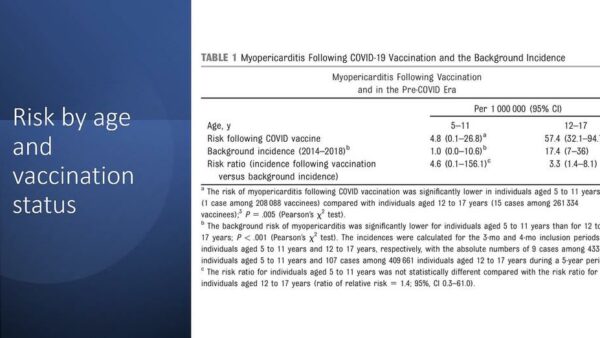
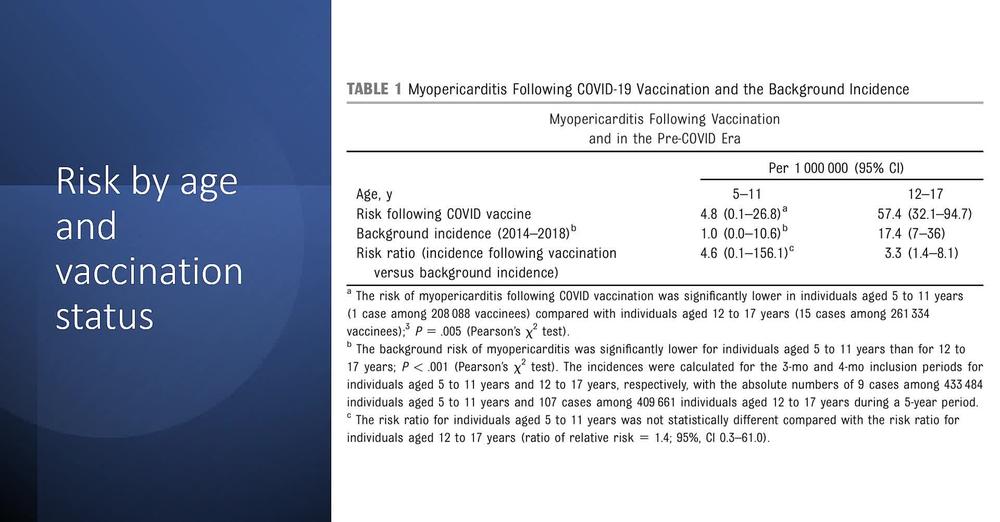
Excellent presentation by Dr Kirk Milhoan, MD, PhD, FACC, FAAP (and pediatrician). The application of knowledge and discernment is life preserving.
 
https://rumble.com/v1i4e7n-myocarditis-in-the-setting-of…
 
As the Fall/Winter season approaches, 💉 become a primary focus in many health settings. Please. For the love of your health, do not blindly accept anything that anyone suggests be injected into your body without doing your own research and due diligence.
 
I just saw the results of a study out of the UK. According to the UK Office of National Statistics, 9 out of every 10 “c” deaths are those who have submitted to the 💉 2-3+ times in the last two years. The unjabbed, even those with comorbidities, are displaying an immune system that is far more able to fight off infection the way God intended us to be able to. God created our bodies to do this. Not man.
 
This video is about 45 minutes long, and is very worthy of listening to as a source of education.
xoxo
 
~ liz


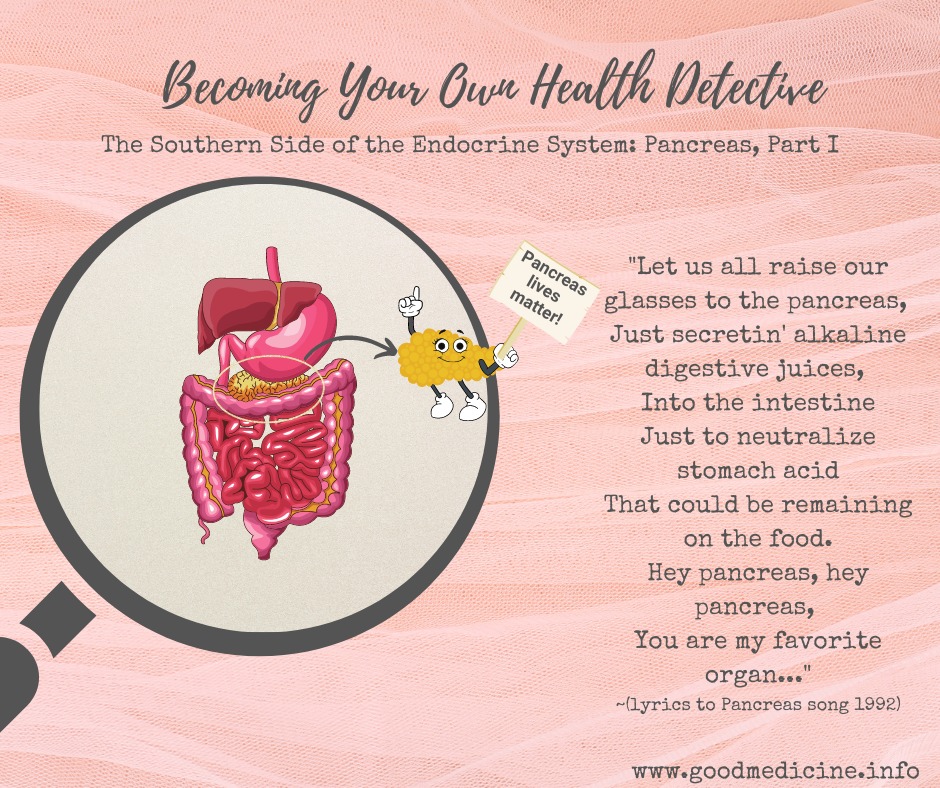
The Southern Side of the Endocrine System: Pancreas Part I

Liz James · August 24, 2022 ·

 
“The pancreas is my favorite organ.” Says no one (almost) ever. Seriously.
 
Unless someone has an existing pancreatic malady, this is one organ that gets very little attention. That’s a shame too… because with the exception of the rarer cases of genetics, infection, or blunt force trauma, nearly all pancreatic dysfunction is self induced. It’s time to bring this odd little organ out of its sandwiched space between the stomach and small intestine and figure out what makes it tick and tremble.
The pancreas has two main jobs: to produce chemicals which help regulate blood sugar, and to produce enzymes which help further digest food and bicarbonate which will further neutralize any stomach acid that has found its way into the small intestine. For being a rather underappreciated organ, if any of these tasks falls by the wayside, there are big consequences.
 
Pancreatitis (both chronic and acute) accounts for more than 360,000 hospital stays each year…. A number that continues to rise.😢
The lifetime risk of pancreatic cancer is currently 1 in 64 ….. A number that continues to rise.😢
The lifetime risk of acquiring diabetes is now roughly 1 in 3 adults….. And that number too has only continued to rise.😢
 
The problem is that the pancreas squeaks out tiny little “help me’s”, and few people take the time to learn and put clues together and then go on to correct the course of personal health history. True, the clues are not necessarily ones that will beat you over the head with a two by four, but they ARE there, nonetheless, and only you, the astute sleuth will likely see them or feel them.
 
Have you ever been out to eat with someone who won’t sit with their back to the door? Chances are, they have been well trained🧑‍✈️ to observe their environment so they won’t be taken off guard by an offender who has ill intent.
 
This is how we guard the pancreas… watching for environmental clues that endanger that little organ, and then blocking their entry into our personal space that we do have control over. None of us wants to be the 1 in 3, the 1 in 64, or the 1 in 100.
 
Environmental contributors to pancreatic distress include:
🔎Heavy alcohol consumption or diagnosis of cirrhosis
🔎A high fat, heavily processed food diet
🔎Obesity
🔎Tobacco products
🔎Abdominal surgery where the pancreas may have had interrupted blood supply
🔎Nutritional deficiencies including (especially) vitamins A, D, E, and K and selenium
🔎A history of infection such as hepatitis, Epstein-Barr Virus (Mononucleosis), Lyme disease, or Cytomegalovirus.
🔎A prior history of autoimmune disorder: especially celiac, irritable bowel disease, psoriasis, rheumatoid arthritis, lupus, or Sjogren’s Syndrome.
🔎A history of gallstones
🔎Lab work that reveals high triglycerides
🔎Abdominal trauma
🔎Damage to specific molars (those that are pertinent to pancreatic health and wellness… go back and re-read Chapter 7 in BYOHD Volume I)
🔎Long standing emotions and feelings closely associated with pancreatic distress including: guilt, shame, insecurities, frustration, joylessness, fear of rejection, and lowered self esteem.
🔎Many medications: More than 500 drugs have been reported by the World Health Organization database as causative agents for pancreatic distress. Common offenders include synthetic estrogens (birth control pills and hormone replacement therapy), opiates, steroids, many classes of antibiotics, diuretics furosemide and HCTZ, acetaminophen, and the blood pressure medication enalapril. The vaccinations formulated to prevent mumps (MMR and MMRV) have also been implicated in causing complications with the pancreas in some people.
Perhaps there hasn’t been a vigilant awareness until now, and the environmental offenders have already gotten through the door and gotten a little rowdy with the pancreas, and it’s been roughed up a bit. What would that look like?
When you have a handful of the following clues, you can be fairly certain they have been up to mischief that needs help or correcting.
🔎Diarrhea or bloating
🔎Unexplained weight loss
🔎Signs of malnutrition (lab work can identify this)
🔎Oily, foul smelling stools that are clay or pale in color and tend to float
🔎Poor blood sugar control
🔎Blurred vision
🔎Occasional abdominal pain that worsens after a high fat meal
🔎Occasional abdominal pain that may be worse if lying flat on the back
🔎Fatigue
🔎Chronically dry lips (according to Chinese medicine)
 
Do not hesitate to contact your favorite health professional if you’ve checked the majority of these clues or also have fever or unrelenting abdominal pain!
Thankfully, there are MANY things that may be done to support a healthy pancreas:
💜Eat a healthy varied diet rich in fruit and vegetables, white fish and meats, grass fed beef, foods high in iron, foods that are rich in antioxidants….. Cherries, blueberries, spinach, YL wolfberries, tomatoes, bell peppers, NingXia Red.
💜Incorporate digestive enzymes into your daily routine. (Amylase, lipase, and protease are commonly referred to as pancreatic enzymes, and are found in Essentialzymes-4, Detoxzyme and Allerzyme, or pancreatin and pancrealipase found in Essentialzyme.
💜Avoid opiates as a source of chronic pain management. There are MANY more effective ways to manage pain including scientifically proven meditation, relaxation exercises, acupuncture, yoga, and massage. Supportive supplements to consider include Sulfurzyme, BLM or Agilease, and Golden Turmeric, and essential oils PanAway, Deep Relief, Frankincense, Palo Santo, Helichrysum, Dorado Azul, Valerian, Peppermint, Copaiba, and Idaho Grand Fir. Reishi mushrooms ( found in NingXia Greens and Immupro) help support normal inflammatory and immune system response, especially when used with regularity.
💜Support the pancreas nutritionally with OmgaGize3 (for Omega 3’s), and an excellent multivitamin ( Master Formula ) that contains selenium, and vitamins A, D, E, and K and Vitamin B12 (Super B).
💜Incorporate MCT (Coconut oil) oil into the diet. It doesn’t burden the pancreas the way many other oils do, and it has properties which are helpful to inflammatory conditions.
💜Green Tea (found in Young Living’s Vanilla Lemongrass Tea)
💜Achieving and keeping a healthy weight. Remember, this is a marathon, not a sprint. Often simply losing 5-10 lbs is extraordinarily helpful to pancreas function.
💜Keep a close eye on triglyceride levels (optimally, they should be between 50-90mg/dL), and adjust the diet accordingly.
💜Add natural sources of glutamine into the diet: bone broth, grass fed whey protein, grass fed raw dairy, venison, organic poultry, spirulina (found in both Multigreens and NingXia Greens), cabbage, asparagus, and broccoli.
💜Improve levels of melatonin in the body! (Immupro or Sleep Essence if supplemental help is needed). There are some compelling studies on the protection melatonin appears to give to the pancreas.
💜Increase intake of antioxidants (easily done with NingXia Red or NingXia Greens)
💜Alkalinize the body with Apple Cider Vinegar and/or Alkalime
Pancreatic Insufficiency, Pancreatitis, and Pancreatic cancer are all three very stealth dysfunctions. The obvious problem with stealth is that they are able to cause a fair bit of dysfunction before the problem is large enough to warrant medical attention. Chronic inflammation of the pancreas is a leading cause of pancreatic cancer, and this form of cancer has a very poor survival rate. All the more reason to keep your pancreas well loved and protected. Taking a quick glance at your stools💩 before they go down the porcelain highway and doing an honest environmental and habit assessment is so important!🧐
 
Roughly 98% of the pancreas is devoted to the job of supplying the body with digestive assistance. The other 2% is devoted to managing blood sugar levels…. And that’s what I’ll bring to the table next: the pancreas and diabetes.
xoxo~ liz
 
#goodmedicine
#becomingyourownhealthdetective
#pancreaslivesmatter
#ThanksYL
#cluesyoucanuse
#BYOHD

Immupro & 15% Off Sale

Liz James · August 19, 2022 ·

It’s a good day for all the lovers of Immupro! A 15% off sitewide sale AND Immupro is back in stock! Remember to use the coupon code to get your 15% discount.
Limit 1 right now….. but we can order one now and one in a few short weeks in September!
**********
Reminder on how to use the promo code:
Use promo code “YLAug15” to enjoy 15 percent off your one-time orders—just because!
As you shop, here are a few details to remember:
🚀Share YLAug15 with your teams! The code is valid this weekend only, from 12 midnight, MT, on Friday, August 19,
until 11:59 p.m., MT, on Sunday, August 21.
📦Use the promo code as many times as you want during the offer period to take 15 percent off your one-time orders.
🛒Wondering how to use the code? Simply add YLAug15 at checkout to receive 15 percent off your one-time orders.
May be an image of text

Raindrop Training-Farm Style

Liz James · May 14, 2022 ·

Excellent Raindrop training day at the barn!
 
Though this session was for people, the dogs, horses and even the cows were asking when their turn was😍. (I will be giving them their turn in the near future).
Raindrop. It isn’t just for humans and It does a body (two legged or four lagged!) good❤.
 
If you haven’t yet both learned it and experienced it, you’re missing out on a VIP wellness tool in your toolbox.
 
Education is a big part of what we do. Personal empowerment is a key component of wellness.
 
xoxo~ liz
 

Clues to Thyroid Health from Iodine – part 1

Liz James · March 9, 2022 ·

Dotting your i’s and crossing your t’s: Iodine and Thyroid Part I
 
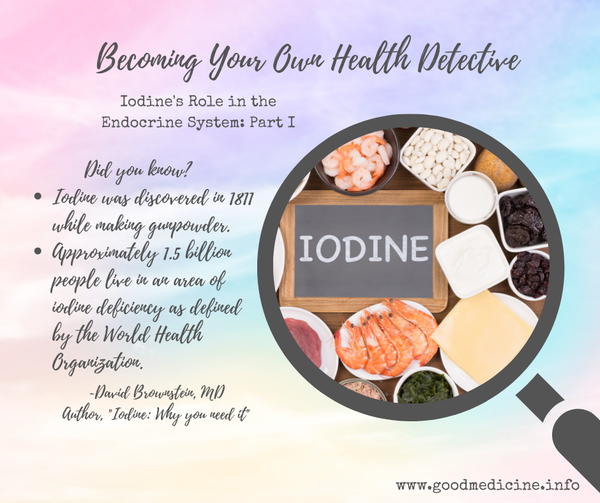
We all know that iodine is a necessary micronutrient and plays an important role in the health of the thyroid. I’m pretty confident that getting to know your individual iodine level (as I hope you will be encouraged to pursue by the end of this series🥰) is going to be new clue territory for many people.
 
Iodine is not commonly found in soil and therefore not found appreciably in many foods. So how are we to get it into our bodies? It is found in ocean foods such as ocean fish and crustaceans🦀🦐🐟 and sea vegetables (seaweed), but it would require a regular diet of these foods to prevent a deficiency.

History of iodine related problems:

 
In the early 1900’s, goiters were a health concern in many inland areas where seafood 🦀🦐🐟 wasn’t a common food source. In 1923-1924 a study revealed that simply adding small amounts of iodine to the diet drastically decreased the incidence of goiters. Iodized salt was introduced into the US market, and by 1951, fewer than 0.5% of school aged children had evidence of enlarged thyroid glands. (Previously, it had been a remarkable 40% in areas with little access to ocean foods). The United States Food and Nutrition Board eventually set the RDA for iodine between 150-290 micrograms/day (approximately ½ – ¾ tsp iodized salt) to prevent goiters.
 
This is all fine and dandy, except that there are a few missing pieces to the puzzle. The RDA was set up to prevent goiters (which it does quite well), but is the recommendation adequate for optimal thyroid, immune system, and endocrine function?

Consider these facts:

 
🔎The Japanese consume 89 times more iodine than Americans (waaaaaaay more than what the US RDA has established) due to daily consumption of sea vegetables. Coincidentally, the traditional Japanese culture has reduced rates of chronic disease and some of the lowest cancer rates worldwide.
 
🔎Iodine is considered to be among the safest of all essential trace elements (provided we are discussing the inorganic non radioactive☢️ variety!), yet it has been given some pretty strict guidelines by the entities in charge.
 
🔎Iodized salt is loaded with sodium which has its own health concerns. Additionally, a 1969 study 🤓found the bioavailability of iodine in iodized salt to be only about 10%.
 
🔎An estimated 50% of adults in the United States have an undiagnosed iodine deficiency, and some of the researchers and “out of the box thinking” experts I follow suggest that this number may be as high as 90%.
 
🔎When I consider how often “those who make the rules” have given us dubious health information in other areas of health, I usually opt to think for myself. Yes, I acknowledge the guidelines, but I also dig for evidence that there may be some rocks “they” don’t want us to look under.🧐 It’s an established fact that we are monetarily worth more to the medical system if we are dependent upon it.
So, back to the question…..are we getting enough iodine to be optimally healthy?
 
Let’s dive a little deeper into the iodine fact pool:
 
🧐Scientifically, iodine has been proven to have antibacterial, antiparasitic, antiviral, and anticancer properties.  Iodine is responsible for regulating thyroid function and supporting healthy metabolism.
 
🧐Adequate Iodine is necessary for a robust immune system.
 
🧐Every cell in our body has a life cycle. When a cell dies in a healthy body, it is replaced by a new cell. This programmed cell death is called apoptosis, and it’s a good thing. Cancer cells are examples of cellular failure to undergo apoptosis. Iodine plays an important role in this beneficial programmed cell death.
 
🧐Iodine has a protective effect against H. Pylori 🦠 (a bacteria that tends to live in the stomach, and when overpopulated, causes ulcers and stomach cancer)
 
🧐Iodine is a key ingredient for the production of all of the other hormones in the body. (Did you catch that….. “All” ). It’s also found in every cell in our body, but especially concentrated in the salivary glands, the substantia nigra of the brain (one of the involved areas for Parkinson’s disease), the cerebral spinal fluid, the gastric mucosa, breasts, ovaries, and the ciliary body of the eye.
 
🧐Would you find it interesting that iodine deficiency has been linked to many chronic diseases and dysfunctions including Multiple Sclerosis, glaucoma, Sjogren’s, Parkinson’s, thyroid disorders, fibrocystic breast disease, breast, ovarian, endometrial and prostate cancer, uterine fibroids, ovarian cysts, certain headache types, diabetes, heart arrhythmia, and the inability to detox properly especially when exposed to mercury, fluoride, and bromine.
 
Iodine Robbers
 
In this crime scene, we definitely have clues pointing to a robber or two that can further deprive the body of iodine:
 
👥Iodine is an interesting micronutrient. It’s categorized as a “halide” on the periodic table. As a halide, it hangs out with the likes of fluorine, chlorine, and bromine. As you might guess, there are enough similarities between these four that iodine, fluoride, chlorine, and bromine often compete with one another in the body. It’s like a chemical version of the movie “The Parent Trap”👭, and fluoride, chlorine, and bromine compete against iodine preventing absorption and binding and tricking the body in the process. Larger degrees of exposure to these toxins make it harder for the body to use the iodine we do get in our diets and supplements. Hopefully you’ve kicked that fluoride laced toothpaste and mouthwash to the curb and have fallen in love with Young Living’s Thieves toothpaste and mouthwash. Watch your water sources for fluoride and chlorine too. Remember, the skin is like a sponge!
Bromine may not be a toxin you’ve heard much about. Unfortunately, that’s not because it’s rare. Bromine is used commonly in pesticides used on fruits (eat organically!), and is found in various processed foods and vegetable oils, hair dyes, textile dyes, commercial cosmetics (use your Savvy Minerals!), pool and spa chemicals, flame retardants, and paints.
 
👥Medications including maalox, mylanta, amiodarone, anti-gout meds, birth control pills, cortisone and prednisone as well as some SSRI’s inhibit the body’s use of iodine. Note the possible drug-disease causing connection, especially when there is long term use of the pharmaceutical.
 
👥Even certain foods can be iodine robbers if eaten in excess. Cabbage, broccoli, spinach, Brussel sprouts, cauliflower, kale, radishes, mustard greens, strawberries, and peaches may cause issues ( only if eaten in excess), especially if iodine levels are already low.
 
Can you get too much iodine? Does everyone need more iodine? How does taking thyroid medication affect iodine deficiency? Next week, we’ll talk about a couple ways to help determine your iodine status and answer these questions. In the meantime, if you think now’s a good time to add a little extra kelp into your world, Young Living’s Master Formula and Thyromin both contain this VIP sea veggie!
 
xoxo~ liz
 
#sharingiscaring
#healthyiodinelevelsisgoodmedicine
#goodmedicine
#becomingyourownhealthdetective
(PS: Becoming Your Own Health Detective, Volume One is still on sale at presale prices through the end of this week. Link to purchase: https://goodmedicine.info/my-book/ )
  • « Go to Previous Page
  • Page 1
  • Page 2
  • Page 3
  • Page 4
  • Page 5
  • Page 6
  • Interim pages omitted …
  • Page 14
  • Go to Next Page »

Book Your Health Coaching CallBook Now

Elizabeth James

469.425.9091

ebj0203@gmail.com