• Skip to primary navigation
  • Skip to main content
Book Your Health Coaching Call
Good Medicine

Good Medicine

Holistic Health Coaching

  • Home
  • Liz James
    • About Liz
    • Coaching
    • Book a 20 Minute Complimentary Coaching Call
  • Favorite Resources
    • BlessedByHisBlood
    • Young Living
    • Fast Like A Girl Certified Coach
    • Order supplements through my Fullscript store
    • Green Pasture (Coupon: Health10)
    • RogersHood Apothecary (Coupon: BEABLESSING for 10% off)
    • DolphinMPS
    • Company
    • Abundance
  • My Books
    • Becoming Your Own Health Detective Volume 1
    • Becoming Your Own Health Detective Volume 2
  • Blog
  • Cart

Health

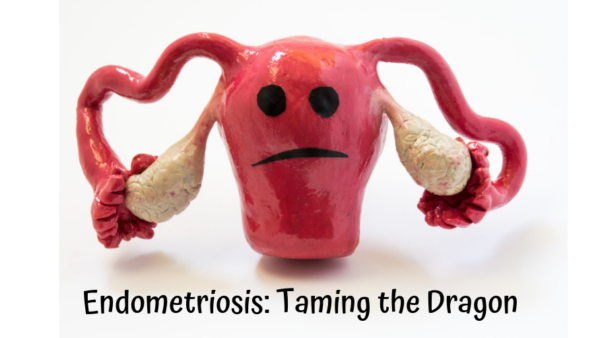
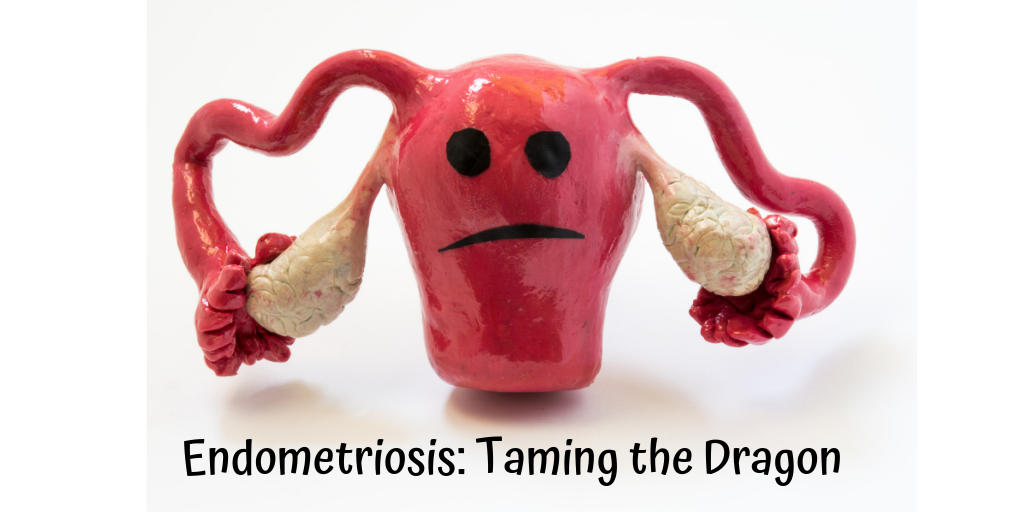
Don’t Feed the Dragon

Liz James · April 10, 2019 ·

Personal experience is often a driver of passion. If you’ve read my personal story (early on in my blog), you’ll already know that it included a very early diagnosis of endometriosis. I was diagnosed when I was a teen… way back in the ’80’s. Back then…. literally a generation ago, endometriosis wasn’t yet a common women’s health concern. It was still considered more of an anomaly…. enough so that it took some digging and even some traveling to doctors who knew how to both identify and treat it to the best of their ability at the time.

Wow! Things have certainly changed over the last 35+ years…. It is now estimated that approximately 11% of women have this chronic inflammatory disorder. It is also being held accountable for up to 1/3 of fertility disorders.  There is much debate over “how” endometriosis comes to happen in a woman’s body, but there is no debate on the fact that its destructiveness is magnified by something called ‘estrogen dominance’.

While estrogen is a valuable and necessary hormone within our female bodies…. “back in the day”, our fore’mothers’ only had to concern themselves with the estrogen their own body produced and perhaps, to a much lesser extent, something called phytoestrogens (a small select group of plants that could add estrogen to what the body already had on board).
​
Roughly 70 years ago, a subset of synthetic chemicals began popping up in foods, personal care products, packaging (lining of cans and plastics), medications, household cleaners (and dryer sheets!), and…… heavens!!… even disposable menstrual products (Talk about feeding the beast!). For many years, there appeared to be little cause for alarm…. until unusual goings on began showing up in the wild world of amphibians…. and male frogs began turning into female frogs inexplicably in the wild. The first people to sit up and take notice were wildlife biologists. It was the canary in the coal mine revisited (Spoiler Alert: It didn’t end well for the canary in that scenario either).  

Scientists slowly began sitting up and taking notice as endocrine disruption expanded from wildlife to humans. 170+ of these chemicals are now known as “Xenoestrogens”, and they are the harbingers of hormone imbalance in both men and women. They mimic the function of natural estrogen, thus creating biological hormonal mayhem the likes of which include PMS, heavy periods, PCOS, breast cancer, fibroids, ‘man boobs’, etc….. and endometriosis. Estrogen dominance is of epidemic proportions in developed, ‘advanced’, industrialized countries: ​Too much of a good thing, can be…well, too much.
All that factory farm raised meat and dairy tainted with growth hormones? yep
(go local, and find your hormone free, grass fed, humanely raised animals… ie: support your local farmer and rancher)

Pesticide containing food products? yep
(eat organic whenever possible)

Tap water? yep
(drink filtered water!)

Shampoos, lotions, soaps, toothpaste, cosmetics… other personal care products containing ingredients like parabens and phenoxyethanol chemical compounds widely used with abandon by the cosmetic and pharmaceutical companies? yep
(please… for the love of your children and yourself… use natural products!)

Heating plastics or plastic wrap in the microwave, or simply storing food in soft plastic or plastic wrap? Or use bottled water or canned food that incorporates BPA into the packaging process? yep yep yep!
(use glass or stainless whenever possible. aside from the obvious landfill issues, plastic contains phthalates, a pretty nasty one on the ‘no no’ list)

See the verbiage ‘artificial color or flavor’ on a favorite packaged food ingredient list? Back away from the item. Seriously.
(Approximately 31 substances may be added to processed foods for the purpose of artificially sweetening, preserving, coloring, or enhancing texture and/or flavor and are guilty offenders)

Dryer Sheets? Totally loaded. Obscenely so.
(wool dryer balls…. message me, I’ll score you some, teach you how to make them simply, or use 1/2 cup of baking soda in your rinse cycle!)

​​Ahhhhh! Veering back on the bunny trail we started on. Endometriosis. I suspect you are starting to get my drift here. No wonder it’s become a common problem, right?

Endometriosis is very estrogen dependent… it doesn’t grow and thrive in an estrogen poor environment. Conversely, it can spread like bunnies on fertility drugs when exposed to bountiful amounts of estrogen regardless of the source. Common western medicine more often than not will use chemical means to suppress naturally occurring estrogen in our bodies to slow the dragon’s path. Rarely do they sit down and talk to the woman (or girl child) about the ramifications of xenoestrogen’s effects on their body and how to minimize exposure to them.

While endometriosis (or something like it) was identified in the late 1800’s, it was a rare creature…. not unlike dragons. In fact, the incidence of endometriosis in less developed countries today is significantly less than in those countries where plastic water bottle toting, microwaved plastic wrapped food noshing, dryer sheet using people live. People like myself… whom, as a kiddo and young adult did the same thing… before I knew better.

Endometriosis is technically not an autoimmune disease, but having it creates a hospitable environment for autoimmune disorders to set up housekeeping alongside it. Chronic inflammation within the body will do that. Misery loves company.

Friends, please don’t wait until something goes wrong to clean up your life. Truly. Life is too short, and it’s so much easier to minimize risk factors than it is to mediate and do damage control.

Life is short! Keep it clean ;)! 

Love and hugs, Liz
Guilty or Innocent? Weighing in on Cholesterol

Liz James · March 4, 2019 ·

Cholesterol has been heavy on my heart for the last month… haha! No pun intended there… my cholesterol is actually fine….. but I tend to root for the the misunderstood and the underdog when given a choice. (That’s probably why our farm tends to be a haven for rescue dogs and cats…. but I digress!) 

Did you know that approximately 80% of people with acute cornary syndrome….(ie: reduced blood flow to the heart… often leading to heart attack) have NORMAL cholesterol values? What’s up with that? 

Cholesterol is one of those underdogs. Bless its sticky little heart….. it’s given a bad rap more so than nearly any other body produced compound. What would we do without cholesterol?  That’s a good question…. I’m not entirely sure any of us would be around to discuss it if we lacked it in our bodies! It is a major component of cell membranes and is a necessary building block for hormones, fat soluble vitamin D, and bile salts (aiding in the digestion of fats and fat soluble nutrients). Cholesterol is also extremely important to the function of our nervous system. Without it, we’d be bumbling malfunctioning idiots….especially considering that our brains are roughly comprised of 50% cholesterol. So why all the hate?

Our bodies are efficient producers of cholesterol…. producing about 80% of what is in our bodies (the other 20% comes from dietary sources). Cholesterol should not be confused with Triglycerides (perhaps the real bad boys), or the obscure thug that likes to hang on to its buddy LDL….. lipoprotein(a).

Unpacking Cholesterol: The cholesterol in our vascular system is a mixed bag of good and bad. HDL (the good guys) has the job of bouncer…. and it escorts out the shadier gang members, LDL, from our bloodstream. LDL comes in a variety of sizes…. and the smaller sizes (subunits 3 & 4) are really bad news. The bigger ones (subunits 1 &2) are fluffier and are actually pretty helpful. Because they (subunits 3&4) are small, they can easily work their way into the lining of our arteries where the bouncer (HDL) can’t reach them. In a whopping 20% of the population (1 in 5) there is something called Lipoprotein(a) that makes LDL ‘extra sticky’….. if you carry this genetic characteristic, it is best to know about it early on in life, as it dramatically increases your risk for clogged arteries and  blood clots leading to strokes and heart attacks. It is a serious health risk, and frankly…. should be tested for at least once in everyone’s life.
While managing total cholesterol with careful eating habits (avoid processed and ‘fast’ foods) is important, …. the real culprits we should be monitoring are inflammation, triglycerides, and lipoprotein(a).


Triglycerides are produced predominately by the liver. When we eat, the body stores any excess calories as triglycerides in our fat cells. It is particularly fond of doing this with carbs. Later…. between meals…. hormones will signal a need for more energy, and those triglycerides will be released. Herein lies the rub tho….. if you eat more than you exert energy, triglycerides begin building up and you end up with hypertriglyceridemia (HTG), and THAT my friends, is cause for alarm. Even if someone has verified genetic HTG, management can be achieved with responsible ownership of the vessel you reside in:

  • Daily physical activity
  • Conscious consuming of healthy fats… avoiding processed foods and other sources of “bad fats”
  • no smoking
  • Optimizing body weight
  • Limit processed sugar intake to no more than the equivalent of 6 teaspoons of sugar per day. (The average North American consumes about 200gms or 48 teaspoons of processed sugar in their diet daily)
  • Work towards optimal triglyceride lab values of <100 and a triglyceride to HDL ratio of 1:1 to 2:1. 

Lipoprotein(a) is no joke. 73 million people in the USA are estimated to be living with this ‘sticky’ situation. It is extremely dangerous because the molecule itself is so small, sticky, and it difficult to manage. What makes it even more dangerous is this: most insurance companies refuse to pay for the test that determines if you have it….. and many doctors don’t even mention the test to patients because insurance doesn’t pay. I have not been able to wrap my brain around the logic of NOT paying for a potentially life saving test…. but there you have it. It’s just one more reason to take charge of your own health and ask for the test and pay for it out of pocket, ESPECIALLY if you have family history of heart disease. Nothing….. no vacation, no daily coffee, no new phone…. should be more valuable to you than knowing this information about yourself. Once you know, you have the power to act…. and that can change the trajectory of your life. If you do carry this genetic trait, you will want to have your children tested. They need to learn healthy habits early in life. It’s never too young to become a CEO of oneself!

IF you have inherited lipoprotein(a), you’ll want to pay very close attention to what you CAN do, because it’s time to take your health seriously. Some people do not get a warning, and find themselves diagnosed at the same time their mortality is realized. Lp(a) requires close attention and monitoring. Tools to help in management include: 

  • Daily baby aspirin
  • High quality Omega3 fish oil…. lots of it… has been found to lower Lp(a)LDL by approximately 10%. (Poor quality Omega 3’s become oxidized and can actually do more damage than taking nothing at all. Know your supplement company…not just their name, but how they do business. This is especially important with Omega 3’s.) Omegagize3 from Young Living!
  • High doses of Niacin (1-3 gms/day) … the flushing kind (ex: Slo-Niacin)… have been found to lower Lp(a)LDL by up to 30%
  • Maintain a fasting blood glucose of <100
  • Vitamin C @ 3000mg/day
  • L-lysine, L-proline & L-carnitine in high doses (L-carnitine helps make lp(a) less sticky)
  • Test for and maintain hs-CRP (high sensitivity c reactive protein) at <1. This measures inflammation in the body and high levels are a risk factor for heart attack.
  • Control blood pressure ideally at 120/70.
  • Consistent exercise
  • Abstain from smoking
  • Get (regularly) an Advanced Lipid Panel every 6 months w/ the following goals:
  1. LDL< 60
  2. Triglycerides < 60
  3. LDL particle # < 700

I realize this has been kind of a heavy post. I’m sorry about that. It’s a heavy topic tho. Most people (even healthcare professionals) don’t have a clear understanding of exactly what causes the real problems in our vascular system. Hopefully, you can see that cholesterol itself is not the real monster….. it’s actually pretty awesome stuff. Too much of a good thing is bad tho…. no matter what it is. Although I only barely touched on inflammation in this post, it’s HUGELY important to this topic too. Sticky Lp(a)LDL is especially fond of a chronically inflamed vascular system.

It is my hope and blessing that this helps someone better manage their own health, and to prompt personal responsibility one’s own health. I am not a doctor. Information here is for recommendation purposes only, and not intended to substitute for specific medical advice. Please do use this information as a starting point for your own research, and use as discussion points with your personal healthcare provider.

Love and hugs,  Liz

​

​

Goin’ Down the Gopher Hole

Liz James · February 26, 2019 ·

Have you ever begun researching or looking for information on something, and it leads to more research ad infinitum? Well, that has happened to me over the course of the last six weeks. It’s all good stuff and I’m super excited to begin sharing it with you all, but first I have to get it unpacked properly from my brain.  I love learning and uncovering new information…. it makes my heart go pitter patter, even if it does at some point begin to give me blurry vision and in need of a map as I return from the warren of learning I’m being steeped in. 

The gopher hole (yes, I know the cuties above are actually prairie dogs!) I went down began with a simple question that had been ping ponging about in my brain for several months. I am a holistically minded pharmacist as you may well know, and I LOVE to help people realize feasible ways prevent dis-ease, restore function, and become optimally healthy. In a word: Not just surviving, but thriving! 

There ARE times when medication is necessary and Western medicine needs to work its magic thru intervention, but really….. this needs to be reserved for emergent care, when holistic measures have failed, or when genetics simply deal us a challenging hand.

Unfortunately, we have become an immediate gratification society, and the ‘grab and go’ healthcare system has capitalized on that. It’s much easier to take a pill for a symptom than it is to identify the root cause and work towards fixing what’s actually ‘broken’…..but taking a pill (or having an elective surgery) will ALWAYS have a consequence, and frequently, it may have more than one consequence. Often, the consequence will simply replace the original symptom (dysfunction), but occasionally, it can open a can of worms that was bigger than the first problem. I’ve seen this scenario happen too many times to count in my career.

“We” (ie: our current worldview) tend to discount risk versus immediate benefit in lieu of the desire for an immediate ‘fix’. When the immediate need is resolved, the focus of our attention is removed from the problem (or dysfunction)…. we’ve moved on to the next thing. Meanwhile, the risk may have slowly and quietly slipped thru the cracked door, and we fail to notice the correlation….. benign neglect, innocent ignorance of our own bodies, willingly handing over the ‘care and feeding of us’ to a Third Party who has little or no vested interest in our optimal health….. regardless of the reason(s)….. secondary dysfunction has crept in on padded feet. 

Here is but one example:
Statins are one of the most commonly prescribed medications in the United States for high cholesterol. Nearly 30% of adults over 40 are on them. Impressive stat for Big Pharma, right? 

But let’s go over another set of stats on the statins. Statins work by blocking a VIP enzyme called HMG-CoA. When this enzyme is blocked…. it blocks the production of cholesterol, but it also blocks the production of a nutrient called CoQ10. (Blocking the production of cholesterol is a post unto itself, that I will tackle next week and unpack for you…. cholesterol has been demonized when in actuality, it is an absolutely vital component to our well being)CoQ10 is critically important, and it can be supplemented to offset potential problems. Unfortunately, in my experience, most doctors never tell their patients this when they hand them a statin prescription. The doctor ‘might’ tell them to let them know if they have unusual soreness or cramping in their legs (a warning sign of something called rhabdomyolysis). This is a common ‘side effect’ of statin use…. but the reality is that it’s a sign of a secondary deficiency that crept thru the door that statin use opened. Other signs of CoQ10 deficiency include:

  • cardiac arrhythmia or palpitations, which could land you on medication. (Low CoQ10 is found in nearly all patients with heart failure. Read into that what you will…..) 
  • depression or memory loss (meds for this too)
  • fatigue (you may live with this, or begin self medicating with caffeine or other stimulants)
  • Impotence or decreased libido (ugh!)
  • High blood sugar (setting you up for diabetes OR making your current diabetic state harder to manage or regulate….. don’t even get me started!)​In 2014, the American Diabetes Association actually made the recommendation that all adults over the age of 40 take statins. (I’ll speak more to this when I write that cholesterol post)

Does this worry you? It should. And this is but one class of medications that causes a deficiency of CoQ10. 

Now, I’m not a doctor, and please….. do not take my words (or anyone’s words) as gospel.  I am all about self study and whole truth… which is not always easy to come by in the healthcare industry. (Remember, there are billions of dollars at stake here.) I encourage all of you to become the best advocate of you that you can be. Nobody knows you better than you, right? Self study can be a little confusing if you aren’t used to it. Talk to your healthcare provider. Don’t be afraid to ask the hard questions….. and above all, be armed with knowledge that you yourself have found. Do not be afraid to shake the dust off your shoes and move on if your doctor doesn’t take full consideration of your concerns.

If this post has rattled your cage a little, so be it. That is my job as a pharmacist…. to point out some things that are important for a body to stay healthy, and it’s your choice whether to keep your head in the sand or be on the lookout for danger. We (pharmacists) are trained to counsel on side effects, but we need to be taking it a step further …..counseling on the causes of those side effects as well as potential ways to mitigate them, and to teach our tribe how to not just avoid deficiency, but to have optimal health in the process. ​

This is but one of the reasons I believe proper supplementation is so absolutely critical to living well, but especially if you are one of the millions who are on (and may need to remain on) a medication. Because statin use is also now being linked to probable Vitamin D deficiency, I recommend both MindWise and OmegaGize3 as being stellar products in the supplement industry… for everyone. Don’t wait for a deficiency to actually happen. It’s much harder to fix than it is to prevent, right? 

If these products are new to you, I encourage you to learn more about Young Living and why I’ve chosen them as my supplement company of choice. You can learn more about the company and how to receive discounted pricing by returning to my home page, or if you’d like to chat, please reach out to me. That’s why I’m here.

Be well, and have a glorious day! 
Hugs and Love, Liz
​

Whoops…We Did It Again(smh)

Liz James · July 17, 2018 ·

Yesterday, while at work in the pharmacy, we got official word of a voluntary recall on several brands of valsartan containing medications. A voluntary recall means that the drug company requests that products be pulled from the pharmacy shelves, and selling of that product cease immediately until new product is issued. It does not extend to the consumer level. You can read more about the recall itself here.

Recalls like this happen every so often in pharmacy, and are not usually call for alarm unless it happens to be one that extends to the customer level (not the case this time). That said, media caught wind of it and began reporting on the recall, causing fear and worry amongst customers who are on this particular blood pressure medication. I began and ended my pharmacy day yesterday fielding these many calls from customers who were fearful of continuing their medication even one more day, now that this information was known. 

Once you know something, you can’t un-know it.

The cause of the recall? It became known that one of the ingredients used in this particular medication is a ‘probable’ cancer causing agent.  (Ironically, one of the people I spoke to was a smoker. SMH!) Now, before you start calling your pharmacy wondering what you are supposed to do if you are on valsartan,  let’s take a look at the facts:

  1. Right or wrong, the alleged ingredient has been in the medication since at least 2015.
  2. The recall is not at the customer level (meaning that the situation has not given the FDA cause to issue a recall on dispensed medication too).  In fact, this statement was issued by the FDA: “Because valsartan is used in medicines to treat serious medical conditions, patients taking the recalled valsartan-containing medicines should continue taking their medicine until they have a replacement product.”
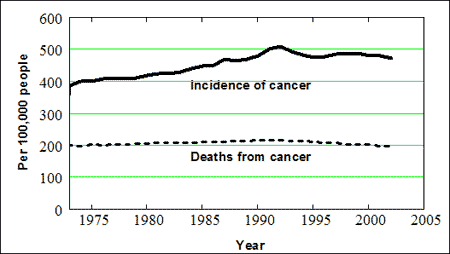
  3. “Probable” cancer causing agents should be fully excluded from our daily lives, but sadly they are everywhere you turn. The FDA and the EPA turn a blind eye daily as companies pump probable (and known) cancer causing agents into the environment, our homes, our food and drinking water, AND our personal care products. It’s no wonder that the cancer rate in the United States has skyrocketed since the 1950’s.

Visit the American Cancer Society website, you’ll see a list of  these ‘probable  (and known) cancer causing agents’ that people unwittingly use and allow into their lives.

Once you know something, you can’t un-know it.

I would advise stopping reading now if you want to remain blissfully unaware, because I’m about to give you the lowdown on just a few items on the FDA/EPA list.

Seriously. Stop now. 

Here are just a few offenders from the long list:

  • Acetaldehyde- solvent used in the manufacturing of many items including perfumes
  • Asbestos – As recently as last week, Johnson and Johnson (yes, the very same company that produces well known baby products) was found guilty of producing asbestos laden talcum powder and must now pay 4.7 BILLION dollars in settlement to women who have suffered physical damage (cancer) because of regular use of their product.
  • Azathioprine, Chlorambucil, Cyclophosphamide, Cyclosporine, Etoposide, Metronidazole, Tamoxifen….. these are all medications. The list is so long, I can’t name them all. Several on the list are cancer treating agents (that also may cause cancer themselves. SMH!)
  • Formaldehyde – used throughout industry. Commonly found in nail products, soap, hair growing products. Also commonly found in the ingredients of cosmetics. (It is considered an inexpensive preservative….hence, its use. Economy trumps health unfortunately).
  • Arsenic, Cadmium, Chromium, Cobalt, Lead, Mercury, and Nickel (not all of these are cancer causing agents, but do potentially cause significant health concerns and are found in many ‘mainstream’ cosmetic companies).  The FDA has published an interesting survey on cosmetics that can be found here (or on the full length reference at the end of this post).  https://www.cancer.org/cancer/cancer-causes/general-info/known-and-probable-human-carcinogens.html
  • Herbicides such as Roundup and others. These are truly among the most disastrous carcinogenic agents allowed into our food and water supplies. If you’d like to read a treasure trove of information on this topic, please take a bit of time to visit a document depository on the history of the subterfuge within the chemical industry that stretches back nearly 100 years: The Poison Papers(link below). Roundup and other Monsanto/Bayer chemical products have been banned by wiser countries (sadly, not our own).

Giving you examples of known and probable carcinogens could easily consume my day, because this list just goes on and on and on.…… and ultimately I will bore you to tears (or wake you up to what you likely have in your home).  

I’m hoping by now you see my frustration in yesterday’s moment of media hyped hysteria over the valsartan recall. Of course it should have been recalled, but friends…… we have much larger fish to fry if we are going to worry about this.

I would venture to guess that each person I spoke to about the recall yesterday has more than 100+ known carcinogenic products in their home and garage that they willingly (but perhaps unwittingly) choose to expose themselves to on a daily basis.

SMH.

If you didn’t listen to me, and read this post to completion, you’ve got some decisions to make. What you can’t choose tho, is to now ‘un-know what you now know‘. Knowing gives you personal responsibility for the skin in the game (your own) and begs the next question….. what are you going to do about it?

Reality is this:  It’s not possible to avoid every carcinogenic or body damaging product out there, but there IS so much we CAN do to avoid the majority of them within our own home. There are also many ways to encourage detoxification of the body cheaply, effectively, and holistically.

If this post has you thinking that maybe it is time to wake up and clean up, I’d encourage you to start small in big ways. Get the ‘standard’ household cleaners out of your home…. one by one. When you run out of a product, don’t buy that junk again. Consider switching to Thieves Cleaner (a completely healthy way to clean).

Get the candles and formaldehyde laced air fresheners out of your home, and replace them with healthy diffusers. I promise…. you’ll sleep better, be happier, have fewer headaches, and….. if you diffuse the right oils, you’ll even boost your immune system and provide positive emotional support. This trumps possible and probable carcinogenic loaded products any day. Science backs this ya’ll….. as a pharmacist, I wouldn’t be here if it didn’t.

The cosmetic industry is rife with concerning chemicals. Use up what you have, but as you get close to needing more, consider ‘clean’ skin care and makeup. Yes, it does exist. I’d love to send you a few samples of whatever you’d like to see or try that is not only beautiful, but also loaded with health promoting ingredients. Ever heard of Savvy Minerals? If not, you are missing out.

This is one of the (many) things I love about Young Living. They stand in the gap for us where other companies do not. Scouring labels for toxins was time consuming and the print is small and fine (purposefully I think). I know I am taken care of safely with whatever I purchase for my family and our farm, and that we are taking personal responsibility for us….. because clearly, the governmental entities, are not doing enough of it.

If you’d like to learn more about living a more carcinogenic free life, please feel free to private message me. 

I am not perfect in my walk, but I’ve done it now for much of my adult life and would be happy to walk with you as you begin your journey. It’s never too late to start.

Hugs and love  ~ Liz


​
References:

fda article
freeethoughtproject-baby powder
fda harmful ingredintst tables
poison papers
nbc news – chemicals cause cancer

Sleep Week – July 1-8

Liz James · June 29, 2018 ·

I love the long days of summer! I can get so much done outside because of the length of daylight we’ve got here in the south. However, long days of daylight eventually begin to wreak havoc on my hours spent sleeping…. and that eventually begins to take its toll on me.

I know several of you suffer from chronically deprived sleep patterns that may be caused by attempting to utilize every last drop of daylight….. but many are sleep deprived for other reasons …. and frequently those are health related. If you struggle with sleep, pop in all next week…. (beginning Saturday actually), and I’ll uncover some facts that may surprise you, along with tips that may help you reclaim your ZZZZZZ.

See you soon!

Liz

  • « Go to Previous Page
  • Page 1
  • Interim pages omitted …
  • Page 56
  • Page 57
  • Page 58
  • Page 59
  • Page 60
  • Interim pages omitted …
  • Page 63
  • Go to Next Page »

Book Your Health Coaching CallBook Now

Elizabeth James

469.425.9091

ebj0203@gmail.com