• Skip to primary navigation
  • Skip to main content
Book Your Health Coaching Call
Good Medicine

Good Medicine

Holistic Health Coaching

  • Home
  • Liz James
    • About Liz
    • Coaching
    • Book a 20 Minute Complimentary Coaching Call
  • Favorite Resources
    • BlessedByHisBlood
    • Young Living
    • Fast Like A Girl Certified Coach
    • Order supplements through my Fullscript store
    • Green Pasture (Coupon: Health10)
    • RogersHood Apothecary (Coupon: BEABLESSING for 10% off)
    • DolphinMPS
    • Company
    • Abundance
  • My Books
    • Becoming Your Own Health Detective Volume 1
    • Becoming Your Own Health Detective Volume 2
  • Blog
  • Cart

Essential Oils

How to Fix Bad Sleep Habits Naturally: Tips from a Retired Educator

Liz James · June 14, 2025 ·

by Terry Billups 

Do you get up in the morning because you’ve had enough sleep or because you need/want to get up and going?

I was always the latter!!!
 
As a child/teenager/college student I hated missing anything, so, consequently, I went to bed late and got up super early for a kid (6:00 AM). I loved all the moments I experienced throughout the day.
 
As a teacher, I enjoyed the early morning time at school before everyone came in, just to have a little quiet time to do what I wanted in the room… tweak lesson plans, grade papers, move furniture around, put up new bulletin boards… or whatever I wanted. But, I also would grade papers til late at night. Turning the mind off was the hardest thing to do… it still is!
 
As a principal, I went in to school early to accomplish all the things I knew had to be done that day, because I knew there would be so many interruptions. My time was not mine and there were priorities that had to be completed… so early it was!
 
Now, I am retired. I have had many years of bad sleep habits to change. For all those years, I may have had 3 to 5 hours of sleep a night. The body needs more sleep than that. That’s when fatigue settles in, our bodies slide into survival mode, and illness hovers waiting to find a crack to slip in. And I can tell you, I was ill more than well the entire 34 years I was in education. Not good!!!
Isn’t it strange that we totally settle for what we feel is a norm, when in fact it is a bad habit.
 
With retirement, I had to “work” on fixing my bad sleeping habits. I learned that when I sleep, I should go to bed… even for a nap.
I’ve also learned:
  • to set a time to go to bed
  • to turn off all electronic devices at least an hour before going to bed
  • to read something for a few minutes
  • work on a puzzle… paper and pencil!
  • to rub Young Living body lotion on my legs and arms (I’m not choosey… I like them all and love the calming sensation they create)
  • use Deep Sleep Essence and/or ImmuPro right before I climb into bed
  • rub Valor, Lavender, Tranquil… any of the Young Living calming oils or blends under the back of my big toes… I also rub them on my wrists
  • when I wake up in the wee hours of the morning, if I feel I need more sleep, I stay in bad and relax my mind (whether I fall back to sleep isn’t the point… I’m allowing myself the time to sleep and rest)
Since I have been addressing this bad habit of jumping up at the crack of dawn and staying up ’til I can’t keep my eyes opened, I am now getting between 6 and 7 hours of sleep. I feel much more rested, alert, and haven’t had so many colds… in fact, I hardly have any everyday illnesses anymore. Running on totally fatigue is a thing of the past.
 
Are you like me and have had to change this bad habit of living on little sleep?
 
What do you do? We want to know!!
 
More Sleep Tips
sleep habits girl stretching in bed

Chronic Stress Effects: How Stress Damages Your Brain and Body + Sleep Solutions

Liz James · June 6, 2025 ·

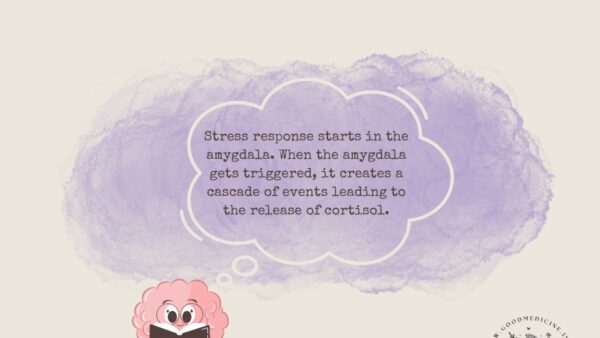
Chronic stress warning graphic with facts on cortisol, brain inflammation, and fat storage.

Chronic stress is prolonged psychological pressure that triggers lasting physiological changes, including brain shrinkage, immune system suppression, and hormonal disruption, affecting millions of Americans daily.

Chronic stress effects touch every aspect of our health, from brain function to immune system strength. Prior to 2020, the World Health Organization (WHO) declared stress the “Health Epidemic of the 21st Century,” and the situation has only intensified. The ramifications of chronic stress cost American businesses an estimated $300 billion dollars annually, though that statistic represents just the financial tip of the iceberg when it comes to understanding stress management and its impact on our wellbeing.

Numerous studies show that job stress is the leading cause of stress for American adults. Other triggers include finances, relationships, parenting, and trauma. And let’s not forget the collective experience of living through unprecedented global challenges in recent years.

What Chronic Stress Actually Does to Your Body

Unpacking chronic stress effects is like peeling back the layers of an onion. What actually happens to a body that experiences prolonged psychological pressure?

Initially, we may feel the effects of adrenaline and cortisol being released. The heart speeds up, digestion slows down, the blood supply shunts blood to major muscle groups, and fight or flight kicks in. In normal situations, the perceived threat eventually leaves and we relax and recover.

In a state of chronic stress, this scenario doesn’t happen the way it should, and some real problematic changes in the body occur.

Brain Changes and Cognitive Impact

The brain actually begins to decrease in both size and weight 😳. Ultimately this affects both cognition and memory. The basal ganglia and the prefrontal cortex are especially affected by these changes. The basal ganglia is involved in the processing of information related to emotions, motivations, and movement, while the prefrontal cortex is responsible for “executive decision making” — the ability to differentiate between conflicting thoughts, identifying good from bad, predictions of outcomes, expectations based on actions, and the ability to suppress urges.

This area of the brain dictates our personality, goals and values. As you might imagine, over time, chronic stress plays a very real role in brain disorders like Alzheimer’s, Parkinson’s, and dystonia.

Immune System and Inflammation Effects

Unmitigated chronic stress affects the immune system by activating low grade inflammation 🔥 throughout the body. It may take years to develop, but strong evidence suggests that low grade inflammation eventually triggers diseases such as rheumatoid arthritis, heart disease, colitis, IBS, psoriasis, fibromyalgia, lupus, MS, diabetes, cancer, and other autoimmune disorders.

Additionally, this stress affects the production of blood cells needed to effectively fight off illnesses.

Hormonal System Disruption

Chronic stress also alters the activity of several critical systems:

🔥 The hypothalamus – affecting libido, behavior, emotions, body temperature, weight, and sleep/wake cycle

🔥 The pituitary – which largely controls both the adrenals and thyroid

🔥 The adrenal glands – produce hormones that help regulate your metabolism, immune system, blood pressure, and how we respond to stress. Even a minimal amount of stress can activate the adrenal glands

🔥 Growth hormones – can be halted during severe stress

Additionally, chronic stress can lead to malignancies, genetic instability (epigenetics — the role our environment plays in gene expression), and tumor growth by effectively decreasing the activity of the normal systems within the body that keeps aberrant (cancer) cells from growing.

Digestive disorders are also a common physical symptom of chronic stress, including changes in motility, increased intestinal permeability, and inflammation in the form of Crohn’s, ulcerative colitis, and IBS.

Science-Based Sleep Strategies for Stress Recovery

Chronic stress effects are no joke when it comes to health impact, and not a single person is immune. This is why it’s incredibly important to have a plan of action for stress management and to encourage others to do the same.

We are all built incredibly differently, and stress will ultimately expose the unique weakness that is within each one of us. This is why it’s so very important that we know and understand our bodies well, so that we can support them in the manner that best serves us.

The Foundation: Quality Sleep for Stress Recovery

Sleep 😴 is our body’s only true time of repair and recovery. If you are not getting at least 7 hours of sleep quality rest each night, make that a priority. If restorative sleep is not happening, work on sleep hygiene and habits to improve your sleep quality.

Essential Sleep Hygiene Tips

👉 Digital Detox Before Bed – Stop screen time well before bed and keep electronics out of the bedroom (pineal gland disruption)

👉 Morning Light Exposure – Get 10-20 minutes of full sunlight during the day to regulate your circadian rhythm

👉 Optimize Sleep Temperature – Keep sleeping temperature at less than 70 degrees F for better sleep quality

👉 Evening Wind-Down Routine – Take an Epsom salt bath before bed and add Lavender, Frankincense, Peace and Calming, Cedarwood or Sandalwood to the salts

Natural Sleep Support Methods

👉 Aromatherapy for Sleep – Consider diffusing with any of the calming essential oils

👉 Exercise Timing – Exercise earlier in the day, and consider restorative yoga or meditation before bed

👉 Avoid Sleep Disruptors – Avoid artificial sweeteners (they can cause insomnia!)

👉 Natural Sleep Supplements – Support a healthy night’s sleep with either YL’s Immupro chewable tablets or Sleep Essence capsules

Taking Action Against Chronic Stress

Understanding chronic stress effects is the first step toward better health. Next week I will cover additional strategies for coping with chronic stress and building resilience in our daily lives.

Remember, prioritizing sleep quality and stress management isn’t selfish — it’s essential for your long-term brain health, immune system function, and overall well being.

xoxo~ liz

Assessing Stress Quiz

#sharingiscaring #takecareofyourself #ThanksYL #stressmanagement #sleepquality #brainhealth


May’s The OilR eZine

Liz James · May 2, 2025 ·

Essential oil lifestyle magazine cover featuring pregnant woman in nature holding chamomile flowers with child, highlighting 20 medicinal plants benefits, hidden hormone disruptors in the home, and natural pregnancy energy tips.
May’s eZine edition is a great resource….. it’s a guide for simple, powerful upgrades to your everyday life.
 
✔️natural detox tips
✔️hormone-supporting habits
✔️cleaner home swaps
✔️ingredients to ditch if you want to protect your energy, mood, and long-term health.
 
Written for women who want to live well, and be in charge of their own health. 🌸💪
https://online.fliphtml5.com/tvaw/jzsq/
xoxo~ liz
 

Happy May Day with Happy-Making Essential Oils

Liz James · May 1, 2025 ·

Happy May Day friends! (Did anyone else celebrate this fun day when they were growing up? It seems to have disappeared off the holiday map over the past several decades) 🤔
 
Mayday mayday! There’s a different kind of May day too tho. “Mayday” comes from the French phrase “m’aider” which means “help me”.
May is also all about Mama’s Day (May 11th if you haven’t shopped yet!, AND May is also Mental Health Awareness Month.
Indeed, we could all use help now and again 🙏.
 
These three freebies with qualifying purchases are definitely all about helping me, you, and those around us (when we share 😉)!
100PV Loyalty Order
5ml Grounding essential oil blend
Grounding refers to direct skin contact with the surface of the earth. Science has found that grounding in this way has amazing benefits in “supporting proper inflammatory response, helps normalize the day-night cortisol rhythm, reduces pain and stress, and shifts the autonomic nervous system from sympathetic to parasympathetic activation” and more.
 
https://pmc.ncbi.nlm.nih.gov/articles/PMC4378297/ (Get outside and get yourself some of this FREE goodness!!). The oil blend Grounding is a powerful outdoorsy aroma that can help us reset when life feels a little chaotic. Let’s do our own science experiment and use this blend when you can’t get outside. The mind is a powerful thing, and who knows what benefits you might feel just from the aromatic nudge of diffusing the situation!
 
200PV Order
5ml Valor essential oil blend
Historically, this particular blend was a favorite among Roman soldiers before they went into battle. Times have changed, or have they?? We have our own battles every day. Try applying to your wrists before challenging moments, important social events, or new situations, and see what happens!
 
300PV Order
15ml Lavender essential oil
The true Swiss Army knife of oils! When in doubt of what to use…. reach for Lavender, and give it a try! This is an oil every home on the planet should keep on hand (in multiple places throughout!…. at work, in the car, in the barn, in the bathroom, by the bed!)
 
All this goodness for free this month! 🙌💖
Tell me an experience you’ve had with one of these oils! 🌿🪻🌲
Happy May Day!
xoxo~ liz
 
PS: If you’ve not yet experienced Young Living, but would like to, please message me (or someone who has introduced you to Young Living you’d like to work with!)

Fresh Herbs Diffuser Blend

Liz James · April 30, 2025 ·

Even if you don’t have a garden (or perhaps a green thumb!), you can still reap the benefits of this herb blend in your diffuser. I can think of about half a dozen different ways this particular blend would benefit the body.
 
Here are a couple of the ways (and hopefully you’ll tell me what you immediately think of as a benefit too!)
1. Focus and alertness
2. insect deterrent
3.
4.
5.
6.
😉
 
 
  • « Go to Previous Page
  • Page 1
  • Page 2
  • Page 3
  • Page 4
  • Interim pages omitted …
  • Page 32
  • Go to Next Page »

Book Your Health Coaching CallBook Now

Elizabeth James

469.425.9091

ebj0203@gmail.com