• Skip to primary navigation
  • Skip to main content
Book Your Health Coaching Call
Good Medicine

Good Medicine

Holistic Health Coaching

  • Home
  • Liz James
    • About Liz
    • Coaching
    • Book a 20 Minute Complimentary Coaching Call
  • Favorite Resources
    • BlessedByHisBlood
    • Young Living
    • Fast Like A Girl Certified Coach
    • Order supplements through my Fullscript store
    • Green Pasture (Coupon: Health10)
    • RogersHood Apothecary (Coupon: BEABLESSING for 10% off)
    • DolphinMPS
    • Company
    • Abundance
  • My Books
    • Becoming Your Own Health Detective Volume 1
    • Becoming Your Own Health Detective Volume 2
  • Blog
  • Cart

Emotions

Vagal Nerve – part 1

Liz James · December 8, 2021 ·

A policeman is on the trail of a very successful serial robber. Using the clues🔎 left behind at each crime scene, he finally identifies the robber and apprehends him. The only problem is that the robberies don’t stop, and they look strikingly similar to the original set of robberies. Now the policeman believes one of two things…… a copycat thief has emerged, or the original robber was actually working under the direction of a kingpin, and he was only one of the minions leaving the clues 🔎behind at each crime scene. The original robber isn’t talking, so the policeman must continue his investigation.
👆Sometimes that’s exactly what being a health detective can feel like! 
Every body system affects the others, and clues that are viewed as “the problem” may be just one identifiable member affecting the health “crime scene”. Or perhaps, like the copycat robber, the clue (ex: anxiety) has more than one root cause to identify and correct.    
Chronic stress may have seemed rather innocent until the truth of its ability to damage the body was unpacked in the last topic discussion. It is a kingpin. Another kingpin in the body is the state of health of the vagus nerve and there are a myriad of clues associated with this VIP portion of the nervous system. 
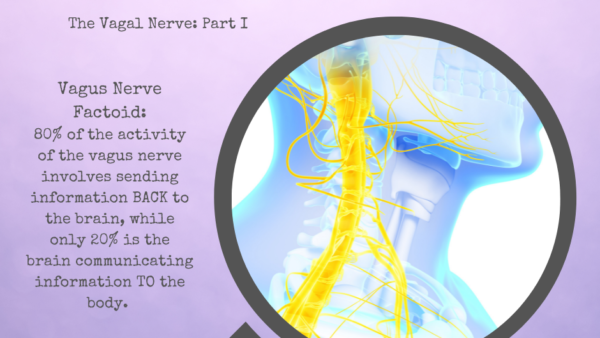
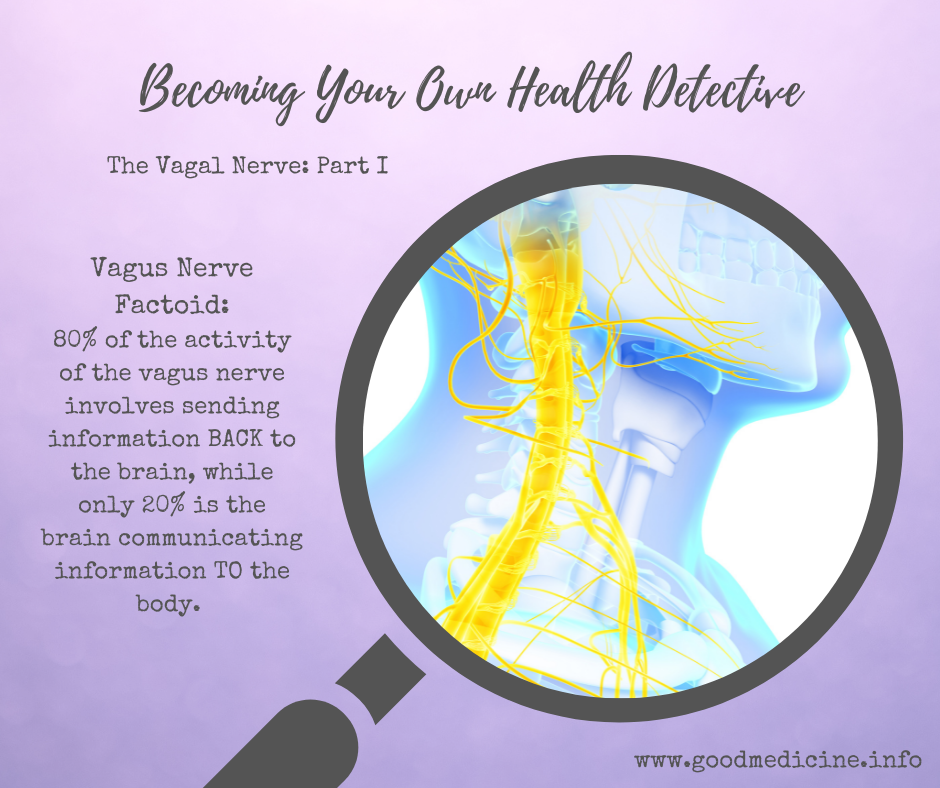
The vagus nerve is the longest cranial nerve, extending from the brainstem to the colon. It is responsible for the “rest and digest” activity of the heart, lungs, and digestive tract, with quite a few additional responsibilities added in for good measure. Some of its major contributing functions include:
⭐️Regulation of appetite
⭐️Control of bowel movements
⭐️Regulating heart rhythm
⭐️Stimulating gastric juice production
⭐️Regulating sweating
⭐️Regulating breathing
⭐️Controlling inflammation response
⭐️Encouraging testosterone production
⭐️Stimulating growth hormone (In adults, this is important for retaining muscle mass, strength, prevention of osteoporosis, concentration, preventing memory loss, and even slowing balding)
⭐️Regulating mood and emotions
⭐️Promoting healthy kidney and bladder function
⭐️Lowering and controlling blood sugar concentrations 
⭐️Triggering the release of melatonin
⭐️Stimulating the body’s relaxation response allowing a more rapid recovery from stress, injury, or illness
⭐️Encouraging the storage of strong memories in the amygdala (which is essential for bonding and connecting with others relationally)
The vagus nerve also sends sensory information (on what we see, feel, taste, and hear) to the brain, and is intimately involved as a courier of information allowing the microbiome (the gut bacteria) to directly communicate with the brain. You might have heard of this referred to as the gut brain axis. This is extremely important because many of our neurotransmitters (especially serotonin and oxytocin…. two that contribute to the state of happiness) are directly affected by this feedback.
Having a low or poor vagal tone has a profound effect on the body. Clues pointing to possible vagus nerve dysfunction include:
🔎IBS, Ulcerative colitis, and Crohn’s Disease
🔎Obesity, weight gain or weight loss
🔎Chronic fatigue
🔎Depression
🔎Irregular heartbeat (both too fast or too slow)
🔎Stomach ulcers
🔎Chronic inflammation
🔎Gastroparesis  (slowed movement of food from the stomach to the small intestine)
🔎Difficulty speaking, hoarse, or wheezy voice
🔎Pain in the ear
🔎Unusual heart rate 
🔎Loss of gag reflex
🔎Chronic abdominal bloating or pain, nausea or vomiting
🔎Anxiety
🔎Brain fog
🔎Dizziness
🔎Frequent headaches / migraines
🔎Insomnia
🔎Frequent urination
🔎Poor glucose control
🔎Food sensitivities
🔎Chronic feelings of disconnectedness or loneliness (Interesting, right? ) 
Common Causes of vagus nerve damage include:
🔥Chronic alcohol abuse
🔥Chronic stress / anxiety (Please revisit the information on ways to combat stress effectively!)
🔥Braces or extensive dental work (Revisit the post on the effect teeth have on the entire body)
🔥Posture (Revisit the clues related to posture.)
🔥Complications resulting from surgeries (especially those affecting the small intestine or stomach)
🔥Viral infections which are upper respiratory system focused
🔥Aging
🔥Botox injections
🔥Heavy metal toxicity (Heavy metals can be found in tooth fillings, vaccines, environmental contaminants, and even makeup. Young Living’s Savvy Minerals is a safe, beautiful and clean alternative! )
🔥Certain medications that affect the nervous system, including opioids, stimulants (ex: ADHD medications), immunosuppressants, sedatives, and many other prescription and OTC drugs. This is one more reason to identify and incorporate lifestyle changes whenever possible to avoid chronic drug use. Every single medication exerts a negative effect outside its intended target. 
The vagus nerve is a key player in living a life of resiliency.🙌 It will come as no surprise that people with high vagal tone have lower incidence of diabetes, strokes, and cardiovascular diseases. They also tend to find it easier to relax😴 after stressful situations, are physiologically 💪stronger, happier, more empathetic, better able to concentrate and remember, and are more likely to have close relationships with others👫. Vagal tone is kind of a big deal! Luckily for all of us, there are some really fun and practical ways to show the vagus nerve a little extra TLC on the regular. 
Test your gag reflex sometime soon. (Use a spoon handle and gently tickle the back of the throat on both sides. If you don’t have a gag response to the spoon handle, you’ve got some work to do😉!). 
Next week I’ll cover simple ways to incorporate vagal TLC techniques into daily life. It’s important to keep the vagal nerve happy and healthy!
xoxo~ liz
www.goodmedicine.info
#sharingiscaring
#caringforyourvagusnerveisgoodmedicine
#healthdetective
#goodmedicine
#thanksYL
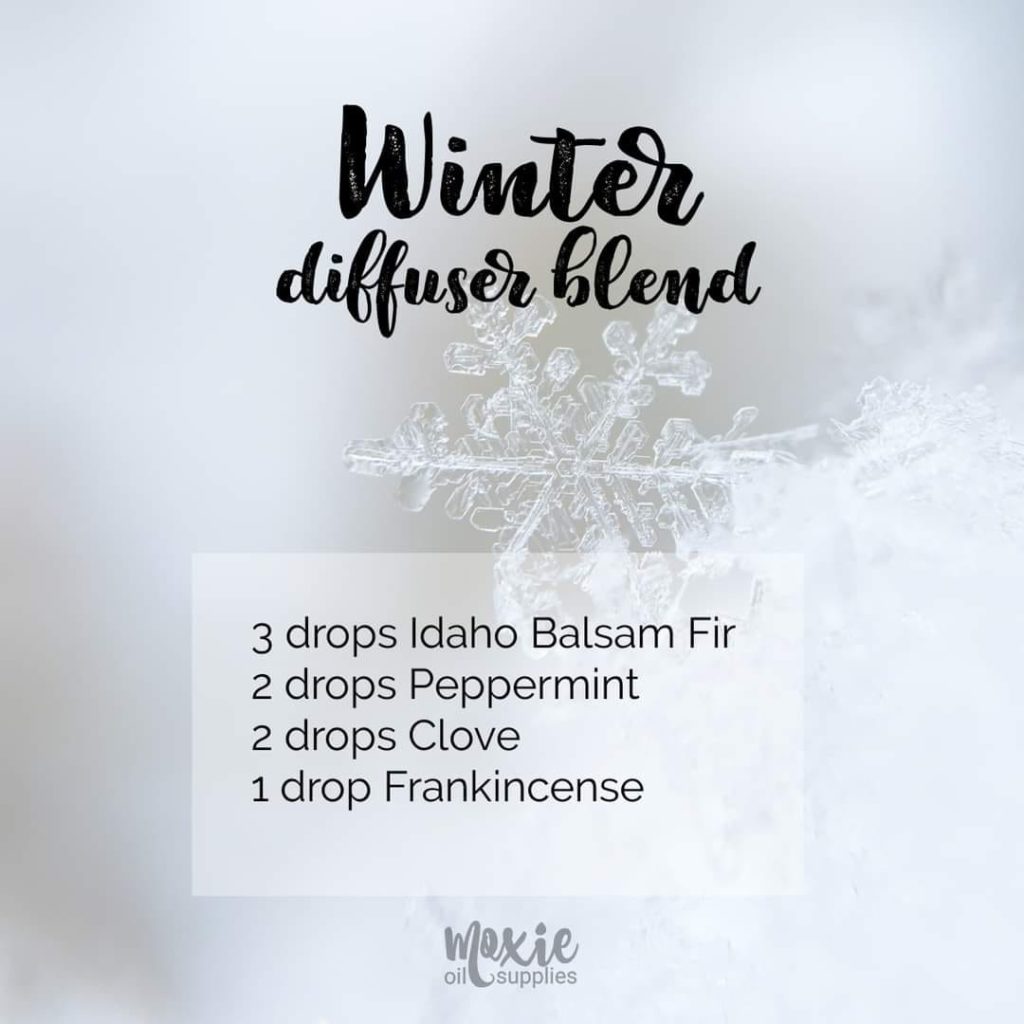
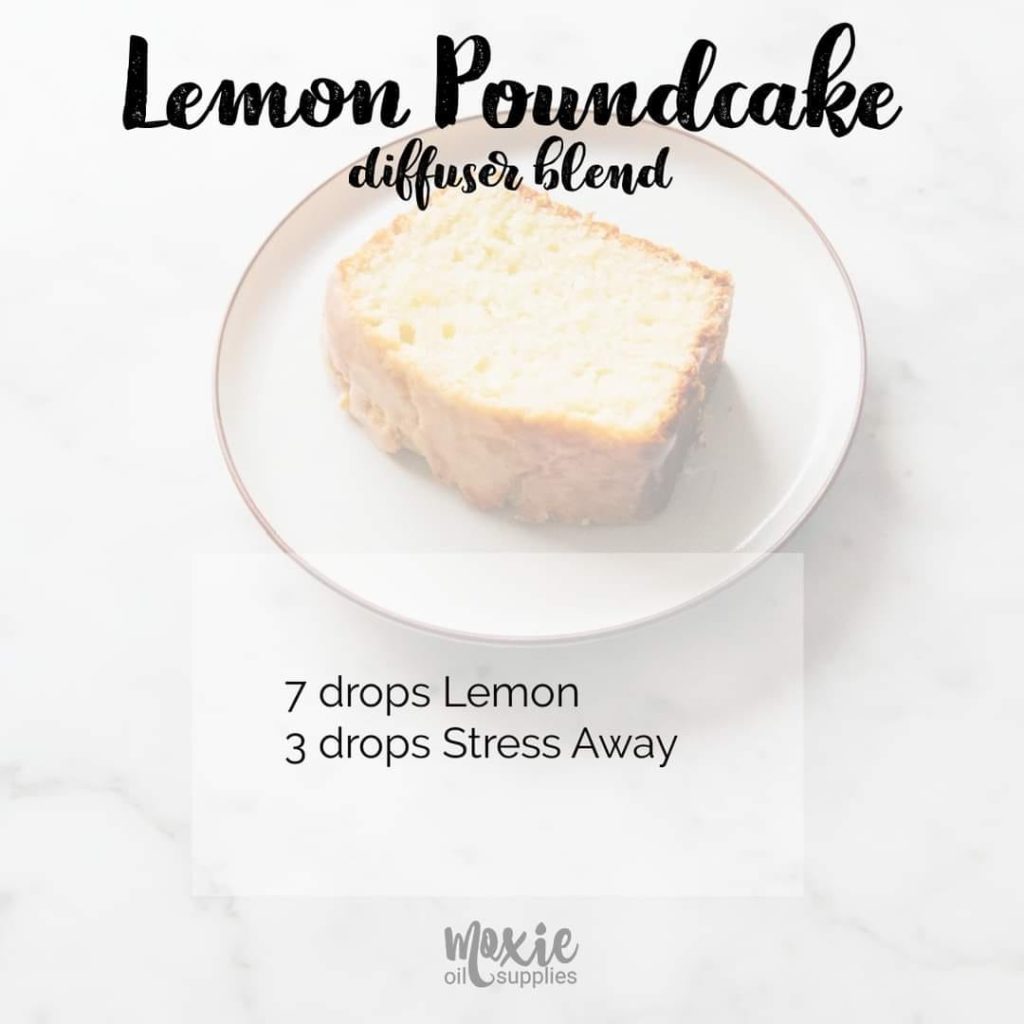
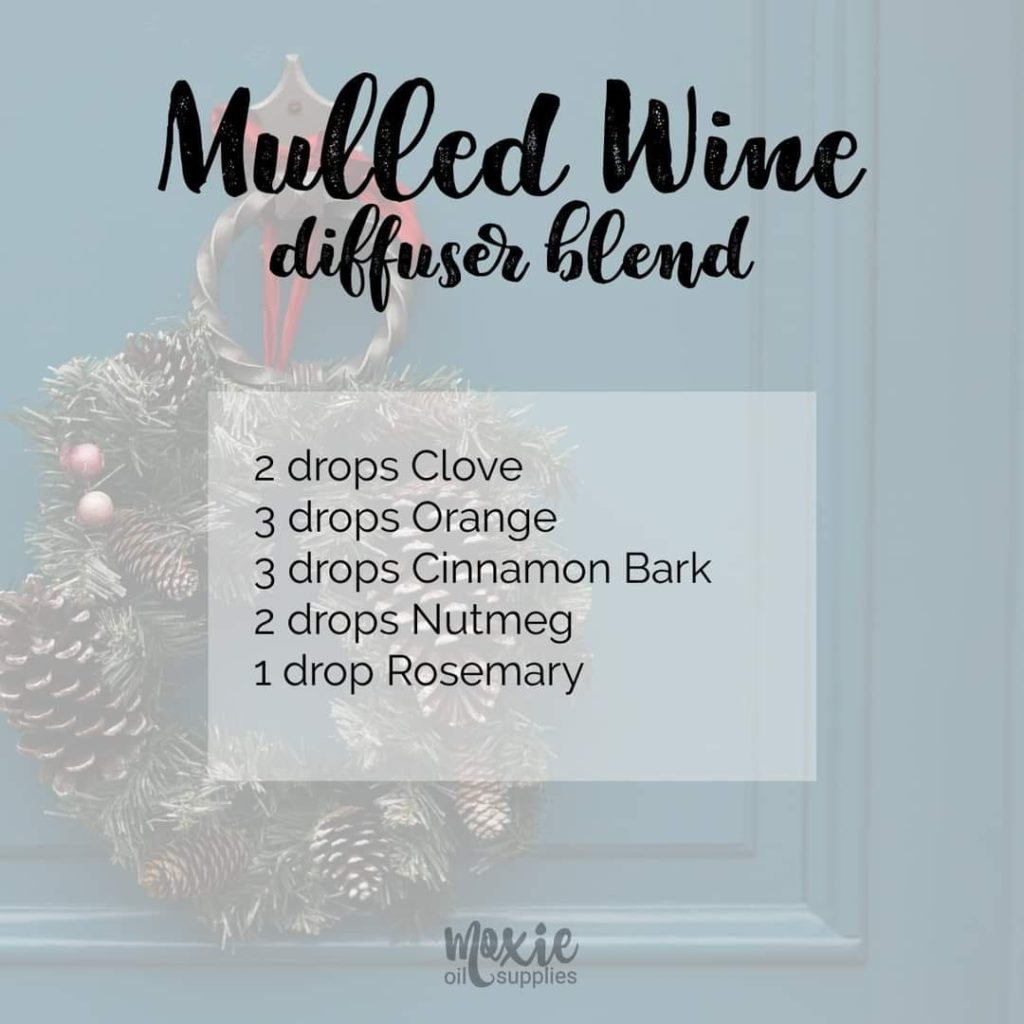
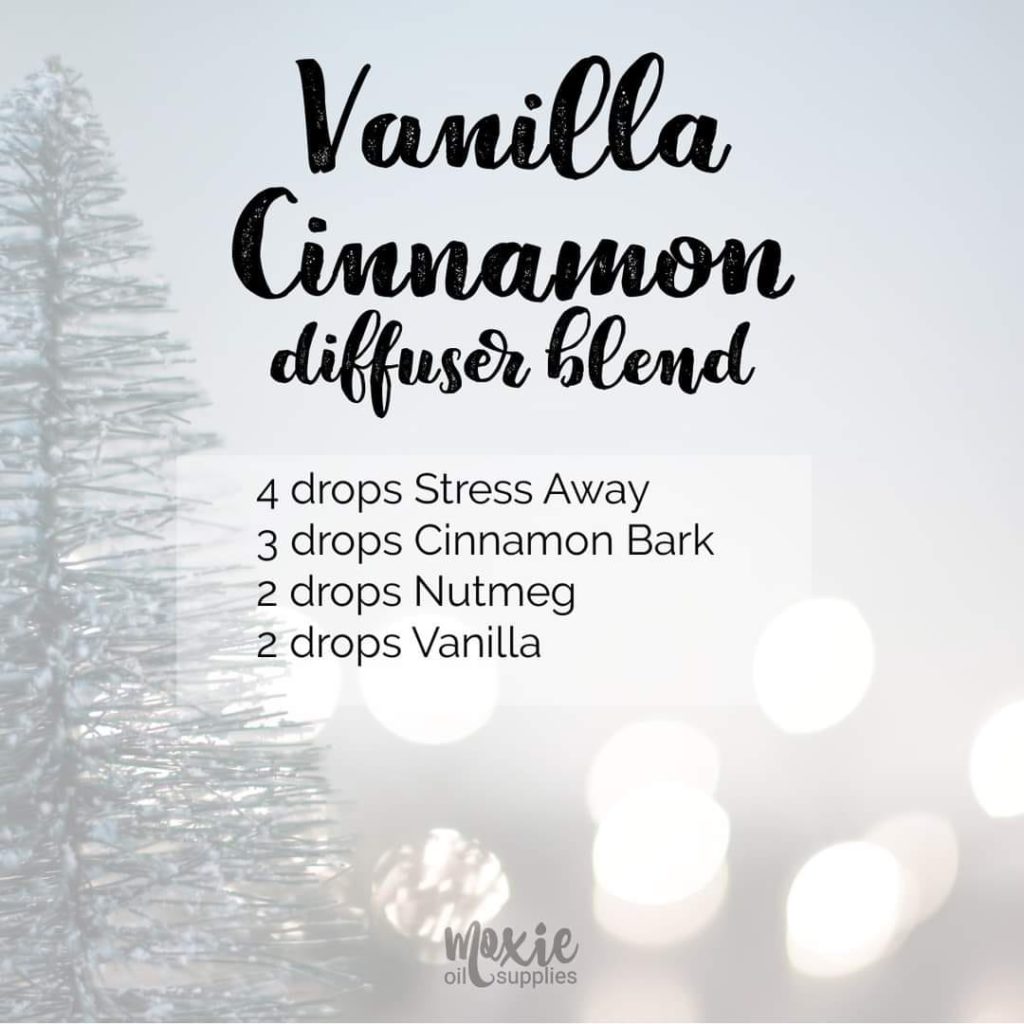
Christmas Scent Diffuser Blends

Liz James · December 3, 2021 ·

Years ago, (before I knew better), I’d stock up on all the Christmas candles and plug ins from Baths and Bodyworks when they went on sale. Ugh…😬😳…. but I just didn’t know any better. 


Once you know, you can’t unknow. 


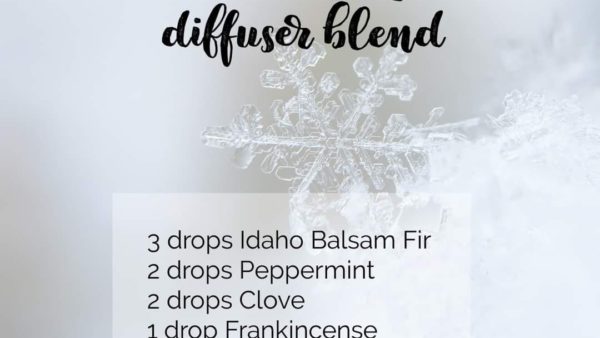
Here are some excellent Christmas scent diffuser blends to make your season scent filled in healthy ways! Just like cars, food (and even  crayons 😉 ), quality matters with essential oils. I won’t give you the pharmacist science-y reasons here, but I’d be happy to share what I know with anyone who wants to chat sometime….. #iykyk !
Simple changes can make profound impacts on life, both now and for our future selves.


Merry Christmas month friends! 
xoxo~ liz
 
#knowbetterdobetter
#toxinfreeforahealthierme
#thanksYL 
#knowingyouringredientsisgoodmedicine

Postpartum Anxiety

Liz James · October 13, 2021 ·

Postpartum depression. It affects 10-15% of women post pregnancy, and often begins a merrygoround of medication use that is hard get off. Take a few minutes to read this gal’s story. She is not alone. 
Several years ago at the pharmacy, I began asking women who were getting new prescriptions for antidepressants or antianxiety medications if they had received labwork prior to being handed a first time antidepressant or antianxiety  prescription by their doctor. Remarkably, 95% or more had not. 
This issue isn’t always about low progesterone (read the story) . It could be an unresolved thyroid issue, a low Vitamin D level, or many other possibilities fairly easily spotted by doing proper labwork analysis.  Sadly, insurance often won’t pay for this, and many doctors who work for a medical conglomerate healthcare system won’t order the needed labs because it falls outside of the approved diagnostic protocols set by upper management or insurance companies. 
Save yourself some time and grief and get the labs necessary by paying out of pocket. It can be done easily in most states. This is one of the services I offer in my health coaching calls. It just might change your life. 😘
https://www.madinamerica.com/…/postpartum-anxiety…/…
xoxo~ liz
www.goodmedicine.info
#sharingiscaring 
#ThanksYL 
#thoroughlabworkisgoodmedicine  
#listentoyourbody

postpartum anxiety

Life is Better with Oils!

Liz James · October 13, 2021 ·

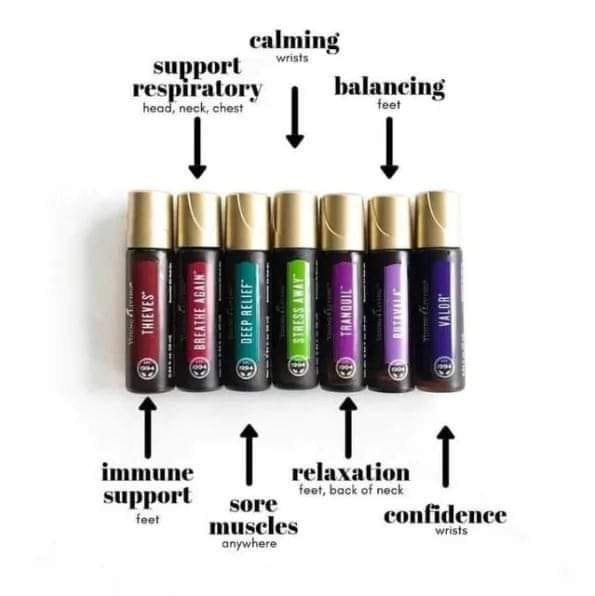
I’ve got….
👍Thieves on my nightstand and in my purse…
👍Breathe Again on my desk and in my purse…
👍Deep Relief on my desk and in my gym bag…
👍Stress Away in my purse (I used to keep it in my lab coat at the pharmacy and use it a gazillion times a day)
👍Tranquil on Charlie’s nightstand and Rutavala on mine
👍Valor on my desk.
They only work if you use ’em friends! 
Life is better with oils.

Health Clues from Your Hair – part 1

Liz James · August 17, 2021 ·

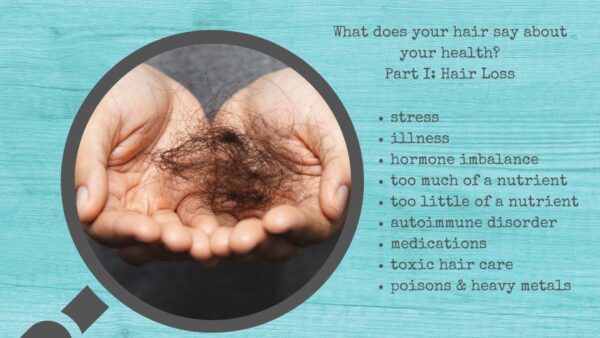
Hair is a sensitive and personal subject for many people. Globally, the hair care market is estimated to be about 87.9 BILLION dollars annually. Clearly, people like their hair!. So, if hair goes missing, thinning, or begins to fall out in handfuls, it may be an emotional experience.


Typically, the average adult head loses 80-100 strands of hair a day. If you’ve noticed greater hair loss, the first clue is to determine if thinning hair happened gradually or abruptly and if in patches or across the entire scalp.


One of the most common hair loss triggers is stress and/or😷 illness. Our body perceives mental stress in the same way it responds to excessive physical stress. Persistent high levels of cortisol arrests hair growth and contributes to excessive shedding of hair. If stress remains elevated for an extended period of time, hair will often thin and even turn gray. Bacterial and viral infections can also certainly trigger hair loss, specifically if fear or angst are emotions carried by the individual.
The good news is that stress related hair loss usually stops several months after the stress or sickness has abated.

Stress management is a KEY component to a healthy lifestyle and healthy hair. At no time does it become more important than when the body is already fatigued from fighting an illness. Do not underestimate the power of emotionally supportive oils such as Young Living’s 🙏Stress Away, Peace and Calming, and Valor🙏!

Other additional tress “de-stressing” tips include:
*Incorporating a healthy diet of fruits and vegetables and food high in Omega 3’s, while avoiding processed foods! If you feel that you may not be getting enough Omega 3’s in your diet, add in Young Living’s OmegaGize3 to fill in the gaps! You’d be surprised at how much our bodies (and hair) actually need. Consider also stepping into an anti-inflammatory diet. (Message me privately and I can connect you with a wonderful 28 day program that has helped many people walk through this in a community setting.)
*Detox your body, making sure to drink plenty of water in the process
*Get plenty of sleep
*Let hair air dry
*Avoid using toxic chemicals or synthetic ingredients on hair and scalp, especially those that contain sulfates and parabens.
*Thankfully, we have a full line of healthy and natural body and hair care products available to us with our Young Living membership!


💈Other causes of hair loss include:
👉Hormonal changes due to pregnancy or post pregnancy
👉Too much vitamin A or selenium in a diet or supplement regimen.
👉Not enough protein in a diet
👉Genetics ( male or female pattern baldness)
👉A hormonal imbalance (including PCOS)
👉Low Iron, biotin, Vit D, or Zinc
👉Certain autoimmune diseases
👉A thyroid imbalance
👉Losing weight too quickly (also commonly happens after bariatric or metabolic surgeries)
👉Over processed or chemically exposed hair/scalp
👉Gluten sensitivity
👉A calcium to magnesium ratio imbalance. If the calcium to magnesium ratio is “heavy” on the calcium side in the body, calcification can occur in areas of the body (dangerously in blood vessels) including hair follicles. The calcification stifles hair growth and starves the area of nutrients. While calcium excess is stored in the body, magnesium is not. Additionally, there is a strong cry to “take calcium” to prevent osteoporosis, but rarely do we hear much about taking magnesium to prevent it. Too much calcium and not enough magnesium will eventually contribute to brittle bones. Not all magnesium supplements are created equal in terms of bioavailability. Thankfully, Young Living has done a masterful job of incorporating the right kinds of magnesium in supplements like Super Cal Plus , Master Formula, and the Kidscents Unwind!


Finally, there are many many medications that may cause hair loss:
💊Certain blood thinners such as warfarin and heparin
💊Beta blockers and ACE inhibitors (two classes of blood pressure meds)
💊Biologics (commonly used for certain autoimmune disorders) such as Humira, Amjevita, and Enbrel
💊NSAIDS (the longer the use, the more likely the hair loss)
💊Some antidepressants including Prozac, Zoloft, Paxil, Lexapro, and Wellbutrin
💊Anabolic steroids (leads to a hormone imbalance)
💊Metformin (depletes folate and B12 which are needed for hair growth)
💊Certain acne meds containing isotretinoin (a Vit A derivative… see above)
💊Antibiotics (long term use is especially problematic. The gut lining becomes damaged and nutrients required for hair growth are not absorbed properly)
💊Anticonvulsants
💊Statins
💊Neurontin (commonly used for neuropathy)
💊Hormone therapy (including birth control pills)
💊Some acid reducers (including Tagamet and Pepcid)
💊Heavy metals and poisons including arsenic, thallium, and mercury
Certainly, hair loss may sometimes be out of our control, but there is much that can be done to mediate it, once the reason(s) has been identified! Thorough lab work including a full hormone panel, thyroid panel, and testing for nutritional deficiencies often provides solid evidence as to why a body’s northernmost real estate has become sparsely populated.
“Treat your hair like royalty. It’s the crown you never take off.”
xoxo~ liz


#sharingiscaring
#healthyhairisagoodclue
#goodmedicineisknowningyourhair
#ThanksYL

  • « Go to Previous Page
  • Page 1
  • Interim pages omitted …
  • Page 4
  • Page 5
  • Page 6
  • Page 7
  • Page 8
  • Interim pages omitted …
  • Page 13
  • Go to Next Page »

Book Your Health Coaching CallBook Now

Elizabeth James

469.425.9091

ebj0203@gmail.com