• Skip to primary navigation
  • Skip to main content
Book Your Health Coaching Call
Good Medicine

Good Medicine

Holistic Health Coaching

  • Home
  • Liz James
    • About Liz
    • Coaching
    • Book a 20 Minute Complimentary Coaching Call
  • Favorite Resources
    • BlessedByHisBlood
    • Young Living
    • Fast Like A Girl Certified Coach
    • Order supplements through my Fullscript store
    • Green Pasture (Coupon: Health10)
    • RogersHood Apothecary (Coupon: BEABLESSING for 10% off)
    • DolphinMPS
    • Company
    • Abundance
  • My Books
    • Becoming Your Own Health Detective Volume 1
    • Becoming Your Own Health Detective Volume 2
  • Blog
  • Cart

Depression

Dopamine Deficiency -part 2

Liz James · January 24, 2022 ·

Dopamine Deficiency Part II: The Medication Connection

When the topic of substance abuse is broached, the neurotransmitter dopamine is often brought into the conversation. Recalling our earlier discussion, dopamine contributes to feelings of pleasure and satisfaction and directly influences the way our brain achieves happiness by “guiding” our behavior to get to that feeling. Heroin, cocaine, and MDMA (ecstasy) are three of the bigger illicit guns that initially trigger a surge of dopamine in the body. Sugar also induces a massive (but short lived) dopamine surge. The body is filled with protective mechanisms (thankfully!), and if dopamine surges continue, a mechanism will kick in that reduces the number of dopamine receptors available for triggering. Consequently, it becomes harder and harder to achieve the same feelings of pleasure. As you may have already guessed, common opioid prescription medications do this too especially when used chronically. Some offenders would include:
💊Hydrocodone
💊Codeine
💊Tramadol
When you review the introduction to dopamine deficiency (see Part I), you’ll notice that neurodegenerative conditions, chronic back pain, aches and pains, and persistent constipation are symptoms of deficiency. Those are also four very common complaints in people who use these pain medications chronically. Certainly, other factors are involved as well (do some digging!), but dopamine deficiency plays a significant role.
Dopamine sabotage by way of medication💊 is also an unfortunate common side effect of drugs that block dopamine binding to receptor sites. When a medication does this, dopamine cannot “do its work” in the body.
💊Haloperidol is used to treat schizophrenia, Tourettes, and severe behavioral problems in children and adults.
💊Risperidone is used to treat schizophrenia, disinterest in life, strong or “inappropriate” emotions, or disturbed thinking.
💊Metoclopramide is used to treat GERD, nausea/ vomiting, and slowed gut motility.
💊Olanzapine, Aripiprazole, Quetiapine are used to treat schizophrenia, bipolar disorder, and depression.
💊Buspirone is used to treat anxiety.
🧐If you were to pick up and read a package insert on each of these medications, you would find side effects listed giving evidence of dopamine deficiency (refer to Part I for symptoms).
What I write next might be the most technical and one of the most important concepts to understand in this entire book, so stay with me…. even if the slogging feels uphill! According to the National Institute of Mental Health (NIMH), an estimated 1 in 5 adults have a mood disorder in the USA. Sadly, when prowling around the NIMH website, I found very little in the way of suggesting lab work to rule out a hormonal, thyroid, or nutrient imbalance, or selfcare suggestions (clean diet, well developed exercise routines, tips on improved sleep hygiene, or connecting with a high frequency community, and most importantly, having a personal relationship with God). The website is quick to advocate for mental health medicating. Go figure.
💊Selective Serotonin Reuptake Inhibitors (SSRI’s) are a class of drugs used to treat depression, anxiety, and other mood disorders. Common SSRI’s include 💊Citalopram, 💊, Fluoxetine, 💊Paroxetine, and 💊Sertraline. By definition, this class of drugs is supposed to be “selective” in their mechanism of action, and while they are marketed as products that raise serotonin in the brain, they simultaneously lower dopamine levels significantly. Additionally, there is very strong evidence that, depending on the individual and the SSRI used, there may be a significant effect on the HPA (hypothalamus, pituitary, adrenal) axis in the brain, where cortisol, hormones (including serotonin and dopamine) are regulated and long term memories are stored. The hypothalamus and the pituitary play a significant role in regulating the thyroid. You may imagine how important all of this is in balanced overall body and brain function.
I offer this information to you as clues, not as medical direction or individualized medical advice. Risk versus benefit should always be first and foremost whenever utilizing a medication, especially one that modulates “motherboard” (brain) activity. I read one doctor’s thoughts recently who described antidepressant use as a “sledgehammer to repair a fine watch.” Does the tool fit the need? That is only for you and your healthcare provider to decide.
Last week, I listened to a podcast that dovetailed into this topic. It is called “Unscientific Diagnoses Medicalize Normal Human Experience”. I’ve posted a link to this 30 minute podcast below. You won’t regret listening to it. We must get back to living in tightly knit communities where we love and care for one another well while also learning that experiencing emotions in a healthy manner is part of vibrant living. I’m so very very thankful for Young Living, because we exemplify that community, and there is plenty of room at the table for everyone who wants to #knowbetteranddobetter for themselves and their families.

We live in a broken world that is bandaged by a broken medical system. I encourage you to use your finely tuned tools for finely tuned processes in the body. Whenever possible, leave the sledgehammer in the shed.
Next week, I’ll discuss readily available inexpensive tools to help support optimal dopamine levels.
Until then~
xoxo, Liz

#caringissharing
#knowbetterdobetter
#dopamineisdope
#balanceddopamineisgoodmedicine
#goodmedicine
#BecomingYourOwnHealthDetective
#ThanksYL

(If you answered #2, you’d be correct!)

unscientific Diagnoses Medicalize Normal Human Experiences

Unscientific Diagnoses Medicalize Normal Human Experience

Liz James · January 17, 2022 ·

Last week, as I was getting ready at my hotel for a leadership conference, I listened to this mic🎤 💥drop podcast: “Unscientific Diagnoses Medicalize Normal Human Experiences”. I sat down late that night to share it with you all…. and wouldn’t you know it, the black hole of social media oblivion swallowed it when I hit “post”. So, here I am… back home ….. trying again! Yes, this information is THAT important… that I’m willing to write about it twice.

We are taught how to think. All of us. Healthcare professionals and laypersons alike. However, what we are taught isn’t necessarily true. Nonetheless, we believe and act upon those beliefs. This podcast shatters some of those beliefs that surround mental illness.

Key points of the podcast:

  • There is no research evidence for a chemical imbalance that leads to mental health problems. Example: Low serotonin levels are blamed for depression. This is an overly simplistic myth perpetuated by Big Pharma. The reality is that serotonin levels cannot be easily measured in the brain (if at all).
  • Where do ideas about the cause of mental distress come from? We (as a cumulative society) are led to believe they come from a chemical imbalance as perpetuated by prescribing physicians, pharmaceutical ads (a pill will fix ya), pop culture (normalization of a pill for everything), and interaction with family and friends who endorse the “pharmaceutical fix” model. (note: in cultures where Big Pharma 💊 doesn’t have a big footprint, mental health disorders are quite low.)
  • Side effects of antidepressants include chronic depression (that’s a fact).
    Normal human experience includes suffering in life. Suffering may mean something different to each of us. Perhaps it is grief, social shyness, disappointment, fear, angst, or __ (fill in your blank). Experiencing suffering does not mean the brain is broken….. it just means you (we) all are living a human experience and processing emotions as we go. Don’t get me wrong….. psych medications definitely numb the mind and do so without differentiation. When suffering is numbed, so is joy. Psych meds could be considered an emotional anesthesia, but here’s the thing….. anesthesia by itself doesn’t heal does it? Acknowledging the problem and then working on the root cause is wherein lies healing (and living fully).
    Community, whether that be family, friends, or a combination of the two is balm to healing. Generational curses (Biblically speaking) are very real, more real, I would argue (based on science and the word of God) than an estimated low neurotransmitter in the brain. Generational curses can be broken. It starts with us to break them. Purposefully and intentionally.
    Find your tribe friends. We were not meant to be islands. We are to lean on one another in times of joy and in need. Yes we have tools of all variety available to us of the natural variety in addition to the Big Pharma ones. Do you want numbing or do you want deep true healing?
    No medical advice given here, other than this: Know truth and then do with it what you will. It just might change your life.
    Oh…. final thought and not mentioned in the podcast. There are MANY biological imbalances that can aggravate emotional peaks and valleys. Hormones, thyroid, vitamin and mineral deficiencies are not uncommon culprits, but it takes a good sleuth willing to spend the time looking for the clues. These ARE measurable in the body. Request comprehensive labwork before accepting any prescription. If your doctor or insurance company won’t honor this request (and I do mean comprehensive!), find one that will.
    xoxo~ liz
    If you have questions about what comprehensive labwork looks like, let’s chat!
#sharingiscaring
#livinglifetoitsfullest
#emotionsarepartofliving
#processingemotionsisgoodmedicine
#ThanksYL

Click black box below for full article.
unscientific diagnoses medicalize normal human experience

Postpartum Anxiety

Liz James · October 13, 2021 ·

Postpartum depression. It affects 10-15% of women post pregnancy, and often begins a merrygoround of medication use that is hard get off. Take a few minutes to read this gal’s story. She is not alone. 
Several years ago at the pharmacy, I began asking women who were getting new prescriptions for antidepressants or antianxiety medications if they had received labwork prior to being handed a first time antidepressant or antianxiety  prescription by their doctor. Remarkably, 95% or more had not. 
This issue isn’t always about low progesterone (read the story) . It could be an unresolved thyroid issue, a low Vitamin D level, or many other possibilities fairly easily spotted by doing proper labwork analysis.  Sadly, insurance often won’t pay for this, and many doctors who work for a medical conglomerate healthcare system won’t order the needed labs because it falls outside of the approved diagnostic protocols set by upper management or insurance companies. 
Save yourself some time and grief and get the labs necessary by paying out of pocket. It can be done easily in most states. This is one of the services I offer in my health coaching calls. It just might change your life. 😘
https://www.madinamerica.com/…/postpartum-anxiety…/…
xoxo~ liz
www.goodmedicine.info
#sharingiscaring 
#ThanksYL 
#thoroughlabworkisgoodmedicine  
#listentoyourbody

postpartum anxiety

Zinc Deficiency

Liz James · October 5, 2021 ·

‘Tis the season to chat about zinc (or lack thereof!). Frankly, we should have had this discussion two years ago…..better late than never, right? First, take a close look at the clues I dropped in the graphic, and then hop back here to tackle this very important topic!


Approximately 25-33% of the population is deficient in zinc. The World Health Organization says zinc deficiency is the 5th leading life-threatening factor in the world, especially in 57% of the elderly population.  Kind of a big deal for a micronutrient! At least 16% of all deep respiratory infections are related to a zinc deficiency (impaired taste and smell, fever, cough, sore throat, generalized weakness, pain and achy limbs, runny nose, and even occasionally…. diarrhea😬 are all symptoms of deficiency btw).


Why? Zinc is one of the white hat good guys . It has over 200 known roles in body function (just take a look again at some of the clues related to low zinc), and is a key player in our immune system:
✅Adequate zinc is essential for preventing viral entry and also supports appropriate viral response in host cells.
✅Adequate zinc supports ciliary strength and action in the lungs. These are tiny hairlike structures in the lungs that help prevent mucus buildup.
✅Adequate zinc levels directly inhibit viral replication.
✅Adequate zinc levels have a supportive role in balancing immune response during a dis-ease process. 


Additionally, 🔥zinc deficiency🔥 has been shown to play a role in:
🔥Type I Diabetes
🔥Rheumatoid Arthritis
🔥Cancer
🔥Neurodegenerative diseases
🔥Depression
🔥Malaria
🔥HIV
🔥Tuberculosis
🔥Measles
🔥Pneumonia
🔥Hormone imbalance


Zinc Factoids: 
👉Excess is not stored in the body. Intake must occur daily. 
👉Both deficiency and excess can negatively impact immune system function. This is but one reason to have thorough blood work run by a healthcare professional who will take the time to do a complete analysis. 
👉Zinc “overload” is rare, but can certainly happen. When it does, it is usually  due to a copper deficiency or zinc:copper ratio imbalance. (again, labwork!)


How did we become a world of zinc deficient people? Toxins and poor farming practices. Overworked soil and fertilizers containing too much phosphorus (which binds zinc) are to blame. Zinc cannot enter into the plants and then fails to make it into the food chain.


High toxin☠️exposure is also to blame. Just one more excellent reason to kick your known household toxins to the curb (toxins typically found in mainstream cleaning products, personal care items, processed foods and beverages, makeup etc).

Thankfully, we have solutions in place🙌 with Young Living Thieves Household Cleaner, a wonderful skincare line, and even our amazing YL Savvy Makeup collection. Kicking toxins to the curb is so easy knowing that pure unadulterated excellence is waiting to replace them!


Other causes of zinc deficiency:
🔥Chronic stress (depletes zinc rapidly)
🔥A high copper to zinc ratio
🔥Leaky gut and digestive disorders (zinc deficiency is both cause and effect!)
🔥Medication usage: ACE inhibitors (blood pressure), antacids and proton pump inhibitors, glucophage, beta blockers (blood pressure), birth control pills, corticosteroids, diuretics, NSAIDS, and statins are among those known to deplete zinc.


The USDA recommended daily allowance for zinc is 10-12 mg/day, but this does not account for the amount of toxins a person may be regularly exposed to. Many functional medicine doctors suggest that optimal daily zinc should be 20-40mg/day. 


Foods high in zinc include pumpkin seeds, grass fed dairy (ex: Kerrygold Butter) , cashews, almonds, spinach, asparagus, dark chocolate, grass fed meat, salmon, mushrooms, and turkey.


Thankfully, we also have several Young Living Supplements containing zinc to supplement what we may get from food:
*Organic dried Wolfberries (1.8mg per 100gms)
* Immupro chewable tablets (5mg/tablet)
*Super B (3mg/2 tablets)
*Powergize (5mg / capsule)
*Balance Complete (4mg/ serving)
*AminoWise (2.1mg/ serving)
*Master Formula (15mg/packet) 
*MegaCal (1mg/serving)
*MightyVites (for the littles….. 1.1mg/tablet) 
*Mineral Essence (contains Zinc and 61 other important trace minerals)
*NingXia Red (contains zinc by virtue of its ingredients. I was unable to determine how much zinc it has per serving)


It’s a good idea to achieve the RDA minimum requirements on a daily basis (especially since zinc is not stored in the body!). My personal preference is to try to achieve the optimal recommendations by way of the foods I eat, and then supplementing with a variety of what is available to us with a Young Living membership. Immupro and Master Formula are two of my faves!   In the event of illness, a larger mg/day may be needed.


Finally, there is a test you can do at home. It’s called a zinc tally/challenge (you can find more info on this online). It is an oral “taste test”. What you taste (no or weak taste versus a strong metallic taste) is an additional clue for the “health” of your zinc levels. 


As always, do your research, and consult your favorite healthcare professional who should be well versed in analyzing blood work if you suspect you may have a zinc deficiency.
xoxo~ liz

#sharingiscaring
#ThanksYL
#watchyourzinc
#Goodmedicine
(PS: if you do not have a health care professional, I do offer blood work analysis)

Health Clues in Your Colon part 2

Liz James · June 1, 2021 ·

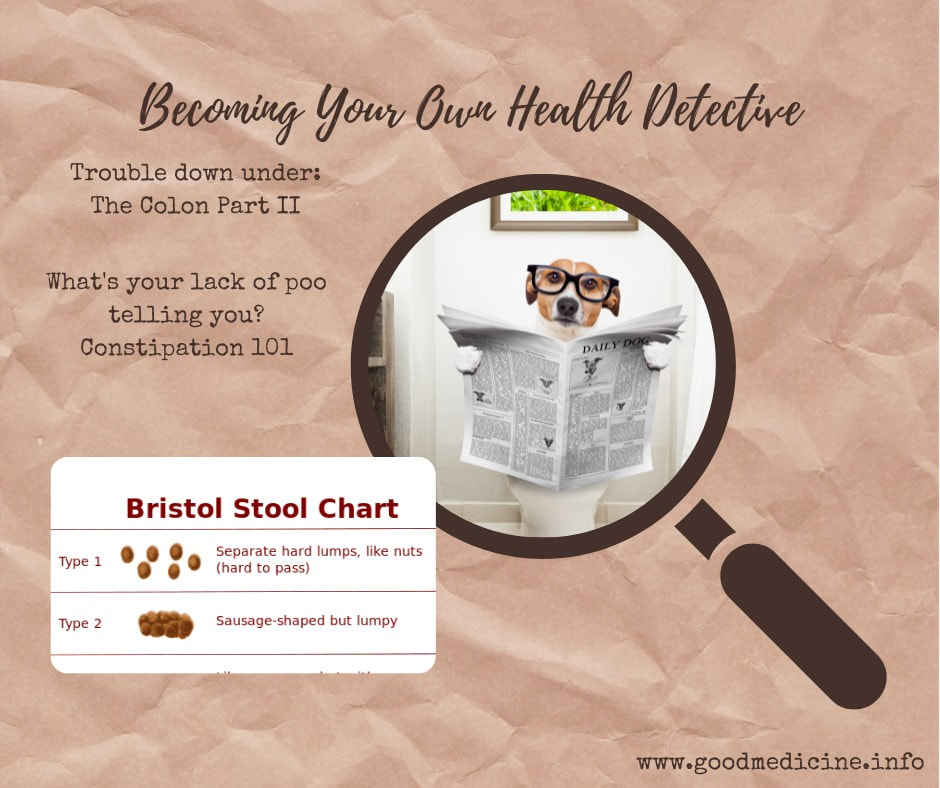
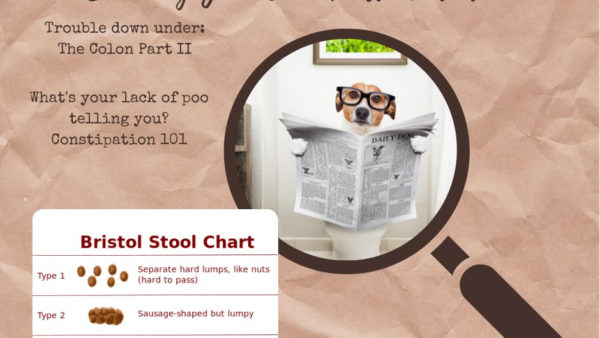
What’s your lack of poo 💩 telling you? Colon Part II
There’s no time like the present to start talking about poo, or in this chat…. lack thereof! Chronic constipation affects roughly 28% of the North American population if we abide by the western medicine general rule that it’s “okay” to have only 3 bowel movements a week. (No wonder we have so many chronic illnesses based on this information alone!😱)
Let’s flush that “3 times a week okay-ness”, and look at how an optimally healthy colon should be functioning.
Healthy gastrointestinal transit time should run somewhere between 12 and 24 hours…… optimally, 1💩 to 3💩💩💩 bowel movements a day help keep the toxin load of a body in check. What happens when the body’s toxin load grows due to lack of appropriate time on the throne? Sickness and dysfunction begin rearing their ugly heads in a variety of ways:
1. Weight gain – toxins stored in fat and it becomes increasingly difficult to lose weight.
2. Fatigue – metabolism is disrupted (yet another avenue of weight gain too!)
3. Skin irritation and rashes occur – we expel toxins thru poop, pee, breathing, and thru our skin. When pooping isn’t happening as it should, other organs often can’t keep up with the detox process either!
4. Headaches and migraines
5. Mood Swings
6. Joint and muscle pains and spasms
7. Insomnia
8. Increased or excessive sweating (the body is trying hard to shed the excess toxins!)
9. Constipation breeds an increased toxin load which leads to even more constipation!
Per statistics found on the National Institute of Health’s website, chronic constipation (THEIR version…. 3x/week pooping) accounts for over 5 million healthcare visits or hospitalizations per year, and over 5.3 million prescriptions written singularly for constipation.
These are large numbers☝️☝️, but imagine how much larger those numbers would be if they were to include not pooping daily and the subsequent results….(numbers 1 thru 8 above).
Constipation is a clue, and it’s also largely fixable with lifestyle changes. Oftentimes, if you fix constipation, other health concerns will also begin to quietly fix themselves! 😉
Low fiber eating habits (ie: processed foods), lack of gut microorganism balance (YL’s Life 9 is KEY here), lack of exercise, dehydration, certain medications (Opiates, some antidepressants, calcium channel blockers used to treat blood pressure and heart disease, medications used to treat Parkinson’s, Iron supplements, NSAIDS, diuretics, antihistamines are all known to cause constipation), a magnesium deficiency, hormonal fluctuations, hypothyroidism, SIBO (refer to earlier discussion) and even colon cancer are common contributors to constipation.
For most people, eating more whole fresh foods, exercising regularly, drinking plenty of quality water, and including a top notch probiotic food or supplement source (Did I mention Life 9 or MightyPro for the kiddos?) along with digestive enzymes (Essentialzyme, Essentialzymes-4, Detoxzyme, Allerzyme, or Mightyzyme for kiddos) will often solve the constipation conundrum.
For those who still need a little extra boost to get you on that throne consistently, consider adding in Young Living’s ICP (that acronym has been affectionately known to stand for “I see poop” amongst those who use it). #useittoloseit ICP is a powder (loaded with soluble fiber and other goodness) that is added to juice or smoothies, making it an easy addition to daily routine.
If constipation is something that plagues you, and you’ve tried #allthethings, it may be time to investigate possible food sensitivities, leaky gut syndrome, or severe gut dysbiosis (unbalanced gut bacteria) with the help of a health professional who is experienced working with patients in this demographic.
Happy flushing!
xoxo~ liz
#knowbetterdobetter
#healthcluesyoucanuse
#fixyourplumbing
#goodmedicine
#ThanksYL

  • « Go to Previous Page
  • Page 1
  • Page 2
  • Page 3
  • Page 4
  • Page 5
  • Go to Next Page »

Book Your Health Coaching CallBook Now

Elizabeth James

469.425.9091

ebj0203@gmail.com