
• Skip to primary navigation
  • Skip to main content
Book Your Health Coaching Call
Good Medicine

Good Medicine

Holistic Health Coaching

  • Home
  • Liz James
    • About Liz
    • Coaching
    • Book a 20 Minute Complimentary Coaching Call
  • Favorite Resources
    • BlessedByHisBlood
    • Young Living
    • Fast Like A Girl Certified Coach
    • Order supplements through my Fullscript store
    • Green Pasture (Coupon: Health10)
    • RogersHood Apothecary (Coupon: BEABLESSING for 10% off)
    • DolphinMPS
    • Company
    • Abundance
  • My Books
    • Becoming Your Own Health Detective Volume 1
    • Becoming Your Own Health Detective Volume 2
  • Blog
  • Cart

Virus & Bacteria

Ivermectin Safety Info

Liz James · September 3, 2021 ·

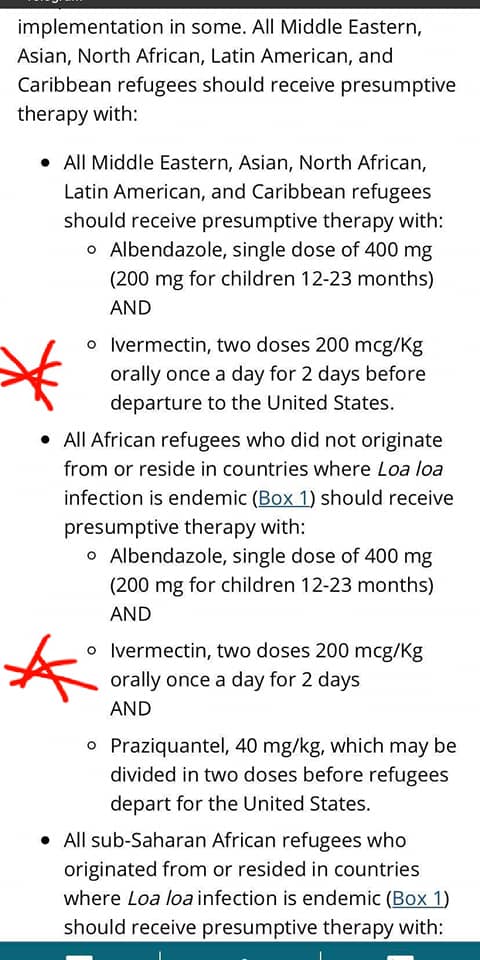
Please. Think on this. Aside from the fact that over 4 billion doses have been given in the last 40 years including children and pregnant women. Vilified truth should be looked at closely. Vilification doesn’t make truth untrue. Instead one might wonder why “they” are working so hard to do so.
As my wise grandfather used to say…. it’s a different kind of golden rule.  “Those with the gold make the rules.” (And perhaps distort the truth to keep the gold flowing).
As an additional point of reference, Tylenol is harder on the liver than IVM. In fact, there is a lovely study showing the benefits of IVM in treating non-alcoholic fatty liver disease (something an estimated 25% of North American have… and most are unaware they have it). 
I realize all this information takes a little digging, but surely….. if we have learned anything….. it is to revive the gift of discernment God has given each and every one of us.
Remember,  we are all worth more as a commodity to the Medical Industrial Complex (a real institution) if we are sick than if we are well, healthy, and living life using our gifts, talents, and treasures to help others. 🙏❤🙏

Covid 19, Gut Microbiome, and Glyphosphates

Liz James · August 21, 2021 ·

For those of you who like to dive a little deeper, this article is for you😘. 
The application of knowledge is power. Don’t let what you learn go to waste!
xoxo~ liz

covid-19,gut microbiota,glyphosate

Health Clues from Your Hair – part 1

Liz James · August 17, 2021 ·

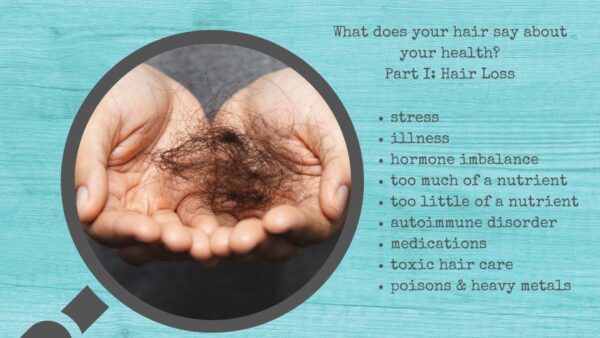
Hair is a sensitive and personal subject for many people. Globally, the hair care market is estimated to be about 87.9 BILLION dollars annually. Clearly, people like their hair!. So, if hair goes missing, thinning, or begins to fall out in handfuls, it may be an emotional experience.


Typically, the average adult head loses 80-100 strands of hair a day. If you’ve noticed greater hair loss, the first clue is to determine if thinning hair happened gradually or abruptly and if in patches or across the entire scalp.


One of the most common hair loss triggers is stress and/or😷 illness. Our body perceives mental stress in the same way it responds to excessive physical stress. Persistent high levels of cortisol arrests hair growth and contributes to excessive shedding of hair. If stress remains elevated for an extended period of time, hair will often thin and even turn gray. Bacterial and viral infections can also certainly trigger hair loss, specifically if fear or angst are emotions carried by the individual.
The good news is that stress related hair loss usually stops several months after the stress or sickness has abated.

Stress management is a KEY component to a healthy lifestyle and healthy hair. At no time does it become more important than when the body is already fatigued from fighting an illness. Do not underestimate the power of emotionally supportive oils such as Young Living’s 🙏Stress Away, Peace and Calming, and Valor🙏!

Other additional tress “de-stressing” tips include:
*Incorporating a healthy diet of fruits and vegetables and food high in Omega 3’s, while avoiding processed foods! If you feel that you may not be getting enough Omega 3’s in your diet, add in Young Living’s OmegaGize3 to fill in the gaps! You’d be surprised at how much our bodies (and hair) actually need. Consider also stepping into an anti-inflammatory diet. (Message me privately and I can connect you with a wonderful 28 day program that has helped many people walk through this in a community setting.)
*Detox your body, making sure to drink plenty of water in the process
*Get plenty of sleep
*Let hair air dry
*Avoid using toxic chemicals or synthetic ingredients on hair and scalp, especially those that contain sulfates and parabens.
*Thankfully, we have a full line of healthy and natural body and hair care products available to us with our Young Living membership!


💈Other causes of hair loss include:
👉Hormonal changes due to pregnancy or post pregnancy
👉Too much vitamin A or selenium in a diet or supplement regimen.
👉Not enough protein in a diet
👉Genetics ( male or female pattern baldness)
👉A hormonal imbalance (including PCOS)
👉Low Iron, biotin, Vit D, or Zinc
👉Certain autoimmune diseases
👉A thyroid imbalance
👉Losing weight too quickly (also commonly happens after bariatric or metabolic surgeries)
👉Over processed or chemically exposed hair/scalp
👉Gluten sensitivity
👉A calcium to magnesium ratio imbalance. If the calcium to magnesium ratio is “heavy” on the calcium side in the body, calcification can occur in areas of the body (dangerously in blood vessels) including hair follicles. The calcification stifles hair growth and starves the area of nutrients. While calcium excess is stored in the body, magnesium is not. Additionally, there is a strong cry to “take calcium” to prevent osteoporosis, but rarely do we hear much about taking magnesium to prevent it. Too much calcium and not enough magnesium will eventually contribute to brittle bones. Not all magnesium supplements are created equal in terms of bioavailability. Thankfully, Young Living has done a masterful job of incorporating the right kinds of magnesium in supplements like Super Cal Plus , Master Formula, and the Kidscents Unwind!


Finally, there are many many medications that may cause hair loss:
💊Certain blood thinners such as warfarin and heparin
💊Beta blockers and ACE inhibitors (two classes of blood pressure meds)
💊Biologics (commonly used for certain autoimmune disorders) such as Humira, Amjevita, and Enbrel
💊NSAIDS (the longer the use, the more likely the hair loss)
💊Some antidepressants including Prozac, Zoloft, Paxil, Lexapro, and Wellbutrin
💊Anabolic steroids (leads to a hormone imbalance)
💊Metformin (depletes folate and B12 which are needed for hair growth)
💊Certain acne meds containing isotretinoin (a Vit A derivative… see above)
💊Antibiotics (long term use is especially problematic. The gut lining becomes damaged and nutrients required for hair growth are not absorbed properly)
💊Anticonvulsants
💊Statins
💊Neurontin (commonly used for neuropathy)
💊Hormone therapy (including birth control pills)
💊Some acid reducers (including Tagamet and Pepcid)
💊Heavy metals and poisons including arsenic, thallium, and mercury
Certainly, hair loss may sometimes be out of our control, but there is much that can be done to mediate it, once the reason(s) has been identified! Thorough lab work including a full hormone panel, thyroid panel, and testing for nutritional deficiencies often provides solid evidence as to why a body’s northernmost real estate has become sparsely populated.
“Treat your hair like royalty. It’s the crown you never take off.”
xoxo~ liz


#sharingiscaring
#healthyhairisagoodclue
#goodmedicineisknowningyourhair
#ThanksYL

Is coronavirus Vaccine a Ticking Time Bomb?

Liz James · August 16, 2021 ·

is coronavirus vaccine a ticking time bomb article

Health Clues from Your Feet -part 2

Liz James · July 27, 2021 ·

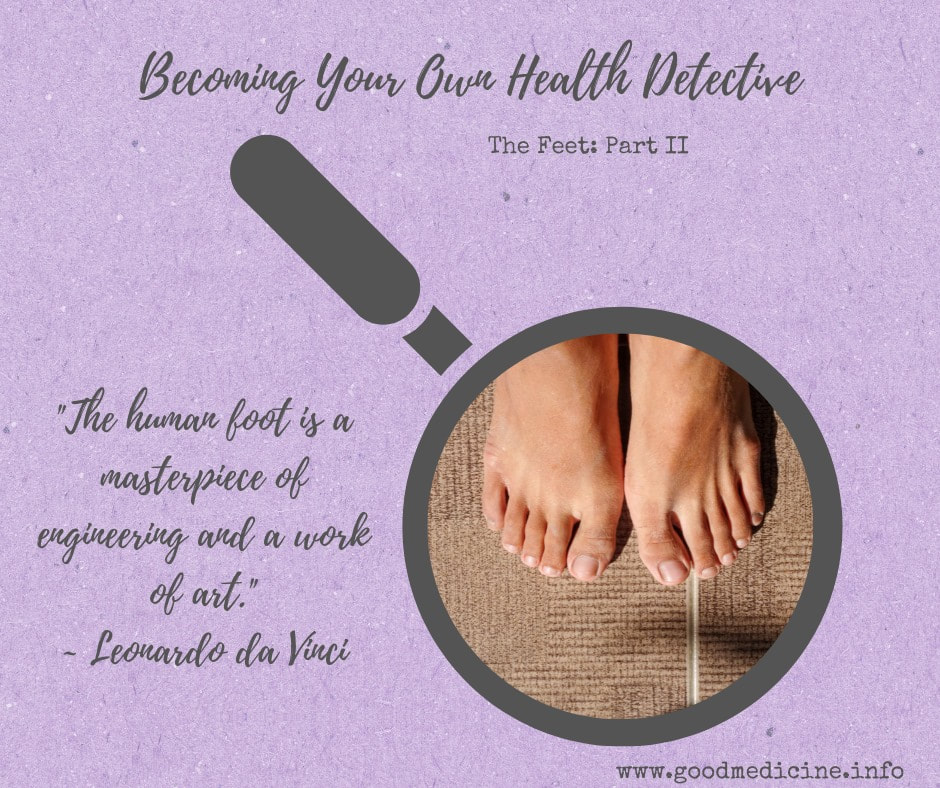
Before we move on to foot clues you feel internally, I wanted to touch briefly on the toenails. If you’ve been hanging with me this long, you may remember we spent quite some time on fingernail clues. Fingernails and toenails share many traits, and you may want to go back and revisit those posts for expanded details on your distal digits. Very briefly, these are some of the “biggies” for the toes:
*Clubbed toenails – often a sign of lung, heart, liver, or digestive disorders. Poorly oxygenated blood is usually the causative agent for curved nails. 
*Yellowed toenails – usually related to a fungal infection, but if most or all toenails are involved, look for other clues including swollen feet or ankles. Paired with lower extremity swelling, more toenails become involved and the nails appear to get thicker or seem to detach. These telltale tips may also involve clues related to lymphedema, lung disease, or autoimmune disorders such as psoriasis or rheumatoid arthritis. 
*Spoon shaped toenails – frequently a sign of iron deficiency or frequent exposure to petroleum based solvents. Know that there are  “clean” nail polish and nail polish removers available, and using them instead of toxin laden products is one more way to support healthy liver function! 
Chronically cold feet is a clue indicating impaired circulation. Decreased blood flow is commonly linked to smoking, heart disease, diabetes, anemia, digestive disorders, or hypothyroidism. Exercise and deep breathing techniques are two ways to improve circulation. Our bodies are designed to move, not to be still.😉
*Heel pain or pain that radiates from the heel to the arch of the foot (plantar fasciitis) is often a result of inflammation of the ligament attached to the heel bone which runs along the arch of the foot. Plantar fasciitis is often said to be most painful in the mornings. Heel pain alone may suggest arthritis, excessive exercise, or a possible bone spur. 
*Have you been told that you have (or had) stress fractures in your feet?. This is one of the most common injuries seen by our active duty military men and women in training, and is also fairly common in civilian life.  Though contributing factors include improperly fitted boots, carrying heavy loads regularly, and intense exercise, the biggest factor is improper nutrition leading to weaker bones. Very often, stress fractures in the feet can be a clue for osteopenia / osteoporosis if bones are not given the proper nutrients to thrive.
Young Living’s Super Cal Plus is a wonderful supportive tool for bones that need a little extra TLC! It contains Magnesium, calcium, Vit D3 and a thoroughly helpful blend of micronutrients, herbs, and essential oils. You’ll want to remember this supplement when we chat about foot and leg spasms here in just a little bit too!
*Perhaps you’ve had a random but sudden and severe pain in your big toe? This is a pain that appears “ “magically” (if you’ve experienced it, you know what I’m talking about!), and may leave you wondering how you broke your toe but didn’t know it….. It’s THAT painful! 😳Years ago, gout was considered a rich man’s disease because of the rich diet that often precipitates a flare.  Foods and beverages that may aggravate gout include alcoholic beverages, shellfish, bacon, beef, and broccoli, but the worst culprit of all is sugar in all forms, but especially high fructose corn syrup. Gout flares may also be linked to certain medications. Diuretics and certain blood pressure medications in the ACE inhibitor family,  are two of the more common ones. 
*Regular foot spasms are another wonder filled clue with several possibilities. Poor circulation, dehydration, an imbalance in potassium, magnesium, calcium, or vitamin D are all potential thieves of ease.  Thyroid disorders and a sharp change in hormone levels (as is seen in pregnancy) are other potential causes. There are soooooo many medications that can cause a metabolic imbalance resulting in regular foot and leg spasms.  Any medication that depletes any or all of these nutrients often leads to foot and leg spasms unless the deficiency is remediated.
Medications  known to do this include:
💊Acid blockers/reducers (for the stomach)
💊Many common antibiotics ( the quinolone class especially)
💊Many blood pressure medications
💊Steroids 
💊Birth control pills
💊Certain maintenance meds used for breast cancer
💊A high sugar diet (yes…. Sugar may be defined as a drug!)
*Leg spasms are often diagnosed as restless leg syndrome when in reality, it’s more often than not a simple deficiency in potassium, magnesium, calcium, or Vit D that may be easily remedied with proper supplementation. In my experience as a pharmacist, I’ve found the most common culprit to be a magnesium deficiency, especially if the spasms are in the lower legs. Remember, the body is giving massive clues and not a single clue is ever an indicator that it is “deficient” in a medication.
*Generalized pain, tingling, or a burning sensation of the feet affects over 20 million people in the United states, and the clue field is a vast one. This particular clue is the result of damaged nerve fibers. Damage may happen in a myriad of ways, but the most common cause is diabetes followed by alcohol abuse. Other potential causes include chronic kidney disease, chronic hypothyroidism, lyme disease, or a vitamin B12, folate, and/or B6 deficiency. The B vitamin family is critical for nerve health, and Young Living’s Super B is a stellar opportunity to support unhappy (and perhaps malnourished) nerves. 
Medications that rob the body of a variety of B vitamins include:
💊Acid reducers and antacids
💊Many blood pressure medications
💊Bronchodilators (example: albuterol)
💊Many diabetes meds including metformin (do you see the irony here?)
💊Birth control pills
💊NSAIDS
💊Certain medications for Parkinson’s Disease 
Oftentimes,  clues can certainly be found in a pill bottle, once you start to understand the cause and effect and even put together a timeline of when the clue appeared. This is why it is so important to keep a health journal, especially when multiple clues make themselves known. Think of it as writing your personal detective story!
Our body rarely deceives us! 
xoxo~ liz
#caringissharing
#footcareisgoodmedicine
#knowyourfoundation
#goodmedicine
#ThanksYL

  • « Go to Previous Page
  • Page 1
  • Page 2
  • Page 3
  • Page 4
  • Page 5
  • Page 6
  • Interim pages omitted …
  • Page 14
  • Go to Next Page »

Book Your Health Coaching CallBook Now

Elizabeth James

469.425.9091

ebj0203@gmail.com