• Skip to primary navigation
  • Skip to main content
Book Your Health Coaching Call
Good Medicine

Good Medicine

Holistic Health Coaching

  • Home
  • Liz James
    • About Liz
    • Coaching
    • Book a 20 Minute Complimentary Coaching Call
  • Favorite Resources
    • BlessedByHisBlood
    • Young Living
    • Fast Like A Girl Certified Coach
    • Order supplements through my Fullscript store
    • Green Pasture (Coupon: Health10)
    • RogersHood Apothecary (Coupon: BEABLESSING for 10% off)
    • DolphinMPS
    • Company
    • Abundance
  • My Books
    • Becoming Your Own Health Detective Volume 1
    • Becoming Your Own Health Detective Volume 2
  • Blog
  • Cart

Stress

Help with Grief

Liz James · February 25, 2022 ·

At the “just getting started” age of 55, I’ve got more than a handful of friends who have become widows at a pretty young age. I honestly cannot even pretend to imagine their grief while still navigating life, often with kiddos still at home. This is a beautiful article about grief written by a strong woman who lost her beloved after 20 years of marriage. (taken from Plain Values magazine).
 
I believe the right kind of grief is a sign of a life well lived. Loving well means grieving is inevitable. How grief is handled is where the outcome lies. Grief tends to settle in the lungs if emotions are not released. It’s one of the reasons so many elderly couples die so closely together (timespan wise).

 
https://plainvalues.substack.com/p/lessons-learned…

Dopamine – part 4

Liz James · February 1, 2022 ·

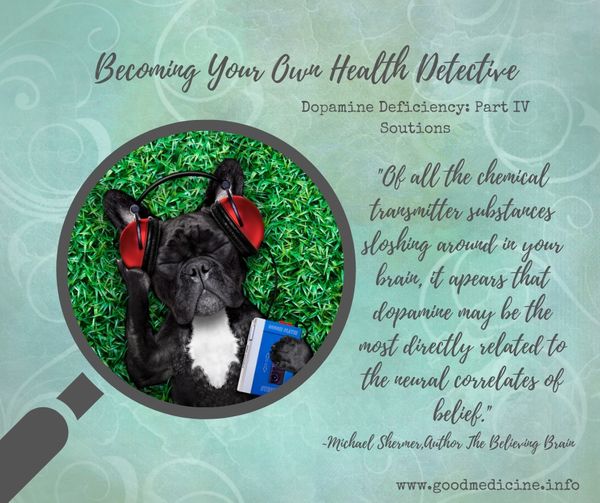
🧠Dopamine Deficiency Part IV: More Solutions🧠

Do you struggle with belief in any area of your life? Maybe it’s work…. Self confidence…. Big goals…. If so, know that improving your dopamine balance will only help you grow into living what you struggle to believe. Now would be a great time to grab that bottle of Believe essential oil and become a walking diffuser for yourself. Go grab it now… I’ll wait for you!💕

Gary Young knew which plant chemicals stimulate, protect, and support healthy dopamine levels. And of course, he knew that belief is fueled by dopamine. Essential oils Balsam🌿, Coriander🌿, Bergamot🌿, Frankincense🌿, Idaho Blue Spruce🌿, Ylang ylang 🌿, and Geranium🌿 all fuel belief through their effect on dopamine within us. These are the oils within the blend Believe. Pretty cool right? Gary never made a product that wasn’t highly purposeful!

Other oils that have been found to contain constituents supportive of healthy dopamine levels in the body include rosemary🌿, oregano🌿, thyme🌿, rose🌿, sandalwood🌿, neroli 🌿, palmarosa 🌿, and marjoram🌿 . Did you notice that many of these oils are used in Raindrop massage? Just one more reason everyone should receive a Raindrop on the regular!

God has gifted us with so many natural ways to support dopamine levels. (Go back and review last week’s post so that you’ll have the full combined list!)

🌾Mowing the yard! It may be hard work, but the aroma of fresh cut grass contains a chemical called hexanal (the “green” smell of grass) that stimulates dopamine release.

🌿St. John’s Wort has been found to increase dopamine in the prefrontal cortex of the brain by 40%. Resveratrol has been found to perform similarly ( found in red wine, fresh grapes, dark chocolate, blueberries, peanut butter)

☕️Organic coffee (No more than one cup a day or it may contribute to adrenal fatigue…. A dopamine high followed by a crash!) or a cuppa organic green tea (Have you tried the YL Vanilla Lemongrass Green Tea yet?) is a dopamine supportive treat.

🌿Rhodiola is another herb known to stimulate dopamine receptors and inhibit enzymes that break down dopamine in the brain. Ashwagandha (You might recognize this as an ingredient in Powergize and Endogize) is also an effective adaptogen with supportive dopamine activity.

🧠Pregnenolone is a natural hormone produced in the body that has a positive effect on dopamine levels in the brain. It is an ingredient in hormone supportive Cortistop capsules, PD 80/20 capsules, and Regenolone moisturizing cream. Do a little research on each of these to determine if they might fight your individual hormone balancing needs.

🙌Acupuncture stimulates the vagus nerve, which in turn support healthy dopamine levels. (Go back and reread the section on low vagal tone!)

🎼Creating and performing music boosts dopamine levels even more than listening to your favorite tunes, but all three are effective. Listening to music has even been shown to improve fine motor skills in Parkinson’s patients.

🔥Chronic inflammation reduces dopamine synthesis and release in the brain. We’ve got tools on hand to support a healthy inflammatory response (as opposed to the runaway variety!). Sulfurzyme, BLM, Agilease, and OmegaGize3 are excellent supplements. Nobody can “out supplement” an unhealthy lifestyle…..examine your life and look for offending (and often hidden) toxin triggers in household chemicals, processed foods and drinks, body care products, and makeup.

😴Lack of sleep down regulates dopamine receptors and reduces dopamine receptor availability. You know what to do! Sleep is so very important in ALL aspects of health. Review your sleep hygiene practices and look for “holes in the armor” that may result in interrupted sleep. I LOVE and incorporate Rutavala on the base of my big toe and Immupro (chewable) in my bedtime rituals.

🦀Iron plays a role in dopaminergic neurotransmission. Iron and ferritin levels are important lab values to watch (both for being too low and too high). Natural sources of iron include spirulina ( an ingredient in Multigreens), dark chocolate, spinach, shellfish, organ meats (I highly suggest Sally Fallon’s cookbook Nourishing Traditions), beans, lentils, chickpeas, red meat, pumpkin seeds, quinoa, turkey, broccoli, and fish.

🍋Vitamin C assists with the formation and conversion of dopamine in the brain. Deficient levels of vitamin C may show up as a low mood. Super C Chewables are a tasty way to supplement daily.

🥴Vitamins B6 and B9 are critical for dopamine synthesis. Low folate levels contribute massively to low dopamine levels which may ultimately lead to depression. Super B is another fantastic supplement to help the body in at least a thousand little and big ways.

🪑Alternate between standing and sitting. “Chronic sitting” lowers dopamine levels. Our body was designed to move!

👏Finish a project. Who knew? This in itself causes the brain to flood with dopamine.
Huge (and easy) list, right? And yet, sometimes it may seem hard to get motivated to make the changes. Circle back around….. Grab your bottle of Believe, and start somewhere small. I promise you won’t regret finding your dopamine happy place!

xoxo~liz

#caringissharing#knowbetterdobetter#dopamineisdope#balanceddopamineisgoodmedicine#goodmedicine#BecomingYourOwnHealthDetective

#ThanksYL

Dopamine Deficiency Part III: Solutions

Liz James · January 25, 2022 ·

Discussing solutions is one of my favorite topics to write about, but if we didn’t first identify root causes, how would what we are doing be any different than the tendency to bandage a festering abscess? Solutions can be clues all on their own too, right? I ask that you be mindful of three things while navigating and identifying ways to improve and support healthy dopamine levels:

🤔Would I be prone to developing an addictive tendency to something I already particularly enjoy? (Too much of a good thing makes it not necessarily a good thing.)

🤔Am I willing to step outside of my comfort zone in the pursuit of happiness and improved dopamine balance in the body?

🤔There is no magic “one hit wonder”. Lifestyle is where the sweet spot lies….. Just as it took every single person doing their part in rebuilding the wall around Jerusalem (read Nehemiah 3 sometime!), it takes symphonic effort to succeed in body balance! Now, on to the fun stuff!

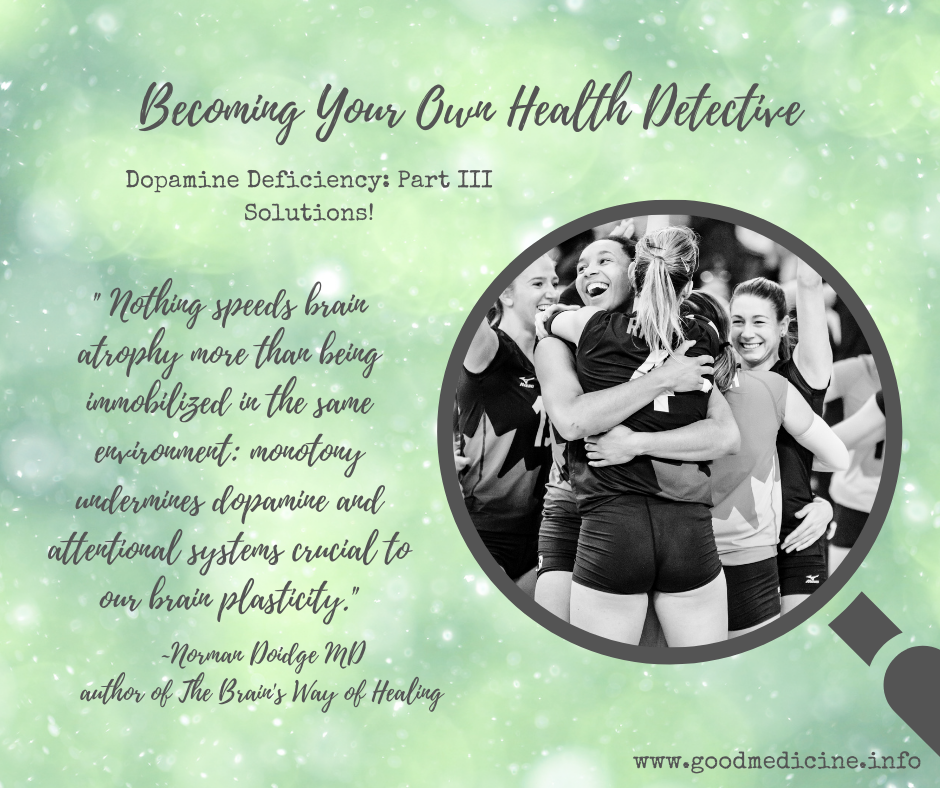
💪Exercise: Exercise slows the breakdown of dopamine in the body, and helps prevent loss of dopaminergic🧠 brain cells. You may have heard of the “runner’s high”. There are several neurotransmitters involved in this sensation of feeling great, and dopamine is one of them. The brain is literally washed with dopamine in these moments. If strenuous exercise is new to you, start with walking, yoga, pilates, or aquatic exercise. Mild exercise causes dopamine release too. Bonus points for exercise outdoors and with a group of friends!

🤓Learn something new: Learning a new skill (language, hobby, sport, or activity) or simply learning new information causes dopamine to be released. It’s very likely happening right now as you read this information! You’ve heard of “seminar highs” or research junkies (yep, this is one area I receive a huge dopamine dump from!). When the dopamine release happens, it makes you want to learn more and repeat the experience. Bonus points…. The more you engage in learning new things, the stronger your brain🧠 gets too!

☀️Vitamin D: Vitamin D has a role in the production of dopamine and in also protecting dopamine receptors. Evidence suggests that supporting healthy Vitamin D levels also supports healthy dopamine levels, especially if clinically deficient in Vitamin D. Make sure to ask for Vitamin D levels whenever you have the opportunity to get labwork! Young Living’s Super D is most bioavailable when it is dissolved in the cheek or under the tongue.

😉🥤Phenylalanine and tyrosine are two amino acids used in the biosynthesis of dopamine. Foods high in phenylalanine and/or tyrosine include meats, beans, milk, nuts, seeds, whole grains, sweet potatoes, bananas, apples, cherries, eggs, yogurt, and NingXia Wolfberries! Supporting healthy dopamine production is just one more reason to get your ounce or two (or four!) of NingXia Red every day!

🥰Increasing Vagal Tone: There is a direct correlation between low vagal tone and lower levels of dopamine. You’ll want to go back and review ALL the wonderful and fun ways you can improve vagal tone! (We talked about this a few months ago….use the search option in this group to find the posts.)

👨‍🍳Uridine is a supplement. It’s also found in beer, brewer’s yeast and nutritional yeast. Nutritional yeast is not the same yeast that bakers use. If you do a little digging, you’ll find recipes incorporating nutritional yeast into tasty options.

Here’s a quick recipe for Caesar Salad Dressing:1 & ½ cups extra virgin olive oil¾ cup coconut milk½ avocadoJuice of one lemon1 tsp balsamic vinegar3 cloves of garlic2 Tablespoons nutritional yeast¾ tsp sea salt or pink saltA toothpick swirl or two of Young Living oregano vitality essential oil (1 drop might be WAY strong!)½ tsp onion powder(Use organic ingredients whenever possible). Put all ingredients (except olive oil) into a blender and blend til smooth. Slowly add in olive oil while blender is running at low speed. Stores up to one week in the fridge. Note: may also be used for a dipping sauce!

🥶Cryotherapy: You’ve seen advertisements for it I’m sure. Be brave and consider giving it a try! Remember, simply exploring something new increases dopamine in the brain. Ice water immersion (or cryotherapy tanks) increase dopamine by an estimated 250%! Yowza! I am a fan of cryo….. I find it both terrifying and exhilarating (probably from that ginormous dopamine dump I received!)

👐Intermittent Fasting not only leads to higher levels of dopamine release; it also reduces age related dopamine receptor attrition. There are many additional reasons to incorporate intermittent fasting into your lifestyle if you’ve not considered it before now.

🌿Curcumin is the yellow pigment found in turmeric. Curcumin reduces the metabolism of dopamine in the brain thereby increasing levels. YL Golden Turmeric or Spiced Turmeric Vitality Tea for the win! You might also consider adding Golden Turmeric to yogurt or smoothies!We’re about halfway through this pretty amazing dopamine support list! Next week we’ll wrap up with more simple and inexpensive ways to support this happy hormone.
xoxo, liz #caringissharing#knowbetterdobetter#dopamineisdope#balanceddopamineisgoodmedicine#goodmedicine#BecomingYourOwnHealthDetective#ThanksYL

Dopamine Deficiency -part 2

Liz James · January 24, 2022 ·

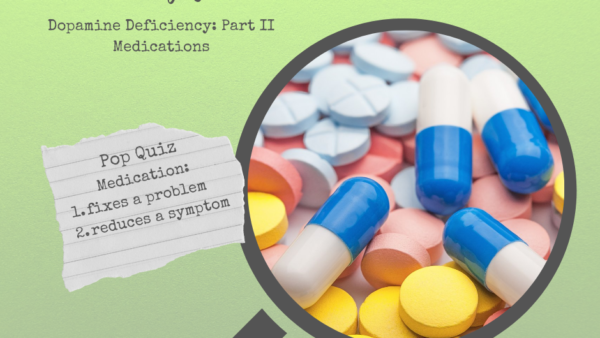
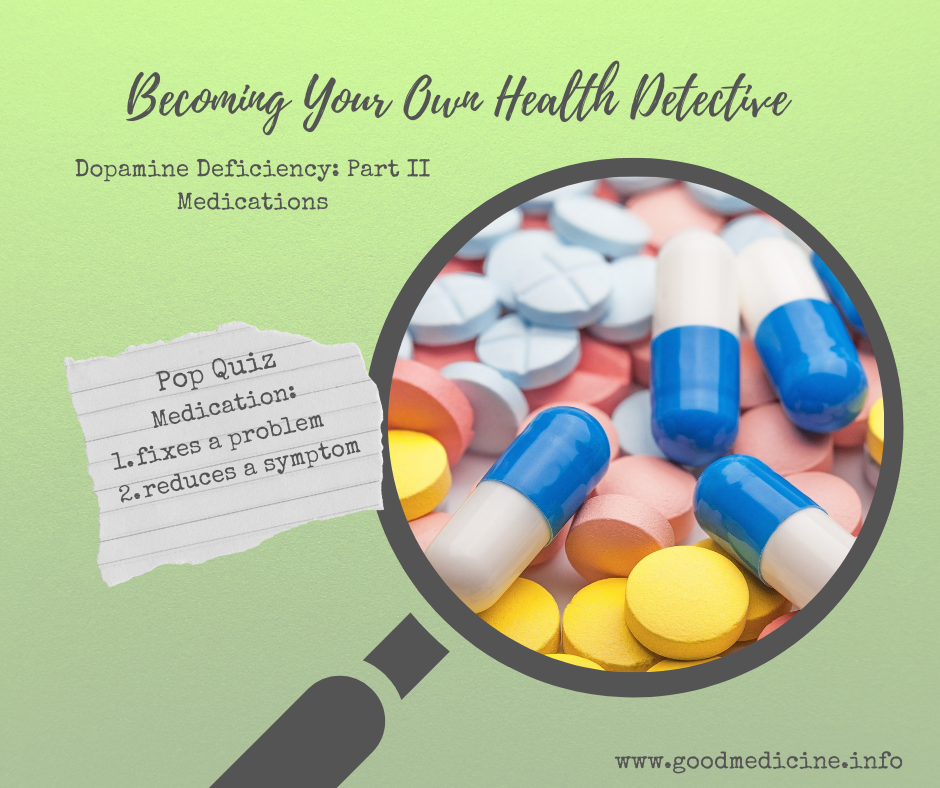
Dopamine Deficiency Part II: The Medication Connection

When the topic of substance abuse is broached, the neurotransmitter dopamine is often brought into the conversation. Recalling our earlier discussion, dopamine contributes to feelings of pleasure and satisfaction and directly influences the way our brain achieves happiness by “guiding” our behavior to get to that feeling. Heroin, cocaine, and MDMA (ecstasy) are three of the bigger illicit guns that initially trigger a surge of dopamine in the body. Sugar also induces a massive (but short lived) dopamine surge. The body is filled with protective mechanisms (thankfully!), and if dopamine surges continue, a mechanism will kick in that reduces the number of dopamine receptors available for triggering. Consequently, it becomes harder and harder to achieve the same feelings of pleasure. As you may have already guessed, common opioid prescription medications do this too especially when used chronically. Some offenders would include:
💊Hydrocodone
💊Codeine
💊Tramadol
When you review the introduction to dopamine deficiency (see Part I), you’ll notice that neurodegenerative conditions, chronic back pain, aches and pains, and persistent constipation are symptoms of deficiency. Those are also four very common complaints in people who use these pain medications chronically. Certainly, other factors are involved as well (do some digging!), but dopamine deficiency plays a significant role.
Dopamine sabotage by way of medication💊 is also an unfortunate common side effect of drugs that block dopamine binding to receptor sites. When a medication does this, dopamine cannot “do its work” in the body.
💊Haloperidol is used to treat schizophrenia, Tourettes, and severe behavioral problems in children and adults.
💊Risperidone is used to treat schizophrenia, disinterest in life, strong or “inappropriate” emotions, or disturbed thinking.
💊Metoclopramide is used to treat GERD, nausea/ vomiting, and slowed gut motility.
💊Olanzapine, Aripiprazole, Quetiapine are used to treat schizophrenia, bipolar disorder, and depression.
💊Buspirone is used to treat anxiety.
🧐If you were to pick up and read a package insert on each of these medications, you would find side effects listed giving evidence of dopamine deficiency (refer to Part I for symptoms).
What I write next might be the most technical and one of the most important concepts to understand in this entire book, so stay with me…. even if the slogging feels uphill! According to the National Institute of Mental Health (NIMH), an estimated 1 in 5 adults have a mood disorder in the USA. Sadly, when prowling around the NIMH website, I found very little in the way of suggesting lab work to rule out a hormonal, thyroid, or nutrient imbalance, or selfcare suggestions (clean diet, well developed exercise routines, tips on improved sleep hygiene, or connecting with a high frequency community, and most importantly, having a personal relationship with God). The website is quick to advocate for mental health medicating. Go figure.
💊Selective Serotonin Reuptake Inhibitors (SSRI’s) are a class of drugs used to treat depression, anxiety, and other mood disorders. Common SSRI’s include 💊Citalopram, 💊, Fluoxetine, 💊Paroxetine, and 💊Sertraline. By definition, this class of drugs is supposed to be “selective” in their mechanism of action, and while they are marketed as products that raise serotonin in the brain, they simultaneously lower dopamine levels significantly. Additionally, there is very strong evidence that, depending on the individual and the SSRI used, there may be a significant effect on the HPA (hypothalamus, pituitary, adrenal) axis in the brain, where cortisol, hormones (including serotonin and dopamine) are regulated and long term memories are stored. The hypothalamus and the pituitary play a significant role in regulating the thyroid. You may imagine how important all of this is in balanced overall body and brain function.
I offer this information to you as clues, not as medical direction or individualized medical advice. Risk versus benefit should always be first and foremost whenever utilizing a medication, especially one that modulates “motherboard” (brain) activity. I read one doctor’s thoughts recently who described antidepressant use as a “sledgehammer to repair a fine watch.” Does the tool fit the need? That is only for you and your healthcare provider to decide.
Last week, I listened to a podcast that dovetailed into this topic. It is called “Unscientific Diagnoses Medicalize Normal Human Experience”. I’ve posted a link to this 30 minute podcast below. You won’t regret listening to it. We must get back to living in tightly knit communities where we love and care for one another well while also learning that experiencing emotions in a healthy manner is part of vibrant living. I’m so very very thankful for Young Living, because we exemplify that community, and there is plenty of room at the table for everyone who wants to #knowbetteranddobetter for themselves and their families.

We live in a broken world that is bandaged by a broken medical system. I encourage you to use your finely tuned tools for finely tuned processes in the body. Whenever possible, leave the sledgehammer in the shed.
Next week, I’ll discuss readily available inexpensive tools to help support optimal dopamine levels.
Until then~
xoxo, Liz

#caringissharing
#knowbetterdobetter
#dopamineisdope
#balanceddopamineisgoodmedicine
#goodmedicine
#BecomingYourOwnHealthDetective
#ThanksYL

(If you answered #2, you’d be correct!)

unscientific Diagnoses Medicalize Normal Human Experiences

Unscientific Diagnoses Medicalize Normal Human Experience

Liz James · January 17, 2022 ·

Last week, as I was getting ready at my hotel for a leadership conference, I listened to this mic🎤 💥drop podcast: “Unscientific Diagnoses Medicalize Normal Human Experiences”. I sat down late that night to share it with you all…. and wouldn’t you know it, the black hole of social media oblivion swallowed it when I hit “post”. So, here I am… back home ….. trying again! Yes, this information is THAT important… that I’m willing to write about it twice.

We are taught how to think. All of us. Healthcare professionals and laypersons alike. However, what we are taught isn’t necessarily true. Nonetheless, we believe and act upon those beliefs. This podcast shatters some of those beliefs that surround mental illness.

Key points of the podcast:

  • There is no research evidence for a chemical imbalance that leads to mental health problems. Example: Low serotonin levels are blamed for depression. This is an overly simplistic myth perpetuated by Big Pharma. The reality is that serotonin levels cannot be easily measured in the brain (if at all).
  • Where do ideas about the cause of mental distress come from? We (as a cumulative society) are led to believe they come from a chemical imbalance as perpetuated by prescribing physicians, pharmaceutical ads (a pill will fix ya), pop culture (normalization of a pill for everything), and interaction with family and friends who endorse the “pharmaceutical fix” model. (note: in cultures where Big Pharma 💊 doesn’t have a big footprint, mental health disorders are quite low.)
  • Side effects of antidepressants include chronic depression (that’s a fact).
    Normal human experience includes suffering in life. Suffering may mean something different to each of us. Perhaps it is grief, social shyness, disappointment, fear, angst, or __ (fill in your blank). Experiencing suffering does not mean the brain is broken….. it just means you (we) all are living a human experience and processing emotions as we go. Don’t get me wrong….. psych medications definitely numb the mind and do so without differentiation. When suffering is numbed, so is joy. Psych meds could be considered an emotional anesthesia, but here’s the thing….. anesthesia by itself doesn’t heal does it? Acknowledging the problem and then working on the root cause is wherein lies healing (and living fully).
    Community, whether that be family, friends, or a combination of the two is balm to healing. Generational curses (Biblically speaking) are very real, more real, I would argue (based on science and the word of God) than an estimated low neurotransmitter in the brain. Generational curses can be broken. It starts with us to break them. Purposefully and intentionally.
    Find your tribe friends. We were not meant to be islands. We are to lean on one another in times of joy and in need. Yes we have tools of all variety available to us of the natural variety in addition to the Big Pharma ones. Do you want numbing or do you want deep true healing?
    No medical advice given here, other than this: Know truth and then do with it what you will. It just might change your life.
    Oh…. final thought and not mentioned in the podcast. There are MANY biological imbalances that can aggravate emotional peaks and valleys. Hormones, thyroid, vitamin and mineral deficiencies are not uncommon culprits, but it takes a good sleuth willing to spend the time looking for the clues. These ARE measurable in the body. Request comprehensive labwork before accepting any prescription. If your doctor or insurance company won’t honor this request (and I do mean comprehensive!), find one that will.
    xoxo~ liz
    If you have questions about what comprehensive labwork looks like, let’s chat!
#sharingiscaring
#livinglifetoitsfullest
#emotionsarepartofliving
#processingemotionsisgoodmedicine
#ThanksYL

Click black box below for full article.

unscientific diagnoses medicalize normal human experience

  • « Go to Previous Page
  • Page 1
  • Interim pages omitted …
  • Page 3
  • Page 4
  • Page 5
  • Page 6
  • Page 7
  • Interim pages omitted …
  • Page 12
  • Go to Next Page »

Book Your Health Coaching CallBook Now

Elizabeth James

469.425.9091

ebj0203@gmail.com