• Skip to primary navigation
  • Skip to main content
Book Your Health Coaching Call
Good Medicine

Good Medicine

Holistic Health Coaching

  • Home
  • Liz James
    • About Liz
    • Coaching
    • Book a 20 Minute Complimentary Coaching Call
  • Favorite Resources
    • BlessedByHisBlood
    • Young Living
    • Fast Like A Girl Certified Coach
    • Order supplements through my Fullscript store
    • Green Pasture (Coupon: Health10)
    • RogersHood Apothecary (Coupon: BEABLESSING for 10% off)
    • DolphinMPS
    • Company
    • Abundance
  • My Books
    • Becoming Your Own Health Detective Volume 1
    • Becoming Your Own Health Detective Volume 2
  • Blog
  • Cart

Heart

Guilty or Innocent? Weighing in on Cholesterol

Liz James · March 4, 2019 ·

Cholesterol has been heavy on my heart for the last month… haha! No pun intended there… my cholesterol is actually fine….. but I tend to root for the the misunderstood and the underdog when given a choice. (That’s probably why our farm tends to be a haven for rescue dogs and cats…. but I digress!) 
Did you know that approximately 80% of people with acute cornary syndrome….(ie: reduced blood flow to the heart… often leading to heart attack) have NORMAL cholesterol values? What’s up with that? 

Cholesterol is one of those underdogs. Bless its sticky little heart….. it’s given a bad rap more so than nearly any other body produced compound. What would we do without cholesterol?  That’s a good question…. I’m not entirely sure any of us would be around to discuss it if we lacked it in our bodies! It is a major component of cell membranes and is a necessary building block for hormones, fat soluble vitamin D, and bile salts (aiding in the digestion of fats and fat soluble nutrients). Cholesterol is also extremely important to the function of our nervous system. Without it, we’d be bumbling malfunctioning idiots….especially considering that our brains are roughly comprised of 50% cholesterol. So why all the hate?

Our bodies are efficient producers of cholesterol…. producing about 80% of what is in our bodies (the other 20% comes from dietary sources). Cholesterol should not be confused with Triglycerides (perhaps the real bad boys), or the obscure thug that likes to hang on to its buddy LDL….. lipoprotein(a).

Unpacking Cholesterol: The cholesterol in our vascular system is a mixed bag of good and bad. HDL (the good guys) has the job of bouncer…. and it escorts out the shadier gang members, LDL, from our bloodstream. LDL comes in a variety of sizes…. and the smaller sizes (subunits 3 & 4) are really bad news. The bigger ones (subunits 1 &2) are fluffier and are actually pretty helpful. Because they (subunits 3&4) are small, they can easily work their way into the lining of our arteries where the bouncer (HDL) can’t reach them. In a whopping 20% of the population (1 in 5) there is something called Lipoprotein(a) that makes LDL ‘extra sticky’….. if you carry this genetic characteristic, it is best to know about it early on in life, as it dramatically increases your risk for clogged arteries and  blood clots leading to strokes and heart attacks. It is a serious health risk, and frankly…. should be tested for at least once in everyone’s life.
While managing total cholesterol with careful eating habits (avoid processed and ‘fast’ foods) is important, …. the real culprits we should be monitoring are inflammation, triglycerides, and lipoprotein(a).


Triglycerides are produced predominately by the liver. When we eat, the body stores any excess calories as triglycerides in our fat cells. It is particularly fond of doing this with carbs. Later…. between meals…. hormones will signal a need for more energy, and those triglycerides will be released. Herein lies the rub tho….. if you eat more than you exert energy, triglycerides begin building up and you end up with hypertriglyceridemia (HTG), and THAT my friends, is cause for alarm. Even if someone has verified genetic HTG, management can be achieved with responsible ownership of the vessel you reside in:

  • Daily physical activity
  • Conscious consuming of healthy fats… avoiding processed foods and other sources of “bad fats”
  • no smoking
  • Optimizing body weight
  • Limit processed sugar intake to no more than the equivalent of 6 teaspoons of sugar per day. (The average North American consumes about 200gms or 48 teaspoons of processed sugar in their diet daily)
  • Work towards optimal triglyceride lab values of <100 and a triglyceride to HDL ratio of 1:1 to 2:1. 

Lipoprotein(a) is no joke. 73 million people in the USA are estimated to be living with this ‘sticky’ situation. It is extremely dangerous because the molecule itself is so small, sticky, and it difficult to manage. What makes it even more dangerous is this: most insurance companies refuse to pay for the test that determines if you have it….. and many doctors don’t even mention the test to patients because insurance doesn’t pay. I have not been able to wrap my brain around the logic of NOT paying for a potentially life saving test…. but there you have it. It’s just one more reason to take charge of your own health and ask for the test and pay for it out of pocket, ESPECIALLY if you have family history of heart disease. Nothing….. no vacation, no daily coffee, no new phone…. should be more valuable to you than knowing this information about yourself. Once you know, you have the power to act…. and that can change the trajectory of your life. If you do carry this genetic trait, you will want to have your children tested. They need to learn healthy habits early in life. It’s never too young to become a CEO of oneself!

IF you have inherited lipoprotein(a), you’ll want to pay very close attention to what you CAN do, because it’s time to take your health seriously. Some people do not get a warning, and find themselves diagnosed at the same time their mortality is realized. Lp(a) requires close attention and monitoring. Tools to help in management include: 

  • Daily baby aspirin
  • High quality Omega3 fish oil…. lots of it… has been found to lower Lp(a)LDL by approximately 10%. (Poor quality Omega 3’s become oxidized and can actually do more damage than taking nothing at all. Know your supplement company…not just their name, but how they do business. This is especially important with Omega 3’s.) Omegagize3 from Young Living!
  • High doses of Niacin (1-3 gms/day) … the flushing kind (ex: Slo-Niacin)… have been found to lower Lp(a)LDL by up to 30%
  • Maintain a fasting blood glucose of <100
  • Vitamin C @ 3000mg/day
  • L-lysine, L-proline & L-carnitine in high doses (L-carnitine helps make lp(a) less sticky)
  • Test for and maintain hs-CRP (high sensitivity c reactive protein) at <1. This measures inflammation in the body and high levels are a risk factor for heart attack.
  • Control blood pressure ideally at 120/70.
  • Consistent exercise
  • Abstain from smoking
  • Get (regularly) an Advanced Lipid Panel every 6 months w/ the following goals:
  1. LDL< 60
  2. Triglycerides < 60
  3. LDL particle # < 700

I realize this has been kind of a heavy post. I’m sorry about that. It’s a heavy topic tho. Most people (even healthcare professionals) don’t have a clear understanding of exactly what causes the real problems in our vascular system. Hopefully, you can see that cholesterol itself is not the real monster….. it’s actually pretty awesome stuff. Too much of a good thing is bad tho…. no matter what it is. Although I only barely touched on inflammation in this post, it’s HUGELY important to this topic too. Sticky Lp(a)LDL is especially fond of a chronically inflamed vascular system.

It is my hope and blessing that this helps someone better manage their own health, and to prompt personal responsibility one’s own health. I am not a doctor. Information here is for recommendation purposes only, and not intended to substitute for specific medical advice. Please do use this information as a starting point for your own research, and use as discussion points with your personal healthcare provider.

Love and hugs,  Liz

​

​

Goin’ Down the Gopher Hole

Liz James · February 26, 2019 ·

Have you ever begun researching or looking for information on something, and it leads to more research ad infinitum? Well, that has happened to me over the course of the last six weeks. It’s all good stuff and I’m super excited to begin sharing it with you all, but first I have to get it unpacked properly from my brain.  I love learning and uncovering new information…. it makes my heart go pitter patter, even if it does at some point begin to give me blurry vision and in need of a map as I return from the warren of learning I’m being steeped in. 

The gopher hole (yes, I know the cuties above are actually prairie dogs!) I went down began with a simple question that had been ping ponging about in my brain for several months. I am a holistically minded pharmacist as you may well know, and I LOVE to help people realize feasible ways prevent dis-ease, restore function, and become optimally healthy. In a word: Not just surviving, but thriving! 

There ARE times when medication is necessary and Western medicine needs to work its magic thru intervention, but really….. this needs to be reserved for emergent care, when holistic measures have failed, or when genetics simply deal us a challenging hand.

Unfortunately, we have become an immediate gratification society, and the ‘grab and go’ healthcare system has capitalized on that. It’s much easier to take a pill for a symptom than it is to identify the root cause and work towards fixing what’s actually ‘broken’…..but taking a pill (or having an elective surgery) will ALWAYS have a consequence, and frequently, it may have more than one consequence. Often, the consequence will simply replace the original symptom (dysfunction), but occasionally, it can open a can of worms that was bigger than the first problem. I’ve seen this scenario happen too many times to count in my career.

“We” (ie: our current worldview) tend to discount risk versus immediate benefit in lieu of the desire for an immediate ‘fix’. When the immediate need is resolved, the focus of our attention is removed from the problem (or dysfunction)…. we’ve moved on to the next thing. Meanwhile, the risk may have slowly and quietly slipped thru the cracked door, and we fail to notice the correlation….. benign neglect, innocent ignorance of our own bodies, willingly handing over the ‘care and feeding of us’ to a Third Party who has little or no vested interest in our optimal health….. regardless of the reason(s)….. secondary dysfunction has crept in on padded feet. 

Here is but one example:
Statins are one of the most commonly prescribed medications in the United States for high cholesterol. Nearly 30% of adults over 40 are on them. Impressive stat for Big Pharma, right? 

But let’s go over another set of stats on the statins. Statins work by blocking a VIP enzyme called HMG-CoA. When this enzyme is blocked…. it blocks the production of cholesterol, but it also blocks the production of a nutrient called CoQ10. (Blocking the production of cholesterol is a post unto itself, that I will tackle next week and unpack for you…. cholesterol has been demonized when in actuality, it is an absolutely vital component to our well being)CoQ10 is critically important, and it can be supplemented to offset potential problems. Unfortunately, in my experience, most doctors never tell their patients this when they hand them a statin prescription. The doctor ‘might’ tell them to let them know if they have unusual soreness or cramping in their legs (a warning sign of something called rhabdomyolysis). This is a common ‘side effect’ of statin use…. but the reality is that it’s a sign of a secondary deficiency that crept thru the door that statin use opened. Other signs of CoQ10 deficiency include:

  • cardiac arrhythmia or palpitations, which could land you on medication. (Low CoQ10 is found in nearly all patients with heart failure. Read into that what you will…..) 
  • depression or memory loss (meds for this too)
  • fatigue (you may live with this, or begin self medicating with caffeine or other stimulants)
  • Impotence or decreased libido (ugh!)
  • High blood sugar (setting you up for diabetes OR making your current diabetic state harder to manage or regulate….. don’t even get me started!)​In 2014, the American Diabetes Association actually made the recommendation that all adults over the age of 40 take statins. (I’ll speak more to this when I write that cholesterol post)

Does this worry you? It should. And this is but one class of medications that causes a deficiency of CoQ10. 

Now, I’m not a doctor, and please….. do not take my words (or anyone’s words) as gospel.  I am all about self study and whole truth… which is not always easy to come by in the healthcare industry. (Remember, there are billions of dollars at stake here.) I encourage all of you to become the best advocate of you that you can be. Nobody knows you better than you, right? Self study can be a little confusing if you aren’t used to it. Talk to your healthcare provider. Don’t be afraid to ask the hard questions….. and above all, be armed with knowledge that you yourself have found. Do not be afraid to shake the dust off your shoes and move on if your doctor doesn’t take full consideration of your concerns.

If this post has rattled your cage a little, so be it. That is my job as a pharmacist…. to point out some things that are important for a body to stay healthy, and it’s your choice whether to keep your head in the sand or be on the lookout for danger. We (pharmacists) are trained to counsel on side effects, but we need to be taking it a step further …..counseling on the causes of those side effects as well as potential ways to mitigate them, and to teach our tribe how to not just avoid deficiency, but to have optimal health in the process. ​

This is but one of the reasons I believe proper supplementation is so absolutely critical to living well, but especially if you are one of the millions who are on (and may need to remain on) a medication. Because statin use is also now being linked to probable Vitamin D deficiency, I recommend both MindWise and OmegaGize3 as being stellar products in the supplement industry… for everyone. Don’t wait for a deficiency to actually happen. It’s much harder to fix than it is to prevent, right? 

If these products are new to you, I encourage you to learn more about Young Living and why I’ve chosen them as my supplement company of choice. You can learn more about the company and how to receive discounted pricing by returning to my home page, or if you’d like to chat, please reach out to me. That’s why I’m here.

Be well, and have a glorious day! 
Hugs and Love, Liz
​

Carrier Oils…Essential Oils..What’s the Difference?

Liz James · September 13, 2017 ·

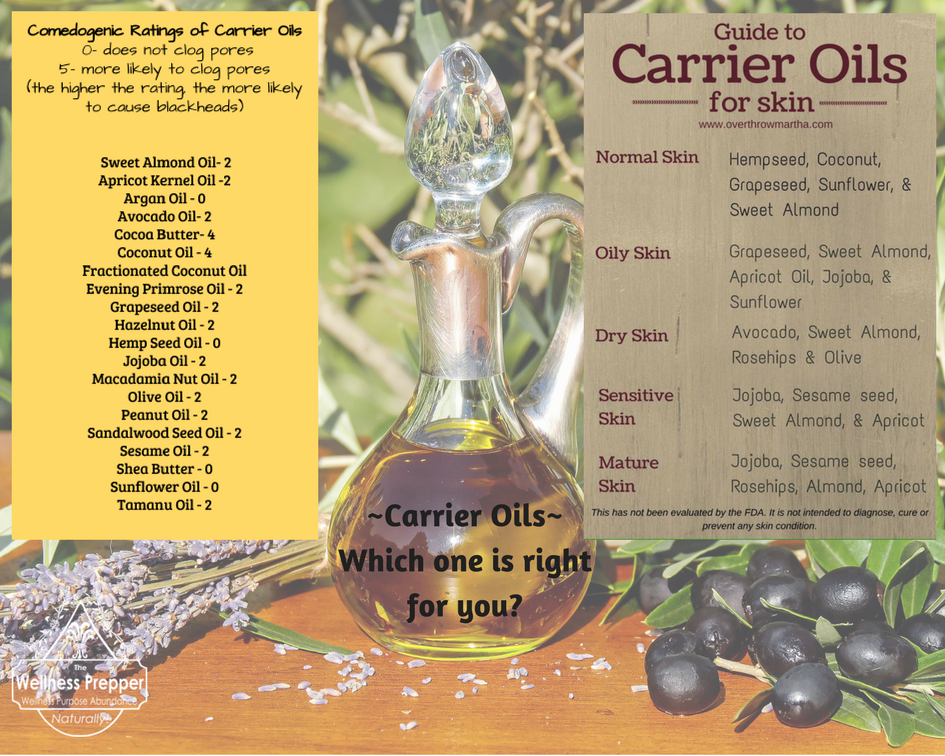
I really never gave too much thought about carrier oils until recently. My standby has always been fractionated coconut oil. Coconut oil can be great for certain skin types, and I’ve just never felt the need to venture beyond FCO….. until recently. Oh sure, I’ve dabbled here and there…. stepping out on my old friend, but always coming back home to my tried and true love. I was well aware of carrier oils for skin types (see above), but did you know that…. just like essential oils…. carrier oils have attributes that support and affect body systems beyond the integumentary system/skin?

Y’all know the difference, right? A carrier oil is a fatty oil base. They can go rancid over time and although they may have some health benefits, carrier oils generally don’t hold a candle to those benefits seen with Essential Oils. Essential oils, on the other hand, are not fat based…. nor do they feel oily. With the exception of the cold pressed citrus oils, they have an incredibly long shelf life (provided they are cared for properly). Essential oils can be diluted with carrier oils without affecting their effects on our body. 

Young Living Essential Oils help support virtually every single body system. We typically choose which oils we are going to diffuse, apply, or ingest according to the body system we wish to support. We may or may not use a carrier oil along with our oils depending on personal choice. Regardless of which carrier oil you choose to use, begin with these tenants:

  1. Use organic whenever possible.
  2. Never use mineral oil or petrolatum or petroleum jelly as a carrier. They clog pores and are toxins themselves (made from petroleum). Additionally, they prevent toxins within us from escaping, and will prevent essential oils from being absorbed into the skin.
  3. Be very wary of using a cosmetic or commercial skin care product as a carrier for your essential oils. Rashes and adverse reactions have occurred when combining the two. Remember, nearly all mainstream skin care products contain toxins themselves, and the mixture of both good (essential oils) and bad (that skin care product) may not end well.

However, there are some distinct benefits to using carrier oils with your essential oils:
​

  • Hot oils (ex: Thieves, Lemongrass, Cinnamon Bark) can feel just that…. HOT….. if applied undiluted.
  • Diluting your oils with a carrier oil definitely gives you more bang for your buck. We should ALL be frugal oilers… a little goes a long way, and our oils are a precious commodity.
  • Adding a carrier oil to your essential oil can, in effect, create an ‘extended release’ component to your essential oil. Most of our essential oils are volatile. This means that they are released into the air fairly rapidly. What is not absorbed into the skin becomes airborne. The addition of a carrier oil to your essential oil will increase both the amount of oil that is absorbed into your skin AND the duration that the absorption takes place. This is a good thing!
  • Many carrier oils can act synergistically with essential oils. Whoa. Really?

Yep. Here are a few examples:

  • Coconut Oil – This oil is well known as the ‘go to’ for hair care and skin care when used topically, but did you also know that when ingested, this oil is also very supportive of the cardiovascular system, helps balance blood sugar, strengthens the immune system, and is helpful in dental care? For real!
  • Jojoba Oil-   This is an ‘external use’ only carrier oil that most closely resembles human sebum (the waxy substance produced by glands in our skin) making it one of the best moisturizing carrier oils available.  It comes from the seeds of the Jojoba tree. Jojoba oil is also known for its antifungal properties, making it exceptionally well paired with Tea Tree oil.  It can be used as a natural makeup remover or as a moisturizer for cracked feet and hands.
  • Sweet Almond Oil- Really, any of the tree nut oils (Walnut, Almond, Pecan, etc) make amazing oil and vinegar salad dressing bases (especially when paired with lemon, basil, marjoram, oregano, and thyme oils), but you can use this oil topically too! It has been found to be helpful in repairing damage to collagen within the skin. When ingested, it may help limit inflammation and promote vascular health. Sweet Almond Oil also gets bonus points for being high in vitamins E and K.

If you are curious about a specific carrier oil, do a little research. You may get more than you bargained for (and I mean that in a really good way!).

Young Living has a complete line of carrier oils too, available in 8 oz bottles.  Each one is a synergistic blend of carrier oils and essential oils designed for a specific purpose. (You will want to read the ingredients closely if you happen to have a sensitivity to a particular oil.) 

  • V-6: a general all purpose topical oil blend containing Coconut, Sesame, Grape Seed, Sweet Almond, Sunflower, and Olive oils.
  • Ortho Ease–: a muscle and joint blend of carrier oils that also contain wintergreen, juniper, marjoram, eucalyptus radiata, and peppermint.
  • Ortho Sport:– a slightly more intense muscle and joint blend of carrier oils that also contain wintergreen, peppermint, thyme, eucalyptus globulous and oregano.
  • Cel-Lite:– a great firming and toning carrier oil blend that also incorporates the benefits of grapefruit, cedarwood, and juniper. I love to use this one on my thighs and hips when I get out of the shower!
  • Dragon Time: a carrier oil blend designed for balancing emotions (ie: calming your inner dragon!). This carrier oil is designed for women and also contains lavender, ylang ylang, jasmine, fennel and clary sage.
  • Relaxation–: if you are looking for a relaxing carrier oil blend, this is it. While it does contain lavender, spearmint, coriander, bergamot, and tangerine, feel free to add any additional oils if needed. This is a great blend to massage on little feet right before bedtime :).
  • Sensation: oooo la la! This carrier oil blend is created for romance and love. It can be applied anywhere…. (I will leave that up to your imagination). It does not disappoint. In addition to the base oils, this carrier oil blend also contains ylang ylang, bergamot, jasmine, and geranium.

Do any of these carrier oils tickle your fancy? Give one of them a try and let me know what you think.

If you are an oil carrying aficionado, I would encourage you to also keep a small bottle of carrier oil on hand to dilute in the unfortunate circumstance that you get an oil in your eye. Should that ever happen, don’t flush with water (it will only make it worse). Instead use a little carrier oil in the corner of your eye to immediately dilute the offending essential oil. If you failed to heed my advice and have no carrier oil on hand, simply use any fatty substance (butter, milk, or even a piece of bacon fat!) in place of the carrier oil. I hope you never need this piece of info, but if this has never happened to you, you’ve simply not used oils long enough!

Take care, and have a blessed September day!
Liz

Who Gives A Fig?

Liz James · August 9, 2017 ·

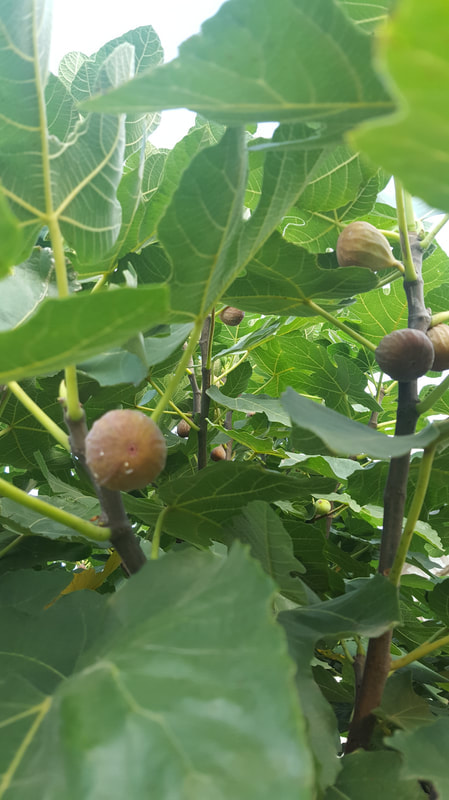
Yowsers! We have figs. In fact, we have a disproportionate amount of figs. We have figs coming out our ears all from one very happy (but unknown species) tree.

We planted the little gal (there are male and female plants…. the girls being the producers) about 7 or 8 years ago, and it got off to a very rocky start…. multiple times. Every winter it appeared to die back to the brink of true death until two years ago. Last year we got spoiled by simply eating all we wanted off of the tree. There were enough to pick and eat daily, but not enough to make anything with. This year, the stars must have been lined up right because we have whopper crop this year. I’ve had to get on the ball and start collecting fig recipes. There are some amazing ones out there! 

I’ve found this collection at BonAppetit (the figs with bacon and chile is on my ‘to do’ list… Wow… I’ll bet those flavors pop!)

I found a ‘cheeky chilli pepper fig chutney‘ ….. you know anything chef Jamie Oliver puts together is going to be good. My dear friends Aryanne and Martin gave us one of Jamie’s cookbooks several years back. The man knows how to use his ingredients, no question about it. I love that he focuses on using fresh ingredients and prefers seasonal cooking (cooking with what is available at the appropriate season of harvest). I do think that was God’s intention anyway. We were never supposed to eat the same thing 365 days a year like we are prone to do now. It’s probably one of the reasons  the standard American diet is typically out of control and obesity and other body system dysfunctions continue to plague our country. If it’s not fresh, it’s likely filled with preservatives and other chemicals to make it taste more appealing.

And finally…. a ‘pear-fig-ginger-jam (with ahem… a dash of whiskey)‘ that we’re gonna have to try. That sounds like it would be incredible over a block of yogurt cream cheese (labnah) or cream cheese with some crackers.

Figs are a food of the Bible, and are loaded chock full of health benefits. God is good that way… giving us just what we need.  Dried figs… the most common way people eat chem…. are even more densely loaded with nutrients than fresh. Although I like to eat them both ways, fresh from the tree is my preferred route of nourishment.

The Fig low down:

  • high in fiber
  • great source of magnesium, manganese, copper, potassium, and calcium (1 dried fig = the calcium in an egg!)
  • rich in vitamin K and B6
  • contain powerful antioxidants that neutralize disease and dysfunction causing free radicals ( just like some oils I know, love, and use!)
  • According to Dr. Mercola’s website figs have some other more unusual uses too… ” Traditional medicine around the world has made use of figs as poultices on tumors, warts, and wounds. The fruit and leaves have been pulverized and gargled to relieve sore throats. Fig extracts and dried figs have been found to contain ingredients that protect the heart, regulate kidney and liver functions, lower blood pressure, lower incidences of macular degeneration, and inhibit some cancers, specifically post menopausal breast cancer.”  Holy smokes Figman…. my cornucopia of wellness tools just got a little fuller!

Any of my local friends want some figs?  Give me a shout and this farmgirl can hook you up!

Take care, and have a blessed day,
​liz

Sleep Week – day 2

Liz James · July 2, 2017 ·

Good morning friends!! I hope you got a good night of sleep last night! Fireworks were fierce out here in the country til nearly midnight (we’ve got at least 2 more nights of them.. July 4th is around the corner)… and our animals were stressed. Needless to say, OUR sleep was affected!

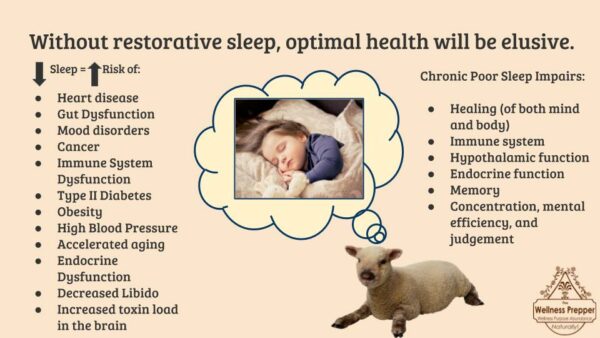
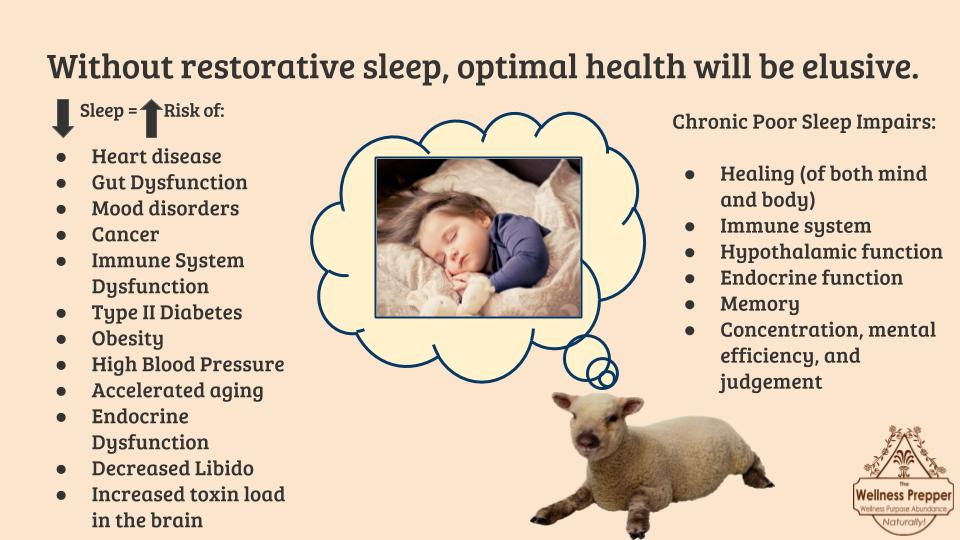
Sleep deprivation causes increased hunger and increased stress hormone levels… never a good thing, but especially if you are trying to manage your weight or lose a few extra pounds. Sleep deprivation can make that goal dang near impossible!

  • Sleep deprivation speeds up the aging process. Telomeres are the caps at the end of chromosomes that protect your cells and genes. When telomeres get short from aging, (or a lifestyle that promotes aging), our cells cannot replenish. Fortunately, there are things you can do to keep these caps long and happy. Getting adequate sleep is one of them! People who get roughly 7 or more hours of sleep a night tend to have longer telomeres, especially among the elderly!
  • Recent studies show poor sleeping habits cause brain damage and even accelerate onset of Alzheimer’s disease. Sleep is necessary for maintaining metabolic homeostasis in your brain. Without sufficient sleep, neuron degeneration sets in and catching up on sleep during weekends will not prevent this damage.
  • Sleep deprivation causes disruption of certain synaptic connections that can impair your brain’s ability for learning, memory formation, and other cognitive functions.​

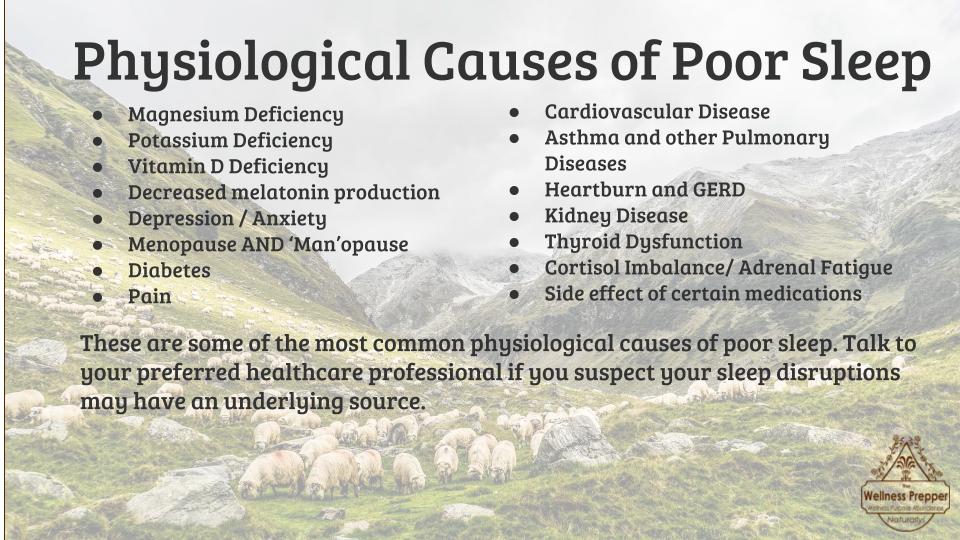
Frequently, poor sleep is simply the result of poor habits (which we’ll talk about later in the week), but just as commonly, it is the result of a physiological dysfunction and/or side effects of the medications that are used to treat a physiological dysfunction.

Y’all have a great day! See you tomorrow…
​Liz

  • « Go to Previous Page
  • Page 1
  • Interim pages omitted …
  • Page 9
  • Page 10
  • Page 11
  • Page 12
  • Go to Next Page »

Book Your Health Coaching CallBook Now

Elizabeth James

469.425.9091

ebj0203@gmail.com