• Skip to primary navigation
  • Skip to main content
Book Your Health Coaching Call
Good Medicine

Good Medicine

Holistic Health Coaching

  • Home
  • Liz James
    • About Liz
    • Coaching
    • Book a 20 Minute Complimentary Coaching Call
  • Favorite Resources
    • BlessedByHisBlood
    • Young Living
    • Fast Like A Girl Certified Coach
    • Order supplements through my Fullscript store
    • Green Pasture (Coupon: Health10)
    • RogersHood Apothecary (Coupon: BEABLESSING for 10% off)
    • DolphinMPS
    • Company
    • Abundance
  • My Books
    • Becoming Your Own Health Detective Volume 1
    • Becoming Your Own Health Detective Volume 2
  • Blog
  • Cart

Health

Children Need Cooties

Liz James · January 16, 2022 ·

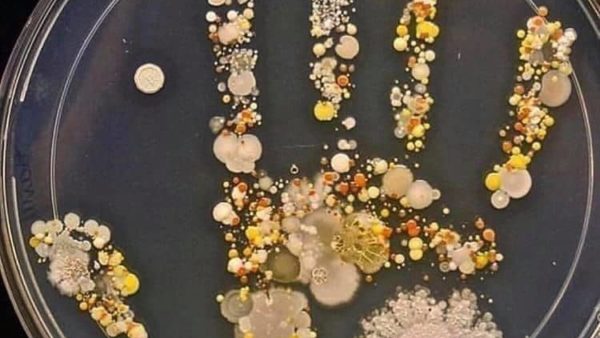
Isn’t that snapshot of the microbiome on that child’s hand beautiful? Pretty is as pretty does. Our body NEEDS cooties. Without them, we’d be in a sorry state. Take care of whatcha got, and work to create diversity among the community within you. You won’t regret it! 😉
xoxo~ liz
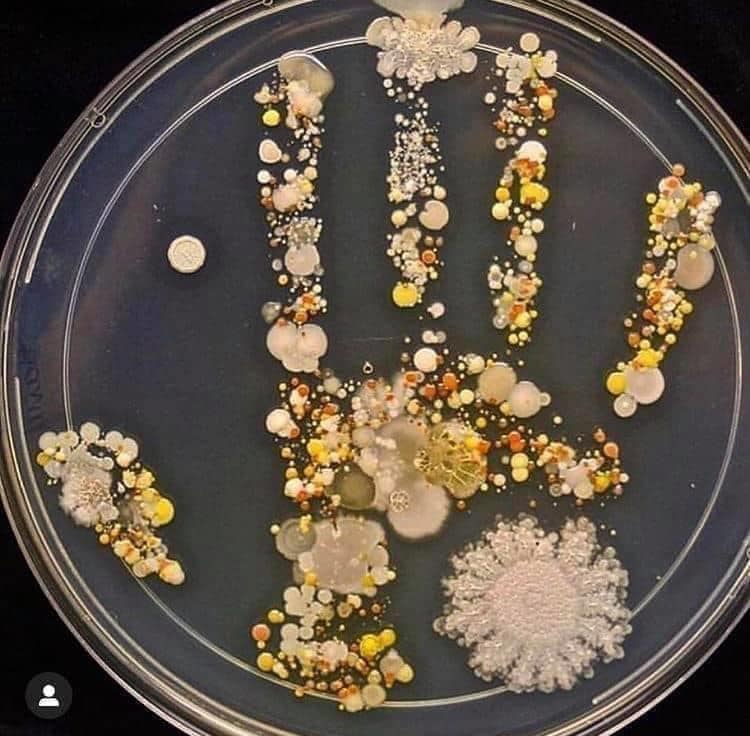
The microbiome is truly beautiful! 🍄

*This is the hand of an 8-year-old boy who placed his hand on a petri dish after coming inside from playing. Now I am sure at first glance you thought to yourself how disgusting this is and how this MUST be a bad thing, however, it is actually the contrary

  • First I want to point out that we are made up of more foreign matter than we are our own cellular DNA. Let me explain, there are more microbes in and on your body that quantitatively make up more cells than the ones that are YOU
  • The microbiota is said to be about 1.3 for every 1 cell that is our own. These microbes are responsible for keeping us healthy, digesting our food, creating nutrients, assimilating our vitamins/minerals, the processing of our information/neurotransmitters, our immunity and nearly every process and mechanism in the entire body. They exist in your mouth, on your skin and most importantly in your gut. (Terrain)
  • With the continuous rise of industrialized farming, environmental toxins, and even the overuse of hand sanitizers, we are not only depleting the microbes in our soil but the ones on our bodies, too. This is like taking down our force field and allowing the pathogenic bacteria, viruses, mold, and other pathogens to infiltrate. .
  • This post is to continue to create awareness that bacteria/fungus/viruses are not truly “bad,” and we must support a healthy microbiome inside/out. THEY ARE OUR FRIENDS and we must respect life even down to its smallest counterparts
  • The avg. human should have about 3.5lbs of gut flora in the intestines, however, on the standard American diet of overly processed/refined foods and the overconsumption of pesticides/insecticides, as well as the other near 80K man-made chemicals we interact with daily, we would be lucky to have a couple ounces
  • Do your best to avoid high 💯 alcohol-based hand sanitizers as they kill our first line of defense, the same for your mouth, avoid using alcohol-based mouthwashes and synthetic chemicals in/on your bodies; you want to support our little friends, not kill them off. 👾
  • PARENTS this is especially important for your developing children and THEIR microbiome! @tasturm1
    ⌨️ @dr.josepharena
    Shared from Beautiful Beginnings
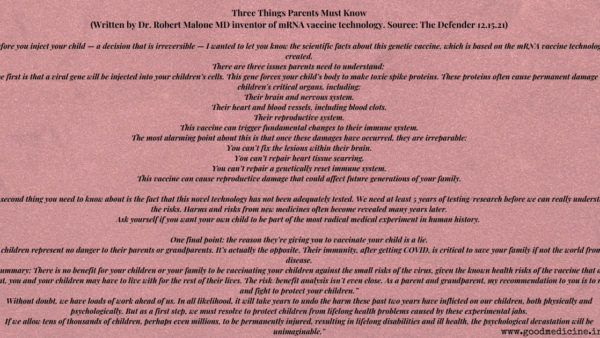
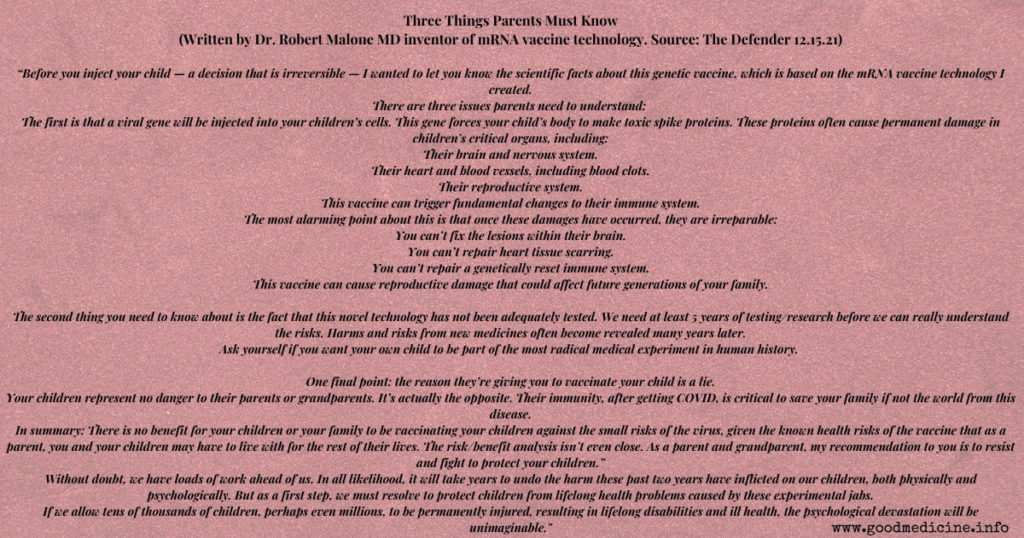
Parents Must Know!

Liz James · January 6, 2022 ·

“For wisdom will come into your heart, and knowledge will be pleasant to your soul; discretion will watch over you, understanding will guard you. ” ~ Proverbs 2:10-11

Dopamine Disturbances

Liz James · January 5, 2022 ·

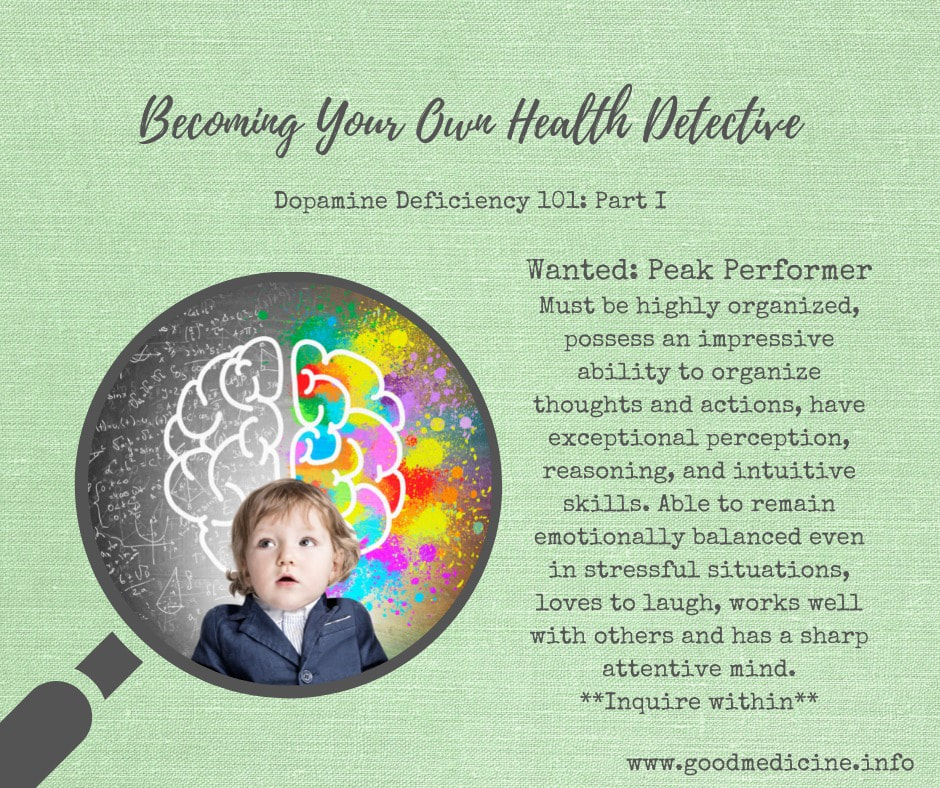
Dopamine Deficiency: Part I
“Motivator molecule.”
“Feel good brain juice”
“Reward chemical”
Dopamine is all those things and more. It’s a “VIP” neurotransmitter produced within the body whose job description is critical for optimal brain and body function. While dopamine occupies less than 1% of the neuron real estate in the brain, it is a key ingredient for important and finely tuned tasks:
*Controls flow of information within the brain
*Holds a critical role in memory, attention, and problem solving
*Contributes to motor skills and cognitive abilities
*Plays a supportive role in reproduction
*Activates reward and pleasure centers in the brain
*Holds a key role in attention and learning
*Reduces insulin levels in the body
*Protects the digestive system
*Influences the immune system
*Strongly affects mood and emotions
Dopamine is one of the most widely studied neurotransmitters, and yet there is still so much to discover. There is no direct way to measure levels of dopamine in the brain, so healthcare professionals must evaluate clues just like we are about to do: symptoms, lifestyle habits, medical and medication history are all important factors in becoming aware of what a dopamine deficiency might look like. I often wonder how we operate as we do, given the millions of things that can go wrong in the human body. Thankfully, God designed each body with the incredible ability to restore balance if given the correct tools and time to do so. 
Do you remember how easily the gut can be brought out of balance with a pesky virus  or an overpopulation of an aggressive bacteria or fungi? The same is true with dopamine.  Incrementally small swings of dopamine can make a big impact in either direction. Too much dopamine can lead to some pretty challenging mental health disorders. Dopamine deficiency can be mild or it can be major. Major dopamine deficiency is linked to Parkinson’s, schizophrenia, autism, ADHD, major depressive disorder, certain neurodegenerative disorders, and addictions. Identifying a dopamine deficiency trend early on allows for the time and tools to assist in bringing the body back into balance. I’ll wager that some of these clues may surprise you:
🔎Struggle to handle stress well (often leading to feelings of hopelessness and low self esteem)
🔎Carbohydrate and sugar cravings
🔎Chronic back pain
🔎Persistent constipation
🔎Poor blood sugar stability
🔎Weight fluctuations
🔎Lack of motivation (may show up as learning difficulties)
🔎Impulsiveness (Alleviates feelings of loneliness and sadness. Self gratification is used to “force” a dopamine drop that ultimately only creates more depletion long term.
🔎Difficulty organizing thoughts or staying productive
🔎Difficulty swallowing (dysphagia)
🔎Restless legs
🔎Tremor in the hands
🔎Cold hands or feet
🔎Fatigue or low energy
🔎Attention difficulties (may include a diagnosis of ADD/ ADHD)
🔎Reduced libido
🔎Low moods / depression
🔎Muscle cramps, spasms, or tremors
🔎Stiffness, aches or pains that have no cause
🔎GERD
🔎Lack of insight or self awareness
How does a dopamine deficiency happen? Three possibilities exist: too little dopamine is being made, dopamine receptors are being hindered or are not available in the numbers needed, or dopamine is being broken down before it can be utilized.  Neurotransmitters are just as much a product of the environment as the body is. Environment includes mindset, lifestyle, and habitual behavior. Dopamine deficiency is very much affected by all three: 
❓Sleep deprivation (Are you using all your tools and knowledge to get a restful night of sleep? (Immupro, Sleep Essence, lavender, cedarwood, Peace & Calming, Rutavala, and Tranquil are great options.)
❓Adrenal fatigue  (Do your adrenal glands need some supportive Endoflex or Endogize?)
❓Vitamin B6 or B3 deficiency (Are you taking Super B?)
❓Heavy metal exposure including lead, arsenic, cadmium, and aluminum. Mainstream cosmetics are a hidden contributor to daily heavy metal exposure. Lipstick is among the worst offenders. YL’s Savvy Minerals cosmetics line has many gorgeous, long lasting colors to choose from that are toxin free and dopamine friendly!
❓C Difficile overgrowth.  This is often the result of antibiotic use. Always follow each antibiotic dose two hours later with a probiotic such as Life 9 or MightyPro  and fermented foods to minimize risk of this occurrence.
❓Low magnesium, zinc, iron (Get proper lab work. Know your numbers, and supplement if necessary!)
❓Vitamin C deficiency (Are you taking your Super C Chewables?)
❓Vitamin D deficiency (Know your numbers and supplement with Super D or something stronger if your labs reflect the need.) 
❓Obesity. This causes a downregulation of dopamine in the brain, and leads to a reduction of the number of receptors in the brain.
❓Drug abuse both depletes dopamine and reduces the number of receptors in the brain.
❓Diets high in saturated fats and sugar ultimately deplete dopamine resources.
❓Chronic stress affects the body’s ability to produce dopamine. Go back and review the section on stress for tips, tricks and habits to mitigate stress wisely.
❓Certain medications often have a disastrous effect on dopamine in the body.
The topic of medications and their effects on dopamine is so very important and unfortunately it is rarely discussed.  I’ll devote next week’s post to that discussion! Life is too short to feel “meh” and live in jammies. If you’ve identified any areas of life  that may be sabotaging your dopamine production or utilization, it’s always a great time to make some changes and invest in yourself!
xoxo~ liz
www.goodmedicine.info
#Sharingiscaring
#ahealthydopaminelevelisgoodmedicine
#BecomingYourOwnHealthDetective
#ThanksYL
#goodmedicine

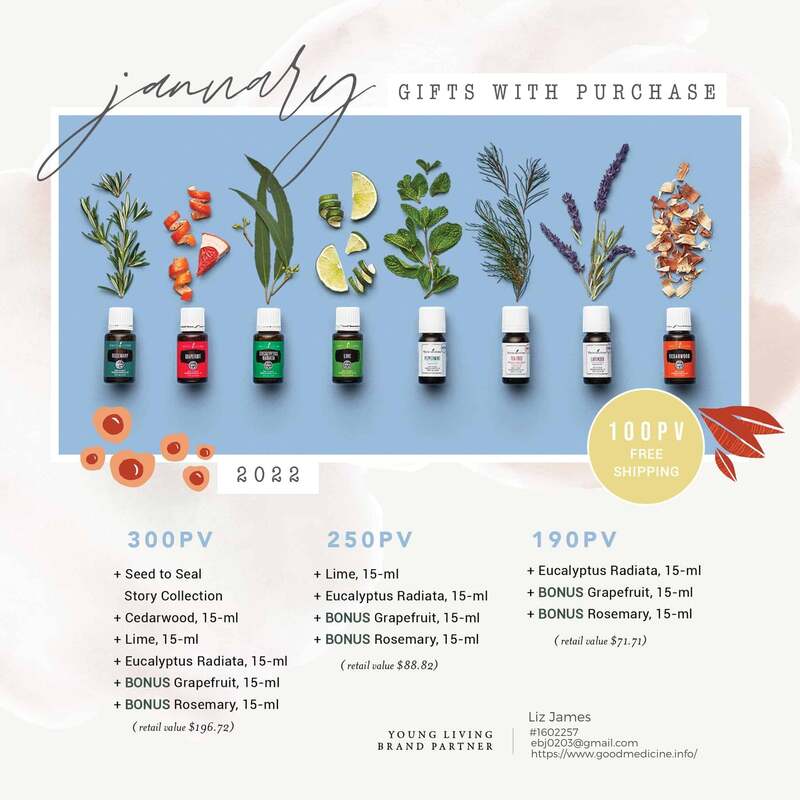
Happy New Year love Young Living Gifts!

Liz James · January 1, 2022 ·

Happy New Year Friends!
Have you begun thinking about what 2022 is going to look like for you and your family this year? Mindset is EVERYTHING as you walk through life. It will even mean the difference between how you view success and failure. My dad (who passed away in 2013) intuitively grasped this concept and lived it. He would willingly talk about his failures in life and in business…… but he could always find the positive personal growth he gained even when he failed at something. When I was a young adult, and and lamenting the struggle of the drama or trauma I was going through at the time, he would say,
“This is life 101 (or 201 or 301…. depending on the severity of the situation). Imagine how much money, time, and energy you would have paid in college to gain the lesson you’ve just learned. You got this education at an accelerated rate. (In some cases, I would feel like I had just got a crash 4yr degree in economics or psychology or human behavior. ) Now, don’t waste what you’ve gone through. Use that education and find all the benefits you just got from this experience.”
This life lesson is among the top 5 pieces of wisdom my dad gifted me. Life 101. We can’t avoid life lessons, so we might as well learn from them!
Young Living is giving us tools to help us as we use what we’ve learned in past years to make a difference in our lives this year.
Freebie Tools! Are you going to take advantage of receiving $196.72 in educational tools this month? I am!
🌿When my concentration stinks, I’ll incorporate Cedarwood, Peppermint, and Rosemary into my day.
🌿If I’ve let my immune system get puny and I need respiratory support, I’ll reach for Rosemary, Eucalyptus Radiata, Tea Tree, and Peppermint.
🌿 If I’m feeling sluggish both emotionally and physically, I’ll grab Grapefruit, Lime, and Peppermint.
🌿 Should I need a little help relaxing and unwinding at night, I’ll grab my Lime, Lavender and Cedarwood to create a diffuser blend.
If you’ve been around, you already know that these 8 oils have hundreds of potential uses. ( no exaggeration!)…. every single essential oil we have access to does. Are you spending a little time each month learning how to maximize the benefits of the oils you already have on hand? Letting them sit and gather dust unused would be like buying a computer and then leaving it in the box on your desk.
Is this your year to take back control of your health? If so, reach out to someone who has been walking the Young Living lifestyle ahead of you. Learn as you go. Don’t quit. Learn from your victories and your boo-boo’s ( try a little lavender if that boo-boo is a physical one, tho it often works on emotional boo-boo’s too 😉 )
Maybe your goal this year is to hop back into community? We’re here and we’re always doing something, and we’d love to have you join us!
Perhaps your goal is to have a little extra money💰 … enough to pay for your YL box of health, a car payment, or a special date night occasionally? Talk to someone you know who has chosen to help others help themselves the Young Living way.
2022 is going to be whatever you make of it! Make this YOUR YEAR to shine, grow, and live abundantly!
xoxo~ liz
www.goodmedicine.info (Complimentary 30 minute initial coaching sessions are always available to kickstart your health journey!)
#sharingiscaring
#wellnesspurposeabundance
#ThanksYL
#agoodmindsetisgoodmedicine

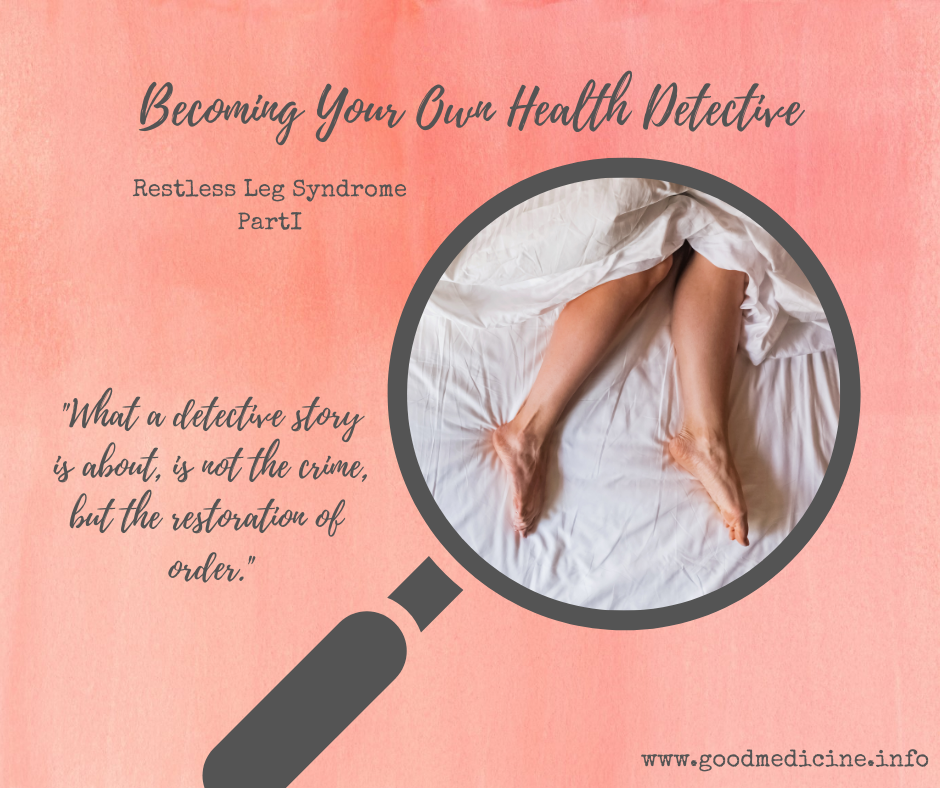
Clues from Restless Leg Syndrome – part 1

Liz James · December 21, 2021 ·

The Trail of Clues in Restless Leg Syndrome: Part I
OK friends, let’s take a quick quiz straight from the pages of the National Institute of Health. These 4 questions are a simple “yes” or “no” answer, and will help identify if this next set of clues resonates with your current situation. 
✅Do you have a strong and often overwhelming need or urge to move your legs? (Often the urge may be accompanied by abnormal, unpleasant or uncomfortable sensations.)
✅Does the urge to move your legs start (or get worse) during rest and inactivity?
✅Does the urge to move your legs worsen in the evenings/at night?
✅Is the urge to move your legs partially or totally relieved by movement (at least temporarily)?
If you have answered yes to these questions, this post series may shed light on both why your legs may be restless and (next week) natural ways to help relieve the situation.  Bear in mind that beyond the questions above, there are several mimickers of restless leg syndrome, so the process of elimination may come in handy!   Poor circulation in the legs, fibromyalgia, neuropathy, and ADD/ADHD are a few disorders known for restless leg mimicry.
Restless leg syndrome (RLS)  is a very common condition affecting about 10% of adults in the USA and even some children. There are several medications commonly used to treat RLS. According to many pharmacy clients I’ve worked with over the years, the medications are often minimally effective, not without unpleasant side effects (GI distress, constipation and/or diarrhea), and do not address root causes.
RLS is not generally a precursor of things to come thankfully….but it is highly annoying and life disruptive nonetheless, especially as it often leads to chronic insomnia.
As any good detective would do, you’ll want to discover the motive (root cause) of your  RLS. Motives vary in each case, right?
*Occasionally, restless legs may be blamed on genetics, but that is the exception rather than the rule. Overwhelmingly, restless leg syndrome is given the dubious distinction of having an idiopathic origin. My personal feeling is that “idiopathic” is an overused medical term used when not enough time has been spent looking at clues to find the root cause! Understandably so….. insurance companies do not usually allow doctors the time or tools (comprehensive lab work) to actually find the source of the problem.
There are MANY factors leading to or exacerbating restless leg syndrome:
*Approximately 15% of RLS cases have an underlying iron deficiency. Iron deficiency may be easily checked with lab work. Checking iron alone is insufficient. Ferritin levels also need to be evaluated.
*Other nutritional deficiencies contributing to RLS include magnesium, calcium, potassium and/or zinc. Again, blood work is key. (If you get magnesium tested, make sure it is magnesium bound to red blood cells “mRBC” for a more accurate reading)
*Hormone imbalance is another common cause. Approximately 20% of pregnant women develop RLS, usually in the third trimester. This symptom tends to dissipate about 4 weeks after delivery of the baby. Women are more likely to have hormonal imbalances than men overall, and women are also more likely to develop RLS than men in life. Hyperthyroidism, another type of hormone imbalance, is an additional contributor.
*Dopamine is a neurotransmitter that plays many roles in the body, most notably in motivation and positive reinforcement of behavior. It also plays a critical role in the control of movement. So, as you might imagine, a dopamine imbalance may also play a key role in RLS. (We’ll cover dopamine deficiency in the near future.)
There also appears to be a relationship between ADD/ ADHD and restless leg syndrome. Additionally, pediatric restless leg disorder is sometimes misdiagnosed as growing pains or ADD.
*Symptoms of restless leg syndrome are common in people who have chronic kidney disease.  When the kidneys are not functioning as they should, anemia, iron deficiency, and high calcium levels in the blood commonly occur. As you’ve just learned, all of those conditions exacerbate RLS.
*Hypertension, diabetes, and increased BMI (body mass index) also contribute to the incidence of restless leg syndrome. (The medications used to manage these conditions are also worthy suspects!) Uncontrolled high blood sugar often leads to peripheral nerve damage; another contributor to restless legs.
*Medication induced restless legs may be among the most common (idiopathic?) causes for developing this disorder. Every medication acts in multiple ways throughout the body. Immediate side effects of medication are fairly easy to spot, but often side effects such as restless legs creep in slowly, making it hard to pinpoint the culprit. Medications known to cause restless legs over time include:
💊Certain antihistamines
💊Psychotropics (ex: haloperidol, aripiprazole, risperidone, quetiapine, mood stabilizers)
💊Antidepressants (SSRI’s,SNRI’s, and tricyclics, ex: fluoxetine, sertraline, venlafaxine, paroxetine, imipramine, amitriptyline)
💊Some nausea medications (metoclopramide and prochlorperazine)
💊Acid reducers
💊Beta Blockers
💊Calcium channel blockers
💊Some sleep medications
I’ve talked to many pharmacy clients over the years who struggle with restless legs, and while it is a relatively benign condition, it is definitely life altering…anything that negatively affects quality sleep is! Westernized health culture is often very quick to prescribe or suggest over the counter medication to quickly solve a problem, overlooking the unintended possible consequences. Often, there is a gentler solution, but it does require ownership and a willingness to take personal responsibility for one’s own health management.  There will always be a time and a place for western medicine, but it behooves us all to leave that as a last resort whenever possible.
I hope this helped someone identify their restless leg trigger(s). Next week I’ll talk about healthy options for living with RLS.
xoxo~ liz
#sharingiscaring
#goodmedicine

  • « Go to Previous Page
  • Page 1
  • Interim pages omitted …
  • Page 29
  • Page 30
  • Page 31
  • Page 32
  • Page 33
  • Interim pages omitted …
  • Page 63
  • Go to Next Page »

Book Your Health Coaching CallBook Now

Elizabeth James

469.425.9091

ebj0203@gmail.com