What’s your favorite ‘pi’? Mine is  apple!


Good Medicine
Holistic Health Coaching
What’s your favorite ‘pi’? Mine is apple!
 ) is going to be new clue territory for many people.

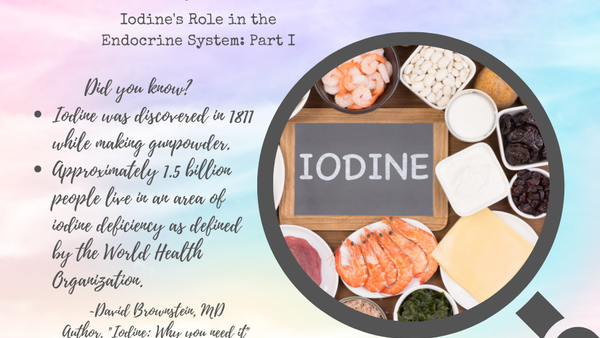
 and sea vegetables (seaweed), but it would require a regular diet of these foods to prevent a deficiency. wasn’t a common food source. In 1923-1924 a study revealed that simply adding small amounts of iodine to the diet drastically decreased the incidence of goiters. Iodized salt was introduced into the US market, and by 1951, fewer than 0.5% of school aged children had evidence of enlarged thyroid glands. (Previously, it had been a remarkable 40% in areas with little access to ocean foods). The United States Food and Nutrition Board eventually set the RDA for iodine between 150-290 micrograms/day (approximately ½ – ¾ tsp iodized salt) to prevent goiters.
 The Japanese consume 89 times more iodine than Americans (waaaaaaay more than what the US RDA has established) due to daily consumption of sea vegetables. Coincidentally, the traditional Japanese culture has reduced rates of chronic disease and some of the lowest cancer rates worldwide.Iodine is considered to be among the safest of all essential trace elements (provided we are discussing the inorganic non radioactive
 variety!), yet it has been given some pretty strict guidelines by the entities in charge.Iodized salt is loaded with sodium which has its own health concerns. Additionally, a 1969 study
  found the bioavailability of iodine in iodized salt to be only about 10%.An estimated 50% of adults in the United States have an undiagnosed iodine deficiency, and some of the researchers and “out of the box thinking” experts I follow suggest that this number may be as high as 90%.When I consider how often “those who make the rules” have given us dubious health information in other areas of health, I usually opt to think for myself. Yes, I acknowledge the guidelines, but I also dig for evidence that there may be some rocks “they” don’t want us to look under.
 It’s an established fact that we are monetarily worth more to the medical system if we are dependent upon it.Scientifically, iodine has been proven to have antibacterial, antiparasitic, antiviral, and anticancer properties. Iodine is responsible for regulating thyroid function and supporting healthy metabolism.Adequate Iodine is necessary for a robust immune system.Every cell in our body has a life cycle. When a cell dies in a healthy body, it is replaced by a new cell. This programmed cell death is called apoptosis, and it’s a good thing. Cancer cells are examples of cellular failure to undergo apoptosis. Iodine plays an important role in this beneficial programmed cell death.Iodine has a protective effect against H. Pylori
  (a bacteria that tends to live in the stomach, and when overpopulated, causes ulcers and stomach cancer)Iodine is a key ingredient for the production of all of the other hormones in the body. (Did you catch that….. “All” ). It’s also found in every cell in our body, but especially concentrated in the salivary glands, the substantia nigra of the brain (one of the involved areas for Parkinson’s disease), the cerebral spinal fluid, the gastric mucosa, breasts, ovaries, and the ciliary body of the eye.Would you find it interesting that iodine deficiency has been linked to many chronic diseases and dysfunctions including Multiple Sclerosis, glaucoma, Sjogren’s, Parkinson’s, thyroid disorders, fibrocystic breast disease, breast, ovarian, endometrial and prostate cancer, uterine fibroids, ovarian cysts, certain headache types, diabetes, heart arrhythmia, and the inability to detox properly especially when exposed to mercury, fluoride, and bromine.
 Iodine is an interesting micronutrient. It’s categorized as a “halide” on the periodic table. As a halide, it hangs out with the likes of fluorine, chlorine, and bromine. As you might guess, there are enough similarities between these four that iodine, fluoride, chlorine, and bromine often compete with one another in the body. It’s like a chemical version of the movie “The Parent Trap”
 , and fluoride, chlorine, and bromine compete against iodine preventing absorption and binding and tricking the body in the process. Larger degrees of exposure to these toxins make it harder for the body to use the iodine we do get in our diets and supplements. Hopefully you’ve kicked that fluoride laced toothpaste and mouthwash to the curb and have fallen in love with Young Living’s Thieves toothpaste and mouthwash. Watch your water sources for fluoride and chlorine too. Remember, the skin is like a sponge!Medications including maalox, mylanta, amiodarone, anti-gout meds, birth control pills, cortisone and prednisone as well as some SSRI’s inhibit the body’s use of iodine. Note the possible drug-disease causing connection, especially when there is long term use of the pharmaceutical.Even certain foods can be iodine robbers if eaten in excess. Cabbage, broccoli, spinach, Brussel sprouts, cauliflower, kale, radishes, mustard greens, strawberries, and peaches may cause issues ( only if eaten in excess), especially if iodine levels are already low.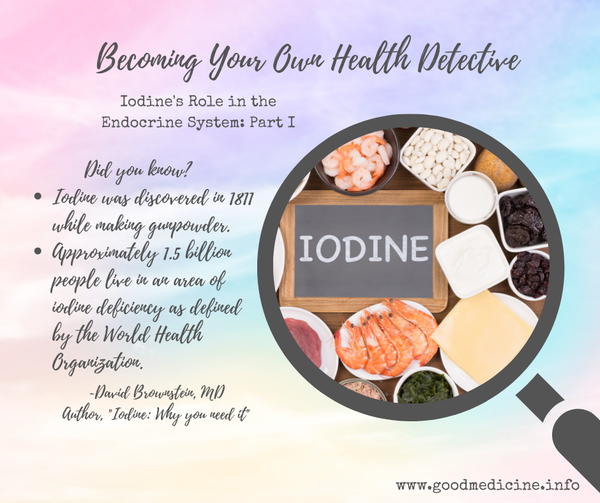
 brain, though both may be affected. Does that make sense?
 .
.

 ….. This is your first and most important “how to” take care of your endocrine system…. Find your tribe and love them ….. And (importantly) also let them love you
  .
. Chiropractic care. Yes, even a little time on the table with a fantastic chiropractor can improve the functional quality of the pineal, hypothalamus, and pituitary glands.Eating a clean organic diet. The body can only thrive if it is given toxin free nutrition.Control sugar intake. Processed sugar causes inflammation which affects pituitary function.Be active! High Intensity Interval Training (HIIT) is especially helpful…. One of the most helpful body movements is squats. Who knew!?! Boost your entire endocrine system’s function with regular sets of squats!Incorporate small amounts of iodine (not the kind found in commercial table salt) into your diet. Kelp is a fantastic natural iodine source (it’s a key ingredient in Young Living’s Multigreens!) Sadly, fluoride is found in many city water supplies, toothpaste, and mouthwash brands. Fluoride calcifies both the pineal and pituitary glands which, as you’ve learned, goes on to affect the integrity of the rest of the endocrine system. The Young Living Thieves Toothpaste ( available as Dentarome Plus, Aromabright, or the kiddos Kidscents Citrus flavor) and Thieves Mouthwash are fantastic alternatives to the fluoridated varieties, are immune system supportive and provide ingredients for stellar oral hygiene.Fresh organic beet juice. Beets contain boron and B vitamins… necessary nutrients for a healthy endocrine system. Beet juice also helps counter the effects of fluoride and heavy metals.Manganese (found in nuts, leafy greens, whole grains, and legumes) , Vitamins D, E, and A are all necessary for healthy glandular function. YL’s Master Formula contains kelp, boron, manganese, B vitamins, Vitamins D, E, and A among a whole host of additional micronutrients. If you are looking for a “one stop shop” this may be your “go to” supplement.Good sleep hygiene. There are dozens of natural ways to improve sleep quality. Healing occurs best in a well rested body. Are you making full use of all the tools you may already have in your home? Essential oils well known to enhance sleep include Lavender, Cedarwood, Frankincense, Roman Chamomile, Orange, as well as blends RutaVala, Tranquil, Peace and Calming, and Stress Away all tend to support a good night’s sleep. Immupro and Sleep Essence are two sleep supportive supplements that may also be called in for duty if needed.Sage (the plant and the essential oil) has some very interesting properties that appear to support the endocrine system. If you choose to dive down this rabbit hole in your research, use the key words “salvia officinalis”, and “endocrine” or “pituitary”. Salvia comes from the Latin word (salvarem) which means “to save”. It may be this plant that best signifies the “mind, body, spirit” healing aspect simply by its activity within the endocrine system.
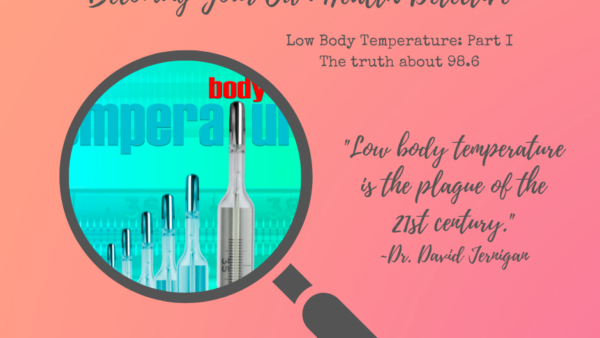
Body Temperature Part I: The Truth about 98.6
Usually when we talk about  temperature it’s generally in relation to illness or fertility. You’ve heard people say, “My body temperature just runs low.”, and we accept that as “normal” for them. Heck, I was one of those people too, until I learned the truth.
I’m no physics expert, but we’re gonna talk about some very basic physics and biology “laws” for just a hot minute. I promise to keep it simple. Understanding these principles will help seal this information into your memory.
 Temperature is an indicator of heat in a system.
Heat is energy.
Vibration produces heat.
Cells vibrate, and in doing so, produce heat.
Every cellular reaction in the body occurs optimally (key word!) at a specific “heat” level.
Energy (heat) produces cell voltage (imagine a cell has a battery) which alters the pH of the body.
The vibration of molecules within cells is measured electrically. The “hertz” unit is used to measure electrical vibrations (known as frequency).
If the production of energy (heat) drops in the body, cellular vibrations have slowed down and frequency (measured in hertz/ Htz) and pH are affected.
Low frequency and an acidic pH are associated with cancer, chronic disease, and mental health issues.
How’s that for a nutshell version of a basic Law of Thermodynamics and its relationship to mammal biology? 
Beyond the microscopic view of body temperature, there are certainly other factors at play:
The hypothalamus (located in the brain) directs the opening and closing of blood flow to the skin. It works in tandem with the thyroid and other tiny but mighty glands and organs. Damage to any of them may affect body temperature.
Stress also interferes with, and drives down body temperature. Cold hand and/or feet are often a reflection of stress response. Conversely, warmer hands/feet indicate relaxation. We can grow used to living with chronic stress, but the body doesn’t lie.
Adrenal fatigue or insufficiency
Hormone imbalance (commonly low progesterone or estrogen dominance in women, or low testosterone in men)Unresolved emotional trauma
Heavy metal or chemical toxicity (including medications)
Some people may be born with a lower body temperature. This may be due to any of the above. Do not minimize the generational impact of toxins, unresolved emotional trauma, energetically dead food, and poor water quality on babies!
Chronic low body temperature is often a common clue or symptom of a known (or yet unknown) disorder or distress.  Dr. David Jernigan writes, “The colder a body becomes, the slower the electrical oscillatory rate and therefore the thicker, more viscous, or syrupy the body fluids become. The more viscous the fluids become the more difficult it is for the body to push the fluids through the body. The lymph fluids that are normally supposed to bathe the outsides of all of your cells become progressively stagnant as it is too thick to move efficiently.”
Jernigan’s illustration above is a graphic description of what happens when body fluids become stagnant. If low body temperature becomes a chronic issue, several things begin happening:
The body becomes a home for viruses, certain bacteria, and chronic infection
Gradual cellular death (without regeneration) begins to happen
Actions of enzymes, vitamins, minerals, hormones, neurotransmitters and other body essential chemicals are compromised
Acidity of the body increases and serious disorders and diseases begin appearing.
Frequency of the body drops and negative emotions begin to predominate
It becomes even harder for the body to spit out toxins
Smooth muscle tone is affected and fluid begins leaking out into tissue and edema results
Can chronic low body temperature be corrected?
 You bet it can, and we’re going to discuss that next week! Remember, the wall around Jerusalem didn’t get destroyed in a single day and it wasn’t rebuilt in a single day either! And, Nehemiah didn’t do it alone. He sought out a community of like minded people with different skill sets to help him rebuild, and they persevered… even despite toxic (both physical and emotional) onslaught in the process. Your life is a story of clues, and although God is the ultimate author of each of our stories, the choices we make play a huge part in the writing of it!
xoxo~ liz
#checkyourtemp#sharingiscaring#98point6isgoodmedicine#ditchthetoxinsifyouhaventalready#thanksYL#youarethecoauthorofyourstory#becomingyourownhealthdetective