• Skip to primary navigation
  • Skip to main content
Book Your Health Coaching Call
Good Medicine

Good Medicine

Holistic Health Coaching

  • Home
  • Liz James
    • About Liz
    • Coaching
    • Book a 20 Minute Complimentary Coaching Call
  • Favorite Resources
    • BlessedByHisBlood
    • Young Living
    • Fast Like A Girl Certified Coach
    • Order supplements through my Fullscript store
    • Green Pasture (Coupon: Health10)
    • RogersHood Apothecary (Coupon: BEABLESSING for 10% off)
    • DolphinMPS
    • Company
    • Abundance
  • My Books
    • Becoming Your Own Health Detective Volume 1
    • Becoming Your Own Health Detective Volume 2
  • Blog
  • Cart

Depression

Goin’ Down the Gopher Hole

Liz James · February 26, 2019 ·

Have you ever begun researching or looking for information on something, and it leads to more research ad infinitum? Well, that has happened to me over the course of the last six weeks. It’s all good stuff and I’m super excited to begin sharing it with you all, but first I have to get it unpacked properly from my brain.  I love learning and uncovering new information…. it makes my heart go pitter patter, even if it does at some point begin to give me blurry vision and in need of a map as I return from the warren of learning I’m being steeped in. 

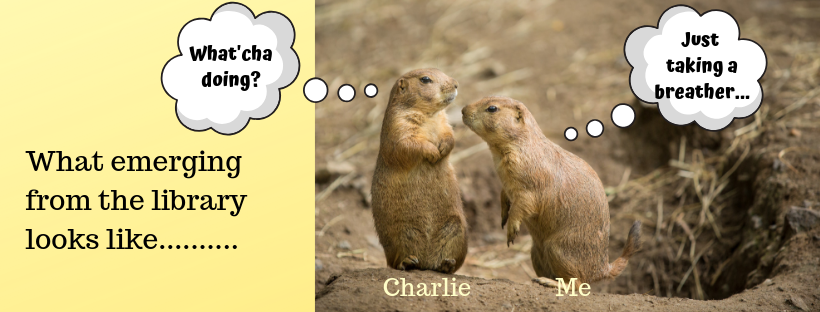
The gopher hole (yes, I know the cuties above are actually prairie dogs!) I went down began with a simple question that had been ping ponging about in my brain for several months. I am a holistically minded pharmacist as you may well know, and I LOVE to help people realize feasible ways prevent dis-ease, restore function, and become optimally healthy. In a word: Not just surviving, but thriving! 

There ARE times when medication is necessary and Western medicine needs to work its magic thru intervention, but really….. this needs to be reserved for emergent care, when holistic measures have failed, or when genetics simply deal us a challenging hand.

Unfortunately, we have become an immediate gratification society, and the ‘grab and go’ healthcare system has capitalized on that. It’s much easier to take a pill for a symptom than it is to identify the root cause and work towards fixing what’s actually ‘broken’…..but taking a pill (or having an elective surgery) will ALWAYS have a consequence, and frequently, it may have more than one consequence. Often, the consequence will simply replace the original symptom (dysfunction), but occasionally, it can open a can of worms that was bigger than the first problem. I’ve seen this scenario happen too many times to count in my career.

“We” (ie: our current worldview) tend to discount risk versus immediate benefit in lieu of the desire for an immediate ‘fix’. When the immediate need is resolved, the focus of our attention is removed from the problem (or dysfunction)…. we’ve moved on to the next thing. Meanwhile, the risk may have slowly and quietly slipped thru the cracked door, and we fail to notice the correlation….. benign neglect, innocent ignorance of our own bodies, willingly handing over the ‘care and feeding of us’ to a Third Party who has little or no vested interest in our optimal health….. regardless of the reason(s)….. secondary dysfunction has crept in on padded feet. 

Here is but one example:
Statins are one of the most commonly prescribed medications in the United States for high cholesterol. Nearly 30% of adults over 40 are on them. Impressive stat for Big Pharma, right? 

But let’s go over another set of stats on the statins. Statins work by blocking a VIP enzyme called HMG-CoA. When this enzyme is blocked…. it blocks the production of cholesterol, but it also blocks the production of a nutrient called CoQ10. (Blocking the production of cholesterol is a post unto itself, that I will tackle next week and unpack for you…. cholesterol has been demonized when in actuality, it is an absolutely vital component to our well being)CoQ10 is critically important, and it can be supplemented to offset potential problems. Unfortunately, in my experience, most doctors never tell their patients this when they hand them a statin prescription. The doctor ‘might’ tell them to let them know if they have unusual soreness or cramping in their legs (a warning sign of something called rhabdomyolysis). This is a common ‘side effect’ of statin use…. but the reality is that it’s a sign of a secondary deficiency that crept thru the door that statin use opened. Other signs of CoQ10 deficiency include:

  • cardiac arrhythmia or palpitations, which could land you on medication. (Low CoQ10 is found in nearly all patients with heart failure. Read into that what you will…..) 
  • depression or memory loss (meds for this too)
  • fatigue (you may live with this, or begin self medicating with caffeine or other stimulants)
  • Impotence or decreased libido (ugh!)
  • High blood sugar (setting you up for diabetes OR making your current diabetic state harder to manage or regulate….. don’t even get me started!)​In 2014, the American Diabetes Association actually made the recommendation that all adults over the age of 40 take statins. (I’ll speak more to this when I write that cholesterol post)

Does this worry you? It should. And this is but one class of medications that causes a deficiency of CoQ10. 

Now, I’m not a doctor, and please….. do not take my words (or anyone’s words) as gospel.  I am all about self study and whole truth… which is not always easy to come by in the healthcare industry. (Remember, there are billions of dollars at stake here.) I encourage all of you to become the best advocate of you that you can be. Nobody knows you better than you, right? Self study can be a little confusing if you aren’t used to it. Talk to your healthcare provider. Don’t be afraid to ask the hard questions….. and above all, be armed with knowledge that you yourself have found. Do not be afraid to shake the dust off your shoes and move on if your doctor doesn’t take full consideration of your concerns.

If this post has rattled your cage a little, so be it. That is my job as a pharmacist…. to point out some things that are important for a body to stay healthy, and it’s your choice whether to keep your head in the sand or be on the lookout for danger. We (pharmacists) are trained to counsel on side effects, but we need to be taking it a step further …..counseling on the causes of those side effects as well as potential ways to mitigate them, and to teach our tribe how to not just avoid deficiency, but to have optimal health in the process. ​

This is but one of the reasons I believe proper supplementation is so absolutely critical to living well, but especially if you are one of the millions who are on (and may need to remain on) a medication. Because statin use is also now being linked to probable Vitamin D deficiency, I recommend both MindWise and OmegaGize3 as being stellar products in the supplement industry… for everyone. Don’t wait for a deficiency to actually happen. It’s much harder to fix than it is to prevent, right? 

If these products are new to you, I encourage you to learn more about Young Living and why I’ve chosen them as my supplement company of choice. You can learn more about the company and how to receive discounted pricing by returning to my home page, or if you’d like to chat, please reach out to me. That’s why I’m here.

Be well, and have a glorious day! 
Hugs and Love, Liz
​

Sleep Week – day 4

Liz James · July 5, 2017 ·

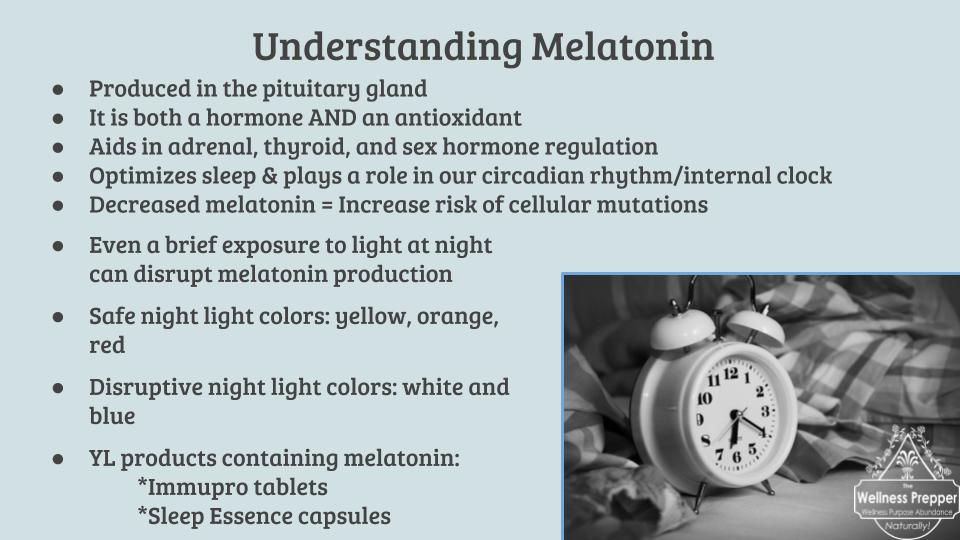
Good morning sunshine! I hope you all woke up refreshed. This morning, I wanted to talk a little about melatonin.

Melatonin isn’t just for sleep. Small daily doses may also support  our thyroid function and healthy estrogen levels (in women aged 42-62 years).

I find it so interesting that ‘natural night time light colors’… think campfires, moonlight or fireflies are acceptable to our bodies, while unnatural (ie:manmade) lighting colors are disruptive. God certainly knew what he was doing

Too much of a good thing isn’t always a good thing…High doses of melatonin supplementation can actually cause the reverse effect and aggravate good sleep.

Thank goodness Young Living knows this  (those smarty pants!), and have given us ImmuPro and SleepEssence*.

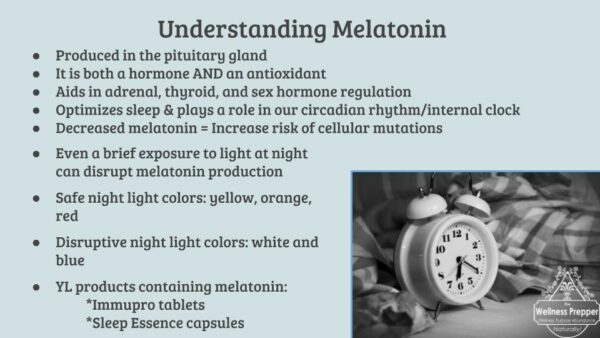
Immupro is an excellent immune system supporting supplement. Melatonin alone also supports the immune system (in proper amounts of course). This is one of the reasons it is an ingredient in ImmuPro…. while it does aid in sleep, it also does so much more! Remember, healing occurs greatest while we sleep.But did you also know that if our bodies are not producing enough melatonin (see the graphic above) due to even the briefest exposure to light at night or due to aging then our thymus gland begins to atrophy. And if our thymus isn’t functioning properly…. that is bad news indeed!  A shriveled up thymus means that a key component of your immune system has been compromised. 

Approximately 9 million people in the USA take prescription sleeping pills regularly. Meds like Ambien, Lunesta, and Sonata (etc) are only approved by the FDA for short term use, and yet, doctors prescribe them like night time candy. I know this because they are some of the fastest moving drugs in our pharmacy.

There are significant (and sometimes long term ) side effects of prescripton sleep aids… especially when taken regularly.

  • Drowsy daytime driving
  • Depression (yes, they can both cause and augment it)
  • Increase the risk of infection (by 44%)
  • Increased risk of falls (especially a problem in the elderly)
  • Erratic behavior (both night and daytime)

This is why it’s so important to uncover the root cause of sleepless nights, and address that, instead of the ‘band-aid’ solution in the form of a sleeping pill.

I do not take ImmuPro or SleepEssence nightly, but I do keep at least one of these on hand…. and use them when I struggle with sleepless nights. The nice thing about these products is that you can take them occasionally, or regularly if needed without fear of addiction or side effects.

As I’ve posted throughout the week, if today’s discussed products interest you, You can have a wholesale membership with Young Living for a once a year purchase of $100 (they throw in a free oil for stress too!) and then have access to ALL their products at wholesale pricing (24% off retail prices).  You can order whatever you’d like with no minimum. Places like SAM’S and Costco charge a higher annual fee, and you get nothing but access to their buildings…. so this is a pretty great deal. If you have any questions, please feel free to message me. (If you choose to sign up with a membership…. regardless of the type, I’ll send you a 400+ page hardcopy reference manual and other resources to get you started).

DISCLAIMER: ALL POSTS, ARTICLES, LINKS OR TESTIMONIALS ON THIS SITE ARE FROM OUR “INDEPENDENT YOUNG LIVING WHOLESALE MEMBERS” WHO RECEIVE COMMISSION ON THE SALE OF COMPANY PRODUCTS. THEY ARE INDIVIDUAL EXPERIENCES, REFLECTING THE REAL LIFE EXPERIENCES OF THOSE WHO USED OUR PRODUCTS. HOWEVER INDIVIDUAL RESULTS MAY VARY. WE DO NOT CLAIM, NOR SHOULD THE READER ASSUME, THAT ANY INDIVIDUAL EXPERIENCES RECOUNTED ARE TYPICAL OR REPRESENTATIVE OF WHAT ANY OTHER CONSUMER MIGHT EXPERIENCE. TESTIMONIALS ARE NOT NECESSARILY REPRESENTATIVE OF WHAT ANYONE ELSE USING OUR PRODUCTS MAY EXPERIENCE. YOUNG LIVING IS NOT RESPONSIBLE FOR THE OPINIONS OR COMMENTS POSTED ON THIS WEBSITE, AND DO NOT SHARE THE OPINIONS, VIEWS OR COMMENTARY OF POSTINGS ON THIS WEBSITE. ALL OPINIONS EXPRESSED ARE STRICTLY THE VIEWS OF THE POSTER OR REVIEWER. THESE STATEMENTS HAVE NOT BEEN EVALUATED BY THE FOOD AND DRUG ADMINISTRATION. THIS PRODUCT IS NOT INTENDED TO DIAGNOSE TREAT, CURE OR PREVENT ANY DISEASE.

Sleep Week – day 2

Liz James · July 2, 2017 ·

Good morning friends!! I hope you got a good night of sleep last night! Fireworks were fierce out here in the country til nearly midnight (we’ve got at least 2 more nights of them.. July 4th is around the corner)… and our animals were stressed. Needless to say, OUR sleep was affected!

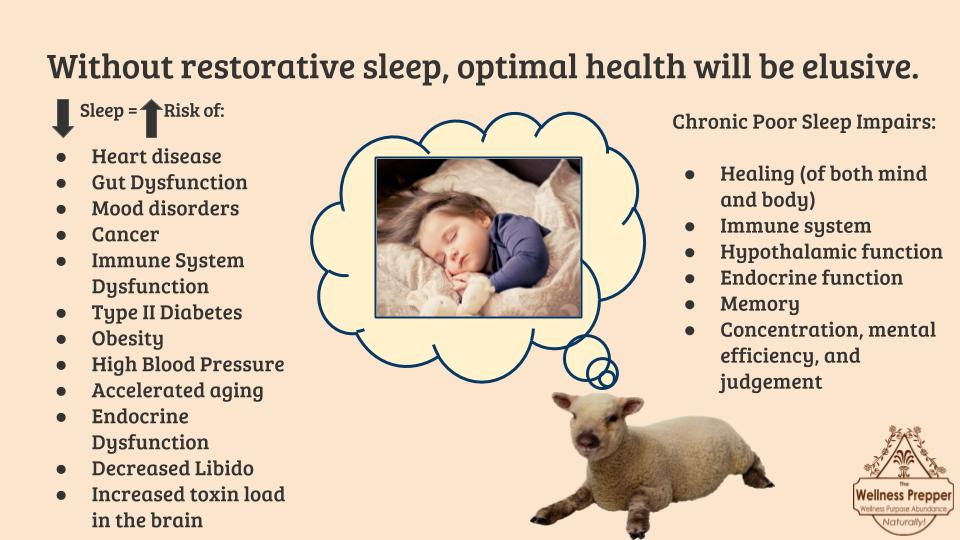
Sleep deprivation causes increased hunger and increased stress hormone levels… never a good thing, but especially if you are trying to manage your weight or lose a few extra pounds. Sleep deprivation can make that goal dang near impossible!

  • Sleep deprivation speeds up the aging process. Telomeres are the caps at the end of chromosomes that protect your cells and genes. When telomeres get short from aging, (or a lifestyle that promotes aging), our cells cannot replenish. Fortunately, there are things you can do to keep these caps long and happy. Getting adequate sleep is one of them! People who get roughly 7 or more hours of sleep a night tend to have longer telomeres, especially among the elderly!
  • Recent studies show poor sleeping habits cause brain damage and even accelerate onset of Alzheimer’s disease. Sleep is necessary for maintaining metabolic homeostasis in your brain. Without sufficient sleep, neuron degeneration sets in and catching up on sleep during weekends will not prevent this damage.
  • Sleep deprivation causes disruption of certain synaptic connections that can impair your brain’s ability for learning, memory formation, and other cognitive functions.​

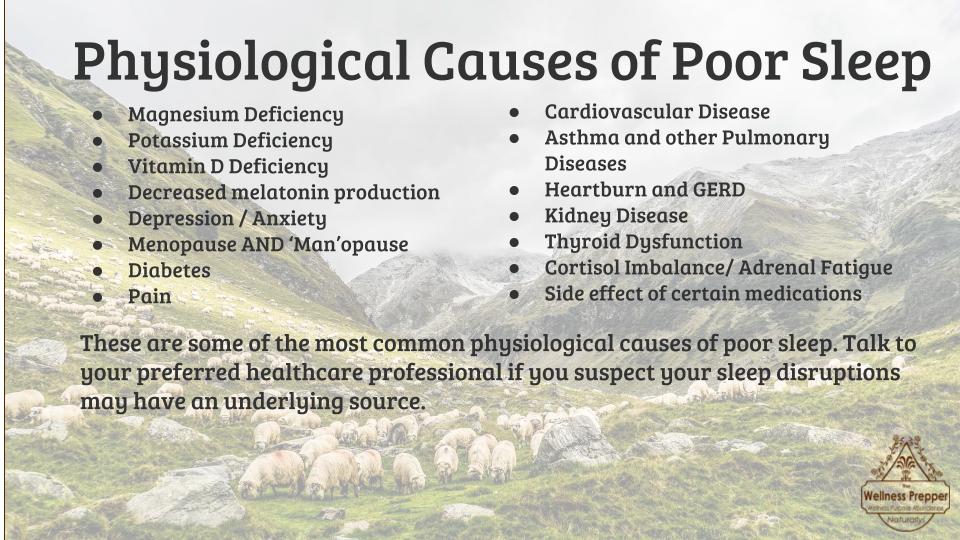
Frequently, poor sleep is simply the result of poor habits (which we’ll talk about later in the week), but just as commonly, it is the result of a physiological dysfunction and/or side effects of the medications that are used to treat a physiological dysfunction.

Y’all have a great day! See you tomorrow…
​Liz

Sheep…Er, Sleep 101

Liz James · May 23, 2017 ·

As much as this oily farmgirl loves her animals, counting sheep as I lay in bed is NOT my favorite thing to do. In fact, it’s downright annoying and, over time, it can actually become destructive to the body. Usually, I have no trouble falling asleep, but there are times when I wake up with some thought that is front and center in my brain and refuses to leave. That’s a problem. Thankfully, it isn’t a chronic issue for me, but when it does happen, it sure makes the following day a little more challenging. 

If you do suffer from chronic sleep dysfunction, ultimately your health will be affected. Heart disease, cancer, mood disorders, immune system function, the healing process, memory loss, diabetes, and increased speed of aging….. all of these (and more!) become more likely to occur with chronic insufficient sleep.

Sleep issues are incredibly diverse, and this post will certainly not do the topic justice. Some of the most common reasons for not falling asleep, not achieving deep sleep, or nocturnal awakenings (my occasional complaint) can be blamed on everything from health conditions to bad sleep habits.

  • vitamin (D) or mineral (magnesium or potassium) deficiency
  • decreased melatonin production
  • hormone imbalances (especially common in menopause and ‘man’opause)
  • thyroid or adrenal imbalances
  • pain
  • diabetes
  • cardiovascular disease
  • heartburn and reflux (GERD)
  • kidney disease and/or bladder dysfunction
  • respiratory disorders (including sleep apnea)
  • poor gut health (our gut bacteria is largely responsible for neurotransmitter production that facilitate sleep)
  • a bad mattress or pillow (or one that doesn’t suit your body’s needs)
  • stress, depression, and/or anxiety
  • the result (a side effect) of many many medication’s side effects
  • caffeine (especially in the afternoon/evenings)
  • not enough exercise during the day (preferably early in the day)
  • money! (this is actually THE #1 reason people lose sleep)
  • poor sleep hygiene habits:
    • not dark enough in the bedroom
    • temperature of the bedroom is not cool enough
    • light emitting technology (TV’s, ipads, phones) in the bedroom
    • heavy meal at dinner time
    • not enough ‘downtime’ (including technology) before bed

Recognizing that one or more of these factors may be affecting your sleep quality is the first step to achieving a better night’s sleep. Many of these factors are physiological dysfunctions and the ’cause and effect’ can become cyclical very quickly. For example, pain can prevent sound sleep. Conversely, lack of sleep can magnify pain and lower the pain threshold. It is situations like these that can easily develop into chronic sleep pattern disruptions.

Lest you think “My doctor can give me a pill for that, right?”, let me lay out some facts. I see far too many people at the pharmacy assume that taking a pill is an easy fix for a sleep disorder, and this group of medications is a classic example of cause and effect.

  •  Prescription sleeping pills are designed for short term use only. None of the narcotic sleeping aids are approved by the FDA for daily longterm use (Ambien, Lunesta, etc).
  • Narcotic sleeping pills increase the risk of:
    • developing a rapid tolerance to the prescribed strength and bear the risk of addiction (if you have been using them regularly, tapered discontinuation is generally recommended because of this)
    • falls
    • drowsy driving
    • erratic behavior/ memory issues
    • DEPRESSION (can cause and actually make existing depression worse)
    • increasing the risk of infection

I am all about sustainable living in all aspects of life. Long term nightly use of prescription sleep aids is not sustainable, safe, or approved by the FDA….. and yet nearly 9 million Americans take prescription sleep aids on any given night.

By far, the majority of sleep dysfunction can be corrected by simply improving sleep hygiene habits, improving diet ( and adding a probiotic like Young Living’s  Life 9), adding activity and exercise to a life schedule, and most importantly managing stress in a holistic manner. The limbic system within our brain is a powerful tool we can utilize to help us fall and stay asleep. If you have been around oils for any length of time, you understand the important role that the limbic system also plays in memory and in our body’s physiologic response to odors…… odors including those of our beloved Young Living oils. There has been a tremendous amount of research on this topic, especially regarding fragrances with very specific constituents that have therapeutic properties. Fascinating stuff. So, in addition to modifying your sleep habits, it may behoove you to experiment with a few of the Young Living oils or oil blends known for their sleep support:

  • Lavender
  • Cedarwood
  • Orange
  • Tranquil
  • Rutavala
  • Stress Away
  • Valor

Any or all of the above may support your sleep in ways you never imagined possible. Tranquil and Rutavala are designed to be used topically, and come in a roller bottle ready for use. I use Tranquil nightly at the bottom base of my big toes (vitaflex points) to help me sleep at night. All of the other oils can either be applied topically (same location) or on the wrist or neck, diluted and spritzed on a pillow, or diffused.

Two other products,  Sleep Essence and Immupro are Young Living sleep support supplements that may also keep you from having to count sheep. Both are oil infused and contain melatonin, a key hormone needed for healthy sleep patterns. Additionally, 1-3 drops of Lavender Vitality oil under the tongue may also prove to be your best nighttime friend.

As mentioned previously, there is a tremendous amount of information on sleep, and I always feel like understanding a body process (or dysfunction) is key to finding a solution that affects the root of the problem…. not a band-aid to simply address the superficial symptoms. Moving forward, I will be offering an online class on Sleep at least every 6 weeks if you’d like to learn more. You can watch for class dates (as well as other classes) here on my blog, where upcoming classes are posted regularly.

I hope that this post has encouraged and inspired you to give your sleep a little support. So put that flock of sheep away, and work towards getting at least 7 hours of quality ZZZZZZ a night!

DISCLAIMER: ALL POSTS, ARTICLES, LINKS OR TESTIMONIALS ON THIS SITE ARE FROM OUR “INDEPENDENT YOUNG LIVING WHOLESALE MEMBERS” WHO RECEIVE COMMISSION ON THE SALE OF COMPANY PRODUCTS. THEY ARE INDIVIDUAL EXPERIENCES, REFLECTING THE REAL LIFE EXPERIENCES OF THOSE WHO USED OUR PRODUCTS. HOWEVER INDIVIDUAL RESULTS MAY VARY. WE DO NOT CLAIM, NOR SHOULD THE READER ASSUME, THAT ANY INDIVIDUAL EXPERIENCES RECOUNTED ARE TYPICAL OR REPRESENTATIVE OF WHAT ANY OTHER CONSUMER MIGHT EXPERIENCE. TESTIMONIALS ARE NOT NECESSARILY REPRESENTATIVE OF WHAT ANYONE ELSE USING OUR PRODUCTS MAY EXPERIENCE. YOUNG LIVING IS NOT RESPONSIBLE FOR THE OPINIONS OR COMMENTS POSTED ON THIS WEBSITE, AND DO NOT SHARE THE OPINIONS, VIEWS OR COMMENTARY OF POSTINGS ON THIS WEBSITE. ALL OPINIONS EXPRESSED ARE STRICTLY THE VIEWS OF THE POSTER OR REVIEWER. THESE STATEMENTS HAVE NOT BEEN EVALUATED BY THE FOOD AND DRUG ADMINISTRATION. THIS PRODUCT IS NOT INTENDED TO DIAGNOSE TREAT, CURE OR PREVENT ANY DISEASE.
​

Asparagus! It’s What’s For Dinner

Liz James · March 25, 2017 ·

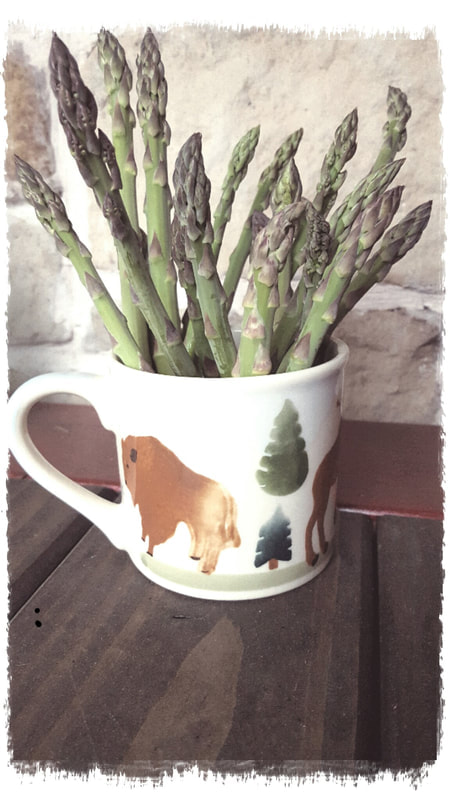
First fruits (okay, vegetables) of gardening this year!

I’m not sure why so many people think asparagus is hard to grow. It isn’t. Maybe it’s because it can be so dang expensive in the grocery store that people just assume it must be hard. Or maybe it’s the patience factor….. because planting it means you MUST wait for several years (at least 3) before getting good bounty if you want a sustainable crop.

Oh, you can plant it, and get a few stalks the first year you plant it…. but if you harvest all that grows, you deny the root system the energy it needs. That part we snap off and eat? That’s what supplies the roots (technically called rhizomes) with energy. Remember in elementary school all you learned about chlorophyll? The green upper part is what helps turn sunlight into energy for the plant. If you always harvested 100%, eventually the root system would die off and you’d have to start over again. For this reason, we let about 50% of our crop reach full maturity so that we feed the root system in anticipation of next year’s harvest.

In some areas of our garden it actually has the weed quality about it…. (ie: a plant growing in an undesirable location) now. And in some parts of the country, it actually grows wild in bar ditches. It is a great foraging food if it’s in your area (provided foraging doesn’t include raiding your neighbor’s garden at midnight ;)!

Asparagus is interesting and rather amazing. It literally grows inches every day during growing season. To make sure you are able to get to it before it gets woody, you really have to check your plants twice a day, or you might as well let them leaf out because it may be stringy and tougher than you like.

Asparagus is loaded with health benefits…

  • it’s a natural diuretic
  • it’s loaded with antioxidants (antioxidants are what combat free radicals… free radicals are largely what cause dysfunction and disease within our bodies)
  • it’s loaded with Vitamin E, B6, K, and Folic Acid (4 stalks of asparagus/day will provide 22% of your daily requirement!)
  • due to specific minerals and amino acids there is merit to adding it to your breakfast meal if you had too much to drink the night before. (who knew??)
  • it combats bloating thanks to its work as a prebiotic (prebiotics feed probiotics… the good gut bacteria)
  • as an aphrodisiac (there is science behind this folks!)
  • Because of its vitamin and tryptophan content, adding asparagus to the diet regularly may help with depression or simply to improve mood. (I’m telling you, true food is a healing agent!)

Store bought asparagus is no substitute for fresh picked in terms of flavor. Fresh picked is sweeter and more tender. Many stalks never make it beyond the garden as I eat it straight-away… picked as a snack!  People who say they don’t like asparagus (kids in particular) typically find that they like the fresh stuff. I find this to be true with most foods when comparing farm fresh vs most store options. So, go find your local farmer’s market and hunt down some of this fresh goodness while the season is upon us.

Fresh asparagus…. it’s what’s for dinner! (and for breakfast…. omelette’s anyone?)

Have a blessed day,
Liz

  • « Go to Previous Page
  • Page 1
  • Interim pages omitted …
  • Page 5
  • Page 6
  • Page 7
  • Page 8
  • Page 9
  • Go to Next Page »

Book Your Health Coaching CallBook Now

Elizabeth James

469.425.9091

ebj0203@gmail.com