• Skip to primary navigation
  • Skip to main content
Book Your Health Coaching Call
Good Medicine

Good Medicine

Holistic Health Coaching

  • Home
  • Liz James
    • About Liz
    • Coaching
    • Book a 20 Minute Complimentary Coaching Call
  • Favorite Resources
    • BlessedByHisBlood
    • Young Living
    • Fast Like A Girl Certified Coach
    • Order supplements through my Fullscript store
    • Green Pasture (Coupon: Health10)
    • RogersHood Apothecary (Coupon: BEABLESSING for 10% off)
    • DolphinMPS
    • Company
    • Abundance
  • My Books
    • Becoming Your Own Health Detective Volume 1
    • Becoming Your Own Health Detective Volume 2
  • Blog
  • Cart

Cholesterol

Clues From Our Thyroid – part 1

Liz James · March 22, 2022 ·

Thyroid disorders are like🦎 chameleonic villians. They look different in every person, and their characteristics may change according to their environment. Thyroid disease is a master of disguise! This is important to understand
 

 Two key reasons:

  1. Innocent until proven guilty. It’s estimated that perhaps 18-25% of women have an underlying thyroid disorder (It’s somewhat less common in men). This still means that 75-82% of us (women, for statistical ease) do not. Become well acquainted with your body so that you may better decipher the clues you are being given, and remember that there are many possible causes for almost every clue the body gives. Cluster clues for the win!
  2. Thyroid disease is overwhelmingly mistaken and/or overlooked in favor of other disorders (often mental health related) by the corporate owned medical community. Thyroid diagnosis often requires intuition (Holy Spirit discernment), patience, persistence, and attention to details. If you feel “off”, and yet your doctor tell you “everything looks good”…. Who do you believe? I hope you pointed a finger back at yourself just now. You believe what you know about your body and your refined detective skills!

Function of the Thyroid

While every little organ and gland of the endocrine system is important for stellar body function, very often the trail of tears leads back to the thyroid, the butterfly 🦋shaped gland located just below the Adam’s apple along the front of the windpipe. The thyroid’s function is to regulate all the processes of energy release on microscopic (cellular) and macroscopic (full body) levels. Because hypothyroidism (especially Hashimoto’s) is the predominant thyroid disorder, most of what I write about will be centered upon thyroid deficiency. Grab a mirror (you’ll need it for a few of them!) and your journal and take stock of your own possible crime scene.
 

Symptoms of thyroid deficiency might include:

  • Chronic fatigue or tiredness.
  • Muscular fatigue
  • Puffiness or evidence of fluid retention
  • Difficulty regulating body temperature (chronic feelings of being hot or cold. Recall the posts on body temperature)
  • Development of Reynaud’s Syndrome
  • Reduced pulse pressure and blood pressure
  • Heart rate fluctuations
  • Angina and/or feelings of breathlessness
  • Higher cholesterol. People with subclinical hypothyroidism often have higher levels of LDL cholesterol. Thyroid disease is a major contributor to cholesterol problems.
  • Arteriosclerosis (decreased elasticity of arteries)
  • Changes in bruising or clotting (generally, bruising will become more common)
  • Depression and/or anxiousness
  • Difficulty gathering thoughts, memory, focus and concentration
  • Headaches with unknown origin
  • Moodiness or lack of enthusiasm in life
  • Peripheral neuropathy
  • Carpal tunnel (there is a strong link!)
  • Random shooting pains in the hands and feet
  • Osteoporosis (chronic hypothyroidism can be a contributor)
  • Visual problems: dry eyes, age related macular degeneration, primary open angle glaucoma
  • Loss of the outer eyebrows
  • Chronic constipation
  • Increased incidence of gallstones (thyroid hormones affects the composition of bile and how well it flows)
  • Poor digestion of fats and proteins
  • Decreased stomach acid resulting in poorly digested foods (If this clue is on your radar, grab your YL Essentialzyme and give your body digestive support!)
  • Bloating, gassy
  • Small Intestinal Bacterial Overgrowth (SIBO)
  • Insulin resistance (and therefore) increased risk of developing Type II Diabetes
  • Thicker tongue, perhaps even with scalloped teeth marks on the sides of the tongue.
  • Changes in how food tastes.
  • Periodontal disease
  • Development of a husky or hoarse voice
  • Infertility or difficulty maintaining a pregnancy
  • Heavy periods (There is often a link between hypothyroidism and PCOS)
  • Sex hormone imbalances (progesterone, estrogen and testosterone in women)
  • Loss of libido
  • Postpartum depression (very common)
  • Premature menopause
  • Dry skin
  • Deep cracks and scales on the bottoms of the feet
  • Deep lines on the palms of hands or soles of feet
  • Yellowish orange or reddish color on palms of hands or soles of feet
  • Reddish spots, bumps, or rashes that come and go
  • Acne (often seen in conjunction with testosterone level disturbances)
  • Brittle, flaking nails or nails that fail to grow well
  • Hair loss (on the head) or gaining hair in all the wrong places elsewhere
  • Getting sick more often, especially upper respiratory tract infections and in women, persistent urinary tract infections.
  • Bedwetting in kiddos
  • Delayed wound healing
  • Gaining or losing weight without trying
  • Poor sleep
  • Iron deficiency anemia (roughly 50% of people with thyroid disease struggle with this)
That’s the bulk of this particular crime scene checklist. Thyroid disease is very interesting in that the severity of symptoms often are not reflected in thyroid specific lab work. Lab Work is based on a standardized bell curve and not everyone fits exactly into that bell curve mold. Additionally, many western medicine health professionals only test TSH when first evaluating the competency of the thyroid gland. That alone is insufficient information to determine thyroid function. This list of possible symptoms, while not completely comprehensive, is more valuable in determining the probable health of your thyroid than a single TSH test.
More to come friends.
 
xoxo~ liz
#sharingiscaring
#lovingyourthyroidisgoodmedicine
#itsthelittlethings
#becomingyourownhealthdetective
#goodmedicine

Guilty or Innocent? Weighing in on Cholesterol

Liz James · March 4, 2019 ·

Cholesterol has been heavy on my heart for the last month… haha! No pun intended there… my cholesterol is actually fine….. but I tend to root for the the misunderstood and the underdog when given a choice. (That’s probably why our farm tends to be a haven for rescue dogs and cats…. but I digress!) 
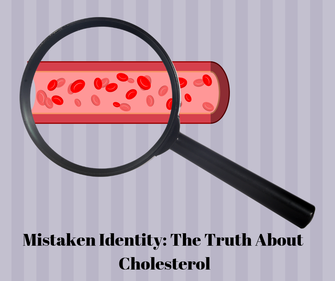
Did you know that approximately 80% of people with acute cornary syndrome….(ie: reduced blood flow to the heart… often leading to heart attack) have NORMAL cholesterol values? What’s up with that? 

Cholesterol is one of those underdogs. Bless its sticky little heart….. it’s given a bad rap more so than nearly any other body produced compound. What would we do without cholesterol?  That’s a good question…. I’m not entirely sure any of us would be around to discuss it if we lacked it in our bodies! It is a major component of cell membranes and is a necessary building block for hormones, fat soluble vitamin D, and bile salts (aiding in the digestion of fats and fat soluble nutrients). Cholesterol is also extremely important to the function of our nervous system. Without it, we’d be bumbling malfunctioning idiots….especially considering that our brains are roughly comprised of 50% cholesterol. So why all the hate?

Our bodies are efficient producers of cholesterol…. producing about 80% of what is in our bodies (the other 20% comes from dietary sources). Cholesterol should not be confused with Triglycerides (perhaps the real bad boys), or the obscure thug that likes to hang on to its buddy LDL….. lipoprotein(a).

Unpacking Cholesterol: The cholesterol in our vascular system is a mixed bag of good and bad. HDL (the good guys) has the job of bouncer…. and it escorts out the shadier gang members, LDL, from our bloodstream. LDL comes in a variety of sizes…. and the smaller sizes (subunits 3 & 4) are really bad news. The bigger ones (subunits 1 &2) are fluffier and are actually pretty helpful. Because they (subunits 3&4) are small, they can easily work their way into the lining of our arteries where the bouncer (HDL) can’t reach them. In a whopping 20% of the population (1 in 5) there is something called Lipoprotein(a) that makes LDL ‘extra sticky’….. if you carry this genetic characteristic, it is best to know about it early on in life, as it dramatically increases your risk for clogged arteries and  blood clots leading to strokes and heart attacks. It is a serious health risk, and frankly…. should be tested for at least once in everyone’s life.
While managing total cholesterol with careful eating habits (avoid processed and ‘fast’ foods) is important, …. the real culprits we should be monitoring are inflammation, triglycerides, and lipoprotein(a).


Triglycerides are produced predominately by the liver. When we eat, the body stores any excess calories as triglycerides in our fat cells. It is particularly fond of doing this with carbs. Later…. between meals…. hormones will signal a need for more energy, and those triglycerides will be released. Herein lies the rub tho….. if you eat more than you exert energy, triglycerides begin building up and you end up with hypertriglyceridemia (HTG), and THAT my friends, is cause for alarm. Even if someone has verified genetic HTG, management can be achieved with responsible ownership of the vessel you reside in:

  • Daily physical activity
  • Conscious consuming of healthy fats… avoiding processed foods and other sources of “bad fats”
  • no smoking
  • Optimizing body weight
  • Limit processed sugar intake to no more than the equivalent of 6 teaspoons of sugar per day. (The average North American consumes about 200gms or 48 teaspoons of processed sugar in their diet daily)
  • Work towards optimal triglyceride lab values of <100 and a triglyceride to HDL ratio of 1:1 to 2:1. 

Lipoprotein(a) is no joke. 73 million people in the USA are estimated to be living with this ‘sticky’ situation. It is extremely dangerous because the molecule itself is so small, sticky, and it difficult to manage. What makes it even more dangerous is this: most insurance companies refuse to pay for the test that determines if you have it….. and many doctors don’t even mention the test to patients because insurance doesn’t pay. I have not been able to wrap my brain around the logic of NOT paying for a potentially life saving test…. but there you have it. It’s just one more reason to take charge of your own health and ask for the test and pay for it out of pocket, ESPECIALLY if you have family history of heart disease. Nothing….. no vacation, no daily coffee, no new phone…. should be more valuable to you than knowing this information about yourself. Once you know, you have the power to act…. and that can change the trajectory of your life. If you do carry this genetic trait, you will want to have your children tested. They need to learn healthy habits early in life. It’s never too young to become a CEO of oneself!

IF you have inherited lipoprotein(a), you’ll want to pay very close attention to what you CAN do, because it’s time to take your health seriously. Some people do not get a warning, and find themselves diagnosed at the same time their mortality is realized. Lp(a) requires close attention and monitoring. Tools to help in management include: 

  • Daily baby aspirin
  • High quality Omega3 fish oil…. lots of it… has been found to lower Lp(a)LDL by approximately 10%. (Poor quality Omega 3’s become oxidized and can actually do more damage than taking nothing at all. Know your supplement company…not just their name, but how they do business. This is especially important with Omega 3’s.) Omegagize3 from Young Living!
  • High doses of Niacin (1-3 gms/day) … the flushing kind (ex: Slo-Niacin)… have been found to lower Lp(a)LDL by up to 30%
  • Maintain a fasting blood glucose of <100
  • Vitamin C @ 3000mg/day
  • L-lysine, L-proline & L-carnitine in high doses (L-carnitine helps make lp(a) less sticky)
  • Test for and maintain hs-CRP (high sensitivity c reactive protein) at <1. This measures inflammation in the body and high levels are a risk factor for heart attack.
  • Control blood pressure ideally at 120/70.
  • Consistent exercise
  • Abstain from smoking
  • Get (regularly) an Advanced Lipid Panel every 6 months w/ the following goals:
  1. LDL< 60
  2. Triglycerides < 60
  3. LDL particle # < 700

I realize this has been kind of a heavy post. I’m sorry about that. It’s a heavy topic tho. Most people (even healthcare professionals) don’t have a clear understanding of exactly what causes the real problems in our vascular system. Hopefully, you can see that cholesterol itself is not the real monster….. it’s actually pretty awesome stuff. Too much of a good thing is bad tho…. no matter what it is. Although I only barely touched on inflammation in this post, it’s HUGELY important to this topic too. Sticky Lp(a)LDL is especially fond of a chronically inflamed vascular system.

It is my hope and blessing that this helps someone better manage their own health, and to prompt personal responsibility one’s own health. I am not a doctor. Information here is for recommendation purposes only, and not intended to substitute for specific medical advice. Please do use this information as a starting point for your own research, and use as discussion points with your personal healthcare provider.

Love and hugs,  Liz

​

​

Goin’ Down the Gopher Hole

Liz James · February 26, 2019 ·

Have you ever begun researching or looking for information on something, and it leads to more research ad infinitum? Well, that has happened to me over the course of the last six weeks. It’s all good stuff and I’m super excited to begin sharing it with you all, but first I have to get it unpacked properly from my brain.  I love learning and uncovering new information…. it makes my heart go pitter patter, even if it does at some point begin to give me blurry vision and in need of a map as I return from the warren of learning I’m being steeped in. 

The gopher hole (yes, I know the cuties above are actually prairie dogs!) I went down began with a simple question that had been ping ponging about in my brain for several months. I am a holistically minded pharmacist as you may well know, and I LOVE to help people realize feasible ways prevent dis-ease, restore function, and become optimally healthy. In a word: Not just surviving, but thriving! 

There ARE times when medication is necessary and Western medicine needs to work its magic thru intervention, but really….. this needs to be reserved for emergent care, when holistic measures have failed, or when genetics simply deal us a challenging hand.

Unfortunately, we have become an immediate gratification society, and the ‘grab and go’ healthcare system has capitalized on that. It’s much easier to take a pill for a symptom than it is to identify the root cause and work towards fixing what’s actually ‘broken’…..but taking a pill (or having an elective surgery) will ALWAYS have a consequence, and frequently, it may have more than one consequence. Often, the consequence will simply replace the original symptom (dysfunction), but occasionally, it can open a can of worms that was bigger than the first problem. I’ve seen this scenario happen too many times to count in my career.

“We” (ie: our current worldview) tend to discount risk versus immediate benefit in lieu of the desire for an immediate ‘fix’. When the immediate need is resolved, the focus of our attention is removed from the problem (or dysfunction)…. we’ve moved on to the next thing. Meanwhile, the risk may have slowly and quietly slipped thru the cracked door, and we fail to notice the correlation….. benign neglect, innocent ignorance of our own bodies, willingly handing over the ‘care and feeding of us’ to a Third Party who has little or no vested interest in our optimal health….. regardless of the reason(s)….. secondary dysfunction has crept in on padded feet. 

Here is but one example:
Statins are one of the most commonly prescribed medications in the United States for high cholesterol. Nearly 30% of adults over 40 are on them. Impressive stat for Big Pharma, right? 

But let’s go over another set of stats on the statins. Statins work by blocking a VIP enzyme called HMG-CoA. When this enzyme is blocked…. it blocks the production of cholesterol, but it also blocks the production of a nutrient called CoQ10. (Blocking the production of cholesterol is a post unto itself, that I will tackle next week and unpack for you…. cholesterol has been demonized when in actuality, it is an absolutely vital component to our well being)CoQ10 is critically important, and it can be supplemented to offset potential problems. Unfortunately, in my experience, most doctors never tell their patients this when they hand them a statin prescription. The doctor ‘might’ tell them to let them know if they have unusual soreness or cramping in their legs (a warning sign of something called rhabdomyolysis). This is a common ‘side effect’ of statin use…. but the reality is that it’s a sign of a secondary deficiency that crept thru the door that statin use opened. Other signs of CoQ10 deficiency include:

  • cardiac arrhythmia or palpitations, which could land you on medication. (Low CoQ10 is found in nearly all patients with heart failure. Read into that what you will…..) 
  • depression or memory loss (meds for this too)
  • fatigue (you may live with this, or begin self medicating with caffeine or other stimulants)
  • Impotence or decreased libido (ugh!)
  • High blood sugar (setting you up for diabetes OR making your current diabetic state harder to manage or regulate….. don’t even get me started!)​In 2014, the American Diabetes Association actually made the recommendation that all adults over the age of 40 take statins. (I’ll speak more to this when I write that cholesterol post)

Does this worry you? It should. And this is but one class of medications that causes a deficiency of CoQ10. 

Now, I’m not a doctor, and please….. do not take my words (or anyone’s words) as gospel.  I am all about self study and whole truth… which is not always easy to come by in the healthcare industry. (Remember, there are billions of dollars at stake here.) I encourage all of you to become the best advocate of you that you can be. Nobody knows you better than you, right? Self study can be a little confusing if you aren’t used to it. Talk to your healthcare provider. Don’t be afraid to ask the hard questions….. and above all, be armed with knowledge that you yourself have found. Do not be afraid to shake the dust off your shoes and move on if your doctor doesn’t take full consideration of your concerns.

If this post has rattled your cage a little, so be it. That is my job as a pharmacist…. to point out some things that are important for a body to stay healthy, and it’s your choice whether to keep your head in the sand or be on the lookout for danger. We (pharmacists) are trained to counsel on side effects, but we need to be taking it a step further …..counseling on the causes of those side effects as well as potential ways to mitigate them, and to teach our tribe how to not just avoid deficiency, but to have optimal health in the process. ​

This is but one of the reasons I believe proper supplementation is so absolutely critical to living well, but especially if you are one of the millions who are on (and may need to remain on) a medication. Because statin use is also now being linked to probable Vitamin D deficiency, I recommend both MindWise and OmegaGize3 as being stellar products in the supplement industry… for everyone. Don’t wait for a deficiency to actually happen. It’s much harder to fix than it is to prevent, right? 

If these products are new to you, I encourage you to learn more about Young Living and why I’ve chosen them as my supplement company of choice. You can learn more about the company and how to receive discounted pricing by returning to my home page, or if you’d like to chat, please reach out to me. That’s why I’m here.

Be well, and have a glorious day! 
Hugs and Love, Liz
​

White Gold

Liz James · July 26, 2017 ·

More than 15 years ago, we made the decision to begin drinking raw milk. You can learn more about that journey in the category “My Story”. It was not a decision we took lightly, and I literally did over 100 hours of research before embarking on this new path.

I know. I can see the smile on some of your faces, and I can see the nose wrinkling in disgust on others. Raw milk seems to divide foodies, nutritionists, medical professionals the way God divided the Red Sea for Moses.

I never gave milk much thought thru my early 30’s. It came from the grocery store, and we consumed it like many people do. I knew people with ‘lactose intolerance’ and felt remotely sorry for them… not because they couldn’t enjoy milk, but because they also didn’t get to enjoy ice cream, yogurt, and cheese. Yes, I’ve been a dairy lover my whole life. It’s likely the reason my cholesterol started rising in my early 30’s.

Cholesterol and Osteopenia were the driving force behind our introduction to raw milk. It was suggested to me after my diagnosis of both. Being the bookworm researcher that I am, I promptly went out and bought a few books:

The Untold Story of Milk by Ron Schmid, ND (Foreward by Sally Fallon of Weston A Price fame)

The Milk Book by Dr. William Campbell Douglass  (an easier read, not quite as detailed)

I have to say that The Untold Story of Milk was likely the catalyst that changed the course of my life. It completely revealed true nutrition and wellness in ways I never found in college.

I want to leave you with a few thoughts:
​

  • Be open to learning about the other side of this topic. The dairy industry is just that… an industry. They will do whatever they need to do to sell their commodity. Theirs is the reason milk is both pasteurized and homogenized. Factual information about Raw Milk shakes things up in the ADA (American Dairy Assoc) world.
  • True lactose intolerance is more uncommon than you would think. Milk from the grocery store is not the original milk. It has been manipulated and manufactured. Real milk is a light yellow color (see pics above). It is not blue-white or grey-white as you find it in cartons. There is a reason for that: additives. In my experience on our farm, I have had ZERO lactose intolerance at our kitchen counter when serving a class of milk to someone who has been told they are lactose intolerant. If you think you are… or have been told you are…. I’d encourage you to give raw milk a try (organic and raw are not synonymous). We do not sell our milk… it is for personal use, but I can direct you to sources who do sell to the public.
  • Healing can occur with healthy foods. This happened to me, and it’s happened to other people I know. My cholesterol levels are awesome, and so are my husband’s. The same can be said for my bone density.
  • I hear people say that milk was not designed to be consumed by adults. Only babies…. and the humans are the only species who do this. Humans are also the only animals with opposable thumbs (barring other primates), and I’d like to think that space and ocean exploration among other things are human unique events too. Maybe we’ve been drinking it all these eons because some wise guy in biblical times figured out that the land of Milk and Honey actually meant nutrition the way God intended! It may also be because I think it would be darn near impossible to hand milk without thumbs 

​To each his own, but I’d encourage you all to have an open mind. Do a little research… and give raw milk a try. It has the flavor of mildly sweet melted vanilla ice cream.

3 generations
Morning Milking. Notice the froth!
Milk is slightly yellow… not white.
I know, it looks like whipped cream… truly this is how it comes out….. milk with a foamy top. Farmgirl style!

The (Health) Road Paved With Good Intentions

Liz James · January 15, 2017 ·

Hey there!

If you want to ask something nearly impossible of an introvert, ask them to write a blog about themselves. Sheesh! This is going to be a rough one for me to write.

Yes, I’m an introvert and don’t normally air my health laundry…… but my passion to promote great health is bigger than my privacy issues…. and YOUR health is just as important as mine…. so I’m here to spill the beans on how I came to be “a healthy me” at the age of 50. Perhaps you can glean some inspiration, knowledge, and hope from MY story….and then maybe you too can turn your health around. I going to dissect my life into two halves, and will post the first half today… the second will come by the end of the week.

Life is full of lessons. I have been fortunate in that my profession of choice (pharmacy) has given me the gift of continuous learning. I LOVE learning, researching, digging up and exhuming hidden facts. It took me many years to piece together my health story, but once I did, everything made perfect sense. If I had not made some conscious choices to change my life habits in my early 30’s, I likely would be one of the statistics (one of the “one in two” people in the USA with an active chronic health condition).

I was not a chronically hospitalized kid growing up, but I had my share of chronic issues. I was the kid in the family that the pediatrician saw frequently for fairly severe allergies, bad asthma, and for some odd reason, strep throat regularly. I had a steady diet of (prescription strength) Dimetapp, steroids,  and antibiotics in the early ’70’s. When I hit puberty, my cycles… tho regular… were excruciating. It took a few years, but I was finally diagnosed with endometriosis. This was in the early ’80’s, and not many doctors were well studied on this female disorder. I will abbreviate the story here…. 2 surgeries later, and after being told to ‘have children quickly or good luck with that‘….. we found a way to manage the ongoing problem with a prescription. Meanwhile, I still had allergies to many things. Sadly, the things I loved the most were the things I was most allergic to!….. animals and the great outdoors (pollen, grasses, trees, etc)! My allergies were severe enough that they prevented me from entering Vet School (my life long dream). I was crushed, and after some deep thought, switched directions to pursue a pharmacy degree. Many years of college (and working while in college), poor diet, too much coffee and Diet Coke and not enough sleep eventually gave me some fairly significant stomach issues. I graduated in ’91 with my degree and a diagnosis of (ICD-10 code K59.9) ‘functional intestinal disorder, unspecified’ as an added bonus.

Fast forward…. Charlie and I got married in ’92…….. and in 2001, after 4 doctors and many months of seeking answers for my new issue (the incessant need to pee both night and day) … I got diagnosed with interstitial cystitis (a bladder condition that has no cure). Thru trial and error over the next several years ( that’s another post/another day) we found a definitive pattern regarding food triggers. Using diet modifications, I was able to ‘somewhat‘ manage my IC without the VERY EXPENSIVE drugs or the daily self- catheterizations that are common among people with this condition. Thank God! Let me tell you…. there is no incentive like the prospect of daily self-cathing to change your diet!

About the same time my IC was diagnosed, I had a fairly minor fall (tripping over a wheelbarrow) and broke my wrist. I was 33. My orthopedist suggested a bone density scan, and I was subsequently diagnosed with osteopenia. He told me to take more calcium and warned me that I would probably need to be on a medication to prevent further bone loss before I turned 40. It was the same year that Charlie and I both were told that we both had high cholesterol (over 200), and that if we didn’t attempt to lower our cholesterol levels soon we would both need to be on a cholesterol med.

So you see….. I was right on track with the “not so American Dream”…. to be good and unhealthy by the ripe old age of 40. I was set to join the ranks of the 50% who drew the genetic short straw and got to be on the losing team of the “one in two” who have a chronic health condition. Yay me! Not.

And this is where the baby steps of change truly began occurring. 

Fast forward to 2017….so how did a sickly, allergic, asthmatic …..who became a young adult with endometriosis and a messed up gut…. who then became an adult with interstitial cystitis, osteopenia, and hypercholesterolemia on top of all the previous ailments (at 33) become a healthy 50 year old? That, my friends, is what comes next….. how I slowly worked my way backwards out of this health hot mess train wreck I was going to be the older I got.

Stay tuned…. You truly ARE what you eat….. and drink…. and expose your body to (or deprive your body of)! In the meantime, if you’d like to learn more about some of my lifestyle choices my family and I have made, join me here!

Hugs and Love,
​Liz

  • « Go to Previous Page
  • Page 1
  • Page 2
  • Page 3
  • Go to Next Page »

Book Your Health Coaching CallBook Now

Elizabeth James

469.425.9091

ebj0203@gmail.com