• Skip to primary navigation
  • Skip to main content
Book Your Health Coaching Call
Good Medicine

Good Medicine

Holistic Health Coaching

  • Home
  • Liz James
    • About Liz
    • Coaching
    • Book a 20 Minute Complimentary Coaching Call
  • Favorite Resources
    • BlessedByHisBlood
    • Young Living
    • Fast Like A Girl Certified Coach
    • Order supplements through my Fullscript store
    • Green Pasture (Coupon: Health10)
    • RogersHood Apothecary (Coupon: BEABLESSING for 10% off)
    • DolphinMPS
    • Company
    • Abundance
  • My Books
    • Becoming Your Own Health Detective Volume 1
    • Becoming Your Own Health Detective Volume 2
  • Blog
  • Cart

Weight

Guilty or Innocent? Weighing in on Cholesterol

Liz James · March 4, 2019 ·

Cholesterol has been heavy on my heart for the last month… haha! No pun intended there… my cholesterol is actually fine….. but I tend to root for the the misunderstood and the underdog when given a choice. (That’s probably why our farm tends to be a haven for rescue dogs and cats…. but I digress!) 
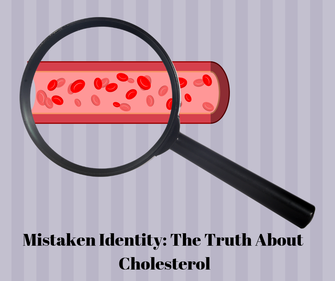
Did you know that approximately 80% of people with acute cornary syndrome….(ie: reduced blood flow to the heart… often leading to heart attack) have NORMAL cholesterol values? What’s up with that? 

Cholesterol is one of those underdogs. Bless its sticky little heart….. it’s given a bad rap more so than nearly any other body produced compound. What would we do without cholesterol?  That’s a good question…. I’m not entirely sure any of us would be around to discuss it if we lacked it in our bodies! It is a major component of cell membranes and is a necessary building block for hormones, fat soluble vitamin D, and bile salts (aiding in the digestion of fats and fat soluble nutrients). Cholesterol is also extremely important to the function of our nervous system. Without it, we’d be bumbling malfunctioning idiots….especially considering that our brains are roughly comprised of 50% cholesterol. So why all the hate?

Our bodies are efficient producers of cholesterol…. producing about 80% of what is in our bodies (the other 20% comes from dietary sources). Cholesterol should not be confused with Triglycerides (perhaps the real bad boys), or the obscure thug that likes to hang on to its buddy LDL….. lipoprotein(a).

Unpacking Cholesterol: The cholesterol in our vascular system is a mixed bag of good and bad. HDL (the good guys) has the job of bouncer…. and it escorts out the shadier gang members, LDL, from our bloodstream. LDL comes in a variety of sizes…. and the smaller sizes (subunits 3 & 4) are really bad news. The bigger ones (subunits 1 &2) are fluffier and are actually pretty helpful. Because they (subunits 3&4) are small, they can easily work their way into the lining of our arteries where the bouncer (HDL) can’t reach them. In a whopping 20% of the population (1 in 5) there is something called Lipoprotein(a) that makes LDL ‘extra sticky’….. if you carry this genetic characteristic, it is best to know about it early on in life, as it dramatically increases your risk for clogged arteries and  blood clots leading to strokes and heart attacks. It is a serious health risk, and frankly…. should be tested for at least once in everyone’s life.
While managing total cholesterol with careful eating habits (avoid processed and ‘fast’ foods) is important, …. the real culprits we should be monitoring are inflammation, triglycerides, and lipoprotein(a).


Triglycerides are produced predominately by the liver. When we eat, the body stores any excess calories as triglycerides in our fat cells. It is particularly fond of doing this with carbs. Later…. between meals…. hormones will signal a need for more energy, and those triglycerides will be released. Herein lies the rub tho….. if you eat more than you exert energy, triglycerides begin building up and you end up with hypertriglyceridemia (HTG), and THAT my friends, is cause for alarm. Even if someone has verified genetic HTG, management can be achieved with responsible ownership of the vessel you reside in:

  • Daily physical activity
  • Conscious consuming of healthy fats… avoiding processed foods and other sources of “bad fats”
  • no smoking
  • Optimizing body weight
  • Limit processed sugar intake to no more than the equivalent of 6 teaspoons of sugar per day. (The average North American consumes about 200gms or 48 teaspoons of processed sugar in their diet daily)
  • Work towards optimal triglyceride lab values of <100 and a triglyceride to HDL ratio of 1:1 to 2:1. 

Lipoprotein(a) is no joke. 73 million people in the USA are estimated to be living with this ‘sticky’ situation. It is extremely dangerous because the molecule itself is so small, sticky, and it difficult to manage. What makes it even more dangerous is this: most insurance companies refuse to pay for the test that determines if you have it….. and many doctors don’t even mention the test to patients because insurance doesn’t pay. I have not been able to wrap my brain around the logic of NOT paying for a potentially life saving test…. but there you have it. It’s just one more reason to take charge of your own health and ask for the test and pay for it out of pocket, ESPECIALLY if you have family history of heart disease. Nothing….. no vacation, no daily coffee, no new phone…. should be more valuable to you than knowing this information about yourself. Once you know, you have the power to act…. and that can change the trajectory of your life. If you do carry this genetic trait, you will want to have your children tested. They need to learn healthy habits early in life. It’s never too young to become a CEO of oneself!

IF you have inherited lipoprotein(a), you’ll want to pay very close attention to what you CAN do, because it’s time to take your health seriously. Some people do not get a warning, and find themselves diagnosed at the same time their mortality is realized. Lp(a) requires close attention and monitoring. Tools to help in management include: 

  • Daily baby aspirin
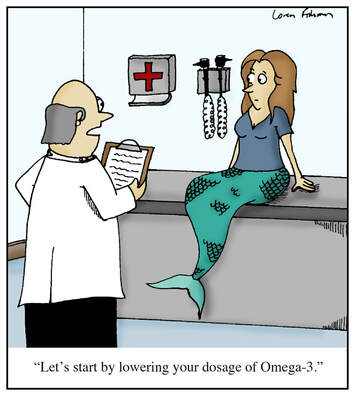
  • High quality Omega3 fish oil…. lots of it… has been found to lower Lp(a)LDL by approximately 10%. (Poor quality Omega 3’s become oxidized and can actually do more damage than taking nothing at all. Know your supplement company…not just their name, but how they do business. This is especially important with Omega 3’s.) Omegagize3 from Young Living!
  • High doses of Niacin (1-3 gms/day) … the flushing kind (ex: Slo-Niacin)… have been found to lower Lp(a)LDL by up to 30%
  • Maintain a fasting blood glucose of <100
  • Vitamin C @ 3000mg/day
  • L-lysine, L-proline & L-carnitine in high doses (L-carnitine helps make lp(a) less sticky)
  • Test for and maintain hs-CRP (high sensitivity c reactive protein) at <1. This measures inflammation in the body and high levels are a risk factor for heart attack.
  • Control blood pressure ideally at 120/70.
  • Consistent exercise
  • Abstain from smoking
  • Get (regularly) an Advanced Lipid Panel every 6 months w/ the following goals:
  1. LDL< 60
  2. Triglycerides < 60
  3. LDL particle # < 700

I realize this has been kind of a heavy post. I’m sorry about that. It’s a heavy topic tho. Most people (even healthcare professionals) don’t have a clear understanding of exactly what causes the real problems in our vascular system. Hopefully, you can see that cholesterol itself is not the real monster….. it’s actually pretty awesome stuff. Too much of a good thing is bad tho…. no matter what it is. Although I only barely touched on inflammation in this post, it’s HUGELY important to this topic too. Sticky Lp(a)LDL is especially fond of a chronically inflamed vascular system.

It is my hope and blessing that this helps someone better manage their own health, and to prompt personal responsibility one’s own health. I am not a doctor. Information here is for recommendation purposes only, and not intended to substitute for specific medical advice. Please do use this information as a starting point for your own research, and use as discussion points with your personal healthcare provider.

Love and hugs,  Liz
​

​

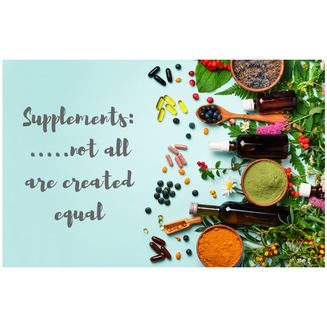
Oasis in the Desert: Choosing a Reputable Supplement Company

Liz James · January 8, 2019 ·

The uniqueness of the world I’ve chosen to live in is not lost on me. On one foot, I’ve got my mud encrusted muck boot as I wade thru one of the wettest fall/winter cow pastures in North Texas history. On the other foot…. my trusty Dansko’s: the only footwear I’ve found that are comfortable for a 10-11 hour shift at the pharmacy. I spend most of my days using my pharmacy knowledge to teach people how to avoid a long term relationship with a pharmacy.  Other days, I put my white coat on and fill prescriptions…. some for those who have no choice, and others….because they continue to make life choices that come with a prescription price tag….. and still others, who simply don’t know any better. #knowbetterdobetter …… that’s why I feel so called to be here.

With the New Year comes a slew of questions regarding supplements at the pharmacy. Resolution toting customers looking for an easy way to lose weight, minimize fresh workout pain, or simply just trying to get healthy in baby steps.

The supplement industry is a tricky business, and deciphering the options can be overwhelming to anyone that hasn’t done a great deal of research…. doctors included. I can’t tell you how many times I’ve had a patient tell me incorrect information given to them by their doctor regarding supplements. The rare doctor has done his/her research it seems (Not much is taught in medical, nursing, or even pharmacy school regarding supplements. It’s up to the practitioner to crack the code and educate themselves), and the patient is pretty much left to their own devices to find the best product for themselves. My team is spending the next few months educating our ‘family’ on types of supplements, and this topic is so very important that I thought I’d include some of that education here.

​​Why do we need supplements anyway? There are several reasons:

  • Farming practices since the 1970’s have stripped our soils of valuable nutrients. The only way we can receive minerals in our diet is thru nutrient dense soil. Plants soak up that nutrition and then pass it along to the herbivore (or omnivore) that eats it. Somewhere up the line, a carnivore may get involved and the nutrients are passed (or not passed) along to them.
  • Genetic modification of our veggies, fruits, and grains have continued the depletion process. Nutrition has been sold out to prettier “eye candy” produce that ships well, stores well, and looks like something out of a glossy magazine. Fresh produce today is an estimated 50-70% less nutritious than its counterparts 50 years ago.
  • Pesticides, herbicides, fungicides, fluoride, and chlorine contamination all have played their part in binding nutrients and making them unavailable for our body’s use.
  • Existing health challenges, a regular diet of fast/processed foods, use of acid blockers/reducers regularly, and/or reoccurring GI issues? If you answered “yes” to any of these, odds are high that you have a crippled system preventing efficient production or use of nutrients. (This means you likely need more supplementation than the average bear.) 
  • And finally…. medications. Who’d have thought this was even a problem? Next to nutrient deplete food itself, it’s one of the biggest problems of all. More than half of Americans take medication regularly, and those that do (on average) take four or more on a daily basis. FACT: Hundreds of medications suppress or rob your body’s ability to produce or utilize vitamins, minerals, enzymes, and co-factors necessary for a healthy life.​​

How DO you find a good supplement company? The answer >>>> very carefully! 

While the FDA does quite a bit of governing in the supplement world when it comes to wording (no diagnosing,treating,curing etc… or you might have some ‘splaining to do to the FDA), the reality is that the supplement industry lacks rigid standards that ensure  product integrity and quality. If you sift thru articles, you’ll find dismal stories of adulterated products (especially in the weight loss, antioxidant, sexual performance and workout booster categories). The problem doesn’t just lie in possible contaminants tho… it also encompasses cheap and/or ineffective ingredients.

What this means is that company integrity should mean absolutely everything to you. Do you really know the company you’ve chosen to buy product from? In most cases, you can tell a lot about a company’s product line based on company standards, policy, history, and mission statement:

  • Are the employees well treated and paid fairly?
  • What was the motivation of the company to build a particular supplement? Usually, the best companies are the ones founded by people who had health problems themselves, and found a solution thru proper nutrition. (A great example of this is Kate Farms for their quality nutrition drink for those with strict dietary and medical needs.)
  • Does the company put the purpose of the product above the profit? ie: This doesn’t mean the product will be inexpensive. On the contrary…. a well made product will usually come with a higher price tag (more on that later).
  • Do you know their value system? Are the ingredients fairly and sustainably sourced?Are the ingredients without compromise? 
  • Does the company leave a positive impact on the communities they work with?
  • Does the company have transparency? Are you able to visit them? Do they have 2nd and 3rd party testing?

​If you cannot easily find answers to these questions, odds are high that you may be duped by your current company. Back away from your supplements, and listen up…….  ​


The Care and Feeding of your Body: Supplements 101
Vitamins, minerals, and other micro-nutrients are absolutely essential for all body processes to function in a healthy manner. Energy must be produced, the immune system supported…..vision, brain function, attention span, digestion, skin, repair and recovery processes, structural integrity and thousands of other little nuanced jobs must happen for optimal health.

Our body is no dummy. It does it’s best to prep for us… stashing extra vitamins and minerals as it is able, in anticipation of a sabotage event. There’s a little bit of ‘prepper’ in all of us! If we’ve not allowed our body the resources to stash those excess nutrients, when the moments of stress, lack, or ‘robbery’ happens….. suddenly, there is no backup plan, and one or more systems begin to give warning signs of impending failure. Long term lack allows for dis-ease and dysfunction to set up housekeeping. This is one of the reasons our country is overflowing with auto-immune disease.

If it’s THIS important to keep adequate supplies of these nutritional building blocks on hand, it makes no sense to rely on less than ideal sources. Supplement companies can be tricky little suckers and it pays to be savvy and knowledgeable so you don’t get duped into thinking you got ‘something’ for next to nothing.

Price: There is no such thing as a high quality inexpensive supplement. Common sense should tell you that between bottling, labeling, shipping, marketing, distribution, and profit, a $10-$15 bottle of vitamins leaves precious little $$ left over to invest in quality ingredients. How much is your life worth after all? If you are willing to spend $5 per day on a cup of designer coffee (which is likely loaded with some of the very things depleting your body), you should have no qualms with spending the same amount (per day) on quality supplements your body desperately needs.

Throw out the ‘all in one pill’ mindset: It just can’t happen. There’s no way to cram everything into one pill and end up with a reasonably sized product that only an elephant could swallow. Size does matter, but it’s even more complicated than that. Not every nutrient is compatible with each other, and some nutrients need to be be brought in to the body multiple times a day because storage is just not possible (ex: digestive enzymes). If you’re really serious about protecting, fortifying, and prepping your body for health, expect to take 3-6+ capsules/supplements per day depending on the health challenges you may have been toting around for awhile.

The Junk: Quality and sourcing….. if you are trying to get healthy, the last think you want is unclean ingredients, and yet that happens all too frequently. If your body is having to filter unclean ingredients from your supplement regimen, you’ve lost sight of one of the main reasons you want to take supplements in the first place!

  • Fish oil coming in from waters contaminated with PCB’s, heavy metals, toxins, and radioactive waste. Rancid fish oil that actually causes what it should be preventing. Other ingredients that are sourced from questionable, impure, or unclean environments……A recent study found over 800 supplements containing prescription medications (unlabeled).
  • Fillers that are also allergens: byproducts of wheat, yeast, soy dairy, gluten, corn, or that are low grade and possibly irritating to GI tissue. Additives that are used to stretch the bottom dollar, but at best, do nothing for your health. SLS (sodium lauryl sulfate)… a chemical sometimes used as a disintegrator in tablets. This is a topical no-no in skincare but imagine the implications when consumed. Studies show it has a “degenerative effect on cell membranes…”. Ummm, no thank you. I’ll keep my cell membranes intact for as long as possible thank you very much. 
  • Cheaper forms of ingredients that are less biologically active (ex: using cyanocobalamin instead of the more bioavailable [and pricier] methylcobalamin.)
  • Artificial colors, flavors , and sweeteners (Ahem, God provides awesome natural flavors and sweeteners! Why not use them?)
  • Coatings- how well does your vitamin or supplement dissolve? Ideally, most need to be in capsule form for ease of dissolution. If you’ve ever seen your vitamins in your poop (a common thing), this should be your aha moment.

Ultimately, the question comes down to this: Do you trust the brand you buy, or are you relying on blind faith? If you are relying on the latter, it might be time for a do over.  Just because the product(s) may be found in well known stores doesn’t mean it’s a reputable brand. The bottom line matters to a store, and buyers aren’t generally schooled in supplements (frequently it’s a 19 year old kid who is doing the ordering!)…. they are schooled to find the largest profit margin for their employer. Just as they are looking out for their employer’s best interest, YOU are the CEO of you, and you need to look out for the best interests of your ‘corporation’ too. 

Be kind to yourself. Research before you buy…. and for goodness sake, find a company worthy of your trust. Your health depends on it! 

Hugs and Love, Liz

#knowbetterdobetter
#thisiswhyIdowhatIdo

​

Sleep Week – day 2

Liz James · July 2, 2017 ·

Good morning friends!! I hope you got a good night of sleep last night! Fireworks were fierce out here in the country til nearly midnight (we’ve got at least 2 more nights of them.. July 4th is around the corner)… and our animals were stressed. Needless to say, OUR sleep was affected!

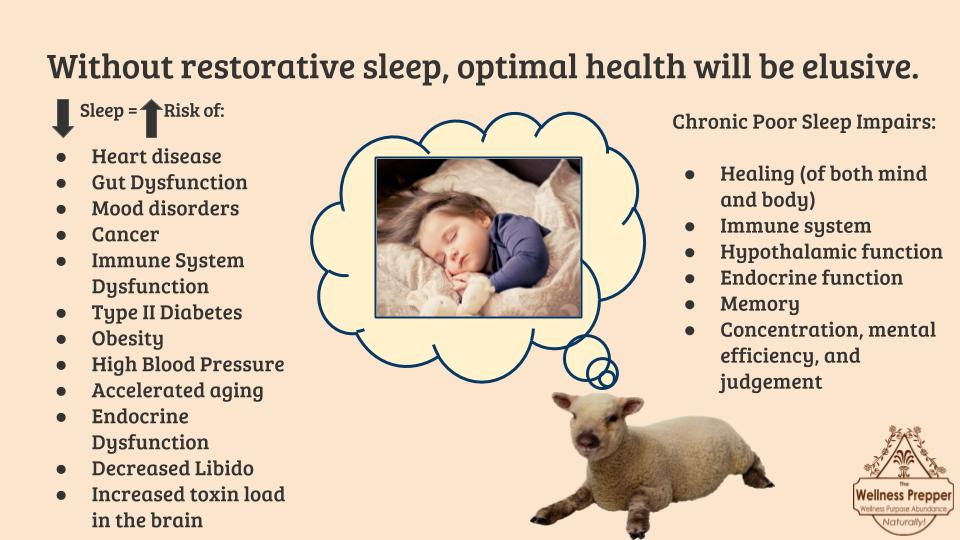
Sleep deprivation causes increased hunger and increased stress hormone levels… never a good thing, but especially if you are trying to manage your weight or lose a few extra pounds. Sleep deprivation can make that goal dang near impossible!

  • Sleep deprivation speeds up the aging process. Telomeres are the caps at the end of chromosomes that protect your cells and genes. When telomeres get short from aging, (or a lifestyle that promotes aging), our cells cannot replenish. Fortunately, there are things you can do to keep these caps long and happy. Getting adequate sleep is one of them! People who get roughly 7 or more hours of sleep a night tend to have longer telomeres, especially among the elderly!
  • Recent studies show poor sleeping habits cause brain damage and even accelerate onset of Alzheimer’s disease. Sleep is necessary for maintaining metabolic homeostasis in your brain. Without sufficient sleep, neuron degeneration sets in and catching up on sleep during weekends will not prevent this damage.
  • Sleep deprivation causes disruption of certain synaptic connections that can impair your brain’s ability for learning, memory formation, and other cognitive functions.​

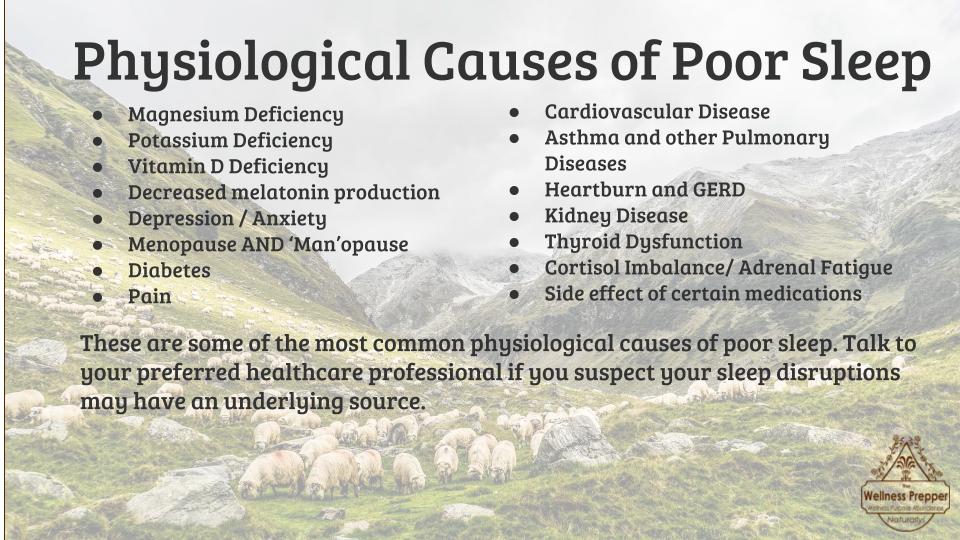
Frequently, poor sleep is simply the result of poor habits (which we’ll talk about later in the week), but just as commonly, it is the result of a physiological dysfunction and/or side effects of the medications that are used to treat a physiological dysfunction.

Y’all have a great day! See you tomorrow…
​Liz

Body Chemistry 101

Liz James · February 2, 2017 ·

Body chemistry 101…. Is your body acidic or slightly basic?… and why does it matter?

pH is measured on a scale from 0 to 14, with “7” being neutral. Our bodies are generally happiest when we are slightly basic… somewhere between 7.35 to 7.45. However, without a proper diet, our bodies frequently hover in the acidic range, and when that happens, body system dysfunction begins occurring…sometimes on a grand scale.

A chronically acidic body will begin stealing minerals from your cells that make up your bones, organs, and tissues in an effort to become more alkaline (basic). Robbing minerals means that they won’t be available for use, and when THAT happens…. toxins build up, oxygenation within our body is negatively affected, pathogens become active, our immune system becomes depressed, and vitamin absorption is compromised…. and THIS is just the short list! Chronic acidity within our bodies has been identified as a contributing factor to a myriad of diseases and dysfunction over time… including chronic inflammatory conditions, diabetes, cancer, and osteoporosis. Kidney stones are also a not so gentle reminder that your body is likely chronically acidic.

So what causes acidosis? In a nutshell… it can happen predominantly thru our lungs (respiratory acidosis) or thru our kidneys (metabolic acidosis) by way of any of the following:

  • chronic airway conditions such as asthma or COPD
  • alcohol overuse
  • obesity
  • sedative overuse
  • antibiotic overuse
  • regular use of artificial sweeteners
  • chronic exposure to toxic household cleaners, BPA , pesticides, herbicides, and many beauty products
  • poor diet ……ie: regularly eating processed and refined foods (if the ingredients sound like chemicals, they probably are!)
  • pollution exposure
  • chronic stress

By far, the biggest contributing factor is our diet. We can encourage our bodies to stay at a more basic pH by eating more fruits and veggies (raw or lightly steamed is best), and  avoiding processed foods, excessive quantities of dairy and standard processed red meat, and most grains (remember, corn is a grain, NOT a vegetable). Drinking alkaline water is also helpful, as is exercise.

You can read more about acidosis  here

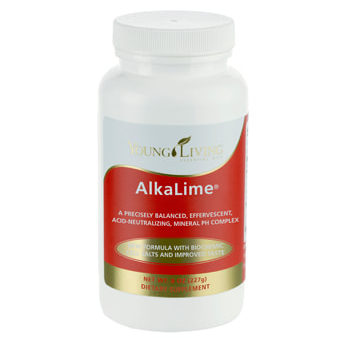
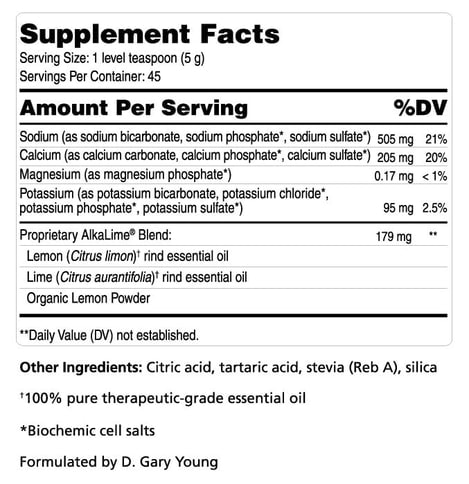
​Alkalime is a supplement made by Young Living, and it is designed to help ensure the body’s proper pH balance…. thus preserving or even restoring our chances at better health. I encourage you to do more research on both acidosis and Alkalime…. it just might be the thing that helps you live above the wellness line!In health,

Liz James, RPh

NSHC Certified Health Coach & Wellness Educator

YL Brand Partner #1602257

“Making Wellness A Contagious Pursuit”

DISCLAIMER: ALL POSTS, ARTICLES, LINKS OR TESTIMONIALS ON THIS SITE ARE FROM OUR “INDEPENDENT YOUNG LIVING WHOLESALE MEMBERS” WHO RECEIVE COMMISSION ON THE SALE OF COMPANY PRODUCTS. THEY ARE INDIVIDUAL EXPERIENCES, REFLECTING THE REAL LIFE EXPERIENCES OF THOSE WHO USED OUR PRODUCTS. HOWEVER INDIVIDUAL RESULTS MAY VARY. WE DO NOT CLAIM, NOR SHOULD THE READER ASSUME, THAT ANY INDIVIDUAL EXPERIENCES RECOUNTED ARE TYPICAL OR REPRESENTATIVE OF WHAT ANY OTHER CONSUMER MIGHT EXPERIENCE. TESTIMONIALS ARE NOT NECESSARILY REPRESENTATIVE OF WHAT ANYONE ELSE USING OUR PRODUCTS MAY EXPERIENCE. YOUNG LIVING IS NOT RESPONSIBLE FOR THE OPINIONS OR COMMENTS POSTED ON THIS WEBSITE, AND DO NOT SHARE THE OPINIONS, VIEWS OR COMMENTARY OF POSTINGS ON THIS WEBSITE. ALL OPINIONS EXPRESSED ARE STRICTLY THE VIEWS OF THE POSTER OR REVIEWER. THESE STATEMENTS HAVE NOT BEEN EVALUATED BY THE FOOD AND DRUG ADMINISTRATION. THIS PRODUCT IS NOT INTENDED TO DIAGNOSE TREAT, CURE OR PREVENT ANY DISEASE.

  • « Go to Previous Page
  • Page 1
  • Page 2
  • Page 3
  • Page 4

Book Your Health Coaching CallBook Now

Elizabeth James

469.425.9091

ebj0203@gmail.com