• Skip to primary navigation
  • Skip to main content
Book Your Health Coaching Call
Good Medicine

Good Medicine

Holistic Health Coaching

  • Home
  • Liz James
    • About Liz
    • Coaching
    • Book a 20 Minute Complimentary Coaching Call
  • Favorite Resources
    • BlessedByHisBlood
    • Young Living
    • Fast Like A Girl Certified Coach
    • Order supplements through my Fullscript store
    • Green Pasture (Coupon: Health10)
    • RogersHood Apothecary (Coupon: BEABLESSING for 10% off)
    • DolphinMPS
    • Company
    • Abundance
  • My Books
    • Becoming Your Own Health Detective Volume 1
    • Becoming Your Own Health Detective Volume 2
  • Blog
  • Cart

Stress

Happy New Year love Young Living Gifts!

Liz James · January 1, 2022 ·

Happy New Year Friends!
Have you begun thinking about what 2022 is going to look like for you and your family this year? Mindset is EVERYTHING as you walk through life. It will even mean the difference between how you view success and failure. My dad (who passed away in 2013) intuitively grasped this concept and lived it. He would willingly talk about his failures in life and in business…… but he could always find the positive personal growth he gained even when he failed at something. When I was a young adult, and and lamenting the struggle of the drama or trauma I was going through at the time, he would say,
“This is life 101 (or 201 or 301…. depending on the severity of the situation). Imagine how much money, time, and energy you would have paid in college to gain the lesson you’ve just learned. You got this education at an accelerated rate. (In some cases, I would feel like I had just got a crash 4yr degree in economics or psychology or human behavior. ) Now, don’t waste what you’ve gone through. Use that education and find all the benefits you just got from this experience.”
This life lesson is among the top 5 pieces of wisdom my dad gifted me. Life 101. We can’t avoid life lessons, so we might as well learn from them!
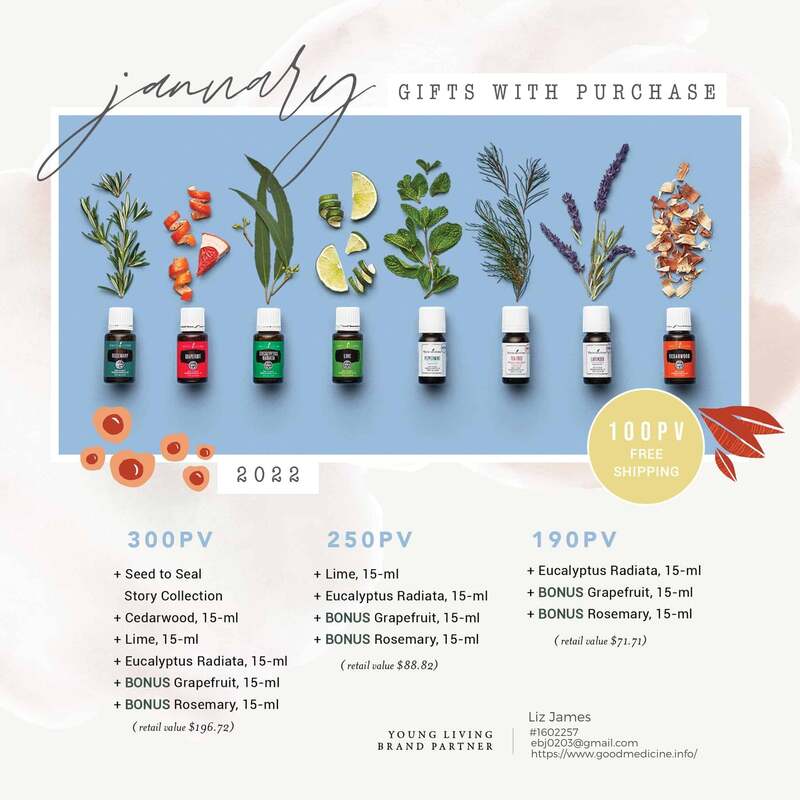
Young Living is giving us tools to help us as we use what we’ve learned in past years to make a difference in our lives this year.
Freebie Tools! Are you going to take advantage of receiving $196.72 in educational tools this month? I am!
🌿When my concentration stinks, I’ll incorporate Cedarwood, Peppermint, and Rosemary into my day.
🌿If I’ve let my immune system get puny and I need respiratory support, I’ll reach for Rosemary, Eucalyptus Radiata, Tea Tree, and Peppermint.
🌿 If I’m feeling sluggish both emotionally and physically, I’ll grab Grapefruit, Lime, and Peppermint.
🌿 Should I need a little help relaxing and unwinding at night, I’ll grab my Lime, Lavender and Cedarwood to create a diffuser blend.
If you’ve been around, you already know that these 8 oils have hundreds of potential uses. ( no exaggeration!)…. every single essential oil we have access to does. Are you spending a little time each month learning how to maximize the benefits of the oils you already have on hand? Letting them sit and gather dust unused would be like buying a computer and then leaving it in the box on your desk.
Is this your year to take back control of your health? If so, reach out to someone who has been walking the Young Living lifestyle ahead of you. Learn as you go. Don’t quit. Learn from your victories and your boo-boo’s ( try a little lavender if that boo-boo is a physical one, tho it often works on emotional boo-boo’s too 😉 )
Maybe your goal this year is to hop back into community? We’re here and we’re always doing something, and we’d love to have you join us!
Perhaps your goal is to have a little extra money💰 … enough to pay for your YL box of health, a car payment, or a special date night occasionally? Talk to someone you know who has chosen to help others help themselves the Young Living way.
2022 is going to be whatever you make of it! Make this YOUR YEAR to shine, grow, and live abundantly!
xoxo~ liz
www.goodmedicine.info (Complimentary 30 minute initial coaching sessions are always available to kickstart your health journey!)
#sharingiscaring
#wellnesspurposeabundance
#ThanksYL
#agoodmindsetisgoodmedicine
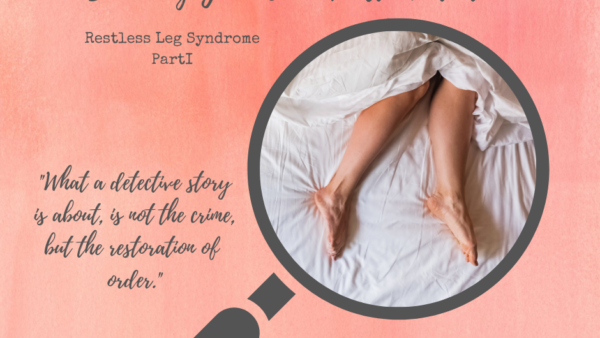
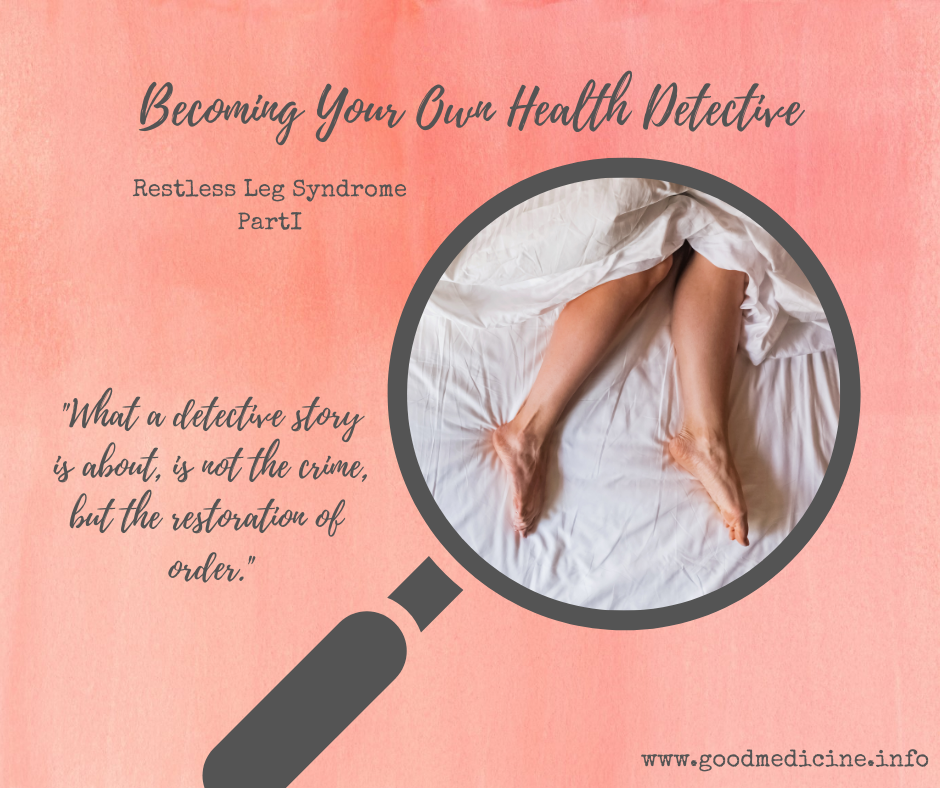
Clues from Restless Leg Syndrome – part 1

Liz James · December 21, 2021 ·

The Trail of Clues in Restless Leg Syndrome: Part I
OK friends, let’s take a quick quiz straight from the pages of the National Institute of Health. These 4 questions are a simple “yes” or “no” answer, and will help identify if this next set of clues resonates with your current situation. 
✅Do you have a strong and often overwhelming need or urge to move your legs? (Often the urge may be accompanied by abnormal, unpleasant or uncomfortable sensations.)
✅Does the urge to move your legs start (or get worse) during rest and inactivity?
✅Does the urge to move your legs worsen in the evenings/at night?
✅Is the urge to move your legs partially or totally relieved by movement (at least temporarily)?
If you have answered yes to these questions, this post series may shed light on both why your legs may be restless and (next week) natural ways to help relieve the situation.  Bear in mind that beyond the questions above, there are several mimickers of restless leg syndrome, so the process of elimination may come in handy!   Poor circulation in the legs, fibromyalgia, neuropathy, and ADD/ADHD are a few disorders known for restless leg mimicry.
Restless leg syndrome (RLS)  is a very common condition affecting about 10% of adults in the USA and even some children. There are several medications commonly used to treat RLS. According to many pharmacy clients I’ve worked with over the years, the medications are often minimally effective, not without unpleasant side effects (GI distress, constipation and/or diarrhea), and do not address root causes.
RLS is not generally a precursor of things to come thankfully….but it is highly annoying and life disruptive nonetheless, especially as it often leads to chronic insomnia.
As any good detective would do, you’ll want to discover the motive (root cause) of your  RLS. Motives vary in each case, right?
*Occasionally, restless legs may be blamed on genetics, but that is the exception rather than the rule. Overwhelmingly, restless leg syndrome is given the dubious distinction of having an idiopathic origin. My personal feeling is that “idiopathic” is an overused medical term used when not enough time has been spent looking at clues to find the root cause! Understandably so….. insurance companies do not usually allow doctors the time or tools (comprehensive lab work) to actually find the source of the problem.
There are MANY factors leading to or exacerbating restless leg syndrome:
*Approximately 15% of RLS cases have an underlying iron deficiency. Iron deficiency may be easily checked with lab work. Checking iron alone is insufficient. Ferritin levels also need to be evaluated.
*Other nutritional deficiencies contributing to RLS include magnesium, calcium, potassium and/or zinc. Again, blood work is key. (If you get magnesium tested, make sure it is magnesium bound to red blood cells “mRBC” for a more accurate reading)
*Hormone imbalance is another common cause. Approximately 20% of pregnant women develop RLS, usually in the third trimester. This symptom tends to dissipate about 4 weeks after delivery of the baby. Women are more likely to have hormonal imbalances than men overall, and women are also more likely to develop RLS than men in life. Hyperthyroidism, another type of hormone imbalance, is an additional contributor.
*Dopamine is a neurotransmitter that plays many roles in the body, most notably in motivation and positive reinforcement of behavior. It also plays a critical role in the control of movement. So, as you might imagine, a dopamine imbalance may also play a key role in RLS. (We’ll cover dopamine deficiency in the near future.)
There also appears to be a relationship between ADD/ ADHD and restless leg syndrome. Additionally, pediatric restless leg disorder is sometimes misdiagnosed as growing pains or ADD.
*Symptoms of restless leg syndrome are common in people who have chronic kidney disease.  When the kidneys are not functioning as they should, anemia, iron deficiency, and high calcium levels in the blood commonly occur. As you’ve just learned, all of those conditions exacerbate RLS.
*Hypertension, diabetes, and increased BMI (body mass index) also contribute to the incidence of restless leg syndrome. (The medications used to manage these conditions are also worthy suspects!) Uncontrolled high blood sugar often leads to peripheral nerve damage; another contributor to restless legs.
*Medication induced restless legs may be among the most common (idiopathic?) causes for developing this disorder. Every medication acts in multiple ways throughout the body. Immediate side effects of medication are fairly easy to spot, but often side effects such as restless legs creep in slowly, making it hard to pinpoint the culprit. Medications known to cause restless legs over time include:
💊Certain antihistamines
💊Psychotropics (ex: haloperidol, aripiprazole, risperidone, quetiapine, mood stabilizers)
💊Antidepressants (SSRI’s,SNRI’s, and tricyclics, ex: fluoxetine, sertraline, venlafaxine, paroxetine, imipramine, amitriptyline)
💊Some nausea medications (metoclopramide and prochlorperazine)
💊Acid reducers
💊Beta Blockers
💊Calcium channel blockers
💊Some sleep medications
I’ve talked to many pharmacy clients over the years who struggle with restless legs, and while it is a relatively benign condition, it is definitely life altering…anything that negatively affects quality sleep is! Westernized health culture is often very quick to prescribe or suggest over the counter medication to quickly solve a problem, overlooking the unintended possible consequences. Often, there is a gentler solution, but it does require ownership and a willingness to take personal responsibility for one’s own health management.  There will always be a time and a place for western medicine, but it behooves us all to leave that as a last resort whenever possible.
I hope this helped someone identify their restless leg trigger(s). Next week I’ll talk about healthy options for living with RLS.
xoxo~ liz
#sharingiscaring
#goodmedicine

Vagal Nerve – part 2

Liz James · December 14, 2021 ·

Raise your hand if you want a resilient nervous system.🙋‍♀️ Uh huh… that’s what I thought. I do too! 😊I want to be healthier overall, quicker to recover from stressful situations, happier, stronger, more empathetic, better able to concentrate, and have thriving relationships…. ALL things associated with healthy vagal tone.

Vagal tone should be nurtured daily if it is to function optimally. You might be surprised at how easy some of these tips are!

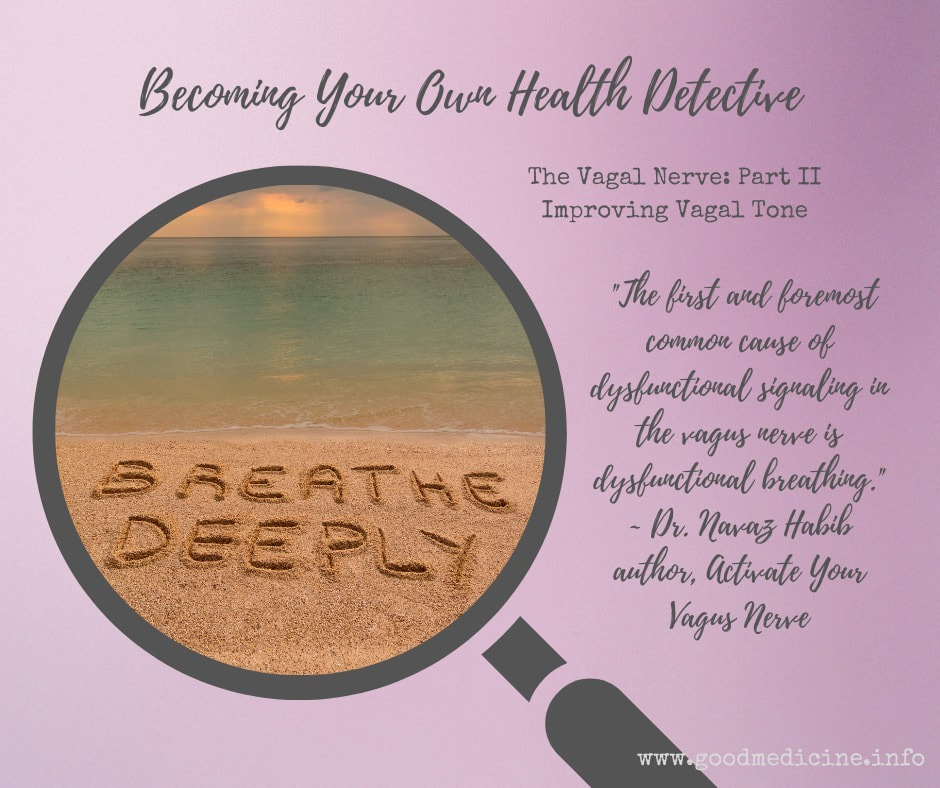
⭐Poor breathing habits. The sedentary nature of our current society has been no friend to the vagus nerve. Poor posture, including the downward tilt of the head as we look at our computer and phone screens restricts the airways from throat to lungs. If you walk into nearly any nursing home you will see posture associated with long term low vagal tone. Dr. Navaz Habib👨‍⚕️, author of Activate Your Vagus Nerve, makes a compelling argument that dysfunctional breathing is the most common cause of poor vagus nerve function. Friends, this is such an easy (and free) fix. Address posture (revisit that post!), and incorporate breathing slowly and “belly button” deeply at least a few times every hour. This is nourishing to the vagus nerve, and feels good too!

⭐Alternate nostril breathing👃. Inhaling through one nostril and exhaling through the opposite nostril has a profound effect on the nervous system and an increase in oxygen consumption. One study found that inhaling through the right nostril and exhaling through the left nostril for approximately 3 minutes four times a day for a month increased oxygen consumption by 37% compared to normal breathing practices. (Doing the reverse activity.. Inhaling through the left and exhaling on the right showed an oxygen increase of 24%) It was suggested in the study that this type of breathing may reduce the release of stress hormones (a benefit in vagus nerve health). As an added bonus, you will likely find yourself more focused and awake by “right nostril breathing” and more relaxed and less anxious by “left nostril breathing”. Knowing this, consider supporting these techniques with Brain Power or En-R-Gee essential oil blends when “right nostril breathing”, or Tranquil, Peace and Calming, or Sacred Mountain essential oils blends when “left nostril breathing”. 

⭐Prayer and meditation🙏 are both scientifically proven to increase parasympathetic (“rest and digest”) activity which improves vagal tone. Incorporating essential oils during prayer and meditation is a beautiful way to enhance both practices. Some of my favorites include Frankincense, Peace & Calming, RC, and Raven. 

⭐Practice tensing stomach muscles or coughing on purpose.

⭐Massage…..even an ear massage. Massaging the areas of the ear👂 called the tragus and cymba concha can trigger a mild vagal response. Additionally, acupuncture or acupuncture point based therapy (check out Dolphin MPS for one such type) are hugely helpful.

⭐Keeping a positive attitude and emotion set. This is truly a “use it or lose it” situation. Affirmations and constructive emotions can spark a self fulfilling future for all aspects of the body, including vagal tone. Destructive emotions can also do this but in the opposite direction. (ex: If you believe you will fail, you probably will! ) Direct good thoughts and actions towards other people and watch your vagal tone improve. Act on kindness, compassion, and empathy. Doesn’t the world need more of this anyway? It’s fascinating that attitude alone can deeply impact the function of the vagus nerve. God has knit us together in wondrous ways!

⭐Belong to a socially active community 🧍‍♀️🧍‍♂️🧍‍♀️. Social isolation does no favors to vagal tone. Find your tribe and spend time with them in person. Oxytocin is a hormone which acts as a neurotransmitter. Its presence has a powerful effect on the health of the vagus nerve. Hugging, laughing, breastfeeding, speaking to someone in person or on the phone, being trusted by someone, and listening to soothing music are all ways to release oxytocin. Surprisingly, shooting guns can be included in this list! 
⭐Eating correctly. Saying words of gratitude🙏 over your food actually stimulate the vagus nerve. Chewing slowly and eating mindfully (fully present) allows the body to recognize the type of nutrients being released into the body, and to release the appropriate enzymes and digestive juices needed to make them bioavailable (or boot them out as a toxin). It would come as no surprise that an unhealthy vagal tone has a negative effect on digestive juices, especially those released by the gallbladder.
⭐Intermittent fasting. There are a myriad of benefits of intermittent fasting, including decreasing inflammation in the body. Inflammation negatively affects vagal tone. Of course intermittent fasting is only one way to help the body in this manner. Any time you remove a toxin source from your body’s daily load, you will be showing your vagus nerve TLC. Thank goodness for the clean household and personal care products we have access to! #ThanksYL  
⭐Foods that have been found to support healthy vagal tone include fermented foods (ex: kombucha, cheeses, plain yogurt), high fiber foods (ex: nuts, fruits, vegetables) and foods high in Omega3’s. If you feel you might not get enough of any of these food groups, supplement with YL Life -9 (or MightyPro) probiotic, Balance Complete Meal Replacement, and OmegaGize3 (or Mindwise) respectively. Additionally, adequate zinc levels contribute to a healthy vagal tone. (You’ll want to go back and re-read the section on zinc. It may tie together some clues for you)
⭐How we sleep matters😴. Laying on the right side has the highest vagal stimulation.
⭐Gargling. This contracts the muscles in the back of the throat which causes direct stimulation of the vagus nerve. Humming (especially while covering the ears) and singing loudly are also helpful.
⭐Improving vagal tone thru exercise💪 and yoga is reason #100 to do both. Seriously. Mental and physical health will only improve in amazing ways when exercise and yoga are incorporated into healthy habits.
For the more adventurous spirit, other ways to spark quick vagal tone improvement include ❄️cold❄️ showers, ❄️ice baths❄️,  ❄️cryotherapy ❄️ or coffee☕️ enemas (Yes indeedy! 😉). 
Our brains are constantly checking on us to see if we feel safe or not. It is only when the brain perceives safety that we are able to engage socially, have curiosity, feel happy, and be playful. If it has been awhile since you’ve felt this way, this would be another set of clues indicating that your vagus nerve needs some additional love and attention.
It may seem hard to “want” to incorporate these suggestions into your healthy habits if all of this is new to you, but if you raised your hand a few minutes ago in a bid for resiliency, it’s time to do “the things.” Just like a teenager who is hard to wake up in the morning, waking up the vagus nerve may take perseverance. Find your tribe and work together to make those vagal nerves toned and happy!
xoxo~ liz

PS: Friends, there is an enormous amount of information on the vagus nerve and polyvagal theory. If this has sparked your interest, please DO do some more digging on your own. There is simply no way to do this particular topic justice in a couple of posts.

  
#sharingiscaring
#caringforyourvagusnerveisgoodmedicine
#healthdetective
#goodmedicine
#thanksYL
❄️

Vagal Nerve – part 1

Liz James · December 8, 2021 ·

A policeman is on the trail of a very successful serial robber. Using the clues🔎 left behind at each crime scene, he finally identifies the robber and apprehends him. The only problem is that the robberies don’t stop, and they look strikingly similar to the original set of robberies. Now the policeman believes one of two things…… a copycat thief has emerged, or the original robber was actually working under the direction of a kingpin, and he was only one of the minions leaving the clues 🔎behind at each crime scene. The original robber isn’t talking, so the policeman must continue his investigation.
👆Sometimes that’s exactly what being a health detective can feel like! 
Every body system affects the others, and clues that are viewed as “the problem” may be just one identifiable member affecting the health “crime scene”. Or perhaps, like the copycat robber, the clue (ex: anxiety) has more than one root cause to identify and correct.    
Chronic stress may have seemed rather innocent until the truth of its ability to damage the body was unpacked in the last topic discussion. It is a kingpin. Another kingpin in the body is the state of health of the vagus nerve and there are a myriad of clues associated with this VIP portion of the nervous system. 
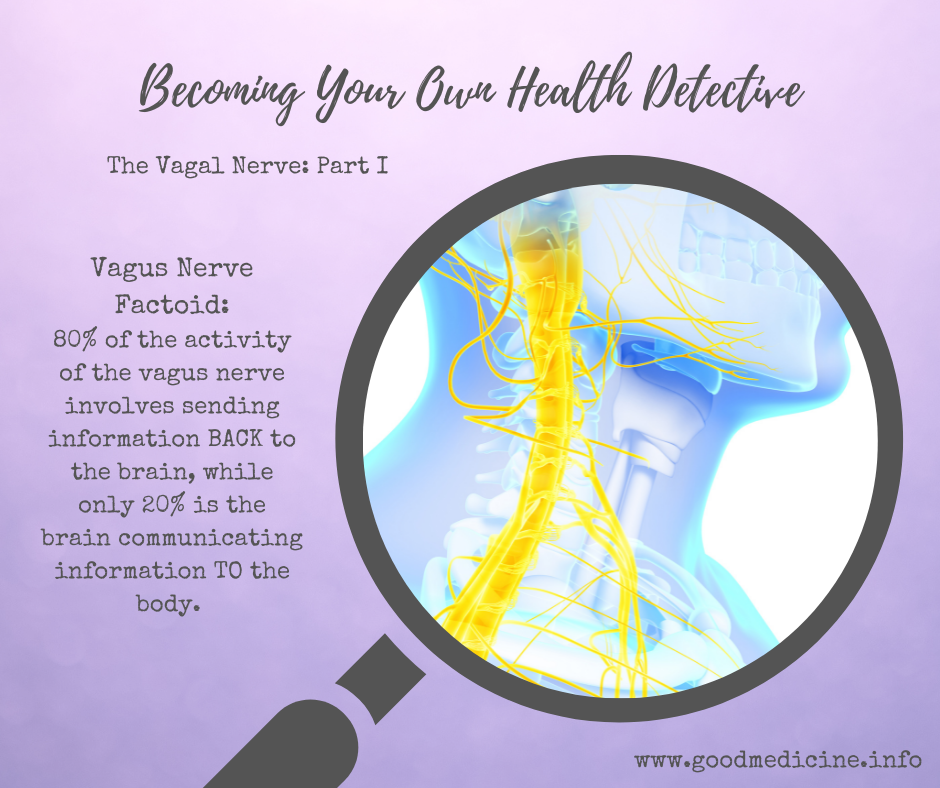
The vagus nerve is the longest cranial nerve, extending from the brainstem to the colon. It is responsible for the “rest and digest” activity of the heart, lungs, and digestive tract, with quite a few additional responsibilities added in for good measure. Some of its major contributing functions include:
⭐️Regulation of appetite
⭐️Control of bowel movements
⭐️Regulating heart rhythm
⭐️Stimulating gastric juice production
⭐️Regulating sweating
⭐️Regulating breathing
⭐️Controlling inflammation response
⭐️Encouraging testosterone production
⭐️Stimulating growth hormone (In adults, this is important for retaining muscle mass, strength, prevention of osteoporosis, concentration, preventing memory loss, and even slowing balding)
⭐️Regulating mood and emotions
⭐️Promoting healthy kidney and bladder function
⭐️Lowering and controlling blood sugar concentrations 
⭐️Triggering the release of melatonin
⭐️Stimulating the body’s relaxation response allowing a more rapid recovery from stress, injury, or illness
⭐️Encouraging the storage of strong memories in the amygdala (which is essential for bonding and connecting with others relationally)
The vagus nerve also sends sensory information (on what we see, feel, taste, and hear) to the brain, and is intimately involved as a courier of information allowing the microbiome (the gut bacteria) to directly communicate with the brain. You might have heard of this referred to as the gut brain axis. This is extremely important because many of our neurotransmitters (especially serotonin and oxytocin…. two that contribute to the state of happiness) are directly affected by this feedback.
Having a low or poor vagal tone has a profound effect on the body. Clues pointing to possible vagus nerve dysfunction include:
🔎IBS, Ulcerative colitis, and Crohn’s Disease
🔎Obesity, weight gain or weight loss
🔎Chronic fatigue
🔎Depression
🔎Irregular heartbeat (both too fast or too slow)
🔎Stomach ulcers
🔎Chronic inflammation
🔎Gastroparesis  (slowed movement of food from the stomach to the small intestine)
🔎Difficulty speaking, hoarse, or wheezy voice
🔎Pain in the ear
🔎Unusual heart rate 
🔎Loss of gag reflex
🔎Chronic abdominal bloating or pain, nausea or vomiting
🔎Anxiety
🔎Brain fog
🔎Dizziness
🔎Frequent headaches / migraines
🔎Insomnia
🔎Frequent urination
🔎Poor glucose control
🔎Food sensitivities
🔎Chronic feelings of disconnectedness or loneliness (Interesting, right? ) 
Common Causes of vagus nerve damage include:
🔥Chronic alcohol abuse
🔥Chronic stress / anxiety (Please revisit the information on ways to combat stress effectively!)
🔥Braces or extensive dental work (Revisit the post on the effect teeth have on the entire body)
🔥Posture (Revisit the clues related to posture.)
🔥Complications resulting from surgeries (especially those affecting the small intestine or stomach)
🔥Viral infections which are upper respiratory system focused
🔥Aging
🔥Botox injections
🔥Heavy metal toxicity (Heavy metals can be found in tooth fillings, vaccines, environmental contaminants, and even makeup. Young Living’s Savvy Minerals is a safe, beautiful and clean alternative! )
🔥Certain medications that affect the nervous system, including opioids, stimulants (ex: ADHD medications), immunosuppressants, sedatives, and many other prescription and OTC drugs. This is one more reason to identify and incorporate lifestyle changes whenever possible to avoid chronic drug use. Every single medication exerts a negative effect outside its intended target. 
The vagus nerve is a key player in living a life of resiliency.🙌 It will come as no surprise that people with high vagal tone have lower incidence of diabetes, strokes, and cardiovascular diseases. They also tend to find it easier to relax😴 after stressful situations, are physiologically 💪stronger, happier, more empathetic, better able to concentrate and remember, and are more likely to have close relationships with others👫. Vagal tone is kind of a big deal! Luckily for all of us, there are some really fun and practical ways to show the vagus nerve a little extra TLC on the regular. 
Test your gag reflex sometime soon. (Use a spoon handle and gently tickle the back of the throat on both sides. If you don’t have a gag response to the spoon handle, you’ve got some work to do😉!). 
Next week I’ll cover simple ways to incorporate vagal TLC techniques into daily life. It’s important to keep the vagal nerve happy and healthy!
xoxo~ liz
www.goodmedicine.info
#sharingiscaring
#caringforyourvagusnerveisgoodmedicine
#healthdetective
#goodmedicine
#thanksYL

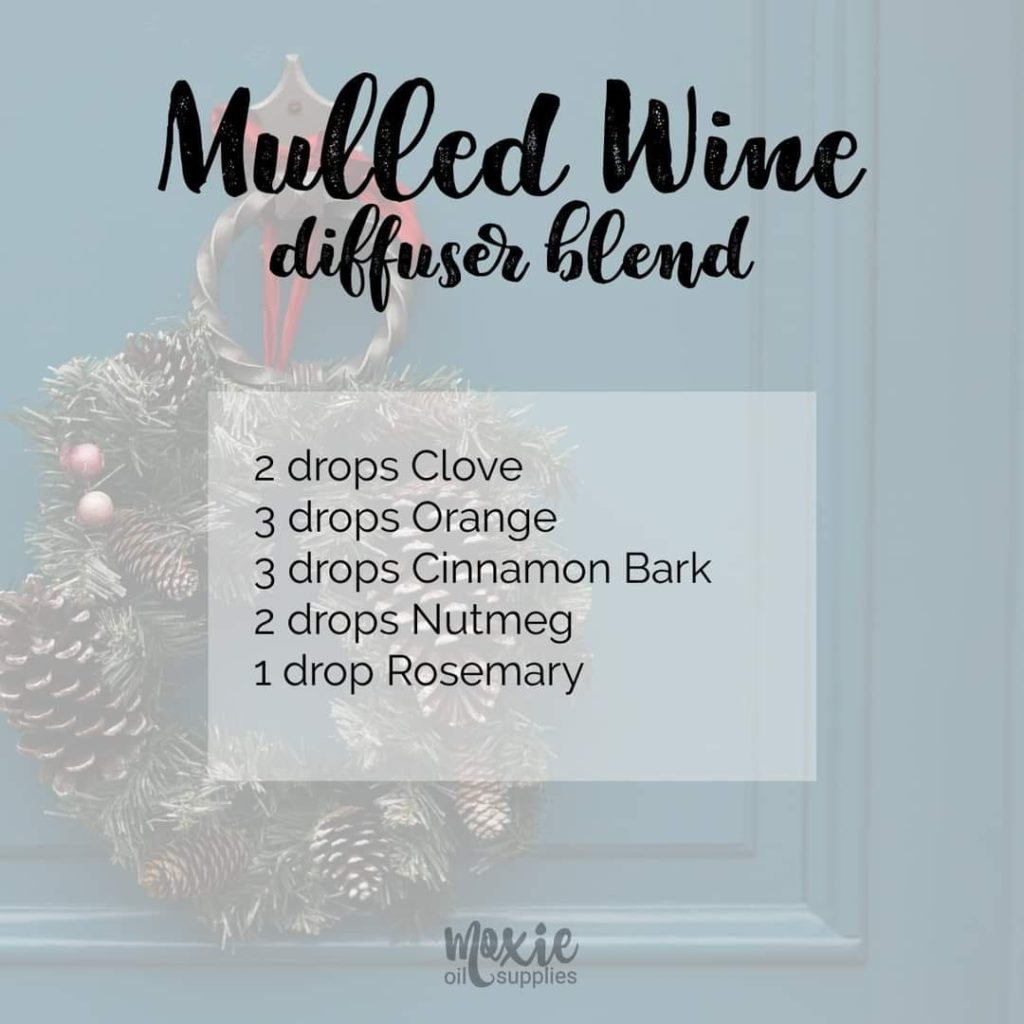
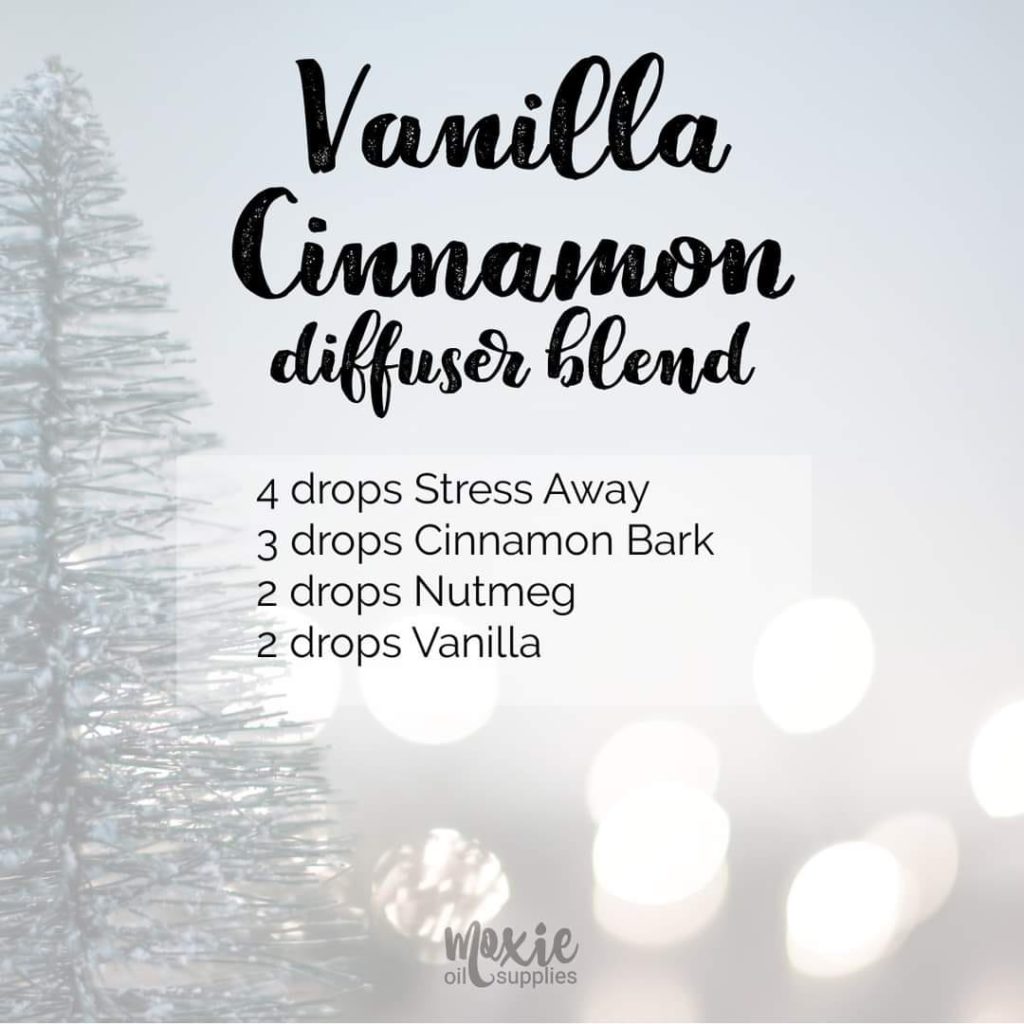
Christmas Scent Diffuser Blends

Liz James · December 3, 2021 ·

Years ago, (before I knew better), I’d stock up on all the Christmas candles and plug ins from Baths and Bodyworks when they went on sale. Ugh…😬😳…. but I just didn’t know any better. 


Once you know, you can’t unknow. 


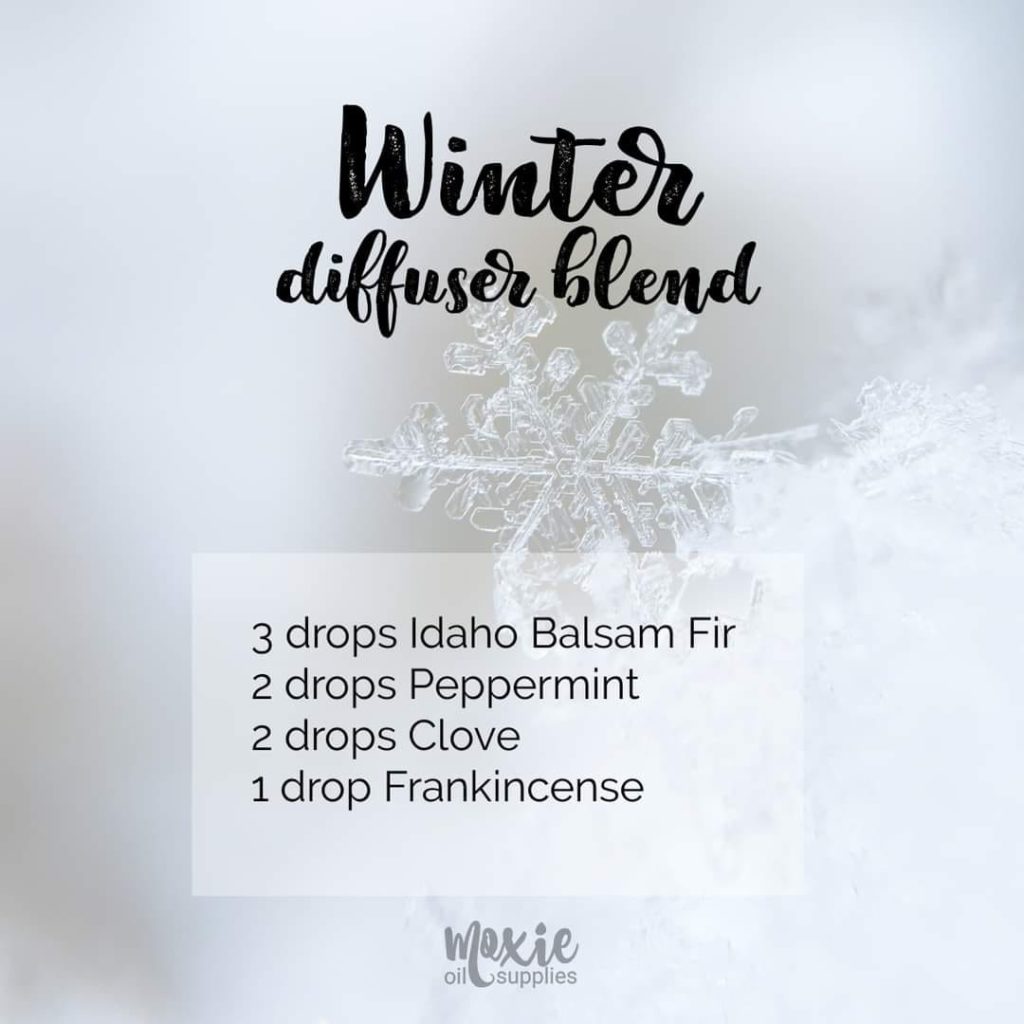
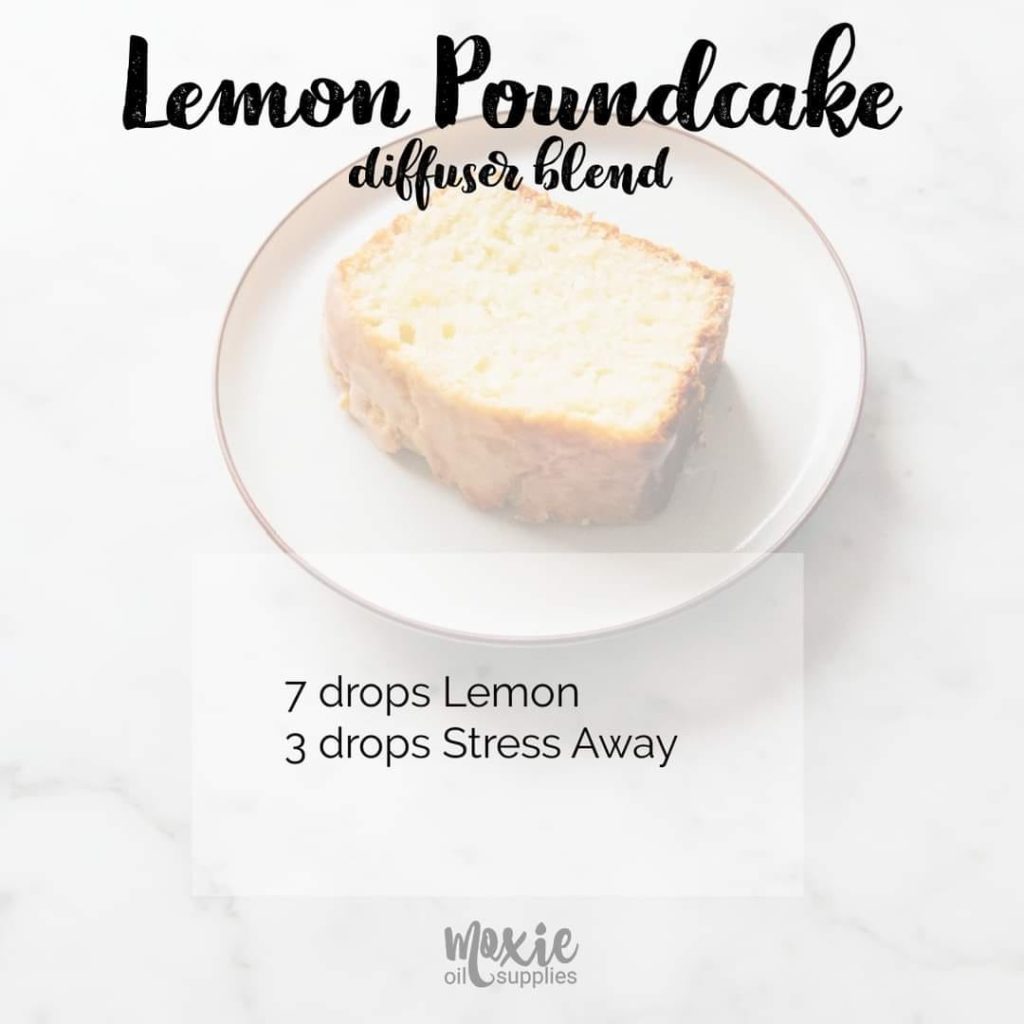
Here are some excellent Christmas scent diffuser blends to make your season scent filled in healthy ways! Just like cars, food (and even  crayons 😉 ), quality matters with essential oils. I won’t give you the pharmacist science-y reasons here, but I’d be happy to share what I know with anyone who wants to chat sometime….. #iykyk !
Simple changes can make profound impacts on life, both now and for our future selves.


Merry Christmas month friends! 
xoxo~ liz
 
#knowbetterdobetter
#toxinfreeforahealthierme
#thanksYL 
#knowingyouringredientsisgoodmedicine

  • « Go to Previous Page
  • Page 1
  • Interim pages omitted …
  • Page 6
  • Page 7
  • Page 8
  • Page 9
  • Page 10
  • Interim pages omitted …
  • Page 25
  • Go to Next Page »

Book Your Health Coaching CallBook Now

Elizabeth James

469.425.9091

ebj0203@gmail.com