• Skip to primary navigation
  • Skip to main content
Book Your Health Coaching Call
Good Medicine

Good Medicine

Holistic Health Coaching

  • Home
  • Liz James
    • About Liz
    • Coaching
    • Book a 20 Minute Complimentary Coaching Call
  • Favorite Resources
    • BlessedByHisBlood
    • Young Living
    • Fast Like A Girl Certified Coach
    • Order supplements through my Fullscript store
    • Green Pasture (Coupon: Health10)
    • RogersHood Apothecary (Coupon: BEABLESSING for 10% off)
    • DolphinMPS
    • Company
    • Abundance
  • My Books
    • Becoming Your Own Health Detective Volume 1
    • Becoming Your Own Health Detective Volume 2
  • Blog
  • Cart

Sleep

Health Clues from Your Small Intestine

Liz James · May 18, 2021 ·

How much attention or thought do you put into your small intestine? Rarely do we hear much about this “small” organ. “Little things” can often be overlooked and in doing so, clues can easily be missed. Truly, the small intestine isn’t so very small….. It’s a 15-20 foot long digestion and absorption machine….. Usually overshadowed by its fore and aft kinsmen, the stomach and large intestine.. 


I relate to the small intestine as a middle child myself!😜  The stomach and large intestine have their individual strengths and frailties. While the small intestine has its own set of “responsibilities”, its wellbeing is greatly affected by sister stomach and brother colon.


If you’ll recall from last week’s chat about the stomach, having low stomach acid is not a good thing and may lead to some significant issues that literally drain into the small intestine. Have you ever heard of the term SIBO? It’s an acronym for Small Intestinal Bacterial Overgrowth, occurring when bacteria in the colon (large intestine) travels upwards into the small intestine where a relatively small amount of bacteria should be present on any given day thanks to stomach’s healthy acid content and cousin pancreas’s contribution of digestive enzymes! If either the stomach or colon (or both) don’t perform as they should, the small intestine will suffer.


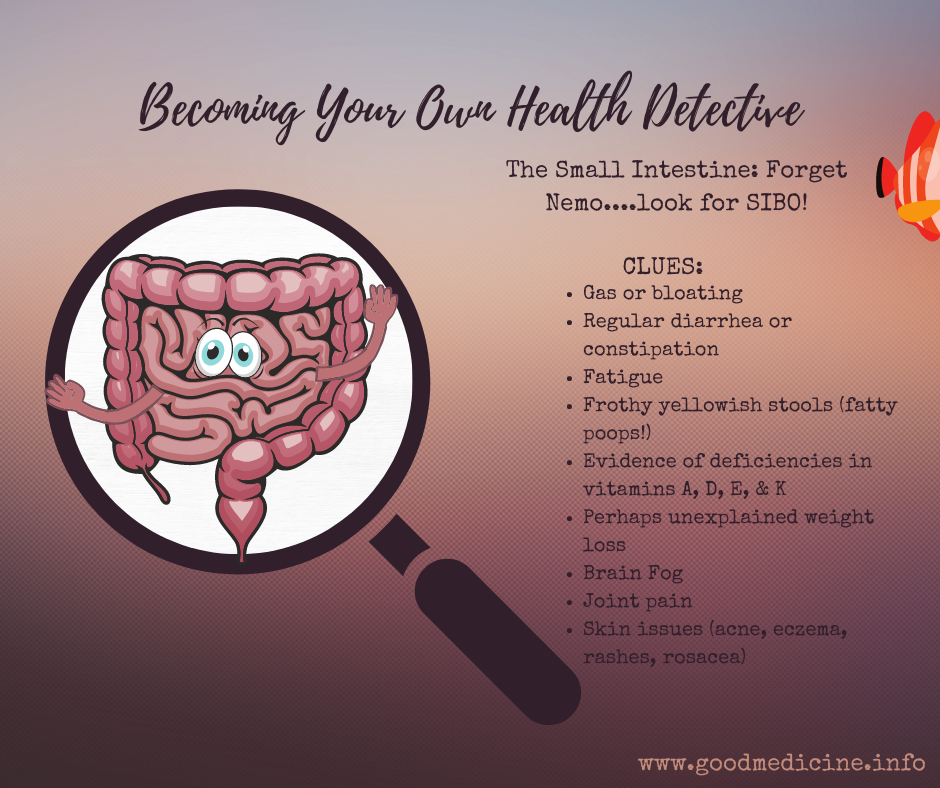
I’ve listed common clues of SIBO on the graphic.  None of them are drop dead urgent clues, right? Annoying, irritating, and perhaps even aggravating ….. but nothing that would cause an urgent SOS trip to your favorite health professional.
In a perfect digestive family environment, a healthy small intestine is a strong contributor to overall health. It facilitates absorption of some minerals (including sulfur, calcium, copper, iron, & zinc), fat soluble vitamins A,D,E &K, B vitamins, and Vitamin C. Small intestine also facilitates absorption of sugars, proteins, cholesterol, and bile salts.  It allows these nutrients to be absorbed all the while blocking foreign substances (ie: toxic “bullies”) from also being absorbed. If the small intestine walls become inflamed and damaged, it is unable to effectively discern between friend and foe, and bad influencers make it into the family body.


SIBO, if left unattended, contributes to:
🔥IBS, Diverticulosis, Crohn’s, Celiac, poor gut motility (greater than 75% have confirmed SIBO)
🔥Fibromyalgia  (78% have confirmed SIBO)
🔥Restless Leg Syndrome
🔥Interstitial Cystitis
🔥Diabetes
🔥RA, Scleroderma, and other autoimmune disorders
🔥Skin conditions
🔥Nutritional deficiencies
🔥Neuropathies due to deficiencies


In addition to poor stomach acid production, common contributors (aka lifestyle clues!!) to SIBO include: 
🔎Stress
🔎Poor diet (review what is typically known as the “Standard American Diet” / aka “SAD” indeed!)
🔎Mechanical issues (low stomach acid included here!)
🔎Antibiotic use (especially recurrent use)
🔎Regular use of acid reducers or proton pump inhibitors (ex: Nexium, Protonix, Prilosec)
🔎Opioid use (results in gut motility issues)
🔎NSAID use (ex: Ibuprofen, Naprosyn… damage the lining of the intestine)
🔎Gastric bypass surgery
🔎Moderate (or greater) alcohol use (est 90% have confirmed SIBO)
🔎Aging (due to decreased stomach acid and enzyme production)
🔎Long term colon dysfunction ( 78% of those with IBS have confirmed SIBO)


👉👉Note that while SIBO can be age related, it’s not uncommon to find it in children👦👧👶 who have chronic constipation/ diarrhea, have received antibiotics, are formula fed, or have received medication for reflux, or whose eating habits mirror the standard American diet.


It is estimated that 20-22% of the US population has some form of SIBO, and while there are ways to identify it through functional medicine testing, perhaps it may be more economical to simply identify existing physical and lifestyle clues, and then proceed towards alleviating the problematic areas.

 
❤️Showing the small intestine some love thru a healthy diet, adequate exercise, proper amounts of sleep are an excellent start! ❤️
Additional ways to support and love on the small intestine include:
❤️Consume 30-45 grams of soluble fiber daily (Hello Young Living ❤️Balance Complete Meal Replacement Shakes!)
❤️Digestive Enzyme supplements that contain Betaine HCl (Hello YL Essentialzyme caplets!)
❤️Probiotics (Hello YL Life 9 and for kiddos….. MightyPro!)
❤️Organic bone broth
❤️Olive leaf extract (Hello YL Olive Essentials capsules!)
❤️Young Living’s Peppermint, Caraway, Oregano, and Cinnamon Vitality essential oils. If you are a science hound, do some digging in pubmed.gov for a gold mine of information. If you are not a science hound, just know that these oils are your small intestine’s friends! 


Remember that our bodies are constantly giving us clues which buys time before “big things” generally happen. I’m so thankful that the body has the resilience and capability to restore itself to good health when clues are recognized and supportive measures are implemented. SIBO is a clue itself, indicating a potential downward spiral of the entire body at some point in the future if not addressed. 
Indeed…. Seemingly small things can often be important big ones! 
xoxo~ liz

#sharingiscaring
#digestivehealthclues
#healthcluesyoucanuse
#goodmedicine 
#findingSIBO

#ThanksYL
Health Clues from Heartburn

Liz James · May 10, 2021 ·

Down the alimentary canal we go….. Clues you can use from your head to your tush!
I’ve gone round and round in my head about how best to approach this next topic. It’s a “which came first…. the chicken 🐣or the egg situation”, so I will leave it up to you as to how you choose to run with these clues! 


As we travel down the alimentary canal, some of the roughest waters are located right beyond the oral cavity. An estimated 60-70 million people have chronic digestive disorders in the USA, with 25% of the adult population experiencing weekly symptoms of reflux. 


Here’s “the chicken”: 
 – Reflux commonly results from either a mechanical dysfunction or environmental trigger. Mechanically, it may be caused by a diagnosed hiatal hernia, pregnancy, excessive weight, eating a large meal too close to bedtime……there are others, but these are the biggies.
Biochemically, certain foods and beverages may also trigger reflux in some people. Spicy, oily, or fried foods, alcohol, and caffeine are well known irritants.
👉👉There are two other under diagnosed but VERY COMMON dysfunctions….. Hypochlorhydria: a deficiency of hydrochloric acid in the stomach and insufficient digestive enzyme production within the body. 👈👈
Causes of low stomach acid include: 
 – Stress
 – A deficiency of Zinc or B vitamins
 – Medications taken for reflux 
 – Gastric bypass surgery
 – Age – people over the age of 60-65 are most likely to have inadequate stomach acid production
Before refrigeration and the advent of the processed food industry, normal diets were rich in food that contained prebiotics, probiotics, and enzymes that supplemented what was already made within the body. Sadly, the Standard American Diet (aptly acronymed ‘SAD’) contains none of these, and the “fakeness” of many foods has made the digestive process even harder to accomplish.


Digestive enzyme insufficiency has several possible causes:
 – Gallbladder removal
 – Crohn’s or Celiac 
 – Leaky gut
 – Chronic Stress
 – Inflammation (often due to toxin load)
 – Genetics
 – Aging


Certain diseases affecting the pancreas     
Low stomach acid and/or insufficient digestive enzymes can cause a cluster of clues over time….
🔎Bloating and burping
🔎Upset stomach that sometimes feels worse when you take supplements
🔎Heartburn or indigestion
🔎Diarrhea and gas
🔎Hair loss
🔎Fatigue
🔎Protein, B12, Calcium and magnesium deficiencies
🔎Neurological issues such as numbness, tingling, and vision changes
🔎An appearance of or worsening of an autoimmune disorder (lupus, allergies, asthma, skin conditions, etc)
🔎Osteoporosis


Prescription trends reflect this stat: Approximately 65 million prescriptions are written for reflux medications on an annual basis…. The most common being💊 acid reducers. 
WAIT. WHAT??!?!?  If the reflux problem is commonly related to too little acid in the stomach, why in the world are drugs like 💊Pepcid, Prilosec, Nexium, Protonix 💊prescribed so regularly? After all, they are designed to reduce acid in the stomach.  That, my friends, is the multi- billion dollar question you’ll need to ask Big Pharma about.  
I make no recommendations to quit any medication without talking to your favorite health care professional first. I’m not a doctor…. only an observant pharmacist who knows when things don’t add up. #followthemoney
And now we come to “the egg”….. the medications regularly recommended for heartburn. You see, the drugs within the acid reducing class are approved by the FDA for short term use only (generally 8 weeks or less) and yet we all probably know multiple people who have been on them for years.


What happens when the pH within the stomach continues to slowly become more alkaline? 
* A worsening of B12 deficiency which affects many parts of the body, but especially the nervous system. Prolonged deficiency increases the risk of dementia and neuropathy. 
* An increased risk of hip, wrist, and spine fractures due to accelerated osteoporosis
* A 50% greater risk of pneumonia
* An increased risk of a cardiovascular event 
* A worsening of overall digestive problems
* Increased risk of kidney disease


How can this particular  “chicken/egg” question be avoided? The biggest answer to nearly everything we talk about is always going to revolve around diet, exercise, stress management, sufficient sleep, and removal of toxins whenever possible.  It’s not always easy to incorporate enzyme and stomach acid supportive foods into today’s daily eating habits, and yet they are a valuable and needed piece of the wellness and vitality puzzle.


Thankfully,  we have some very supportive digestive enzyme supplements available to us! 🙌🙌 
Young Living’s Essentialzyme caplets also contains Betaine HCl which help support healthy stomach acid pH. 
Young Living’s Essentialzymes-4, Allerzyme, and Detoxzyme are also digestive enzyme supportive capsules, and Mightyzyme chewables are for kiddos (or adults who like them!) who might need a little extra digestive support! 


As always….. This information is not intended to treat, diagnose, or cure….. Rather to give you the tools you need to make the best and most informed decisions you can make in regards to your own health. You are the responsible party for Y.O.U. …… no one else. 
xoxo~ liz

#sharingiscaring
#digestivehealthclues
#healthcluesyoucanuse
#goodmedicine
#ThanksYL

Breath Clues part 2

Liz James · March 23, 2021 ·


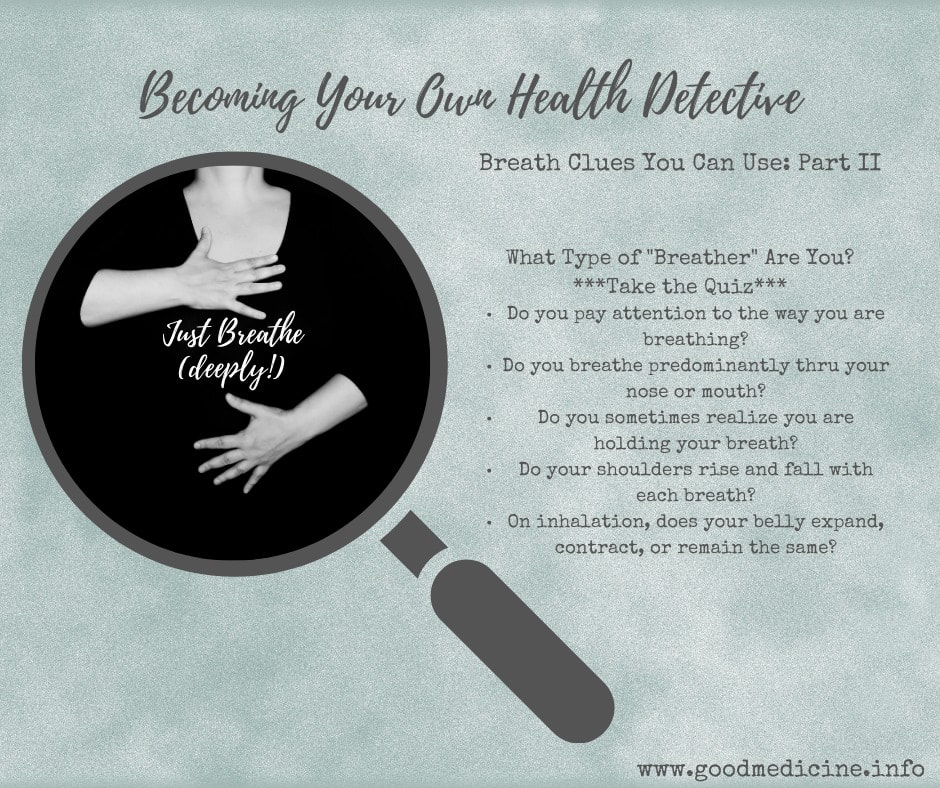
Becoming aware of HOW you breathe is important both as a health clue and an (inexpensive and valuable!) wellness tool. 


Did you take the quick quiz on the graphic?  If not, take a moment to do so!
Statistically, chronic shallow (mouth, neck, and upper chest) breathing is the most common type of breathing in Westernized cultures. This type of breathing  perpetuates stress and anxiety, activates the “fight or flight” (sympathetic response),  and suppresses the immune system. 


Conversely, diaphragmatic (deep belly) breathing balances the nervous system, supports heart health, improves circulation, promotes lymphatic drainage, reduces stress, calms the mind, and brings the body back into a more homeostatic state. 
Do you notice how some people remain calm, cool, and collected while others become a tightly wound spring with every stressor? The ability to pivot from “fight or flight” to “rest and digest” is incredibly important to health outcomes! ( Pharmacist tip: Learning to do this is helpful in keeping you away from the pharmacy!)  


The longest nerve in the body is called the  👉vagus nerve 👈. It runs from the brain thru the lungs and on to the gut, and affects every organ and body system it comes in contact with along the way ….. stomach, intestines, liver, gallbladder, heart, lungs, and the immune, endocrine, respiratory, and cardiovascular systems. In other words, the vagal nerve pathway is kind of a big deal! 😍


High vagal tone is incredibly important to overall health and wellbeing….. really, it’s a use it or lose it situation. Low vagal tone is associated with increased risk for cardiovascular disease, stroke, diabetes, GI disorders, and depression. Diaphragmatic breathing increases vagal tone! 


If deep belly breathing is not something you do on the regular (ie: it’s become second nature to you), Here are a few tips and tricks:
👉 Start with just 2 minutes several times a day. 
1. Place one hand on your upper chest and the other just below your rib cage, so you can feel your diaphragm move as you breathe.
2. Inhale deeply thru your nose for the count of 6-8 seconds (or 4-5 seconds if that’s too much)…. allowing your belly to expand. Try to fill your lungs with air. NOTE! The hand on your chest should remain as still as possible.
3. Slowly exhale through your nose for the count of 6-8 (or 4-5) drawing your belly button in and down as your abdomen moves inward.
4. As you breathe inward deeply, envision oxygen flowing inward and recharging your body. As you exhale, envision all the stress and tension leaving your body. 
5. Practice this for 2-3 minutes at a time (20-30 breath cycles). Graduate to 5 minutes as you are able! 


Scientifically noted benefits of diaphragmatic breathing can be further enhanced when you pair your breathing practice with Young Living essential oils known for their supportive roles in  health and wellness goals:
🌿Want to improve mood? Pair your practice with Citrus Fresh eo blend! 
🌿 Looking for better concentration? Try Brain Power or Frankincense!
🌿 Looking to better manage pain? (Yes, deep breathing helps with this too!) Add in PanAway or Deep Relief
🌿 Wanting to lower your blood pressure (Yep, deep breathing exercises does this too!)….. support happy vascular system breathing practices with Joy, Aroma Life, Ylang Ylang, or Lavender.
🌿Lowering blood sugar (amazing what regular deep breathing may do! Consider deep inhalations of Coriander, Melissa, or Christmas Spirit! 
🌿 Improve your sleep. Pair pre bedtime deep breathing with a diffuser loaded with Cedarwood, Orange, and Lavender! 
🌿  Use as a tool in your weight loss journey. Have you tried Grapefruit essential oil or Thieves on the bottom of the feet?
🌿 Strengthen the pelvic floor muscle (which will also improve bladder and bowel elimination function!). Consider pairing with Clary Sage, Cypress, or (Digize 👈 for colon support). 
🌿Better lymphatic flow?…. You’ll love Lemon essential oil (both regular and vitality!)! 


Noticing how you are breathing, and then making corrections as needed is a simple, but VIP wellness tool and health clue! Just as diaphragmatic breathing is helpful, chronic shallow breathing will exacerbate many health problems, and over time, may also contribute to lung infections and lung diseases.
Just breathe…… deeply! 
xoxo~ liz


👈 if you’d like to know more about additional breathing practices or the oils mentioned above, let’s chat!


#sharingiscaring 
#Godgaveusthetools 
#goodmedicineisgreatbreathinghabits
#goodmedicine Breath Clues: Part II
Becoming aware of HOW you breathe is important both as a health clue and an (inexpensive and valuable!) wellness tool. 
Did you take the quick quiz on the graphic?  If not, take a moment to do so!
Statistically, chronic shallow (mouth, neck, and upper chest) breathing is the most common type of breathing in Westernized cultures. This type of breathing  perpetuates stress and anxiety, activates the “fight or flight” (sympathetic response),  and suppresses the immune system. 
Conversely, diaphragmatic (deep belly) breathing balances the nervous system, supports heart health, improves circulation, promotes lymphatic drainage, reduces stress, calms the mind, and brings the body back into a more homeostatic state. 
Do you notice how some people remain calm, cool, and collected while others become a tightly wound spring with every stressor? The ability to pivot from “fight or flight” to “rest and digest” is incredibly important to health outcomes! ( Pharmacist tip: Learning to do this is helpful in keeping you away from the pharmacy!)  
The longest nerve in the body is called the  👉vagus nerve 👈. It runs from the brain thru the lungs and on to the gut, and affects every organ and body system it comes in contact with along the way ….. stomach, intestines, liver, gallbladder, heart, lungs, and the immune, endocrine, respiratory, and cardiovascular systems. In other words, the vagal nerve pathway is kind of a big deal! 😍
High vagal tone is incredibly important to overall health and wellbeing….. really, it’s a use it or lose it situation. Low vagal tone is associated with increased risk for cardiovascular disease, stroke, diabetes, GI disorders, and depression. Diaphragmatic breathing increases vagal tone! 
If deep belly breathing is not something you do on the regular (ie: it’s become second nature to you), Here are a few tips and tricks:
👉 Start with just 2 minutes several times a day. 
1. Place one hand on your upper chest and the other just below your rib cage, so you can feel your diaphragm move as you breathe.
2. Inhale deeply thru your nose for the count of 6-8 seconds (or 4-5 seconds if that’s too much)…. allowing your belly to expand. Try to fill your lungs with air. NOTE! The hand on your chest should remain as still as possible.
3. Slowly exhale through your nose for the count of 6-8 (or 4-5) drawing your belly button in and down as your abdomen moves inward.
4. As you breathe inward deeply, envision oxygen flowing inward and recharging your body. As you exhale, envision all the stress and tension leaving your body. 
5. Practice this for 2-3 minutes at a time (20-30 breath cycles). Graduate to 5 minutes as you are able! 
Scientifically noted benefits of diaphragmatic breathing can be further enhanced when you pair your breathing practice with Young Living essential oils known for their supportive roles in  health and wellness goals:
🌿Want to improve mood? Pair your practice with Citrus Fresh eo blend! 
🌿 Looking for better concentration? Try Brain Power or Frankincense!
🌿 Looking to better manage pain? (Yes, deep breathing helps with this too!) Add in PanAway or Deep Relief
🌿 Wanting to lower your blood pressure (Yep, deep breathing exercises does this too!)….. support happy vascular system breathing practices with Joy, Aroma Life, Ylang Ylang, or Lavender.
🌿Lowering blood sugar (amazing what regular deep breathing may do! Consider deep inhalations of Coriander, Melissa, or Christmas Spirit! 
🌿 Improve your sleep. Pair pre bedtime deep breathing with a diffuser loaded with Cedarwood, Orange, and Lavender! 
🌿  Use as a tool in your weight loss journey. Have you tried Grapefruit essential oil or Thieves on the bottom of the feet?
🌿 Strengthen the pelvic floor muscle (which will also improve bladder and bowel elimination function!). Consider pairing with Clary Sage, Cypress, or (Digize 👈 for colon support). 
🌿Better lymphatic flow?…. You’ll love Lemon essential oil (both regular and vitality!)! 
Noticing how you are breathing, and then making corrections as needed is a simple, but VIP wellness tool and health clue! Just as diaphragmatic breathing is helpful, chronic shallow breathing will exacerbate many health problems, and over time, may also contribute to lung infections and lung diseases.
Just breathe…… deeply! 
xoxo~ liz

#sharingiscaring 
#Godgaveusthetools 
#goodmedicineisgreatbreathinghabits
#goodmedicine 

Young Living March Freebies

Liz James · March 1, 2021 ·

How did we sail (or freeze  😬) thru February so fast? Well, here we are in March 2021 already!


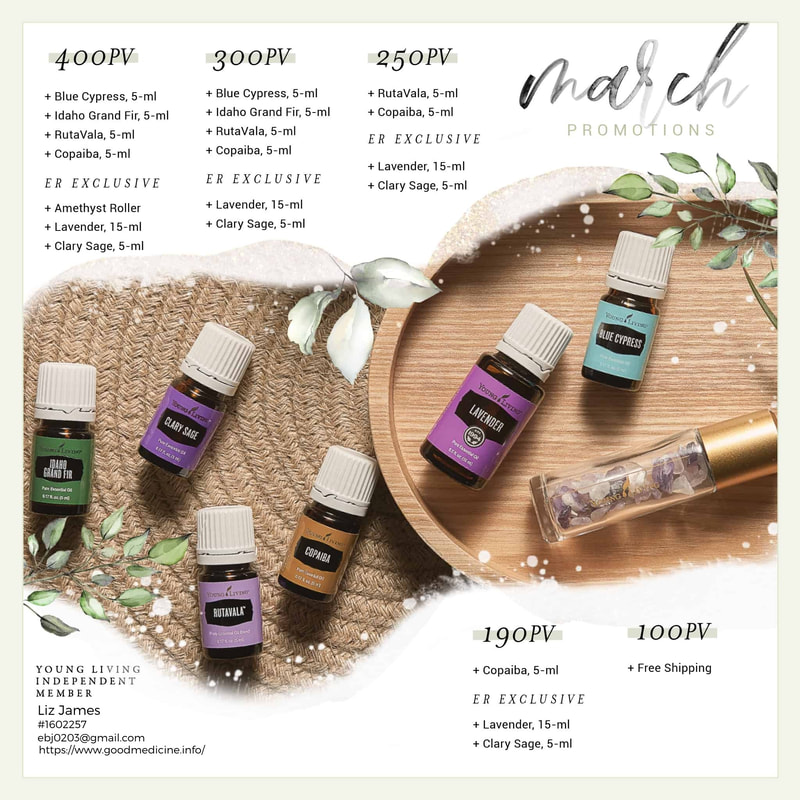
If you are already a Young Living member, take some time today to adjust your Essential Rewards order so you can get the freebies that are calling you name this month…. there are some goodies for sure!  Rutavala and Copaiba are staples at our house. Free is a beautiful thing ( and it means I can get that new tube of YL Savvy mascara and brown multi-tasker I’ve been needing 😍)!


Here’s a little background on the freebies this month from the science side:
👉Blue Cypress: we don’t hear about it often…… but I’ve learned that whenever you see a “blue” oil, sit up and take notice because it’s power packed. Not only does it smell AMAZING (one of the reasons it’s often found in perfumes), it supports a healthy inflammatory response….. and friends, there is a BIG difference between a healthy and unhealthy inflammatory response 🔥. Do some digging on it…… it also helps create an inhospitable environment for viruses 😉.


👉Idaho Grand Fir (formerly known as Idaho Balsam Fir) is also well known for supporting a healthy inflammatory response. Do you feel like you can breathe more easily when you are in an evergreen forest? Crisp and clean…… but there’s more to it than that! These trees have powerful constituents (another word for natural “ingredients”) God put in them to help us breathe more easily. Our forefathers (rather, fore-mothers most likely!) used to make syrups and poultices from this tree to help when lungs were not functioning as they should. Do some digging….. our ancestors were some smarties even tho they didn’t know the science behind it all!


👉Rutavala is one of my faves! Normally I buy the premade roller bottle to help me sleep at night. ( I Swipe it across the base of my big toes for a great night’s sleep). The disadvantage of the roller bottle is that it’s premixed with carrier oil and you can’t drop it into a diffuser either. This 5ml blend is undiluted, so you can get your relaxation in many different forms! Make your own roller bottle (that’s my plan!) or use it however you prefer. Rutavala tends to be seasonal, so it’s not uncommon to find it out of stock later in the year……. if you love it, and it serves you well ….. be sure to snag it for free! I believe a good night’s sleep is priceless 😴!


👉Copaiba is another of my faves. Frankly, every home should have this one on hand at all times, especially once you realize what it can do. It has a very “quiet” fragrance, but don’t let that fool you. It too supports a healthy inflammatory response for everything from teething to sore joints to inflamed tummies or lungs. (Do some digging on this powerful and stealthy oil!)


👉Lavender…. what can I say? It’s a Swiss army knife in the oil world. If you aren’t sure which oil to grab, 99 times out of 100, Lavender will do the trick! And 15mls on this one friends! ……because you can never have too much lavender in the house! Can I get an Amen??


👉Clary Sage…. it’s not just for gals (although gals, it may become your BFF if you need a little assist during “that time of the month” or your spouse or significant other says you have bit of inner dragon * during certain times of the month.) 
Historically speaking, this plant was used to draw thorns and splinters from the skin. I don’t know about you, but thorns and splinters still exist…. just ask a farmgirl or farm guy 😂. Did you know…. Clary sage also plays a role in supporting the immune system, calming digestive disorders, and supporting a healthy inflammatory response (especially on the skin?…… perhaps adding a couple drops to your DIY skin serum may be in order? 😉)


All of this goodness is free with qualifying orders…. see the graphic for deets.😍
What’s your fave? How do you best use it? Let’s help each other out and drop a story about how one of these oils has helped you or your family in the comments below. I might even send someone who comments a little happy mail * just in time for St. Paddy’s Day! 
Happy March Everyone!!
xoxo~ liz

#sharingiscaring 
#EssentialRewardsisthepennypinchersparadise
#ThanksYL 
#goodmedicineistheapplicationofknowledge

Health Clues in Your Skin #3

Liz James · February 9, 2021 ·

“To know a person’s experiences from the past, examine the body now.” ~ Ancient Anon.


(Here are links to skin clues in this chapter of the ‘Becoming Your Own Health Detective’ series)
Skin Part I: https://goodmedicine.info/blog/health-clues-in-our-skin-1
​Skin Part II: https://goodmedicine.info/blog/health-clues-in-your-skin-part-2


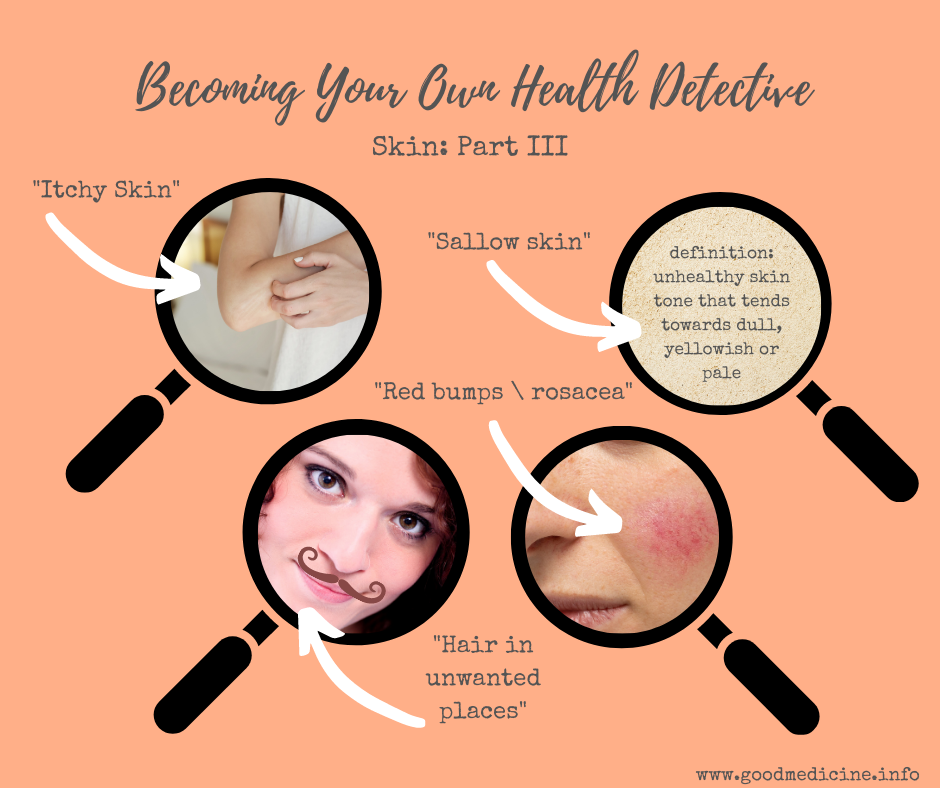
​Dry itchy skin is common in the winter, so this is probably a fairly hot topic right about now thanks to the winter climate❄️. Often easier said than remembered…… drink more water if dry skin is your current nemesis! People tend to consume less water in the winter, so be vigilant and conscientious of how much water you are actively consuming daily. If plain water isn’t your cuppa, add in YL’s Vitality Drops (Regular….. Grapefruit Bergamot & Lavender Lemon or for a little extra pep in your step, Energy….. Jade Lemon & Spearmint Tangerine). YL’s Coconut Lime Body Butter is a great tool for combating winter dry skin from the outside, and its smell makes me feel like it’s summer on the beach with a little umbrella adorned drink in my hand!  


Beyond dehydration, there is a wide variety of other reasons for dry skin. If fairly localized (or patchy) consider the skin care products you are using. Harsh chemicals in standard skincare products are commonplace, and your skin will recognize the difference! We are blessed by Young Living’s skin care line, Thieves products,  and Savvy Minerals makeup and these “clean” products are important tools for healthy skin.


Contact dermatitis is another localized type of dry or irritated skin. As its name suggests, it is inflammation 🔥resulting from contact to a trigger irritant or allergen. It usually clears up on its own over time as long as exposure to the trigger is halted. 
Eczema (aka: atopic dermatitis) is a catch-all term for a group of conditions that make skin inflamed🔥 or irritated….. A bigger chronic problem. An estimated 10% of people in the USA have some form of eczema. Research suggests that eczema falls into the autoimmune condition category, and may have a genetic component (as do many autoimmune disorders). The good news is that, thanks to epigenetics (our environment is an enormous influencer of gene expression), WE ALL have a great deal of control of our environment, and can do quite a lot to keep the problematic genes from expressing themselves.


The term eczema comes from the Greek word ‘ekzein’ which means ‘to boil over’….. In this case, it’s an external sign that trouble is brewing in the gut.  Keeping skin inflammation🔥 down ultimately lies in healing your digestive tract and avoiding food triggers such as sugar, gluten, and processed foods….. remembering that we are all uniquely made and one man’s trigger may not be another’s! It can be tricky to identify your trigger, but stick with it… it typically takes 6-8 weeks of avoiding a trigger for true healing to reveal itself.


Autoimmune disorders are like cats…. You may start out with one🐈, but people rarely typically end with just one🐈🐈🐈🐈, so it’s best to get eczema under control before it “boils over” into other body system dysfunctions.  Sulfurzyme, Life 9 probiotic, and Essentialzyme4 are just a few of the amazing supportive tools we have available to us as Young Living members!  #nobodywantstocollectAutoimmunedisorders


“Sallow skin” is another rather broad term for a general unhealthy skin tone that tends towards dullish, yellowish, or pale. Do not misinterpret this. There are very healthy people with a natural bent towards pale or olive complexion…… but if you walk into an oncologist’s waiting room, you’ll immediately know what this skin tone looks like. Sallow skin is very identifiable, and there are varying degrees of “sallow”. Regardless of the degree, it is definitely a clue to perk up and make some health and habit changes!

Common causes of sallow skin include:
👉Smoking
👉Vitamin Deficiency (esp Vit A, Vit B12, Vit C, Vit D, Vit E) #haveyoutriedMasterFormula 
👉Serious chronic stress (long term “heavy” emotional stress) 
👉Lack of Sleep
👉Poor skin care
👉An underlying chronic health condition 
👉Certain medications


Rosacea, a red or “ruddy” complexion is also a branch of the autoimmune family tree, so it behooves the bearer of chronic rosy cheeks to support their immune and digestive systems.


Hair in unwanted places is a sure sign of a hormonal imbalance for women. Traditionally, we’ve been led to believe that unwanted hair growth is likely related to excess testosterone, and that is only partially true. The bigger picture is that our hormonal system is a finely tuned instrument and it only takes a fraction of an imbalance to cause significant problems.  The balance between circulating testosterone, estrogen, and progesterone is important, as is insulin sensitivity.
Insulin (a hormone too!) resistance is typically caused by years of a diet high in sugar and refined carbs.  In the insulin resistant individual, the body is losing its ability to respond to glucose  and to properly metabolize food. Someone who is insulin resistant will have a hard time balancing sex hormones without addressing the insulin resistance component first. Insulin resistance is often seen in tandem with polycystic ovarian syndrome (PCOS). Diet and exercise are absolutely critical tools to use when addressing the root cause. Advanced labwork is also a key tool. Simply measuring basic glucose is not enough. You’ll also want HbA1c and fasting insulin tested (as well as a hormone panel). Find your favorite holistic or integrative health provider to help walk you thru hormone balancing, and listen to you body! Insulin resistance will ultimately lead to Insulin injections if not addressed properly, and nobody wants that!  We farmgirls call this “fish or cut bait time.” As the CEO of your own body, important decisions need to be made for your VIP company’s health.  


As a reminder: I am not a doctor, and cannot diagnose, treat, or offer to cure you. The goal of this series is to provide thought provoking clues so that you can manage your own health a little more effectively and efficiently! I CAN help you learn to navigate how to do this in a way that honors your unique body and life.
That said, tried and true beginner thru advanced steps geared to improved health will ALWAYS include:
✅Getting rid of toxins
✅Cleaning up your diet
✅Staying well hydrated with “clean” water
✅Exercising regularly
✅Getting 7-8 hr of sleep
✅Managing stress properly
✅Working on decreasing inflammation
Have a beautiful day friends! 
xoxo~ liz

#caringissharing
#pharmacistandfarmacist
#applicationofknowledgeispower
#skininthegame 
#goodmedicine
#goodmedicineisknowingthyselfwell
#yourskinisamirrortoyourhealth
#ThanksYL

  • « Go to Previous Page
  • Page 1
  • Interim pages omitted …
  • Page 5
  • Page 6
  • Page 7
  • Page 8
  • Page 9
  • Interim pages omitted …
  • Page 13
  • Go to Next Page »

Book Your Health Coaching CallBook Now

Elizabeth James

469.425.9091

ebj0203@gmail.com