• Skip to primary navigation
  • Skip to main content
Book Your Health Coaching Call
Good Medicine

Good Medicine

Holistic Health Coaching

  • Home
  • Liz James
    • About Liz
    • Coaching
    • Book a 20 Minute Complimentary Coaching Call
  • Favorite Resources
    • BlessedByHisBlood
    • Young Living
    • Fast Like A Girl Certified Coach
    • Order supplements through my Fullscript store
    • Green Pasture (Coupon: Health10)
    • RogersHood Apothecary (Coupon: BEABLESSING for 10% off)
    • DolphinMPS
    • Company
    • Abundance
  • My Books
    • Becoming Your Own Health Detective Volume 1
    • Becoming Your Own Health Detective Volume 2
  • Blog
  • Cart

Plants as Medicine

Elsa, continued

Liz James · January 5, 2018 ·

My world has come to a standstill…..at least it feels that way. I take my hat off to all those mamas who have (human) babies. The 24/7 is real….. even more real when you’ve got one with a health problem.

Elsa’s entry into the world, while received happily by us has been fraught with issues. The last two days, we’ve been unraveling the problem(s) that have plagued her.

  1. Elsa’s problem #1: Hypothermia at birth: Although we live in north Texas, believe it or not, it can get dang cold here. It’s a different kind of cold than up north where it’s drier. Here…. it can be bone chilling in the winter time. We found her within 30 minutes of her birth, but she was already half frozen even in that short amount of time. Despite our efforts of heat lamps, warming pad, time indoors in front of the fire with us, we could not keep her warm.
  2. Elsa’s problem #2: Low blood glucose: It appeared that because she was so cold, she wasn’t eating. Not eating was causing a dangerous drop in blood glucose. Between this and the hypothermia, we were setting ourselves up for losing her.
  3. Elsa’s problem #3: Pneumonia: Babies are so very tender, especially ones born under such dangerous conditions. For whatever reason, I’ve found that calves and foals can be particularly tender at any time of the year. The vet heard rattling in her lungs, and her oxygen saturation came back at 72%. That is not conducive for living long, as eventually organs will begin shutting down.
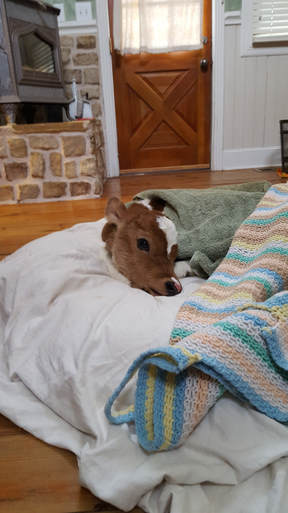
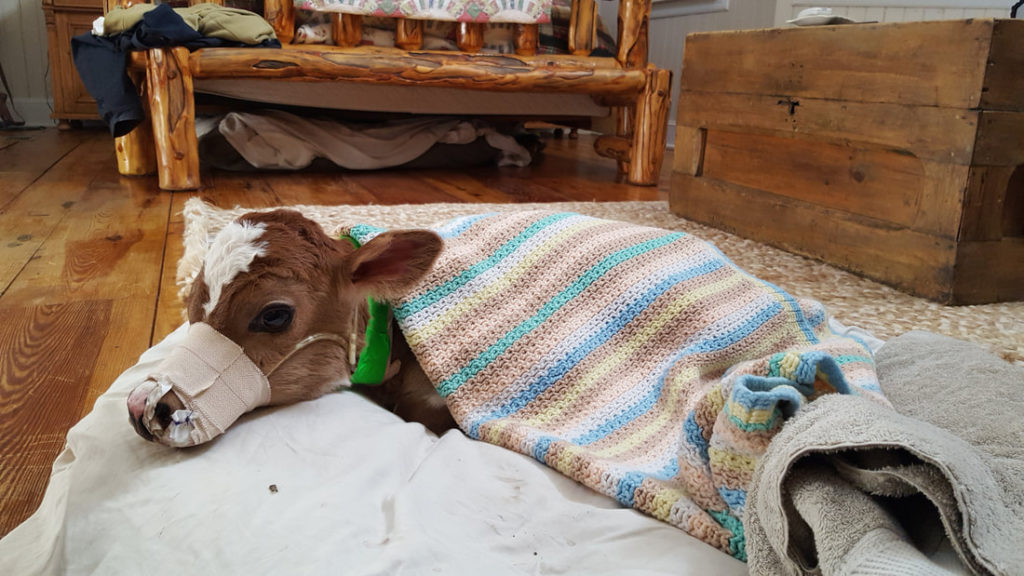
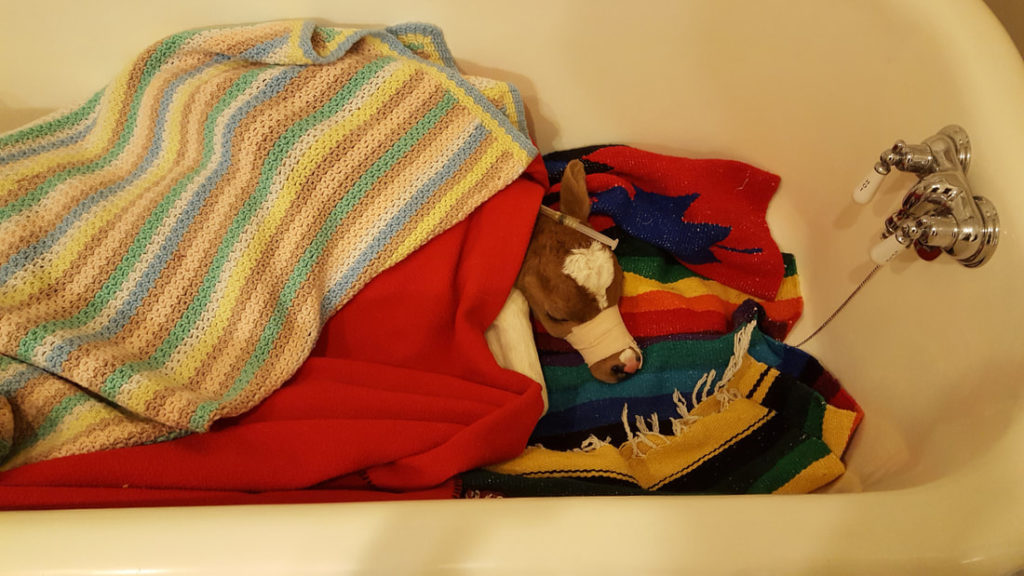
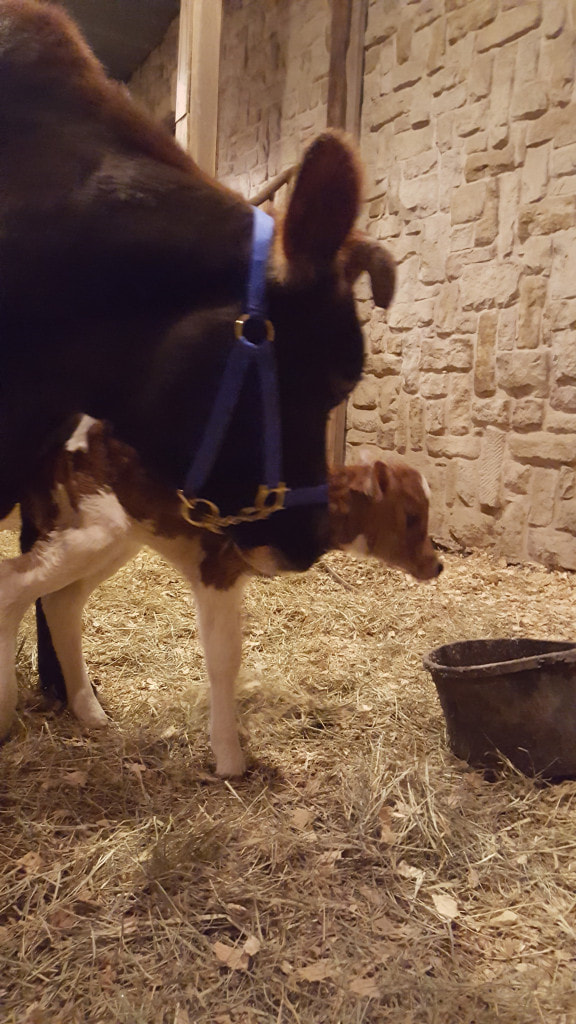
Once we found out she had pneumonia, we upped our game. Frankly, the vet, rather gently attempted to talk me out of saving her, simply by telling me her chances of survival were slim. That news came Wednesday. Today is Friday, and baby girl is doing better. She has been on a round of two antibiotics, and spent about 48 hours in our bathtub. Because we wanted to do everything we could to support proper lung function and boost her immune system, we’ve been diffusing therapeutic grade Frankincense, Copaiba, and Lemon around the clock. Our bathroom became an aroma tent for her.  Two days of tube feeding…. and then we tried to teach her to nurse again, with very little success. We were all disappointed. Honey, (her mama) was THRILLED to have her back this morning after two days of absence. Honey’s mourning was heart wrenching. She went into a depressed mood, and didn’t even call for her baby. It was as if she knew she was dead. This picture isn’t so great, but neither one of them would stand still for a photo op.
Tube feeding is time consuming, but so is keeping a calf in the house….Keeping the house clean is a chore all it’s own. I’ve done load after load of towels and blankets. Little girl has proven that both her bladder and her bowels are functioning… this is GREAT news, as it means her organs are working. Her blood oxygen saturation level yesterday afternoon confirmed that….. it had risen to 95%.  Because she is so tiny, she needs food every 2-3 hours. Feed. Clean. Repeat.

Honey, Elsa’s mama, can’t be forgotten in all of this…. she has a bag full of milk at any given time, and has pined for her baby. Throughout all of this,  Honey has been a trooper. She is young, and has never been milked before…. so, on top of missing her baby, she had a crash course in getting to know me intimately while I milked. You can’t just walk up and start milking a cow. It actually takes time, trust, and a learning curve on the cow’s part. So this… milking….. has to also be added into the equation. Thankfully, because of scheduling at work, I was given a window of 7 days in a row off (Thank you Jesus!)…. but by next Wednesday, I’ll have to come up with a longer term plan.

​This brings me to Elsa’s Problem #4: Last night in the wee hours of the morning as I was placing the tube down her throat for yet another feeding, I felt something odd on the roof of her mouth. No wonder the poor thing can’t suckle well…… she has a cleft palate! After feeding her, I promptly did a little research…. what are our options?…..are we looking at surgery, is death the only option…. what’s next? Surprisingly, I found a small group of farmers and ranchers who have successfully raised cleft palate calves. It appears that if you can get past the initial suckling problems (ie: get creative with feeding), they can actually grow up and thrive. I also found that this particular congenital defect is almost always due to ingesting a plant in the lupine family during a certain time of pregnancy. You know I’m going to be stalking those fields in the spring with the intent of destroying that offending plant.

Today is Friday. Technically, she should be dead by now. I won’t say she’s thriving, but I do believe she is at least 85% better than she was on Wednesday. But the “window”, according to the vet, is still 3 days away.

Y’all keep praying for her. She is a cutie, and she’s worth fighting for!

Hugs and love, Liz
Grateful for the Little Things

Liz James · December 18, 2017 ·

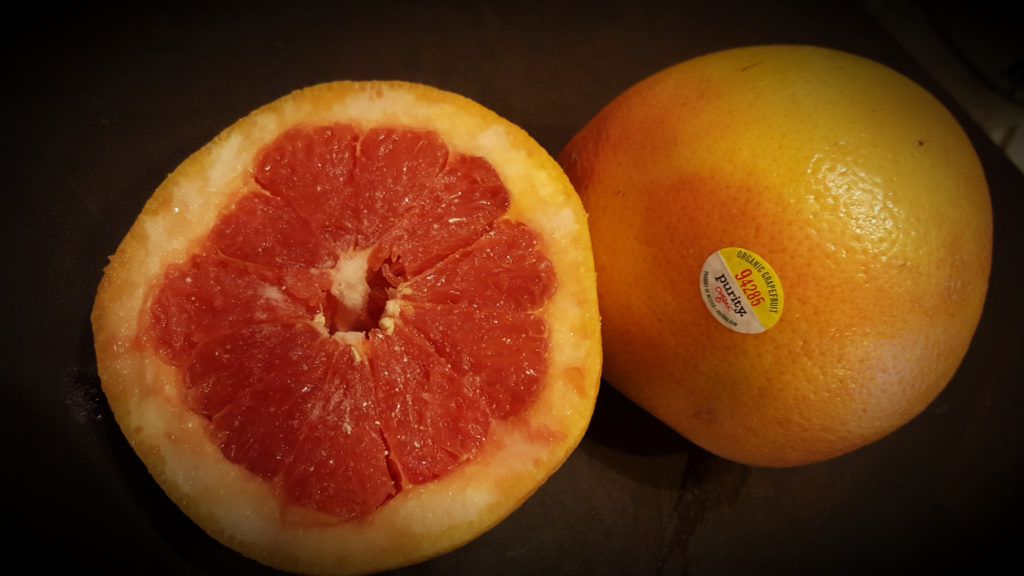
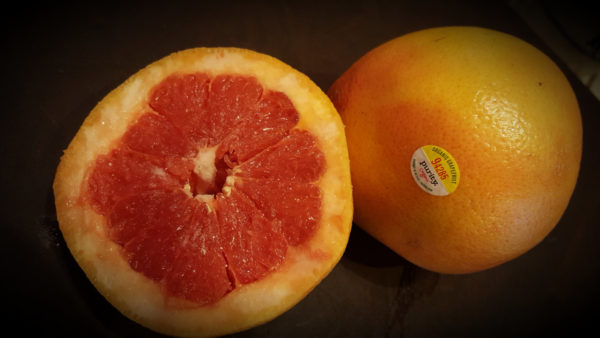
One of my most favorite things about wintertime is grapefruit! I was prepping my breakfast this morning and I felt a surge of gratitude that I could eat something that I loved so much. I know…. it probably sounds weird.  But way back when…. about 20 years ago, grapefruit suddenly landed on my ‘no no’ food list. That list became a very significant part of my life for about 12 years.

I think I was 33 when I started having peeing problems (sorry if that’s TMI!… just being real here). I simply felt like I had to pee all. the. time…… but especially at night. There were nights I probably got up 8-9 times to go to the bathroom. Doctors ruled out infection and said I simply had an overactive bladder. How does this even happen? I mean, how does one simply ‘acquire’ an overactive bladder? I wasn’t that old…. and had never had any children (both risk factors). We tried a few medications to limit the frequent trips. Pharmaceutical fail. The side effects of dry eyes, dry mouth, blurred vision, and dizziness and drowsiness were not a good trade off for the minor decrease in the number of trips to the bathroom at night. Just when I was approaching my wit’s end, I went to another doctor who finally gave me a definitive diagnosis: Interstitial Cystitis.

If you’ve never heard of IC, here is a short clip from the TV talk show, Drs as a way of explanation:  https://www.youtube.com/watch?v=3mzAQgQaauM

IC is a beast. I was relatively fortunate…. and only had the urge to pee with ungodly frequency. Many other women have IC much worse, and the urge is accompanied by pain. The medications used are modestly effective at best, and have an impressive list of side effects. Daily self catheterization, surgical procedures, and even cystectomy (bladder removal) are also treatment plan options. My doctor was ahead of her time 2 decades ago. She recommended that I start a very restrictive diet as a means of helping control the urge to pee. I literally began the diet with a menu that consisted of 4 foods…… slowly adding one food at a time back into my life. Looking back, I realize that as awful as this diagnosis may sound, it was thru this that I was given the gift of culinary discernment and the ability to read even minute clues within my body based on how my bladder reacted to what I had eaten earlier in the day.

Here’s a sampling of my crazy ‘no no’ list: most citrus (except blood oranges, which are lower in acid and seemed to be okay for me), pineapple fresh or canned (but it’s ok to eat pineapple if I am actually in the country of origin), onions, peanut butter that had hydrogenated oils (natural was ok), food with dyes, fried foods, spicy food, tomatoes (unless they were yellow… also lower in acid), coffee, many over the counter medications…. the list went on….. but the biggie: processed foods. Those were like a lightning bolt to my bladder.

I learned that getting dehydrated definitely made things worse (and so I became a dedicated water drinker…. another blessing in disguise). I also learned that stress made an awful companion to a temperamental bladder, and have learned ways to mitigate stress. It was many years later that I actually learned I had inadvertently joined the ranks of 1 in 5 adults….. I had an autoimmune disorder.

I talk about this from time to time with people. Our bodies are like buckets and toxins drip slowly into that bucket on a daily basis from the moment we wake up til the time our head hits the pillow at night. And then, if you are an air freshener girl or guy (like I was), you’re lucky enough to be adding those toxins to your body even while you sleep. (Throw those plug-ins away and get yourself a diffuser and some toxin free oils… I promise you, your home and office space will smell awesome, AND you’ll be deriving therapeutic benefits instead of being slowly poisoned to death).  Once that toxin bucket is filled and begins overflowing, well that’s when the trouble really starts…. and you get diagnosed with something fun like IC, or a host of other autoimmune disorders. Which autoimmune disorder you get usually depends on which part of your body is the weakest. In my case, it was my bladder.

My diagnosis of IC set my future in motion in ways I’m ever grateful for. IC became my dietary enforcer. I mean, who wants to eat something that will make them pee every 30 minutes ad infinitum? I also came to realize that being surrounded by chemicals (even basic skin care products) didn’t help the situation at all, so we began switching to nontoxic alternatives. My toxin bucket was clearly full and overflowing given the evidence my bladder had coughed up. It was a slow process…. this detoxing our lives….. and I’m not going to lie….it’s still an ongoing process. We are picky about where we eat (is the food freshly prepared, and preferably organic?), and we are picky about what we are willing to expose ourselves to. Do I fail? Oh yes. I’m not anywhere near perfect. I still have a hard time resisting Reeses Peanut Butter Cups (the peanut butter in them are of the devil as far as my bladder is concerned). But falling off the wagon will nearly always guarantee me the need to pee often and with urgency…so it’s usually not worth it.

I’m not saying it will work for everyone with an autoimmune disorder, but think about this…… If one in five of us are so sensitive to toxins that our bodies begin revolting in whatever unique manner it chooses to…….. why in the world wouldn’t you want to minimize the exposure to those toxins simply so that your life would be less complicated, less painful, and even less embarrassing? (I’ve had some truly embarrassing moments. Trust me.)

Fast forward to 3 years ago. The cleaner my personal environment got, and the more balanced my body became with essential nutrients,  the calmer my bladder became. Just like a pesky sibling, I know exactly how to rile my bladder up and can do it in a New York minute, but why would I? Most of the time, when I do suffer with IC these days, it’s because I did something stupid. I got dehydrated. I got careless with food. I allowed myself to become stressed out.

Today, my bladder is a fairly normal organ. Yes, I still have IC and I probably always will. But I have healed considerably. I still have a ‘no no’ list of foods that will set my bladder off, but take a look at it now: processed foods (anything with a chemical component) and coffee. My bladder….. sensitive little creature that it is, can usually even tell the difference between what is organic and what is not. And really…. you gotta respect that in an organ :).

Grapefruit…. it’s what’s for breakfast! I am grateful indeed.

​Hugs and love~ Liz

(Some of) The Science Behind Essential Oils

Liz James · October 30, 2017 ·

The inner science nerd comes out in me on a fairly regular basis. While I am most at home on our farm, I have said for decades that I could have been a professional full time student (if finances were no object). I think that is one of the things that initially drew me to pharmacy…. there isn’t a day that goes by that I don’t learn something new at work.  It is also one of the things I find so attractive about health and wellness in general. Every pebble you turn over reveals a boulder of information just waiting to be learned and absorbed. If you are a life science junkie (like me), you can lose yourself for hours (if not days) reading studies in Pubmed.gov. Finding this website several years ago was the game changer and light bulb moment for me. It was almost as if I had tumbled down a rabbit hole like Alice,  and discovered a whole world that I had vaguely heard about  but assumed must be inferior to ‘what I knew‘ from pharmacy school.

​Big Pharma subsidizes the education of health professionals in the United States. They take the little fledgling professionals and give them their kool-aid and pat their egos. Well done young Dr/ Pharmacist/ Nurse/ ___________ (fill in the blank). Even today, when I read pharmacy continuing education courses on Natural Medicine, I can barely bear to read them. (Again, subsidized). I can earn 1-2 CE credit hours to learn that alternative medicine really is ‘minimally effective’ at best and/or ‘sham medicine’ at worst. It took me about 15 years post pharmacy school to deprogram my mind and begin thinking for myself. Now, with every new drug or new class of drugs, I listen to what Big Pharma says, and then I dig a little deeper to find the whole truth… not the sugar coated version. Ever wonder why those advertisements speak nice and slowly about the unicorns and puppies the drugs promise, and then speak auctioneer fast (or use 4pt font) to reveal some (but definitely not all) of the possible side effects? Me too.

After I quit drinking the kool-aid (now realizing that said kool-aid is full of high fructose corn syrup and red dye #3), and came to my senses, I simply can’t get enough of what alternative health options has to offer. Yes, there is and always will be a time and a place for modern medicine….. but there is also a time and a place for alternative health options. It behooves us all to be open to both.

If you venture in to Pubmed.gov and begin researching, take note of how many studies revealing the benefits of alternative therapies come from outside the United States. University scholars and scientists from all over the world are digging deeply into holistic care and coming up with astounding truths (with far far far fewer side effects than their pharmaceutical counterparts). The United States is slow on the uptake here. Why? Big Pharma doesn’t benefit from holistic care. Repair and restoration does not always have to come with a pharmaceutical pricetag or health consequence. Frequently, repair and restoration comes in the form of self care and simply understanding how we tick and why we do what we do or our bodies do what they do. Learning how to support our bodies instead of propping them up with pharmaceuticals. It’s a learning curve for sure… and the first step is to look at who is offering up those kool-aid cocktails.

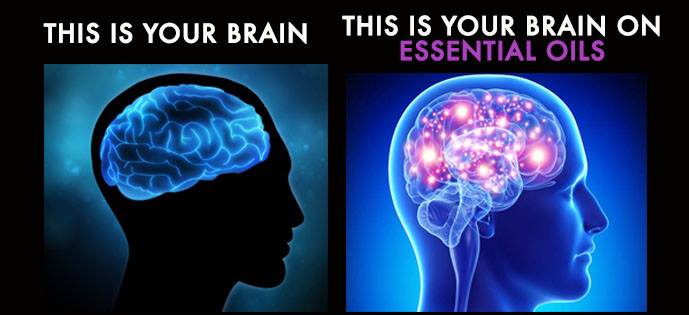
Which brings me back to the original topic of this post. Elizabeth Erickson is a neuroscientist with a focus on applied cognition. Our brains can be our best friend, but they can also be our worst enemy.  Tonight (Monday, Oct 30th), Elizabeth will discuss some very basic concepts for you to wrap your mind around. This is a free event, and even if you cannot attend the live class due to a scheduling conflict, I’d encourage you to make some time to watch it in the 24 hours it will be available for viewing. Come with an open mind and be prepared to learn. I will be there too…. learning and gleaning… one of my favorite things to do!

FARFA

Liz James · October 9, 2017 ·

I hardly know where to begin. I am so far behind on all the wildly magical things going on in our life that this Summer has somehow morphed into Fall. I can hardly recall a year that has gone so quickly in my adult life.

I’ve always said I could be a professional student if only I was independently wealthy. Well, We’re still not independently wealthy, but we have somehow begun building a life that is allowing me to explore my passions and get paid. I pinch myself occasionally. Is this really me, getting to do this?

Pharmacy has been good to me ya’ll, but it’s no walk in the park. There is a reason it’s listed among the Top 10 Professions most likely to commit suicide. It’s a high stress job with long hours and demands 100% perfection. No surprise that the burnout rate is also remarkable. I am tremendously blessed with a husband who enjoys his job and has encouraged me to pursue what pulls at my heart.  It is a gift he has given me this year… and a timely one at that!

At the end of September, I was fortunate enough to attend The 2017 Farm & Food Leadership Conference. Blessedly, this national event was held in nearby McKinney, Texas.

FARFA…. Farm & Ranch Freedom Alliance is a national organization supporting independent family farmers. It works to protect a healthy and productive food supply for American consumers.  FARFA is an advocate for independent farmers, ranchers, livestock owners, and homesteaders, as well as the consumers who support them.

Ya’ll, you’d hardly think this organization would be necessary. We all need food and farmers. Shouldn’t it be easy to farm enough nutritious food to feed our huddled masses? Let these statistics sink in:
*The average age of a farmer in the United States is 65 (in Texas it’s 58)
*Soil depletion (of minerals) and hybridization of seeds has decreased the nutritional value of commercial fruits and vegetables by 50-70%.
*The GDP spent on healthcare used to be 2.5%. It is now a whopping 18%, due largely to quality of food.
*Farmers too rank in the Top 10 Professions most likely to commit suicide.
*Non-sustainable farming practices expose farmers and farm families to a tremendous amount of chemicals including (but not limited to) pesticides, herbicides and fungicides. Farmers have an elevated risk of developing non-Hodgkin lymphoma, leukemia, multiple myeloma and soft tissue sarcoma. They also have higher rates of brain cancer, stomach cancer, prostate cancer, skin cancer, Parkinson’s Disease, and various Auto Immune Disorders.

This AMAZING Conference covered so many facets of Farm to Table Education. There were so many education opportunities, but not nearly enough time to attend each session. I settled on those that pertained directly to our farm and the direction we are headed.
*Q&A Session on Cooperatives
*Growing sustainable grains (not surprisingly, Einkorn Wheat was a large part of this discussion… one of the reasons Young Living remains committed to producing healthy grain options for its members)
*Activating your Microbiota for Health (So excited to see this topic offered at a farm conference!!) This is truly one of the most important things we can do to be healthy, and it is the reason I offer monthly Gut Health Classes .
*Opportunities for Military Veterans and Young Farmers. Did you know that there are really some amazing opportunities offered to those who want to farm but have no idea how or where to start? There are even opportunities (in the form of grants, education, low interest loans, and equipment for disabled farmers) available thru various programs. Healing (both emotional and physical) occurs when you connect with the earth. This is not some new age mumbo jumbo…. this is real scientific fact.
*Fermentation techniques taught by the incredible Nancy Falster of Falster Farms. Gut health again!!! I LOVE IT! Fermented foods were incorporated into the food supply for thousands of years in every single culture. Modern culture had nearly eliminated it, to the detriment of our gut health… I hope it’s making a comeback!
*Alternative revenue streams for small farmers. This falls right into our vision for our farm. It’s too early to reveal what is in my heart, but this topic was so interesting and helpful. City folk are simply craving connection with their food and with nature. I can’t tell you the number of times we’ve had people come thru our gates and tell us they experience a type of peace (on our farm) they don’t normally feel in their day to day lives.
*Sustainable home gardening. I felt like we are ahead of the curveball on this topic. We are the king and queen of composting, and are figuring out what works for organic pest control around here.
*20 other topics ranging from Legislative policy to Home Brewing and Distilling.


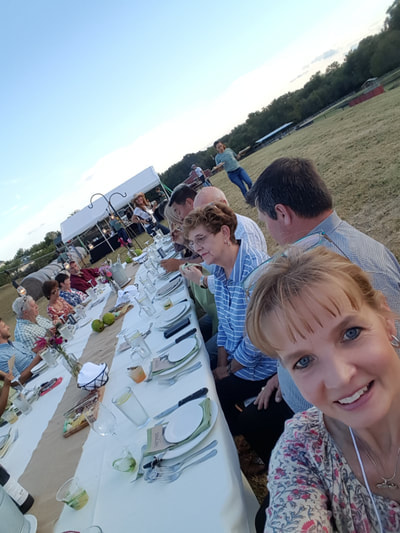
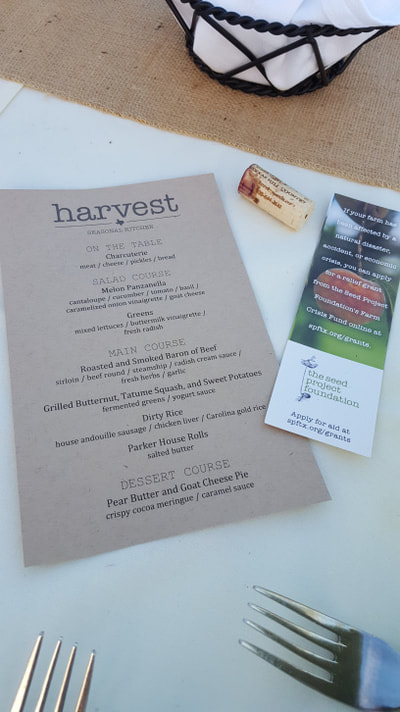
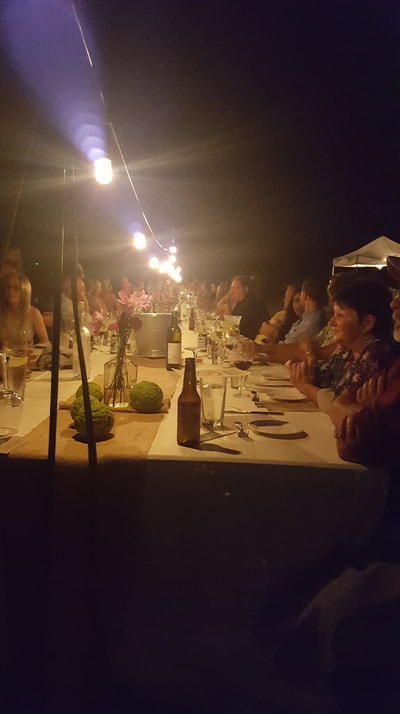
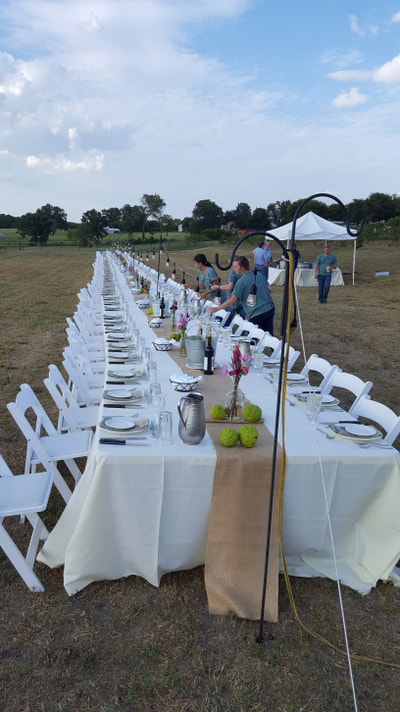
I almost forgot… the most amazing Farm to Table dinner too. This was our first, but it won’t be our last. Dinner for about 150 people at Pure Land Organic Farm , catered by the incredible sustainably (and locally) sourced ingredient restaurant in McKinney: Harvest.

Connecting people with a common bond. Farmers, Ranchers, Nutritionists, Chefs, Sociologists and Anthropologists, Beekeepers, Backyard gardeners with a vision, Inner City gardeners with a plan for their community.  This event paid no heed to political affiliation, ethnicity, age, or religious beliefs. Our goal is the same. To learn. To provide sustainable nutritious food for the body, mind, and soul to all walks of life.  Breaking bread together never tasted so good.


Carrier Oils…Essential Oils..What’s the Difference?

Liz James · September 13, 2017 ·

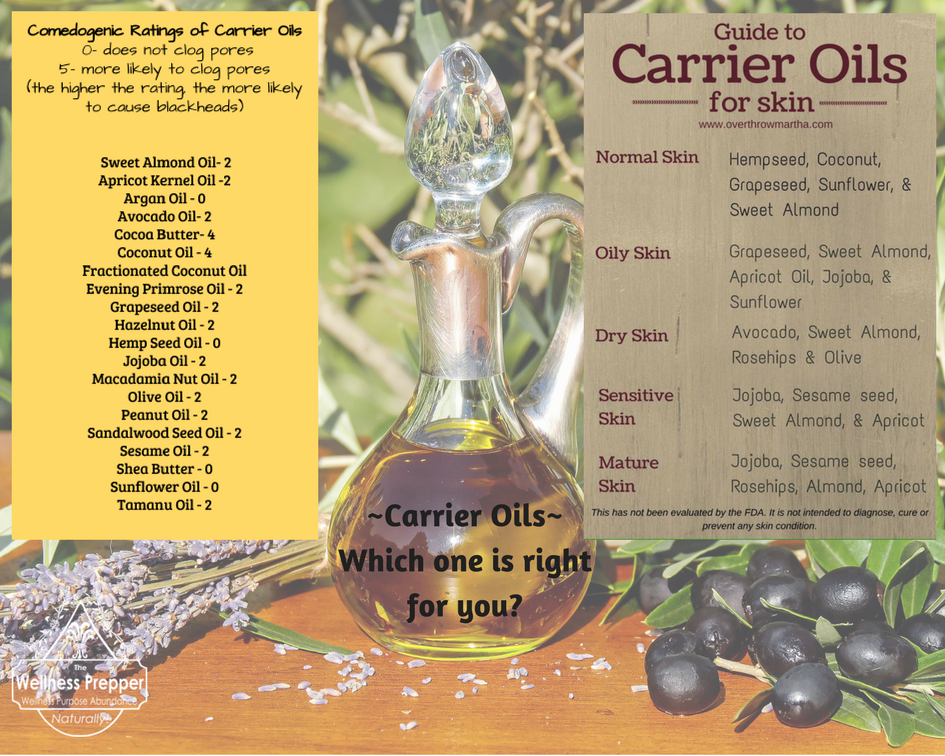
I really never gave too much thought about carrier oils until recently. My standby has always been fractionated coconut oil. Coconut oil can be great for certain skin types, and I’ve just never felt the need to venture beyond FCO….. until recently. Oh sure, I’ve dabbled here and there…. stepping out on my old friend, but always coming back home to my tried and true love. I was well aware of carrier oils for skin types (see above), but did you know that…. just like essential oils…. carrier oils have attributes that support and affect body systems beyond the integumentary system/skin?

Y’all know the difference, right? A carrier oil is a fatty oil base. They can go rancid over time and although they may have some health benefits, carrier oils generally don’t hold a candle to those benefits seen with Essential Oils. Essential oils, on the other hand, are not fat based…. nor do they feel oily. With the exception of the cold pressed citrus oils, they have an incredibly long shelf life (provided they are cared for properly). Essential oils can be diluted with carrier oils without affecting their effects on our body. 

Young Living Essential Oils help support virtually every single body system. We typically choose which oils we are going to diffuse, apply, or ingest according to the body system we wish to support. We may or may not use a carrier oil along with our oils depending on personal choice. Regardless of which carrier oil you choose to use, begin with these tenants:

  1. Use organic whenever possible.
  2. Never use mineral oil or petrolatum or petroleum jelly as a carrier. They clog pores and are toxins themselves (made from petroleum). Additionally, they prevent toxins within us from escaping, and will prevent essential oils from being absorbed into the skin.
  3. Be very wary of using a cosmetic or commercial skin care product as a carrier for your essential oils. Rashes and adverse reactions have occurred when combining the two. Remember, nearly all mainstream skin care products contain toxins themselves, and the mixture of both good (essential oils) and bad (that skin care product) may not end well.

However, there are some distinct benefits to using carrier oils with your essential oils:
​

  • Hot oils (ex: Thieves, Lemongrass, Cinnamon Bark) can feel just that…. HOT….. if applied undiluted.
  • Diluting your oils with a carrier oil definitely gives you more bang for your buck. We should ALL be frugal oilers… a little goes a long way, and our oils are a precious commodity.
  • Adding a carrier oil to your essential oil can, in effect, create an ‘extended release’ component to your essential oil. Most of our essential oils are volatile. This means that they are released into the air fairly rapidly. What is not absorbed into the skin becomes airborne. The addition of a carrier oil to your essential oil will increase both the amount of oil that is absorbed into your skin AND the duration that the absorption takes place. This is a good thing!
  • Many carrier oils can act synergistically with essential oils. Whoa. Really?

Yep. Here are a few examples:

  • Coconut Oil – This oil is well known as the ‘go to’ for hair care and skin care when used topically, but did you also know that when ingested, this oil is also very supportive of the cardiovascular system, helps balance blood sugar, strengthens the immune system, and is helpful in dental care? For real!
  • Jojoba Oil-   This is an ‘external use’ only carrier oil that most closely resembles human sebum (the waxy substance produced by glands in our skin) making it one of the best moisturizing carrier oils available.  It comes from the seeds of the Jojoba tree. Jojoba oil is also known for its antifungal properties, making it exceptionally well paired with Tea Tree oil.  It can be used as a natural makeup remover or as a moisturizer for cracked feet and hands.
  • Sweet Almond Oil- Really, any of the tree nut oils (Walnut, Almond, Pecan, etc) make amazing oil and vinegar salad dressing bases (especially when paired with lemon, basil, marjoram, oregano, and thyme oils), but you can use this oil topically too! It has been found to be helpful in repairing damage to collagen within the skin. When ingested, it may help limit inflammation and promote vascular health. Sweet Almond Oil also gets bonus points for being high in vitamins E and K.

If you are curious about a specific carrier oil, do a little research. You may get more than you bargained for (and I mean that in a really good way!).

Young Living has a complete line of carrier oils too, available in 8 oz bottles.  Each one is a synergistic blend of carrier oils and essential oils designed for a specific purpose. (You will want to read the ingredients closely if you happen to have a sensitivity to a particular oil.) 

  • V-6: a general all purpose topical oil blend containing Coconut, Sesame, Grape Seed, Sweet Almond, Sunflower, and Olive oils.
  • Ortho Ease–: a muscle and joint blend of carrier oils that also contain wintergreen, juniper, marjoram, eucalyptus radiata, and peppermint.
  • Ortho Sport:– a slightly more intense muscle and joint blend of carrier oils that also contain wintergreen, peppermint, thyme, eucalyptus globulous and oregano.
  • Cel-Lite:– a great firming and toning carrier oil blend that also incorporates the benefits of grapefruit, cedarwood, and juniper. I love to use this one on my thighs and hips when I get out of the shower!
  • Dragon Time: a carrier oil blend designed for balancing emotions (ie: calming your inner dragon!). This carrier oil is designed for women and also contains lavender, ylang ylang, jasmine, fennel and clary sage.
  • Relaxation–: if you are looking for a relaxing carrier oil blend, this is it. While it does contain lavender, spearmint, coriander, bergamot, and tangerine, feel free to add any additional oils if needed. This is a great blend to massage on little feet right before bedtime :).
  • Sensation: oooo la la! This carrier oil blend is created for romance and love. It can be applied anywhere…. (I will leave that up to your imagination). It does not disappoint. In addition to the base oils, this carrier oil blend also contains ylang ylang, bergamot, jasmine, and geranium.

Do any of these carrier oils tickle your fancy? Give one of them a try and let me know what you think.

If you are an oil carrying aficionado, I would encourage you to also keep a small bottle of carrier oil on hand to dilute in the unfortunate circumstance that you get an oil in your eye. Should that ever happen, don’t flush with water (it will only make it worse). Instead use a little carrier oil in the corner of your eye to immediately dilute the offending essential oil. If you failed to heed my advice and have no carrier oil on hand, simply use any fatty substance (butter, milk, or even a piece of bacon fat!) in place of the carrier oil. I hope you never need this piece of info, but if this has never happened to you, you’ve simply not used oils long enough!

Take care, and have a blessed September day!
Liz

  • « Go to Previous Page
  • Page 1
  • Interim pages omitted …
  • Page 33
  • Page 34
  • Page 35
  • Page 36
  • Page 37
  • Interim pages omitted …
  • Page 41
  • Go to Next Page »

Book Your Health Coaching CallBook Now

Elizabeth James

469.425.9091

ebj0203@gmail.com