
• Skip to primary navigation
  • Skip to main content
Book Your Health Coaching Call
Good Medicine

Good Medicine

Holistic Health Coaching

  • Home
  • Liz James
    • About Liz
    • Coaching
    • Book a 20 Minute Complimentary Coaching Call
  • Favorite Resources
    • BlessedByHisBlood
    • Young Living
    • Fast Like A Girl Certified Coach
    • Order supplements through my Fullscript store
    • Green Pasture (Coupon: Health10)
    • RogersHood Apothecary (Coupon: BEABLESSING for 10% off)
    • DolphinMPS
    • Company
    • Abundance
  • My Books
    • Becoming Your Own Health Detective Volume 1
    • Becoming Your Own Health Detective Volume 2
  • Blog
  • Cart

Medications

Ivermectin Safety- Tennessee

Liz James · December 27, 2022 ·

While traveling to teach in Ohio earlier this month, I had a long stop in Tennessee to attend the Rogue Food Conference ( https://roguefoodconference.com/ ). While there, I met and talked to Tennessee State Senator Frank Nicely                                    https://www.facebook.com/SenatorFrankNiceley/ . He is one of us 🙏❤️🇺🇸….. and thankfully working to keep medical freedom for Tennesseeans. He introduced a bill to allow over the counter sales of Ivermectin (ie: available in human form without a prescription) to the good people (or those who travel there) of Tennessee.
 
I’m not a fan of most medication, but this one is one loaded with merit, and worthy of keeping on hand in case it’s needed.
Is it safe?🤔 Let’s look at some data-
 
Epoch times article on Ivermectin Safety
 
Here are the cliff notes version:
1. A study of 63 other studies of ivermectin vs C-19 in humans showed 100% positive results.
2. The 63 studies were from every continent except Antarctica (ie: worldwide data sample)
3. The combined analysis of the 63 studies showed a 69% improvement when Ivermectin was used as early treatment, and an 86% efficacy when used prophylactically.
4. 31 African countries close to the equator have had relatively few issues with the ‘rona. Perhaps this is because they use ivermectin on the regular to prevent a parasite that causes river blindness. 🧐🤓
5. Ivermectin, is considered one of the safest of all medications available and there are no known serious drug-related adverse effects.
 
This is a good one to keep on hand friends. And if you are passing thru Tennessee, find a pharmacy… it’s reasonably priced…. mention Senate Bill 2188 if needed. (here’s a link to the the bill: https://wapp.capitol.tn.gov/apps/BillInfo/Default.aspx… )
xoxo~ liz
 
 
#caringissharing
#beingpreparedisgoodmedicine
#BYOHD


America’s Diabetes Crisis: How to Detect and Prevent Type II Diabetes

Liz James · September 28, 2022 ·

There are times it’s not good to be Number One. This is one of those times. The United States is recognized as being among the nations with the best medical technology and the newest and best drugs. We spend more per person on healthcare than any nation in the entire world, so we should be among the healthiest, right? Yet, for all that we have, the USA has the worst health outcomes. We are #1 in diabetes, #2 in neurodegenerative diseases, #5 in cancer, and #6 in cardiovascular disease (source: Organisation for Economic Co-operation and Development).

Understanding Type II Diabetes Risk Factors

An estimated 1 in 3 American adults have prediabetes or metabolic syndrome (both are precursors to Type II diabetes). It’s a common but flawed thought that Type II diabetes only affects “fluffy” people. It doesn’t. There is a relatively new medical acronym called TOFI, which means “Thin on the Outside, Fat on the Inside,” and TOFI individuals can be just as much at risk as their fluffy counterparts. Lifestyle choices will always be the first line of defense to avoid acquiring a Type II diabetes diagnosis (or succeeding in backwalking out of one).

An astute detective will need some internal monitoring tools to more closely assess clues. Health thieves can be very stealth, and this is a reliable way to monitor gang movement before they leave visible gang “tags” (clues). Forewarned is forearmed! Think of this as another tangible aspect of your body’s security monitoring system.

Essential Tools for Monitoring Diabetes Risk

Here’s what you’ll need:

  • An at-home blood pressure cuff (every home should have one anyway!)
  • Know your waist circumference (measure at just above the hip bone, level with the belly button)
  • Know your family history. Remember that though genetics are important, they play less than a 10% role in outcome. Environment, lifestyle choices, and emotional tendencies control the other 90%. It’s important to know family history so that we can each be vigilant for what we suspect may be lurking in the shadows…. Knowing the health thief tendency (genetics) may be awaiting the right opportunity to steal, kill and destroy. I find a great deal of peace knowing that 90% of gene expression is fully under my own control!

Key Blood Tests for Diabetes Prevention

Get labwork annually which (at the very least) includes the following pieces of information:

  • Complete metabolic panel (CMP)
  • A basic lipid panel
  • Uric Acid and Homocysteine
  • Fasting insulin, fasting glucose, and HbA1c

The combined total of these tests will run about $250 well spent dollars out of pocket. If you have insurance, these are the tests to ask your doctor for when looking for a metabolic syndrome or prediabetes health thief.

NOTE: There is more labwork I’d suggest for a comprehensive look at the body from the inside out…. The above recommendation is specific for monitoring both prediabetes and metabolic syndrome.

Warning Signs of Metabolic Syndrome and Prediabetes

Signs of metabolic syndrome and prediabetes nearly always predate diabetic symptoms. Once you have your lab work, and have gathered your other tools, you’re ready to take a hard look at the state of the union of your body. Signs of metabolic dysfunction show up in the following ways:

  • Evidence of fatty liver
  • High blood pressure
  • High uric acid and homocysteine levels
  • High lipids in blood
  • High fasting insulin, HbA1c, and blood glucose

Understanding Your Blood Pressure Readings

Monitor your blood pressure. For a week, take it before you go to bed, and again before you get out of bed in the morning. If nighttime and morning blood pressure is higher than it should be, cut out all forms of sugar for a week, and retest. Sugar is highly inflammatory and often drives blood pressure upwards. Normal blood pressure runs 90-120 systolic (top number) and 60-80 diastolic (bottom number). High blood pressure is a symptom, not a root cause!

Waist Circumference and Diabetes Risk

An increased waist circumference (males should be under 40 inches and females should be under 35) is suggestive of inflammation, probable leaky gut, mitochondrial dysfunction, and insulin resistance.

Inflammation Markers to Watch

Uric acid and homocysteine are inflammatory markers. Levels are elevated if uric acid is over 5.5 mg/ml and homocysteine is over 10 umol/L. High uric acid levels lead to a fatty liver. Sugar is a big contributor to this. High homocysteine levels indicate an increased risk for developing heart disease and vascular inflammation. Methylated B12 and methylated folate, omega 3’s (OmegaGize3 is a great option), and optimized use of Vit D3 are all helpful tools in supporting healthy homocysteine levels.

Liver Health and Diabetes

Within your CMP, you’ll look for two numbers corresponding to AST and ALT. ALT is a liver enzyme which is fairly accurate for assessing fatty liver. If that number is over 25, more investigation is needed. AST is another liver enzyme. If it’s elevated (over 34) it may also indicate fatty liver (it also elevates when exposed to too much acetaminophen, alcohol, certain meds such as statins, and infection….. So do take that into consideration). If both are elevated, it’s definitely time to take a hard look at sugar and alcohol consumption.

Understanding Blood Sugar Metrics

Fasting glucose by itself is not enough, and sadly it’s often the only thing that is tested routinely. HbA1c is a window into the last 3 months of glucose control within the body. Fasting insulin indicates how well the pancreas is actually able to keep up. Optimally, fasting glucose should be 70-85 mg/dL, HbA1c should be less than 5.4%, and fasting insulin should be less than 6 uIU/mL.

Once you have those numbers, you’ll plug them into this equation: fasting glucose x fasting insulin divided by 405. Your answer to this equation is your assessed risk for developing diabetes. Less than 2.8 is excellent, 4.3 is average, and anything higher is a flag that mayhem is likely already occurring.

Cholesterol Indicators of Metabolic Health

When you are looking at your lipid panel, zero in on 3 different clues:

  1. The ratio of triglycerides to HDL. Studies have found that if this number is over 2.5 in the Caucasian population or 1.5 in the African American population, it tends to correlate with metabolic syndrome.
  2. HDL, the type of cholesterol that is considered “healthy” cholesterol. If it’s between 60-85, it’s generally a sign of good cardiovascular health. If the number is under 40 in men or under 50 for women, there is a greater chance of developing heart disease (a component of both metabolic syndrome and cohort of Type II diabetes). If the number is over 85, there’s a distinct possibility that HDL has a dysfunctional component.
  3. LDL cholesterol. If it’s between 100 and 300, look at your triglycerides. “If triglycerides are over 150, metabolic syndrome may be assumed until proven otherwise.” (Those wise words are from Dr. Robert Lustig MD and his brilliant book Metabolical)

15 Natural Ways to Prevent Type II Diabetes

Isn’t it prudent to avoid dark alleys and always lock your car? The same can be said for paying attention to these health clues. If the numbers above look like a dark avenue you’re not wanting to go down, here are some tips and tricks for avoiding shady areas!

  1. Cut back on carbs and sugar. Eat a low sugar high fiber diet. If you are not getting enough fiber in your diet, add YL’s ICP Daily, Balance Complete, or Power Meal to your nutrition world. Fiber helps regulate blood sugar levels by slowing down the release of glucose into the bloodstream.
  2. Avoid high fructose corn syrup like it’s the plague….. Because it is! It is a strong inducer of insulin resistance. When you start reading labels, you’ll be surprised at how many places it hides in plain sight.
  3. Avoid energy drinks that combine caffeine with fructose. That combination can aggravate insulin resistance and glucose intolerance. Use NingXia Nitro for a cleaner energy boost option. Try pairing Nitro with diffusing or wearing the essential oil blend En-R-Gee.
  4. Exercise regularly! Many studies have shown that weight loss and exercise can increase the body’s sensitivity to insulin.
  5. Improve your diet. A person will never be able to out run, out supplement, or out medicate a bad diet!
  6. Consider intermittent fasting. (If you are already on medication for diabetes treatment, you’ll want to talk to your holistically minded health professional before incorporating intermittent fasting into your routine). At the very least, stop eating 3-4 hours before your head hits the pillow at night.
  7. Know your labs, and don’t be afraid to ask for them by name!
  8. Watch your commercial dairy intake. There is a big difference between commercial pasteurized and homogenized dairy and raw dairy. The former is well known for the amount of inflammation it can cause within the body.
  9. Work towards decreasing inflammation within the body. Sulfurzyme not only helps support normal metabolic function within the body, it also helps regulate a more normal inflammatory response. It is one of my top five Young Living Supplements that I cannot imagine life without.
  10. Take an excellent highly bioavailable multivitamin such as Master Formula. Not all vitamins sold are bioavailable to the body.
  11. Incorporate insulin-modulating foods into your diet. Cinnamon, oat bran, fiber, ginger, barley grass (found in Multigreens), spirulina (found in Multigreens and NingXia Greens), chaga mushrooms, rosemary, green tea, cranberries, blueberries, lemon balm (Melissa), holy basil (tulsi), carrots, broccoli, asparagus, cauliflower, cucumbers, cabbage and salad greens. Healthy whole grain foods such as YL Einkorn products, quinoa, whole oats or oatmeal, and brown rice are also helpful, as are avocados, olive oil, and nuts and seeds. Cacao (natural chocolate) may also help regulate blood sugar levels according to a 2017 study.
  12. Try regular cold exposure which appears to help improve insulin sensitivity. Interestingly, Type II diabetes is positively associated with living in ambient temperature climates. Get your health care professional’s blessing if you have a medical condition (ex: high blood pressure or heart disease) that is being actively treated before partaking in cold showers, cold plunging, or cryotherapy.
  13. Monitor your iron and ferritin lab values: According to a few studies, it would appear that iron levels that are too high have been positively associated with insulin resistance.
  14. Consider adding turmeric to your routine. It has been found to be a helpful supplement to those who are taking the medication Metformin, and has supportive effects on blood glucose, oxidative stress and inflammation. (YL’s Golden Turmeric is my go to for a turmeric supplement!)
  15. Take key supplements including:
  • Vitamin B12 in the form of methylcobalamin to support healthy homocysteine levels
  • Antioxidants (NingXia Red and Super C) – A 2007 study in the Journal of Hypertension found that people who took adequate levels of Vitamin C had a 13% lower risk of developing diabetes
  • Magnesium – Approximately 75-80% of US residents are deficient in magnesium. A deficiency in magnesium sets the body up for both insulin resistance and gout (the official diagnosis for the painful symptoms of high uric acid levels in the body)

Additional Lifestyle Tips for Diabetes Prevention

  • Avoid toxins in daily living, especially atrazine (an herbicide commonly used on corn) and pesticides in general. Eat organically to avoid these.
  • Improve your sleep habits. Give up the night owl tendencies. Research has found that those who stay up late have a reduced ability to use fat for energy. When fat isn’t used appropriately in the body, it becomes fodder for health thieves. Work towards being in bed by 10pm.

There is so much more to prediabetes, Type II diabetes, and metabolic syndrome…..more than I could possibly write here. Hopefully though, I’ve given you food for thought and a desire to learn more. If so, do some digging and think outside the box! The more you know, the more health empowered you’ll be. We have full control of this part of our health story. How will you choose to write yours?

xoxo~ liz

blog about history of diabetes

#DiabetesPrevention #MetabolicHealth #PreventType2Diabetes #NaturalHealthTips #becomingyourownhealthdetective #BYOHD #thebestdefenseisagoodoffense #theapplicationofknowledgeisgoodmedicine #goodmedicine

Can Type 2 Diabetes Be Reversed? A Pharmacist Explains the Root Cause and Hidden Medication Risks

Liz James · September 13, 2022 ·

The Southern Side of the Endocrine System: Pancreas Part II – A front porch chat about Type II Diabetes medications
One of the most frustrating (recurring) experiences in my pharmacy🧑‍⚕️ career is watching the slow motion “arson”🔥 crime scene that is Type II Diabetes, and not being able to carve out the time (within the crazy busy demands of a pharmacist’s job) to properly educate those who desired a way out. I loved my pharmacy clients, and it’s never pleasant watching the decline of someone you care about, especially when the decline was, in most cases, 100% preventable.
 
Here are a few facts to chew on:
  • Type II Diabetes is a lifestyle disease, yet many (dare I say most) clients did not alter their eating habits or increase exercise in an effort to change the outcome of their diagnosis. Perhaps they just didn’t know…. or didn’t care. Either way, the evidence was in their grocery shopping carts🥞🍟🍪 as they picked up their prescriptions! Diabetic medications tend to give a false sense of security…. “If I just take my medication, I can still eat what I want.” It doesn’t work that way! …. While blood glucose may appear to stay marginally managed, insulin producing pancreatic cells continue to die off and free radicals are produced at a crazy rate causing even more inflammation…. THE VERY THING THAT ADDS GASOLINE TO THE DIABETES FIRE🔥 AND DESTRUCTION within the body.
  • Type II Diabetes is a multibillion dollar industry💰 with the clear winners being Big Pharma and the Medical Industrial Complex….NOT the patient (despite this being a completely overcomeable disorder) . Type II diabetes is a $237 BILLION (and rising!) annual jackpot to these entities. Thinking about it a little differently…… it would be a huge loss financially to the industry if people actually recovered from their unwell ways and became healthy again.
  • Once someone gets started on the slippery slope of Type II diabetic medication use, it’s often very difficult to find a prescriber who will spend the time to help their patient backwalk out of Type II diabetes. Many doctors now work for corporations, and like pharmacists who do the same, they have daily quotas to meet. That means dialogue is typically limited to just a few minutes before the next patient/client must be seen. I suspect it is a rare conversation that a doctor says…. “You can reverse this now with some effort. Would you like to know how?” At least that would give the patient the opportunity to make a choice to alter their trajectory in a positive way, instead of believing they were on an unstoppable path of disease with no way out.
  • The side effects of blood glucose lowering medications are responsible for over 100,000 ER visits in the US per year (not counting the other visits related to diabetes aggravated cardiovascular disease, high blood pressure, kidney damage, vision problems, gastroparesis, strokes, neuropathy, foot ulcers, dementia, hard to treat infections, and more).
  • It’s not uncommon to have a conversation with a Type II diabetic where I hear something that goes like this: “I can’t afford to eat healthy or use any supplements outside of what my insurance will pay for.” While this may be their belief, it’s certainly not true. People diagnosed with diabetes spend (on average) $16,752.00 per year OUT OF POCKET for medical expenses, which is much much higher than modifying diet and lifestyle habits! Besides, can you put an actual price tag on health? I will always maintain that where there is a will, there’s a way!
  • While all of the medications commonly used in Type II Diabetes are prone to side effects, a little known fact is that many of them actually make the health situation of a diabetic worse instead of better.
Did that last point startle you? Let me explain.
 
Type II diabetes is a completely different beast than Type I. Type I is only treatable with injected insulin, while Type II has many oral medications which are typically used as a first line of treatment. If lifestyle changes and diet are not addressed in the process, there is a high likelihood that the ultimate result will be destruction of the beta cells of the pancreas and insulin will eventually be added.
 
Unlike Type I diabetes, with Type II, the pancreatic beta cells ARE churning out insulin like crazy….. at least in the early years of Type II. The cells are just not able to recognize and utilize it because their sensitivity has been deadened by chronic and caustic glucose overload. Typically, there are many “early years” in the story of the average Type II diabetic. If the pancreatic cells haven’t burned themselves out yet, there is a significant opportunity for full recovery. (Labwork would reveal if this is the case…. more on that later.)
 
Medications such as Metformin, Glyburide, Glipizide, Glimepiride, Rosiglitazone and Pioglitazone all carry the ability for causing deficiencies of coQ10, folate, vitamin B12, and significant damage to the gut microbiome. You hopefully know by now, that if the gut ain’t happy, the rest of the body is in for a rocky ride.
When those deficiencies gain speed, brain fog, depression, neuropathy, muscle cramping, liver damage, digestive issues, yeast infections, fatigue, high blood pressure, and increased risk for cardiovascular disease start showing up for the (not so fun) party. Each one of these symptoms is at risk for being medicated unless your favorite health professional has the wherewithal to get you on supplements to mediate those deficiency risks.
 
Additionally, these medications don’t just magically change sugar into something friendlier to the body. They instead turn the excess sugar into fat, making it harder to lose weight, padding the liver with fat (fatty liver disease), and contributing to inflammation🔥 along the way.
 
What if insulin shots have already entered into the picture? I have met Type II diabetic patients who have been able to reverse their need for insulin with diet, exercise, and close supervision of a trusted health professional, so it is most assuredly doable unless countless years have already gone by and it is determined by your (willing to help) health professional that too much damage has been done. Long term lantus (probably one of the most commonly used insulins in use today) carries an increased risk of cancer, and it does not play well with pre-existing kidney or liver disease. That’s interesting, because someone with Type II diabetes who has “graduated” to insulin will have already developed fatty liver disease and compromised kidneys because of the sugar load. This is akin to giving an arsonist🔥 a book of matches😥.
 
Injectables Byetta and Victoza do help improve insulin sensitivity, but at the risk of thyroid cancer (Victoza), GI issues, dizziness, hair loss, weakness, drug induced pancreatitis, kidney damage, gastroparesis, serious infections, anemia, and weight gain. The literature on this class of drugs states that these medications are to be used as an adjunct to diet modification and exercise and with those two will come weight loss. Unfortunately, that often gets lost in translation, and people instead gain weight instead of losing weight as they mentally give the medication the responsibility of doing the work while lifestyle habits remain unchanged.
 
Drugs such as Januvia, Janumet, and Onglyza are used to drop HbA1c (a 3 month panoramic view of blood sugar levels) by 1-2% of the current HbA1c. For example, if you have a high HbA1c of 8, this would suggest that these medications may drop your HbA1c to 7.84…. A whopping total of 0.16 points. A concerted effort to change diet and exercise habits would drop that number much lower AND wouldn’t give the added “gift” of an increased risk of pancreatic and thyroid cancers, pancreatitis, generalized inflammation, skin reactions, runny nose or congestion, upset stomach, or dangerous lack of urine production.
 
In December 2008, well known New England Journal of Medicine published what is now known as the “ACCORD” study, which showed that the more aggressive the attempt to control Type II Diabetes pharmacologically, the greater the risk of death to the Type II patient.😬
 
Is it worth the risk to manage Type II diabetes simply by taking a pill instead of addressing the root cause? I am in no way implying that anyone should cold turkey stop taking their medication. Heavens no! Diabetic meds are very serious medications and you’ll want to have a chat with your prescribing professional about what your personal desires are.
 
This is a tough topic, and it makes me uncomfortable addressing it, because I know that it may make many of you uncomfortable too. We can’t dance around this topic though, because the truth is what we need in health and wellcare….and after all, there IS good news!
 
Not every disease and dysfunction has a relatively simple and inexpensive repair process like Type II diabetes does. Diet, exercise, adequate nutritional supplementation when deficiencies are identified, and partnering with a knowledgeable professional or two to help you along the way will improve both your quality and quantity of life! I can just about guarantee that.
Next up? Tips and tricks to both avoid and shed the Type II diagnosis🔧.
xoxo~ liz
 
#becomingyourownhealthdetective
#BYOHD
#goodfoodisgoodmedicine
#theapplicationofknowledgeisgoodmedicine
#goodmedicine

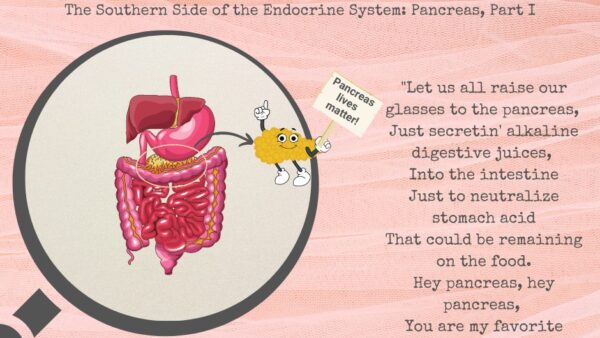
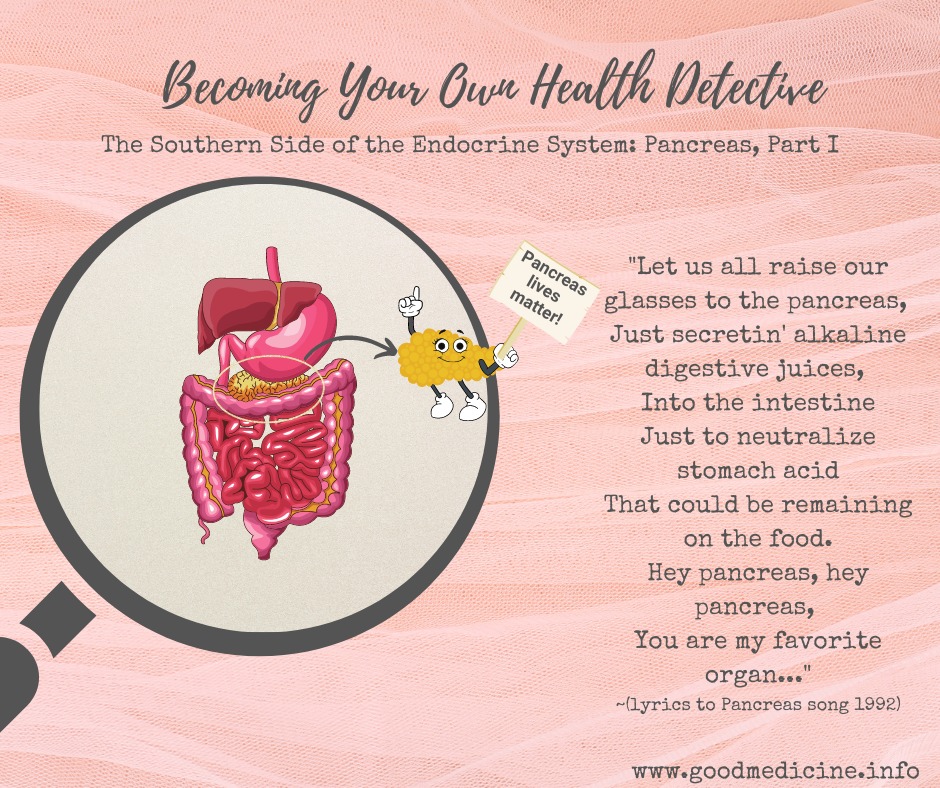
The Southern Side of the Endocrine System: Pancreas Part I

Liz James · August 24, 2022 ·

 
“The pancreas is my favorite organ.” Says no one (almost) ever. Seriously.
 
Unless someone has an existing pancreatic malady, this is one organ that gets very little attention. That’s a shame too… because with the exception of the rarer cases of genetics, infection, or blunt force trauma, nearly all pancreatic dysfunction is self induced. It’s time to bring this odd little organ out of its sandwiched space between the stomach and small intestine and figure out what makes it tick and tremble.
The pancreas has two main jobs: to produce chemicals which help regulate blood sugar, and to produce enzymes which help further digest food and bicarbonate which will further neutralize any stomach acid that has found its way into the small intestine. For being a rather underappreciated organ, if any of these tasks falls by the wayside, there are big consequences.
 
Pancreatitis (both chronic and acute) accounts for more than 360,000 hospital stays each year…. A number that continues to rise.😢
The lifetime risk of pancreatic cancer is currently 1 in 64 ….. A number that continues to rise.😢
The lifetime risk of acquiring diabetes is now roughly 1 in 3 adults….. And that number too has only continued to rise.😢
 
The problem is that the pancreas squeaks out tiny little “help me’s”, and few people take the time to learn and put clues together and then go on to correct the course of personal health history. True, the clues are not necessarily ones that will beat you over the head with a two by four, but they ARE there, nonetheless, and only you, the astute sleuth will likely see them or feel them.
 
Have you ever been out to eat with someone who won’t sit with their back to the door? Chances are, they have been well trained🧑‍✈️ to observe their environment so they won’t be taken off guard by an offender who has ill intent.
 
This is how we guard the pancreas… watching for environmental clues that endanger that little organ, and then blocking their entry into our personal space that we do have control over. None of us wants to be the 1 in 3, the 1 in 64, or the 1 in 100.
 
Environmental contributors to pancreatic distress include:
🔎Heavy alcohol consumption or diagnosis of cirrhosis
🔎A high fat, heavily processed food diet
🔎Obesity
🔎Tobacco products
🔎Abdominal surgery where the pancreas may have had interrupted blood supply
🔎Nutritional deficiencies including (especially) vitamins A, D, E, and K and selenium
🔎A history of infection such as hepatitis, Epstein-Barr Virus (Mononucleosis), Lyme disease, or Cytomegalovirus.
🔎A prior history of autoimmune disorder: especially celiac, irritable bowel disease, psoriasis, rheumatoid arthritis, lupus, or Sjogren’s Syndrome.
🔎A history of gallstones
🔎Lab work that reveals high triglycerides
🔎Abdominal trauma
🔎Damage to specific molars (those that are pertinent to pancreatic health and wellness… go back and re-read Chapter 7 in BYOHD Volume I)
🔎Long standing emotions and feelings closely associated with pancreatic distress including: guilt, shame, insecurities, frustration, joylessness, fear of rejection, and lowered self esteem.
🔎Many medications: More than 500 drugs have been reported by the World Health Organization database as causative agents for pancreatic distress. Common offenders include synthetic estrogens (birth control pills and hormone replacement therapy), opiates, steroids, many classes of antibiotics, diuretics furosemide and HCTZ, acetaminophen, and the blood pressure medication enalapril. The vaccinations formulated to prevent mumps (MMR and MMRV) have also been implicated in causing complications with the pancreas in some people.
Perhaps there hasn’t been a vigilant awareness until now, and the environmental offenders have already gotten through the door and gotten a little rowdy with the pancreas, and it’s been roughed up a bit. What would that look like?
When you have a handful of the following clues, you can be fairly certain they have been up to mischief that needs help or correcting.
🔎Diarrhea or bloating
🔎Unexplained weight loss
🔎Signs of malnutrition (lab work can identify this)
🔎Oily, foul smelling stools that are clay or pale in color and tend to float
🔎Poor blood sugar control
🔎Blurred vision
🔎Occasional abdominal pain that worsens after a high fat meal
🔎Occasional abdominal pain that may be worse if lying flat on the back
🔎Fatigue
🔎Chronically dry lips (according to Chinese medicine)
 
Do not hesitate to contact your favorite health professional if you’ve checked the majority of these clues or also have fever or unrelenting abdominal pain!
Thankfully, there are MANY things that may be done to support a healthy pancreas:
💜Eat a healthy varied diet rich in fruit and vegetables, white fish and meats, grass fed beef, foods high in iron, foods that are rich in antioxidants….. Cherries, blueberries, spinach, YL wolfberries, tomatoes, bell peppers, NingXia Red.
💜Incorporate digestive enzymes into your daily routine. (Amylase, lipase, and protease are commonly referred to as pancreatic enzymes, and are found in Essentialzymes-4, Detoxzyme and Allerzyme, or pancreatin and pancrealipase found in Essentialzyme.
💜Avoid opiates as a source of chronic pain management. There are MANY more effective ways to manage pain including scientifically proven meditation, relaxation exercises, acupuncture, yoga, and massage. Supportive supplements to consider include Sulfurzyme, BLM or Agilease, and Golden Turmeric, and essential oils PanAway, Deep Relief, Frankincense, Palo Santo, Helichrysum, Dorado Azul, Valerian, Peppermint, Copaiba, and Idaho Grand Fir. Reishi mushrooms ( found in NingXia Greens and Immupro) help support normal inflammatory and immune system response, especially when used with regularity.
💜Support the pancreas nutritionally with OmgaGize3 (for Omega 3’s), and an excellent multivitamin ( Master Formula ) that contains selenium, and vitamins A, D, E, and K and Vitamin B12 (Super B).
💜Incorporate MCT (Coconut oil) oil into the diet. It doesn’t burden the pancreas the way many other oils do, and it has properties which are helpful to inflammatory conditions.
💜Green Tea (found in Young Living’s Vanilla Lemongrass Tea)
💜Achieving and keeping a healthy weight. Remember, this is a marathon, not a sprint. Often simply losing 5-10 lbs is extraordinarily helpful to pancreas function.
💜Keep a close eye on triglyceride levels (optimally, they should be between 50-90mg/dL), and adjust the diet accordingly.
💜Add natural sources of glutamine into the diet: bone broth, grass fed whey protein, grass fed raw dairy, venison, organic poultry, spirulina (found in both Multigreens and NingXia Greens), cabbage, asparagus, and broccoli.
💜Improve levels of melatonin in the body! (Immupro or Sleep Essence if supplemental help is needed). There are some compelling studies on the protection melatonin appears to give to the pancreas.
💜Increase intake of antioxidants (easily done with NingXia Red or NingXia Greens)
💜Alkalinize the body with Apple Cider Vinegar and/or Alkalime
Pancreatic Insufficiency, Pancreatitis, and Pancreatic cancer are all three very stealth dysfunctions. The obvious problem with stealth is that they are able to cause a fair bit of dysfunction before the problem is large enough to warrant medical attention. Chronic inflammation of the pancreas is a leading cause of pancreatic cancer, and this form of cancer has a very poor survival rate. All the more reason to keep your pancreas well loved and protected. Taking a quick glance at your stools💩 before they go down the porcelain highway and doing an honest environmental and habit assessment is so important!🧐
 
Roughly 98% of the pancreas is devoted to the job of supplying the body with digestive assistance. The other 2% is devoted to managing blood sugar levels…. And that’s what I’ll bring to the table next: the pancreas and diabetes.
xoxo~ liz
 
#goodmedicine
#becomingyourownhealthdetective
#pancreaslivesmatter
#ThanksYL
#cluesyoucanuse
#BYOHD

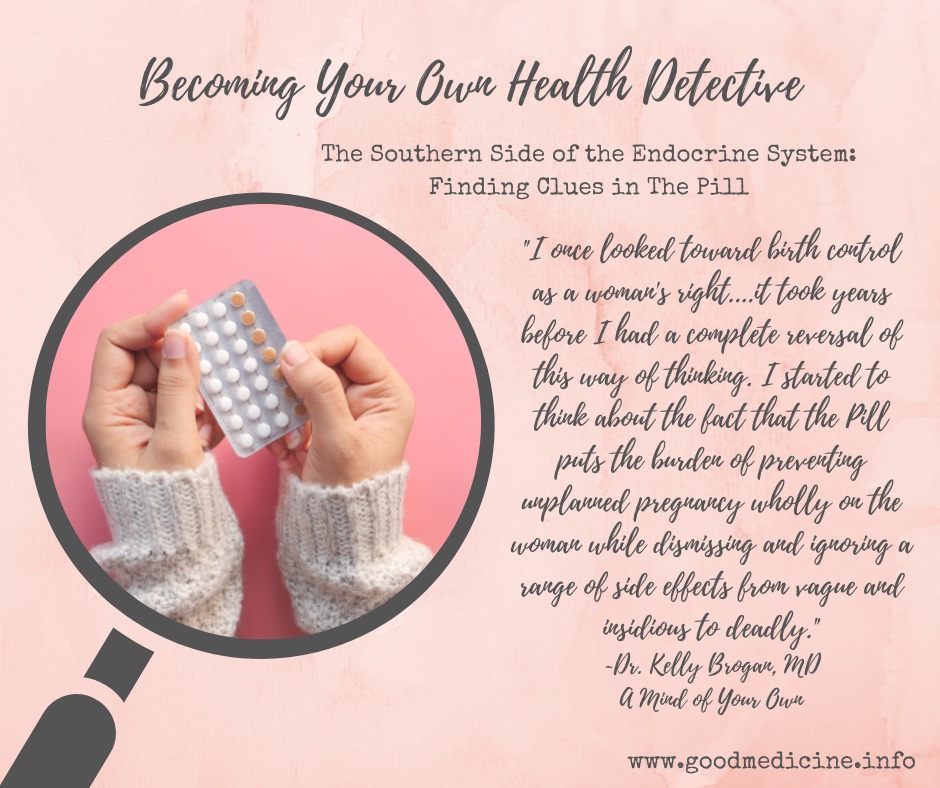
Finding Clues in “The Pill”

Liz James · July 28, 2022 ·

The Southern Side of the Endocrine System: Finding clues in The Pill
 
“Fellow citizens, we cannot escape history.” ~Abraham Lincoln
 
The further I get into my life, the more appreciation and value I’ve placed on ferreting out root causes… not only in health matters, but also in the consequences (both good and bad) of relationships, government, … pretty much anything that has made me ask “Why?”. This curiosity has proven to be both a blessing and a curse because I’ve been down some pretty deep and winding rabbit holes, usually coming up for air with a different outlook on what I thought I knew. For those of you who have also engaged in learning in this manner, this will resonate deeply with you. Once you have learned something that is verifiably true but unpopular in media presentation, you have to make a choice: either swim upstream, or swim in the direction of the majority and try to forget what you have learned. In my own personal observation, the latter does not bode well either emotionally or physiologically . A person cannot live a duality (believing one thing yet acting in opposite) for long without negative consequences ultimately manifesting.
I spent decades (both personally and professionally) in educated ignorance, believing that birth control pills were benign “helpers” for preventing pregnancy and calming dragonesque cycle symptoms. Perhaps you do (or did) too. In my defense, it wasn’t my fault. This is what we are taught in pharmacy school as are all health professionals taught within the singularly allopathic education setting.
Hormone based birth control is one of the most common types of prescriptions filled in a retail pharmacy setting. An estimated 14% of women aged 15-49 utilize synthetic hormone based birth control (pills, IUD’s, implants, vaginal rings, and patches). With numbers that high, how could a class of products not be both safe and effective?🤔
 
“It is difficult to get a man to understand something when his salary depends on his not understanding it.” ~ Upton Sinclair
 
👆 What he said!
At some point, culturally, we lost the history of birth control pills. Had we known the history, and had we kept up with the outcomes, would we (culturally) still be choosing the perceived easier swim downstream? I don’t have the time within this series to write the pages upon pages that should be devoted to this topic, so I’m leaving breadcrumbs for you to go digging on your own, or at the very least perhaps raise a hairy eyebrow and give the facts some serious thought.
🧐Ethinyl estradiol was studied and used by the Nazi’s in chemical sterilization experiments in the Auschwitz concentration camp during World War II. Ethinyl estradiol is one of the most common ingredients found in birth control pills today.
🧐The Pill was first tested experimentally in Puerto Rico in 1956. The women involved in the study were not informed that they were participating in a drug trial or of the potential side effects of the trial they were involved in. 11% of the women withdrew from participation because of adverse effects. According to information in the Congressional Nelson Pill Hearings of 1970, 5 participating women died and were buried without an autopsy. The focus of the Puerto Rico study was on efficacy, not safety.
 
🧐The Pill was introduced in 1960 during a cultural revolution, when all things natural were being shunned in favor of man made…. Tang for orange juice, formica and shag carpet instead of wood or stone, margarine instead of butter. Coincidentally, the incidence of autoimmune disorders began rising rapidly by the early 1970’s, with more than 80% of those cases being found in women. That statistic has not changed. The Pill became a symbol of women’s rights, and in the process, it hormonally defeminized women. In a twist of irony, as birth control pill waste is flushed (literally) into the water supply, it now also plays a role in the demasculinization of men through its contribution to the estrogen dominance phenomenon in males.
 
🧐It was recommended early on that The Pill be used by a woman for two years or less in order to prevent possible sterilization. Some women take The Pill for 30 years or longer. Meanwhile, infertility rates continue to rise. According to the CDC’s most recent data, approximately 19% of women in the USA ages 15-49 now have difficulty getting pregnant or staying pregnant.
 
🧐The Pill was approved for use prior to Congress passing the 1962 Kefauver-Harris Drug Efficacy Amendment which requires drug manufacturers to prove both safety and efficacy.
 
“It would be natural at this point to think, ‘It’s been 50+ years! Surely today’s version of The Pill has been proven safe.’ That’s a reasonable assumption. However, it’s dead wrong. The maker of today’s most popular birth control brands [as of 2019] Yaz and Yasmin, paid out $2.04 BILLION to settle over 10,000 blood clot lawsuits as of 2016, and the number of injuries, deaths, and lawsuits continues to rise.” ~ (📚Book: In the Name of The Pill, page 30)
 
The reality is that sometimes decades go by before a very serious side effect is appreciated, and if there is enough money to be made, “those with the gold ultimately make the rules” (and make digging for truth a little harder).
Birth control pills come with a fine print document thanks to the 1962 Kefhauver-Harris Amendment. In addition to establishing both safety and efficacy, it also introduced the concept of patient informed consent. Allow the patient to make their own decision after weighing the pros and cons. Have you ever read one of these patient package inserts?
 
I’m including a link here for the popular birth control pill, Yaz, as a real world example. It’s 29 pages long and corroborates what I’m about to share:
https://www.accessdata.fda.gov/…/2011/021676s008lbl.pdf
 
According to FDA access data sheets on birth control pills, there is risk (think clues!) of:
👩‍⚕️Thromboembolic disorders and other vascular problems (Note: that BCP’s containing drospirenone have been found to cause 2-3x more blood clots than in previous pill generations)
👩‍⚕️Strokes
👩‍⚕️Increased copper retention. Symptoms of excess copper include anxiety, depression, hyperactivity, chronic fatigue, inflamed joints, insomnia, infertility, hair loss, headaches, diabetes, endometriosis, recurrent fungal infections, both high and low blood pressure, and increased breast cancer risk. It is also a biomarker for thyroid disease. Note that copper and zinc are closely connected, and their ratio is important for optimal health. BCP’s (including copper IUD’s) also concurrently facilitate zinc depletion, causing further disruption of this ratio. Hair analysis is often the most accurate way to check copper and zinc levels.
👩‍⚕️Migraines and other headache types
👩‍⚕️Atherosclerosis (plaque build up and hardening of the arteries). Risk increases with duration of BCP use.
👩‍⚕️Increase in C-Reactive Protein levels, a marker for inflammation. The longer a body is inflamed, the greater the risk for autoimmune disorders, vascular diseases, and brain disorders.
👩‍⚕️Diabetes. Synthetic hormones affect the body’s ability to process carbohydrates. Nearly 1 in 5 women taking The Pill develop abnormal glucose tolerance.
👩‍⚕️Elevated triglyceride levels, affecting nearly ⅓ of BCP users.
👩‍⚕️Breast Cancer. Note that the American Cancer Society recognized synthetic hormones as a possible risk factor for breast cancer in 1961, and that The Pill ingredients have been found to cause breast cancer in all 5 animal species commonly used in pharmaceutical research and development.
👩‍⚕️Immune system suppression. Estrogen plays a key role in the immune system. Synthetic estrogen causes the body to cut back on its own production of body made estrogen.
👩‍⚕️Gallbladder disease (According to the American College of Gastroenterology, women between the ages of 20 and 60 years are three times more likely to develop gallstones than men.)
👩‍⚕️Bleeding irregularities (In relation to menstruation), including heavy bleeding and pelvic pain that may result in a suggested hysterectomy.
👩‍⚕️Depression. The American Journal of Psychiatry published a 2016 study by researchers in Denmark who reported that women taking hormonal contraceptives have up to triple the risk of suicide when compared to women who never took hormonal birth control. Another study found that 1 out of every 3 pill users showed depressive personality changes and 1 out of 20 had suicidal ideations.
👩‍⚕️The possibility of “over suppression syndrome” (Any part of the body which is not used or little used over an extended period of time leads to disuse atrophy: otherwise known as infertility in this case.)
👩‍⚕️Loss of Libido
👩‍⚕️Nutritional deficiencies including B1, B2, B6, Folate, B12, Vitamin C, Zinc, Magnesium, Iodine, and many other micronutrients.
👩‍⚕️Osteopenia and osteoporosis
👩‍⚕️Increased risk for developing lupus. The incidence of lupus has tripled in the last 40 years, and 90% of those affected are women.
👩‍⚕️Crohn’s Disease (beneficial bacteria in the gut is adversely affected by BCP’s)
👩‍⚕️Weight gain (Just prior to the FDA’s endorsement of The Pill, the federal government ordered all poultry producers to stop using synthetic estrogens to fatten chickens because it was known to cause cancer in animals. )
👩‍⚕️Increased risk of developing cervical cancer by 2-3x. Risk increases with BCP use longer than five years.
👩‍⚕️An estimated 6-7 out of every 10 Pill users take medication to counteract BCP side effects on a routine basis. Most commonly: diuretics, pain medication for headaches, anti anxiety medications, antidepressants, self medicating for fatigue and lethargy (caffeine etc).
********************
 
I’ve focused mostly on synthetic estrogen and estrogen dominance up (see previous posts on estrogen dominance and endocrine disruptors) and I would be remiss if I didn’t discuss the distinct differences between natural progesterone and synthetic progestins.
Progesterone is enormously beneficial to a woman’s body. It:
🙂Protects and supports cardiovascular health
🙂Stimulates hair growth
🙂Generally beneficial for mood and a good night’s sleep
🙂Is healing and calming to the body
🙂May reduce the risk of breast cancer
🙂Improves libido
🙂Helps with weight loss
🙂Improves bone formation
Conversely, Progestins (the synthetic version of naturally occurring progesterone) can cause:
☹️Hair loss
☹️High blood pressure
☹️Can cause anxiety and depression
☹️Can increase the risk of breast cancer
☹️Bloating
☹️Loss of libido
☹️Interference with sleep
☹️Itchy eyes
☹️Fatigue
☹️Progestins are believed to cause birth defects and are contraindicated in pregnancy. Conversely, progesterone is an absolute requirement to maintain a healthy pregnancy.
☹️Progestins reduce electrolyte availability within cells ( this may manifest as irregular heartbeat, fast heart rate, fatigue, lethargy, seizures, nausea, vomiting, muscle cramping, irritability, headaches, numbness and tingling)
(Note that many of these are similar in nature to estrogen dominance.)
When you use synthetic progestins, the body quits making its own progesterone (the good stuff!), and the synthetic variety “clogs up” the progesterone receptors in the body. If a woman has been taking progestins for quite some time, it’s likely that her body will have to relearn how to produce progesterone again which may take several months. Herbs that help support the body’s natural progesterone production include chasteberry (also known as vitex), evening primrose oil, rhodiola, ashwagandha (found in Young Living’s EndoGize ), schisandra, and wild yam (found in Young Living’s Progessence Plus serum, Femigen capsules, Regenolone and Prenolone Plus creams). Foods which also support healthy progesterone production include those high in zinc, Omega 3’s, vitamin C, magnesium, and B vitamins. Do your research and eat for your hormones! If obtaining enough in a daily diet is challenging, consider adding Young Living’s Super C chewables, and Super B tablets. Several Young Living supplements (ex: Master Formula & OmegaGize3 respectively) also contain magnesium, zinc and Omega 3’s!
I realize I’ve dropped many bread crumbs for you to follow here. Heck, there are some downright loaves waiting to be picked up and examined should you be so inclined. There is much more to be learned from the story of The Pill.
There are many reasons women use BCP’s outside of preventing unplanned pregnancies, and by using synthetic hormones as a chemical band-aid, the root cause of the issue is being left to fester. Find a holistically minded health care professional who will help you find and address your root cause(s). It literally could be as simple as changing diet, addressing stress, supplementing to prevent a deficiency, using Young Living essential oils strategically, or increasing exercise!
Are there other effective options for preventing unplanned pregnancies? Certainly, there are, and there are emotional, physical, and relational health benefits to be had in utilizing them. There are a variety of cycle “health detective” clues you can come to rely on with remarkable accuracy. Do some digging on the topic “Natural Family Planning Methods”.
 
Fertility is not a disease and there is a rather steady supply of evidence which indicates that by medicating otherwise healthy women, we have unwittingly done great harm in the process. My job as a pharmacist is to provide the patient package insert as instructed by the Congressional Kefhauver-Harris Amendment, thereby giving the patient the opportunity of informed consent.
 
Risk versus benefit.
 
It’s the patient’s right, responsibility, and choice to either consent or deny. Most have never received a thorough explanation allowing for an educated decision.
Lots of clues friends! Embrace the sleuthing process. It will only serve you well. I promise.
xoxo~ liz


#BYOHD
#becomingyourownhealthdetective
#toxinfreeisthewaytobe
#goodmedicine
#ThanksYL
#toxinfreeslifestyle
#endocrinedisruptionhidinginplainsight
#ThePill
 
  • « Go to Previous Page
  • Page 1
  • Page 2
  • Page 3
  • Page 4
  • Interim pages omitted …
  • Page 23
  • Go to Next Page »

Book Your Health Coaching CallBook Now

Elizabeth James

469.425.9091

ebj0203@gmail.com