• Skip to primary navigation
  • Skip to main content
Book Your Health Coaching Call
Good Medicine

Good Medicine

Holistic Health Coaching

  • Home
  • Liz James
    • About Liz
    • Coaching
    • Book a 20 Minute Complimentary Coaching Call
  • Favorite Resources
    • BlessedByHisBlood
    • Young Living
    • Fast Like A Girl Certified Coach
    • Order supplements through my Fullscript store
    • Green Pasture (Coupon: Health10)
    • RogersHood Apothecary (Coupon: BEABLESSING for 10% off)
    • DolphinMPS
    • Company
    • Abundance
  • My Books
    • Becoming Your Own Health Detective Volume 1
    • Becoming Your Own Health Detective Volume 2
  • Blog
  • Cart

Hormones

Ovaries in Trouble

Liz James · July 20, 2022 ·

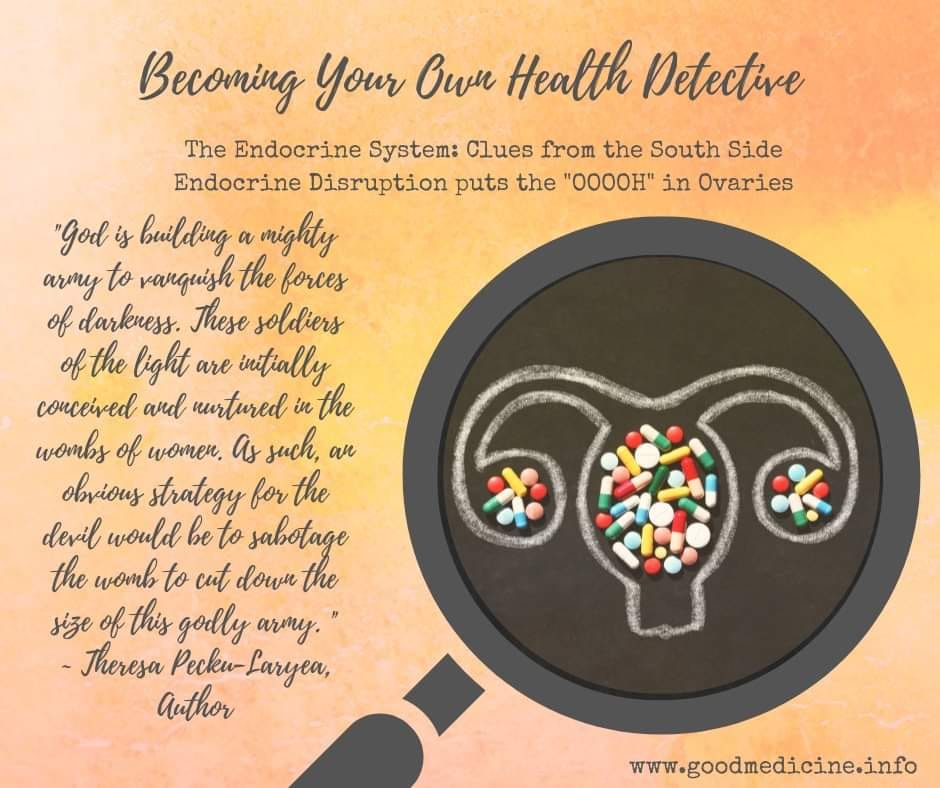
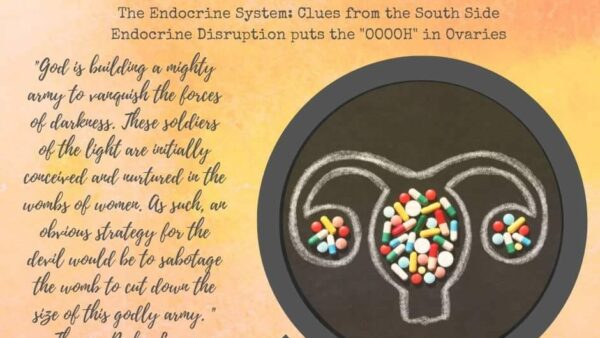
The Southern Side of the Endocrine System: Endocrine Disruption puts the ‘OOOOH’ in Ovaries
We women are complicated. 🤪🥴 (Alrighty men…. I can hear your “amens” from here!😉 ). Truly though, it’s better that we just clear the air and state the truth. We.ARE.complicated! All throughout the body and endocrine system, clues🔎 are not generally gender specific… until now. Guys, this would be a good time to retreat to your man cave, unless of course you’d like to know a little more about the inner workings of your gal!
 
One of the most eye opening eras in my pharmacy career happened about 10 years ago. Someone very close to me came to the brink of suicide😭, and almost did not live through it. The growing signs of distress had been going on for years, and while I was starting to suspect a hormonal imbalance, I didn’t yet know enough outside the realm of western medicine to help her ask the questions that needed to be asked of her medical providers, or to request the labs that would ultimately reveal the root causes of her despair. Certainly, she had stress going on in her life too, and so the doctors gave her prescriptions for depression, anxiety, and sleep. All of the “blame” was laid on stress and emotional angst, and no digging for the root cause was ever done, until it was literally almost too late. It took a functional medicine team skilled in mind, body and spirit repair in a crisis situation to discover her imbalance in thyroid and sex hormones, as well as nutritional deficiencies, gut dysbiosis, and an inefficient immune system, all of which contributed to the direness of the situation. Frankly, if she had ended up in the hands of standard western medicine, I doubt she would still be alive. 🙏 It took many many months for the body and mind to heal with the help of these skilled professionals.
 
Approximately 18% of all adult women in the USA take antidepressants, and 10% use anti anxiety medications. This number is roughly double that seen in men. While there are assuredly socio economic factors which come into play, the waxing and waning monthly rhythm of our environmentally influenced hormones are the largest reason women reach for a prescription bottle of any kind. Western medicine has failed women terribly by using these medications as bandaids for a body that has lost its balance.
 
After this event, I began researching women’s health in earnest….. looking for the reasons so many women had fallen between the cracks of healing care and seeking alternative wellness tools western medicine has chosen to overlook. As I filled new prescriptions for women recently diagnosed with depression or anxiety, I would ask if they had also been given orders for lab work prior to receiving their prescription for one (or more) of these medications. Shockingly, it was a rare woman who said that they had. Thorough (and I emphasize the word thorough!) lab work and subsequent (thorough!) analysis is key to circumventing the adverse effects of hormone imbalance. Those results are hard data which affirms the clues your body is giving you. One of the beauties of a woman’s menstrual cycle is that it is truly a monthly report card reflecting a woman’s health. Normal monthly cycles should not be felt to the extreme, either emotionally or physically. If they are, the body is waving a flag. As with men, endocrine disruption is a real and enormous problem to our individual and collective health. In women, endocrine disruption affects the reproductive cycle in ways that become “diagnoses”, which then often result in pharmaceutical bandaids that ultimately lead to secondary problems.
Endocrine disruption commonly results in something called estrogen dominance. It is the result of excessive estrogen production (and incoming estrogen like toxins from the environment), not enough progesterone produced by the ovaries or a combination of both issues. As with men (and children!), endocrine disruption happens quietly on little cat’s feet through small “daily dose” exposure to toxins found in plastic water bottles and food containers, pesticides, petroleum based products, soaps, body care products, commercial air fresheners, foods that have been exposed to hormones and many more. Estrogen dominance can also be aggravated by excessive body fat, chronic stress, and impaired gut and liver function.
 
Some signs symptoms of estrogen dominance include:
🔎More rapidly aging skin
🔎Aggravation of allergies and asthma (abnormally high levels of estrogen affects the body’s immune response)
🔎Nipple tenderness, especially prior to periods
🔎Hair thinning or hair loss
🔎Body fat gains around the midsection, creating an “apple” or “pear” shaped torso. (Note that “apple shaped” weight gain can be a clue of possible PCOS in addition to estrogen dominance). Additional PCOS clues include abnormal body hair growth, insulin resistance, and darkened skin in the folds of the neck and armpits.
🔎Mood swings
🔎Headaches and migraines (estrogen dominance is one of the most common causes of headaches in women)
🔎Irregular periods (may be light, heavy, or irregular in timing)
🔎Water retention and bloating
A sluggish metabolism
🔎Skin tags
🔎PMS
🔎Uterine fibroids
🔎Decreased libido
🔎Vaginal dryness
🔎Endometrial hyperplasia – caused by too much estrogen or not enough progesterone, or a combination of both. Left unaddressed, it may lead to cancer.
Long term, unmitigated estrogen dominance contributes to:
🔎Hormonal cancers (breast, endometrial and uterine and prostate in men)
🔎Infertility – Infertility currently affects more than 10% of women in the US of childbearing potential.
🔎Adenomyosis
🔎Cervical dysplasia
🔎Lupus, Hashimoto’s and other autoimmune diseases – sharp fluctuations of estrogen as is seen around childbirth and menopause appear to contribute to autoimmune disorders.
🔎Candida overgrowth
🔎Osteoporosis and osteopenia
🔎Gallbladder disease
🔎Fibrocystic breasts
🔎Thyroid dysfunction
🔎Dementia and decreased brain function
🔎Dry eyes
🔎Insomnia
 
Estrogen dominance is no laughing matter, and is arguably one of the biggest health concerns (and clues) of our time. Heavens! This alone is reason enough to make the safe, health supportive, and effective Young Living essential oils (and diffusers), body care products, and the entire Thieves Household cleaning products line standard wellness tools in every home! I often get asked “where do I start” in my wellness journey. The answer is here. Today! … begin detoxing your home and personal world if you haven’t already.
Oddly, one of the biggest contributors to our estrogen dominant selves is rarely talked about. It directly affects nearly 2/3rds of women of childbearing years in the USA, and indirectly affects the rest of us as it is flushed daily into the nation’s water supply.
 
Birth control pills.
Are birth control pills as safe as we’ve been led to believe?🧐🤔 That’s the next clue.🔎 Tell the guys to continue cleaning their guns and watching football…. We’ve got a bit more to chat about!
 
xoxo~ liz
 
 
#BYOHD
#becomingyourownhealthdetective
#toxinfreeisthewaytobe
#goodmedicine
#ThanksYL
#toxinfreeslifestyle
#femaleinfertility
#puttinganendtoestrogendominanceisgoodmedicine🔎
 

Clues to Infertility – Sperm

Liz James · July 7, 2022 ·

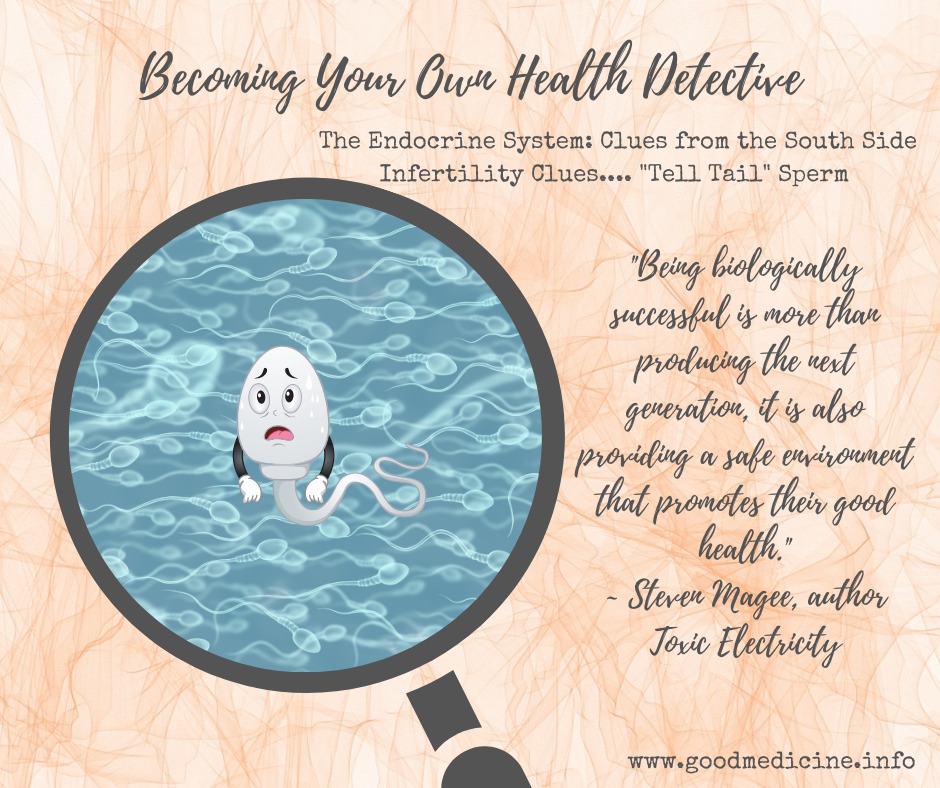
The Southern Side of the Endocrine System: “Tell Tail” Sperm
 
I spent twelve years of my pharmacist career👩‍⚕️ behind the scenes within the infertility industry. Looking back, I realize now that that timeframe (2000-2012) was the “canary in the coalmine” years for our country’s fertility decline. The infertility industry accelerated at rocket speed🚀 to keep up with the need. Interestingly, the trajectory of infertility and autoimmune disorders share a remarkably similar path and timeline.🧐
As I was accumulating research for this particular topic, I couldn’t help but dig deeply into current information and statistics. When I left the industry in 2012, 10% of women (ages 18 to 44) struggled with fertility and a growing number of men were also being diagnosed with fertility disorders. Sadly, these numbers have only continued to escalate.🫣
 
Male factor infertility (MFI) currently accounts for 50+% of infertility issues for a couple. Biomechanically, studies have analyzed and found that the most common causes include:
  • An absence or low levels of sperm (and estimated 10-15% lack sperm entirely)
  • Abnormal shape of sperm
  • Abnormal movement of sperm (these swimmers should be swimming fast in one direction!)
  • Abnormal release of sperm
While this is important information, it does not expose the root of the problem….. Why are sperm count and “swimability” continuing to decline? After all, men are still men all these thousands of years later, determined by the presence of their XY chromosome.
 
For all of eternity there has been the occasional physical trauma or genetic anomaly affecting the family jewels (or to the pituitary or hypothalamus which participate in the sperm production process). This trauma or anomaly may have long term implications on sperm production, and while damage may be a plausible reason for infertility, this factor has not changed over the years, and therefore has a very small role in the more than 50-60% decline in sperm production since 1973.
Infertility (both male and female) is a massive clue pointing directly towards the presence of toxins in a personal environment. Recall that the endocrine system is an incredibly precise chemical cascade. When that cascade is interrupted by a daily barrage of toxins, the “machinery” ceases to function as it should. Imagine water in a gasoline tank. If that happens, a vehicle simply ceases to work. Water seems innocent enough, until it has polluted that which makes the vehicle go.
What are some of the “water in the gas tank” possibilities when it comes negatively affecting sperm production? Glad you asked! Seemingly innocent lifestyle choices and habits are often overlooked and are generally the predominant culprits.
  • Processed Foods – Studies have connected eating processed foods (especially those with fats found in margarines and hydrogenated cooking oils) with decreased sperm count and altered sperm motility.
  • Alcohol – Heavy drinking is connected with reduced sperm quality and decreased testosterone production.
  • Caffeine – Excessive amounts of caffeine may lower sperm count.
  • Smoking- Tobacco negatively affects sperm count and quality.
  • Marijuana and THC
  • Exposure to mainstream household/ work chemicals or solvents. While some of these product ingredients are outright carcinogenic poison to the body, others are a slow daily drip of kryptonite to our mighty men. This slow drip of “kryptonite” ( aka: BPA and phthalates found in plastic water bottles, bodycare products and epoxy resins, dioxins, herbicides, organophosphate pesticides, flame retardants, lead, arsenic, mercury, and glycol ethers found in household and industrial cleaners, adhesives, and degreasers) erodes masculinity at its very core by raising estrogen levels and simultaneously lowering testosterone levels. Estrogen dominance does not discriminate. Men are prone to this hormonal imbalance too. ED is easily identifiable with lab work (testing testosterone and estrogen levels both), the visual presence of “man boobs”, and the specter of infertility or erectile dysfunction.
  • Cell phone in the front pocket of pants – Semen quality and quantity has been found to be adversely affected when a cell phone in “talk mode” is carried in the pocket of pants.
  • Choice of underwear – Tight fitting underwear (or pants) increases testicular temperature which reduces both sperm count and motility.
  • Chronic stress – The body does not lie, and it will work to protect itself (and its potential offspring) when in chronic fight/flight/ or freeze mode.
Many common medications are often thefts of male fertility too:
  • SSRI’s – used for mood disorders. An estimated 11% of infertility is caused by this class of medication. These medications affect DNA sperm quality and erectile function. Common culprits include sertraline, fluoxetine, citalopram, lexapro, and paroxetine.
  • Testosterone replacement therapy (especially when used incorrectly) drastically reduces the level of testosterone in testicles, which in turn lowers sperm production.
  • Antihistamines (eg: loratadine and cetirizine) and antacids (eg: ranitidine and cimetidine) appear to have long term negative effects on male fertility
  • Calcium Channel Blockers – This is a class of medications commonly used in the management of high blood pressure, angina, migraines, heart disease, and some heart arrhythmias. (eg: amlodipine, nifedipine, verapamil, diltiazem)
  • Tamsulosin – (used to treat benign prostatic hyperplasia)
  • Cipro and Levaquin – (antibiotics)
  • Some vaccinations, especially when combined with an existing toxin load in the body, are being studied as possible contributors to infertility
Unlike eggs, sperm are constantly created when conditions are healthy. An entirely new sperm health profile is possible within 2-3 months of consistent positive changes being made:
  • The Scottish kilted men knew what they were doing💪, but if wearing a kilt doesn’t appeal to you, consider boxers instead of briefs.
  • Get an EMF blocker for cell phones, AND remove an active phone from the front pocket of pants.
  • Watch for endocrine disruptors in your daily life. Reading labels is HARD, even for me. There are hundreds of common chemicals in household and daily use personal care products that fall under the “Endocrine Disruptor” category, and we can’t possibly memorize them all. Keep it simple and worry free by purchasing from Young Living. No label reading required because everything is safe, toxin free and fertility friendly. Clean inside and out with Thieves Household Cleaner and Thieves Kitchen and Bath Scrub. Cologne is another common endocrine disruptor source. Thankfully, Young Living’s essential oil blend Shutran is healthy, hormone supportive, and smells incredible! The Shutran Men’s Care line has body wash, aftershave lotion, bar soap, beard oil and shaving cream. These, in addition to the YL shampoos and conditioners, ensure you’ve cleaned up well, with no endocrine disrupting along the way.
  • Support healthy male hormones and a more balanced stress response with Young Living’s PowerGize capsules, or consider applying YL’s Idaho Blue Spruce essential oil to inner and outer ankles morning and night.
  • Work towards correcting lifestyle habits and choices which may be diluting sperm production. Eat, sleep, and manage stress as though a generation is depending on you, because they are! This includes protecting boundaries in all areas of life.
  • In most instances, pharmaceutical use can also be minimized or avoided entirely with lifestyle changes and the help of your favorite holistically focused healthcare professional. Get to know your Young Living supplements and oils. They are extraordinarily valuable tools that can help you in ways you might not yet imagine. Do some digging and/or ask a savvy friend!
Health is the most valuable possession any of us have, and it’s the one thing we do have full control over unless we abdicate that right by giving it over to someone else to manage. Nobody will care for or know you better than you.
Swim upstream. Future generations will thank you for providing them with a strong foundation of health!👨‍👩‍👧‍👦
xoxo~ liz
 
 
#BYOHD
#becomingyourownhealthdetective
#healthysperm
#swimupstream
#ThanksYL
#toxinfreeslifestyle
#maleinfertility
#goodmedicine

The Ovarian Adrenal Thyroid Symphony

Liz James · June 23, 2022 ·

Putting the Pieces Together: The Ovarian – Adrenal – Thyroid (OAT) Symphony
Before we reach the nether regions of the endocrine system, I wanted to talk to you a little bit about a very important concept called the Ovarian-Adrenal-Thyroid (OAT) axis. The goal is to live in hormonal harmony within our own body, and that can get tricky pretty quickly when you have a bad conductor directing a personal symphony 🎻🎺🎷🥁🎼orchestra.
A typical symphony orchestra🎻🎺🎷🥁🎼 has more than forty musicians and is an ensemble composed of wind, string, brass and percussion instruments. There are very few great conductors in the world simply because such a job requires charisma, deep knowledge of both music and musical instruments, and major people skills. A stellar conductor must also know the style and history of music and excel in anticipating and then cueing each musician at exactly the right moment. Some of the more extraordinary conductors I’ve seen also appear to have a playfulness within them to balance the exacting attention to detail that must be required to execute a flawless concert.
The endocrine system is much like a symphony🎻🎺🎷🥁🎼, often with “the conductor” being the level of stress we unwittingly allow ourselves to live with. Remember, stress on the body isn’t only caused by meeting deadlines or trying to achieve a long “to do” list. Stress on the body will look different for each person, and may be emotional or physiological… It doesn’t matter the type or combination thereof!
  • Chronic busyness to the point of exhaustion
  • Chronic physical pain
  • Chronic infection or illness
  • Toxin load
  • Heavy metal load
  • Emotional stress
  • Chronic sleep deprivation
  • Too much exercise
  • Nutrient deficiencies due to poor eating habits, medications causing depletions, a physiological inability to absorb certain nutrients properly, or even relying on poorly made supplements for nutrition
Stress always affects the adrenal glands first, and then thyroid and ovaries will begin to suffer.
Conductor: “A little less cowbell please!”
By the time a woman reaches her mid 30’s/ early 40’s (unless she has incorporated solid stress mediation tools into daily life ), there is a high probability that the excessive “cowbell” coming from the adrenal glands has begun to successfully drown out the harmonizing ovaries and thyroid. Because we’ve already fairly thoroughly discussed the adrenal glands and thyroid (reread those sections for a refresher!) I want to focus on how ovarian function is impacted by chronic stress.
In a state of chronic stress, the adrenals cannot keep up with the demand for cortisol production, and in doing so, they begin “stealing” from progesterone production to have the building blocks to make more cortisol.
Conductor: “Add in a little more saxophone.”
As progesterone production drops, estrogen dominance makes its debut.
Conductor: “Decrescendo piccolos!”
Estrogen dominance (which can occur even when ovaries have been removed, thanks to estrogen production elsewhere in the body and xenoestrogen exposure) then begins impeding the conversion of (inactive) T4 into (active) T3 which translates to less active thyroid hormone for the body to have access to. This leads to feelings of sluggishness, fatigue, and all the symptoms related to hypothyroidism. Too much estrogen also interferes with the communication between the brain and the adrenal glands. As time goes on in a state of estrogen dominance, fat begins accumulating around the abdomen. Have you heard the term “muffin top”? It’s a clue, my sleuthing friend! Muffin tops, excessive PMS, infertility or miscarriages, low libido, bloating or water retention, fibrocystic breasts, premenstrual headaches, thyroid dysfunction, irritability or depression, hair loss, thyroid dysfunction, foggy thinking, memory loss, and insomnia are all major clues with the conductor’s baton pointing towards estrogen dominance.
Conductor: “Crescendo violins!”
Estrogen dominance has also been linked to worsening allergies, autoimmune disorders, ovarian cysts, breast and uterine cancers, and is associated with an accelerated aging process. I’ll talk more about estrogen dominance later…. The goal here is to show the snowballing impact of stress on the endocrine system and ultimately the entire body.
Unfortunately, Westernized medicine is usually quick to add to the toxic soup already existing within a body by applying chemical bandaids. Ironically, antidepressants, thyroid replacement medications, and hormone replacement therapies often worsen the OAT imbalance IF addressing adrenal gland health is not part of the health and wellness recovery plan. Understanding the importance of and utilizing stress management tools daily will be a game changer, if you have been identifying with these clues!
Let’s not leave the men out of this discussion. There is a male version of the OAT axis. Abnormal cortisol levels in men cause testosterone levels to drop. Treating low testosterone with a synthetic testosterone replacement while ignoring the adrenal connection does come with risks. Side effects of synthetic testosterone replacement therapy (TRT) may include polycythemia, peripheral edema, aggression, diminished testicular size and fertility, exacerbation of sleep apnea, and cardiovascular and liver dysfunction. TRT is another chemical bandaid which fails to address the root cause (another “to be covered later” topic).
Without question, life has the potential to be stress filled, and we must use the tools easily available to us to mediate its harmful effects.
  • Belonging to a supportive like minded community
  • Prayer and meditation
  • Exercise, especially yoga
  • Spending time outdoors or with a pet daily
  • Practicing self care daily
  • Laughter
  • Minimize phone use and screen time
  • Healthy diet
  • Practicing deep purposeful breathing
  • B Vitamins (have you tried YL’s Super B?)
  • Elimination of toxins especially xenoestrogens commonly found in mainstream skincare lines. Utilize Young Living’s safe ART, Bloom, or Balance skin care lines for safe xenoestrogen free products!). Xenoestrogens are also found in plastics (ie water bottles), red dye #3, BHA (a food preservative, many insecticides, and birth control pills that contain ethinylestradiol.
  • Young Living’s Cortistop
  • Utilize scents that you find relaxing. Many studies suggest that aromatherapy is beneficial for relaxing and decreasing stressful moments. Scents known to promote stress reduction include lavender, rose, vetiver, bergamot, Roman chamomile, neroli, frankincense, sandalwood, ylang-ylang, orange, and geranium. Young Living oil blends designed for just such a purpose include StressAway, Peace & Calming, Valor, RutaVala, or Tranquil.
  • Setting healthy boundaries in all areas of life
  • Using adaptogens to help mediate stress response. An adaptogen is any substance that increases the body’s resistance to a negative stress response. These have been around (and studied) since World War II… so it’s not a new concept! Known adaptogens include:
  1. American and Asian ginseng (found in FemiGen)
  2. Ashwagandha (found in EndoGize and PowerGize)
  3. Reishi mushroom (found in NingXia Greens and Immupro)
  4. Turmeric (found in Golden Turmeric)
  • Reduce caffeine intake. Consider daily NingXia Red, NingXia Nitro, NingXia Zyng, and/or our new NingXia Greens or an adaptogenic “coffee” substitute instead. You may also consider diffusing essential oil blends En-R-Gee or Longevity or Peppermint, Rosemary, or Lemon for an aromatic pick-me-up!
Every body’s symphony🎻🎺🎷🥁🎼 will sound and feel slightly different. We each have the responsibility of constantly “tuning the instruments”, harmonizing within ourselves and among ourselves, and ensuring that “the conductor” (ie: your individual stress load) is neither a taskmaster or curmudgeon!
After all, the goal is an endocrine system which feels like a well played Beethoven’s 5th!
xoxo~ liz
#sharingiscaring
#OATaxis
#chronicstressisthecornerstoneofillness
#theapplicationofknowledgeispower
#goodmedicine
#BYOHD
#becomingyourownhealthdetective
#ThanksYL
May be an image of 2 people and text that says 'Becoming your Own Health Petective Putting the Pieces Together: The Ovarian -Adrenal -Thyroid Symphony "Have you seen a symphony orchestra? There is a person at the back carrying a triangle. now and again the conductor will pont to him or her and that person will play ting That might seem insignificant, but... something irreplaceable would be lost to the total beauty of the symphony if that ting didn't happen. -Desmond Jutu www.goodmedicine.info'
3434
10 Comments
Like

Comment
Send

Adrenal Fatigue Recovery

Liz James · May 31, 2022 ·

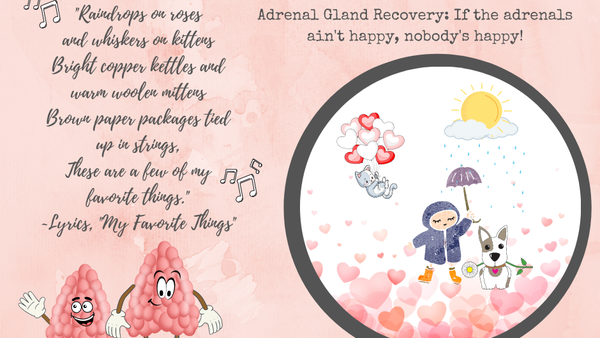
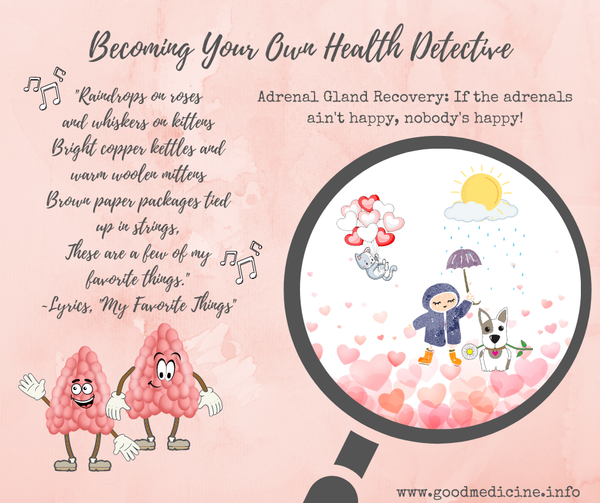
Adrenal Recovery: If the adrenals ain’t happy, nobody’s happy!
 
If there were ever a time for a🦄 magical “That was easy!” button for health fixes, the adrenal glands would be a top candidate. As you have hopefully realized, adrenal fatigue does not happen overnight, and repair is an equally slow process. God designed our body to be a miraculous healing machine, but only if we actually “do the things” to allow the healing to happen. Remember that story in the Bible about the Israelites wandering in the desert for 40 years because they were “stiff necked” (stubborn) about not wanting to give up the very ways that kept getting them into trouble? We really haven’t changed much all these years later! 😬🤭There is no magic pill or elixir to simply “undo” adrenal fatigue, though there is PLENTY that can be done to support the repair process. The body has raised a white flag in the form of the myriad of clues you’ve collected.
Adrenal fatigue is an inside job in this type of crime scene, and the “crime” can persist indefinitely (or until a secondary dysfunction steps in and wreaks bigger havoc) unless self care becomes a priority. Do you ignore the clues🫣 and prepare for a long wander in the desert, or will you choose to be still and become an active participant in the repair and replenishment process? The desert is a dry, dusty, barren place and yet many people choose to embark on the desert journey because they have chosen to hang on to that which is holding them captive (and making them sick). #choices
 
What conditions are necessary for the adrenal glands to recover and thrive?
  • Locating and eliminating (or mediating) “energy vampires” in your life. Do the people you share your life with suck the life out of you or do they add to your life? Do the activities and employment you engage in suck the life out of you, or do they add to your life? Find the areas of chronic stress in your life, and commit to making positive changes. That may mean counseling, setting boundaries, or perhaps finding a new job, or new friends. No amount of StressAway essential oil blend will make a chronically stressful situation tolerable for the adrenal glands.
  • Incorporate prayer, meditation, gentle exercise, yoga, massage, quiet time, leisure reading, sitting quietly in nature etc (that which encourages stillness of mind, body, and spirit) as a daily and necessary activity. Allowing the body time to recharge should be as habitual as brushing teeth at least twice a day. We are a country that doesn’t embrace “slow”, and as a result, 80% of adults in the USA have experienced adrenal fatigue at least once in their lives. PS: scrolling on the computer is NOT part of this activity.
  • Laugh! 😂😅😆🤣 Laughter has many adrenal de-fatiguing benefits. It has been scientifically proven to reduce blood pressure and relax the body by helping regulate cortisol levels in the body. Laughter also increases the body’s infection fighting capabilities and raises the body’s endorphin production which improves mood and decreases stress levels within the body.
  • Do something that brings you pleasure every day.🥰 Find your favorite things and engage in them
  • Breathe deeply regularly. Incorporate deep breathing habits into your life. Be purposeful in setting aside 3-4 minutes several times a day for focused deep diaphragmatic breathing.
  • Create a gratitude journal and utilize it ! Send someone a thank you note. Expressing gratitude is directly linked to greater happiness and joy, two higher frequency emotions. Recall that higher frequency emotions are directly linked to a healthier healing environment overall and that a body with a higher (positive) frequency gently guides the body towards an alkaline state. Negative emotions do the opposite, pulling the body towards an acidic pH,where chronic illness tends to thrive. (This isn’t hoo hoo friends….. It’s basic physics and biology!). Grab your bottle of Gratitude essential oil blend and use it regularly as a reminder to self! (check out the oils within this beautiful blend….. Grounding tree oils, cardiovascular supportive oils, and mood calming to boot!) Just as with all Young Living products, the Gratitude blend is highly purpose oriented!
  • Take a short (15-30 minute) cat nap (horizontally, not seated in a chair) during the day.😴
  • Get in bed before 10:00pm.😴 The adrenal glands like restorative sleep and “pre-midnight” sleep is generally more restorative . Having a “Second Wind” is a real thing and the characteristics of a night owl defies the natural circadian rhythm the adrenal glands crave. Our bodies were designed to follow the natural flow of daylight and dark. If healing is a priority, bedtime by 10:00 pm will become dear to you.
  • Learn to say no.😉
  • The adrenal glands need lots of Vitamin C and cannot function properly without adequate levels. Super C chewables are a key physical ingredient to adrenal gland support. The best vitamin C comes from natural sources and is paired with bioflavonoids (found in citrus rinds) to enhance bioavailability. Historically, before measuring steroid hormones was an available test, blood levels of Vitamin C were used as the best indicator of adrenal function in studies! Be wary of your Vitamin C sourcing. Most of what you find on the market as ascorbic acid is derived from corn syrup. Not only is this a less bioavailable form, corn🌽 is one of the most chemically treated genetically modified grains in commercial agriculture. Knowing your farmer (as we blessedly know Young Living), is utterly important for supplements too!
  • Other common deficiencies contributing to adrenal dysfunction lie within the Vitamin B family. Super B is an easy choice for B supplementation, and also contains nutmeg essential oil….. An essential oil that is highly supportive of the adrenal glands!
  • Vitamin E, found in Master Formula and KidScents MightyVites, is another nourishing necessity for healthy adrenal glands.
  • Vitamin D deficiencies are often overlooked in routine lab work. Adequate Vitamin D levels play an important supportive role in the prevention of many endocrine disorders, including diabetes (types I and II), various adrenal diseases, and PCOS. Vitamin D also has immune supportive and anti-inflammatory properties. When the immune system AND inflammation pathways are working properly, the body responds in a more favorable way to stress. Vitamin D is found in Super Vitamin D, Master Formula, Super Cal Plus, KidScents MightyVites, OmegaGize, and Mindwise.
  • Eat a protein rich, carbohydrate poor breakfast. Avoid fruit first thing in the morning.
  • Ensure a regular source of trace minerals. YL’s Mineral Essence or a commitment to use a high quality trace mineral salt (such as Redmond or Sea of Cortez salt) daily and liberally. Do NOT use commercial table salt….. It’s not the same thing. Kelp powder or sea moss is another helpful natural source of micronutrients.
  • Reduce screen time. What we see and hear are stress triggers and recall that screen light interrupts melatonin production in the evenings. Turn off screens by 8pm if at all possible.
  • Engage in a caffeine free lifestyle as much as is possible. Caffeine raises cortisol levels.
  • Reduce sugar intake. Sugar is highly inflammatory, and we are trying to give the body a rest…. Not make it work harder. Work towards balanced blood sugar. NingXia Red is highly supportive of healthy blood sugar levels.
  • Be kind to yourself in thought, word, and deed. Are you a good friend to yourself?
  • Incorporate a diet that is rich in raw fruits and vegetables, and high quality meats, fish, and eggs. Eat healthy sources of cholesterol. Remember, healthy cholesterol is the primary building block for all adrenal produced hormones.
  • Look for ways to reduce inflammation naturally. Take a close look at food sensitivities and possibly, low grade infections. Common low grade infections (often not easily detected) include candida, h.pylori, and Epstein Barr.
  • Stay well hydrated!
  • Consider products with adaptogenic herbs. Studies have shown that ashwagandha helps balance cortisol levels. It is found in both EndoGize and PowerGize. Astragalus is found in CardioGize. Reishi mushrooms are found in Immupro. Ginseng is found in FemiGen and NingXia Nitro. Licorice root is found in FemiGen and Rehomogen. Ginger helps modulate cortisol levels and is found in EndoGize, ComforTone, ICP Daily, Golden Turmeric, JuvaPower, ParaFree, Essentialzymes-4, Digest & Cleanse, Allerzyme, and Master Formula. Note that adaptogenic herbs are helpful supportive tools, but so is the spare “donut” tire found in the trunk of many cars. The “donut tire” will help for a while, but it’s not a long term solution to the root cause.
  • Exercise. It reduces stress in the mind and body, facilitates improved blood flow and, oxygenation of tissue, and hastens elimination of toxins. Excessive exercise is not a good idea when in adrenal insufficiency recovery. Start with gentle exercise🧘‍♀️🏊🚴‍♀️, and work towards that which is suitable for you individually. Regular exercise is key in self care.
Adrenal insufficiency has many culprits working together over time to quietly bring chaos into the body, and those purveyors of mayhem must be dealt with.
All of them.
Individually.
This is not a small crime scene. It’s a crime syndicate. Untended to, adrenal fatigue can become chronic, making the body a playground for other system dysfunctions. My best advice is to work on repair and recovery in babystep fashion. Remember, adrenal insufficiency didn’t happen overnight, and repair won’t happen overnight either.
Adrenal fatigue can happen to anyone at any age if stress management is not an ingrained habit. One of the most important life skills a child should be taught is learning how to manage stress by incorporating the above into their daily life. Life is stress filled. We can’t change that, but we CAN change how we react to stress, and how prepped our body is when the inevitable stressors present themselves. Protect your adrenal glands friends. Each one of us can’t afford not to.
 
xoxo ~ liz
 
(link to volume I: Becoming Your Own Health Detective: https://goodmedicine.info/my-book/ )
 
#sharingiscaring
#adrenalfatigueisreal
#theapplicationofknowledgeispower
#goodmedicine
#BYOHD
#becomingyourownhealthdetective
#ThanksYL

DIY Tests for Adrenal Fatigue

Liz James · May 24, 2022 ·

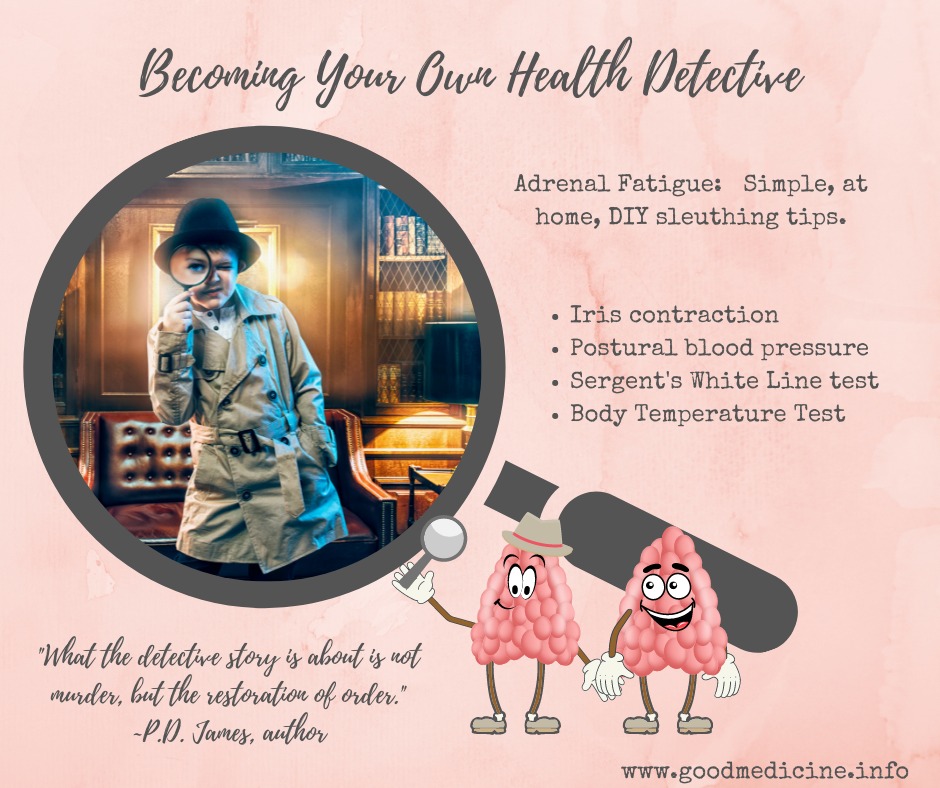
Adrenal Fatigue DIY tests you can do at home


“One small clue can change the way you think about your surroundings quite dramatically.” ~The Lost Art of Reading Nature’s Signs
When last we met, I unloaded a truckload full of clues pertaining to health history, stress history, and the physical health clues to be found within the story and advancing progress of adrenal fatigue. Being aware of your very personal surroundings (your body and history), and caring for your body based upon that history has everything to do with health outcomes. Using the clues you piece together, along with formulating a plan to “correct course” will have a dramatic impact over time. There are four DIY tests for monitoring your adrenal health. Independently, each test is a puzzle piece.
 
4 simple and free tests (combined with the clues mentioned previously) will paint a decent picture of your adrenal health.
 
1. Check eyes for iris contraction: This particular DIY is a study of the 👁pupil’s muscular strength in response to light stimulation, and is an excellent indicator of adrenal gland struggles. Our eyes respond to stress too, by dilating pupils (Hence the term, “deer in the headlights.”).They do this as a means of increasing visual observations of the perceived threat. Remember, “the lion” that may be chasing you could be a looming deadline, a toxic relationship, a chronic health issue, etc. Compared to a real lion chasing you, these common examples may seem benign, but the body and mind cannot discern the difference between a ferocious mammal or a pile of unpaid bills. As stress increases and adrenaline is released, peripheral vision shrinks, which reduces the field of vision to a laser focus on the immediate threat at hand. When the body is in this state, the eyes👁 are focused on the immediate threat, not the other environmental details, and a sort of tunnel vision develops….. Under a single looming threat (aka, “the lion”🦁), the physical effects should wear off as soon as the threat has moved on. If that threat continues to stalk you, small doses of adrenaline continue to release. When the muscles within the iris are exercised in this manner beyond capacity, they grow weary, and want to rest. If you have low adrenal function, the pupil will not hold the contraction(get smaller) easily.
The iris contraction test was originally discovered by Dr. C.F. Arroyo in 1924 as a means to help identify adrenal insufficiency. 🤓Here’s what you’ll do:
Sit in a dark room with a mirror, a flashlight, and a clock that measures in seconds. Sometimes this test is more easily done with a companion. Shine the flashlight across an eye (from the side of the face), and watch what happens to the pupil. Under healthy circumstances, the pupil should contract (get smaller) immediately. In adrenal insufficiency, the pupil will not be able to hold the contraction and will dilate (get larger) again despite the light shining across (not into!) it. How long is your eye able to maintain the smaller contracted pupil size in this test?
  • 20+ seconds : healthy!
  • 11-19 seconds: early clue of adrenal struggles
  • 5-10 seconds: adrenal insufficiency
  • 0-4 seconds: adrenal exhaustion
Note that this test is also a good one to use monthly to measure success during adrenal recovery, and that certain neurological and ophthalmological dysfunctions, medications (ex: stimulants, opioids, some OTC medicated nasal sprays, nicotine, certain eye drops and some chemotherapy agents) , and age parameters (the very young and elderly) may affect the reliability of this test.
 
2. The DIY Postural Blood Pressure Test: For this test, you’ll need an “at home” blood pressure cuff.
  1. Lay down for about 10 minutes, and then take the blood pressure while in that position.
  2. Then, take blood pressure immediately after standing up (from the original laying down position).
  3. Blood pressure should rise 10-20 mm/Hg when coming from a laying to standing position. If it instead drops by 10 mm/Hg or more, and there is not other cause (ex: dehydration, electrolyte imbalance, an injury, or certain medications including blood pressure medications, antidepressants, benzodiazepines, opioids, anti-psychotics),adrenal insufficiency is a strong possibility
  • Increase by 6-10 mm/Hg : adrenal status healthy
  • No change: adrenal status is fair
  • Drops 1-10 mm/Hg: adrenal status is poor
  • Drops by more than 10 mm/Hg: adrenals are exhausted.                                                                                                                                                                                         Note that an overall low blood pressure does not indicate adrenal problems, and also that an overall high blood pressure does not mean an absence of adrenal issues.
3.  The DIY Sergent’s White Line Test: French physician Dr. Emile Sergent first described this test in 1917.🤓 French physician Dr. Emile Sergent first described this test in 1917.🤓 You’ll need your belly and a ballpoint pen.
  1. Stroke your abdomen with the capped end of a ballpoint pen (or something equivalent). Make the strokes one over the other on the same 6 inch line.
  2. Note the reaction of the skin. What color does the skin turn when you quit stroking that area?
  3. In a normal reaction, the mark should be white, but then redden within seconds. If you have diminished arterial tension (a factor in compromised adrenal glands), that color line will stay white for a minute or two and may actually widen.
4.  DIY Body Temperature Test : Dr Bruce Rind MD is another beacon of light within the Western Medicine world. The body temperature🌡 test I am describing is one of his contributions to identifying adrenal distress. Recall that endocrine disorders often have a masquerade party amongst themselves (and other disorders!), making it hard to differentiate who the real party pooper is in your personal health situation. Dr. Rind recommends the following test as a means of identifying hypothyroidism, adrenal dysfunction (or a combination of the two).
  1. Take your temperature by placing an old fashioned thermometer under your arm at a 45 degree angle.
  2. After 10 minutes, record the temperature.
  3. Do this three times a day at 3 hrs after waking, and then 3 hours later, and again 3 hours after that (if you’ve eaten or exercised right beforehand, wait 20 minutes to take your temperature).
  4. Average these three daily readings and record the result.
  5. Do this for 5 days (making sure that during that time you are healthy and not ovulating)
  • If the difference between your daily average temperature reading is no more than 0.2 degrees: no indication of adrenal or thyroid dysfunction.
  • If fluctuating, but the overall average is 98.6, adrenal support is recommended.
  • If fluctuating but overall low, it may indicate both an adrenal and thyroid issue.
  • If there is very little to no fluctuation, but temperature remains low, focus on the thyroid.
So interesting, right? I love how the body speaks📣 to us in very intentional ways. If your body is giving you clues🔎 that your adrenal glands and/or thyroid is in need of serious TLC, it may be a good time to call in a trusted health professional to help you navigate this part of your journey. There are also some advanced labs that can be run to further put the pieces of the puzzle together. Sadly, the majority of standardized health insurance companies do not cover these VIP tests. That said, nothing is more important than your health, and ignoring health clues and foregoing tests because they are a ”too expensive” out of pocket expense will become an exercise of frustration and detriment. I really recommend having a “rainy health day” 💰fund established simply to pay for supplements, oils, alternative health care options, and lab work that traditional insurance won’t cover. You’ll be glad you did!
 
xoxo~ liz
 
Becoming Your Own Health Detective Volume I ( https://goodmedicine.info/my-book/ )
 
PS: Did you hear Dr. Jim Bob Haggerton‘s call last night on adrenal fatigue? It was fabulous and loaded with information! As soon as it’s available, I’ll drop a link to it in the comments section here.
 
#sharingiscaring
#adrenalfatigueisreal
#theapplicationofknowledgeispower
#goodmedicine
#BYOHD
#becomingyourownhealthdetective
#ThanksYL
  • « Go to Previous Page
  • Page 1
  • Page 2
  • Page 3
  • Page 4
  • Page 5
  • Interim pages omitted …
  • Page 15
  • Go to Next Page »

Book Your Health Coaching CallBook Now

Elizabeth James

469.425.9091

ebj0203@gmail.com