• Skip to primary navigation
  • Skip to main content
Book Your Health Coaching Call
Good Medicine

Good Medicine

Holistic Health Coaching

  • Home
  • Liz James
    • About Liz
    • Coaching
    • Book a 20 Minute Complimentary Coaching Call
  • Favorite Resources
    • BlessedByHisBlood
    • Young Living
    • Fast Like A Girl Certified Coach
    • Order supplements through my Fullscript store
    • Green Pasture (Coupon: Health10)
    • RogersHood Apothecary (Coupon: BEABLESSING for 10% off)
    • DolphinMPS
    • Company
    • Abundance
  • My Books
    • Becoming Your Own Health Detective Volume 1
    • Becoming Your Own Health Detective Volume 2
  • Blog
  • Cart

Fatigue

Clues From Our Thyroid – part 1

Liz James · March 22, 2022 ·

Thyroid disorders are like🦎 chameleonic villians. They look different in every person, and their characteristics may change according to their environment. Thyroid disease is a master of disguise! This is important to understand
 

 Two key reasons:

  1. Innocent until proven guilty. It’s estimated that perhaps 18-25% of women have an underlying thyroid disorder (It’s somewhat less common in men). This still means that 75-82% of us (women, for statistical ease) do not. Become well acquainted with your body so that you may better decipher the clues you are being given, and remember that there are many possible causes for almost every clue the body gives. Cluster clues for the win!
  2. Thyroid disease is overwhelmingly mistaken and/or overlooked in favor of other disorders (often mental health related) by the corporate owned medical community. Thyroid diagnosis often requires intuition (Holy Spirit discernment), patience, persistence, and attention to details. If you feel “off”, and yet your doctor tell you “everything looks good”…. Who do you believe? I hope you pointed a finger back at yourself just now. You believe what you know about your body and your refined detective skills!

Function of the Thyroid

While every little organ and gland of the endocrine system is important for stellar body function, very often the trail of tears leads back to the thyroid, the butterfly 🦋shaped gland located just below the Adam’s apple along the front of the windpipe. The thyroid’s function is to regulate all the processes of energy release on microscopic (cellular) and macroscopic (full body) levels. Because hypothyroidism (especially Hashimoto’s) is the predominant thyroid disorder, most of what I write about will be centered upon thyroid deficiency. Grab a mirror (you’ll need it for a few of them!) and your journal and take stock of your own possible crime scene.
 

Symptoms of thyroid deficiency might include:

  • Chronic fatigue or tiredness.
  • Muscular fatigue
  • Puffiness or evidence of fluid retention
  • Difficulty regulating body temperature (chronic feelings of being hot or cold. Recall the posts on body temperature)
  • Development of Reynaud’s Syndrome
  • Reduced pulse pressure and blood pressure
  • Heart rate fluctuations
  • Angina and/or feelings of breathlessness
  • Higher cholesterol. People with subclinical hypothyroidism often have higher levels of LDL cholesterol. Thyroid disease is a major contributor to cholesterol problems.
  • Arteriosclerosis (decreased elasticity of arteries)
  • Changes in bruising or clotting (generally, bruising will become more common)
  • Depression and/or anxiousness
  • Difficulty gathering thoughts, memory, focus and concentration
  • Headaches with unknown origin
  • Moodiness or lack of enthusiasm in life
  • Peripheral neuropathy
  • Carpal tunnel (there is a strong link!)
  • Random shooting pains in the hands and feet
  • Osteoporosis (chronic hypothyroidism can be a contributor)
  • Visual problems: dry eyes, age related macular degeneration, primary open angle glaucoma
  • Loss of the outer eyebrows
  • Chronic constipation
  • Increased incidence of gallstones (thyroid hormones affects the composition of bile and how well it flows)
  • Poor digestion of fats and proteins
  • Decreased stomach acid resulting in poorly digested foods (If this clue is on your radar, grab your YL Essentialzyme and give your body digestive support!)
  • Bloating, gassy
  • Small Intestinal Bacterial Overgrowth (SIBO)
  • Insulin resistance (and therefore) increased risk of developing Type II Diabetes
  • Thicker tongue, perhaps even with scalloped teeth marks on the sides of the tongue.
  • Changes in how food tastes.
  • Periodontal disease
  • Development of a husky or hoarse voice
  • Infertility or difficulty maintaining a pregnancy
  • Heavy periods (There is often a link between hypothyroidism and PCOS)
  • Sex hormone imbalances (progesterone, estrogen and testosterone in women)
  • Loss of libido
  • Postpartum depression (very common)
  • Premature menopause
  • Dry skin
  • Deep cracks and scales on the bottoms of the feet
  • Deep lines on the palms of hands or soles of feet
  • Yellowish orange or reddish color on palms of hands or soles of feet
  • Reddish spots, bumps, or rashes that come and go
  • Acne (often seen in conjunction with testosterone level disturbances)
  • Brittle, flaking nails or nails that fail to grow well
  • Hair loss (on the head) or gaining hair in all the wrong places elsewhere
  • Getting sick more often, especially upper respiratory tract infections and in women, persistent urinary tract infections.
  • Bedwetting in kiddos
  • Delayed wound healing
  • Gaining or losing weight without trying
  • Poor sleep
  • Iron deficiency anemia (roughly 50% of people with thyroid disease struggle with this)
That’s the bulk of this particular crime scene checklist. Thyroid disease is very interesting in that the severity of symptoms often are not reflected in thyroid specific lab work. Lab Work is based on a standardized bell curve and not everyone fits exactly into that bell curve mold. Additionally, many western medicine health professionals only test TSH when first evaluating the competency of the thyroid gland. That alone is insufficient information to determine thyroid function. This list of possible symptoms, while not completely comprehensive, is more valuable in determining the probable health of your thyroid than a single TSH test.
More to come friends.
 
xoxo~ liz
#sharingiscaring
#lovingyourthyroidisgoodmedicine
#itsthelittlethings
#becomingyourownhealthdetective
#goodmedicine

Dopamine – part 4

Liz James · February 1, 2022 ·

🧠Dopamine Deficiency Part IV: More Solutions🧠

Do you struggle with belief in any area of your life? Maybe it’s work…. Self confidence…. Big goals…. If so, know that improving your dopamine balance will only help you grow into living what you struggle to believe. Now would be a great time to grab that bottle of Believe essential oil and become a walking diffuser for yourself. Go grab it now… I’ll wait for you!💕

Gary Young knew which plant chemicals stimulate, protect, and support healthy dopamine levels. And of course, he knew that belief is fueled by dopamine. Essential oils Balsam🌿, Coriander🌿, Bergamot🌿, Frankincense🌿, Idaho Blue Spruce🌿, Ylang ylang 🌿, and Geranium🌿 all fuel belief through their effect on dopamine within us. These are the oils within the blend Believe. Pretty cool right? Gary never made a product that wasn’t highly purposeful!

Other oils that have been found to contain constituents supportive of healthy dopamine levels in the body include rosemary🌿, oregano🌿, thyme🌿, rose🌿, sandalwood🌿, neroli 🌿, palmarosa 🌿, and marjoram🌿 . Did you notice that many of these oils are used in Raindrop massage? Just one more reason everyone should receive a Raindrop on the regular!

God has gifted us with so many natural ways to support dopamine levels. (Go back and review last week’s post so that you’ll have the full combined list!)

🌾Mowing the yard! It may be hard work, but the aroma of fresh cut grass contains a chemical called hexanal (the “green” smell of grass) that stimulates dopamine release.

🌿St. John’s Wort has been found to increase dopamine in the prefrontal cortex of the brain by 40%. Resveratrol has been found to perform similarly ( found in red wine, fresh grapes, dark chocolate, blueberries, peanut butter)

☕️Organic coffee (No more than one cup a day or it may contribute to adrenal fatigue…. A dopamine high followed by a crash!) or a cuppa organic green tea (Have you tried the YL Vanilla Lemongrass Green Tea yet?) is a dopamine supportive treat.

🌿Rhodiola is another herb known to stimulate dopamine receptors and inhibit enzymes that break down dopamine in the brain. Ashwagandha (You might recognize this as an ingredient in Powergize and Endogize) is also an effective adaptogen with supportive dopamine activity.

🧠Pregnenolone is a natural hormone produced in the body that has a positive effect on dopamine levels in the brain. It is an ingredient in hormone supportive Cortistop capsules, PD 80/20 capsules, and Regenolone moisturizing cream. Do a little research on each of these to determine if they might fight your individual hormone balancing needs.

🙌Acupuncture stimulates the vagus nerve, which in turn support healthy dopamine levels. (Go back and reread the section on low vagal tone!)

🎼Creating and performing music boosts dopamine levels even more than listening to your favorite tunes, but all three are effective. Listening to music has even been shown to improve fine motor skills in Parkinson’s patients.

🔥Chronic inflammation reduces dopamine synthesis and release in the brain. We’ve got tools on hand to support a healthy inflammatory response (as opposed to the runaway variety!). Sulfurzyme, BLM, Agilease, and OmegaGize3 are excellent supplements. Nobody can “out supplement” an unhealthy lifestyle…..examine your life and look for offending (and often hidden) toxin triggers in household chemicals, processed foods and drinks, body care products, and makeup.

😴Lack of sleep down regulates dopamine receptors and reduces dopamine receptor availability. You know what to do! Sleep is so very important in ALL aspects of health. Review your sleep hygiene practices and look for “holes in the armor” that may result in interrupted sleep. I LOVE and incorporate Rutavala on the base of my big toe and Immupro (chewable) in my bedtime rituals.

🦀Iron plays a role in dopaminergic neurotransmission. Iron and ferritin levels are important lab values to watch (both for being too low and too high). Natural sources of iron include spirulina ( an ingredient in Multigreens), dark chocolate, spinach, shellfish, organ meats (I highly suggest Sally Fallon’s cookbook Nourishing Traditions), beans, lentils, chickpeas, red meat, pumpkin seeds, quinoa, turkey, broccoli, and fish.

🍋Vitamin C assists with the formation and conversion of dopamine in the brain. Deficient levels of vitamin C may show up as a low mood. Super C Chewables are a tasty way to supplement daily.

🥴Vitamins B6 and B9 are critical for dopamine synthesis. Low folate levels contribute massively to low dopamine levels which may ultimately lead to depression. Super B is another fantastic supplement to help the body in at least a thousand little and big ways.

🪑Alternate between standing and sitting. “Chronic sitting” lowers dopamine levels. Our body was designed to move!

👏Finish a project. Who knew? This in itself causes the brain to flood with dopamine.
Huge (and easy) list, right? And yet, sometimes it may seem hard to get motivated to make the changes. Circle back around….. Grab your bottle of Believe, and start somewhere small. I promise you won’t regret finding your dopamine happy place!

xoxo~liz

#caringissharing#knowbetterdobetter#dopamineisdope#balanceddopamineisgoodmedicine#goodmedicine#BecomingYourOwnHealthDetective

#ThanksYL

Health Clues in Your Colon part 2

Liz James · June 1, 2021 ·

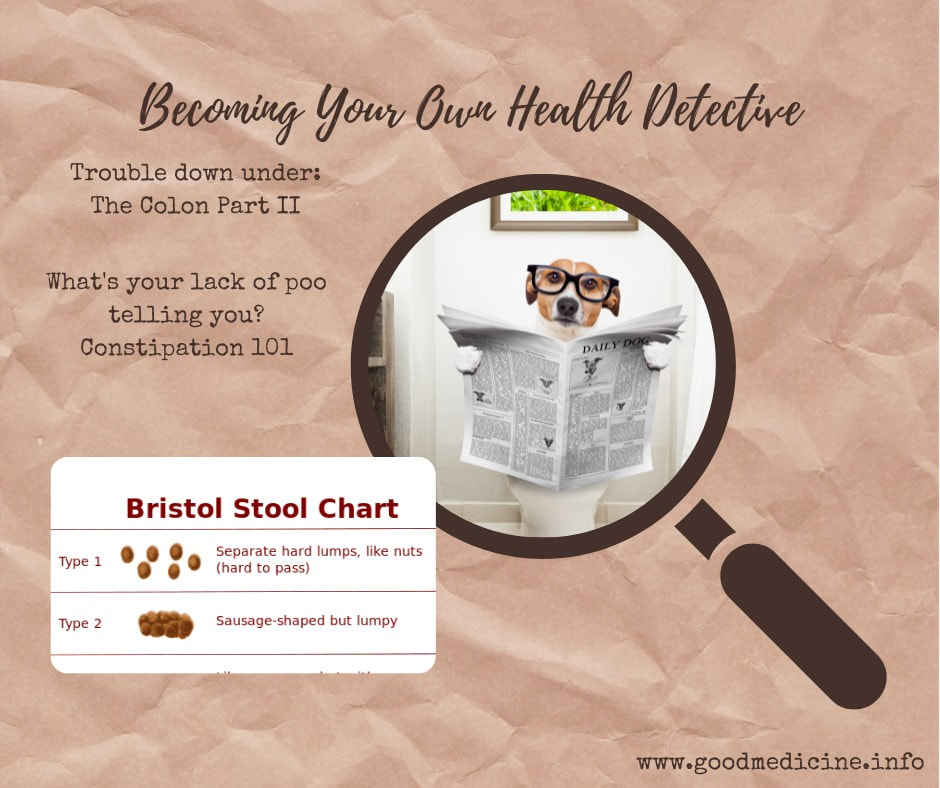
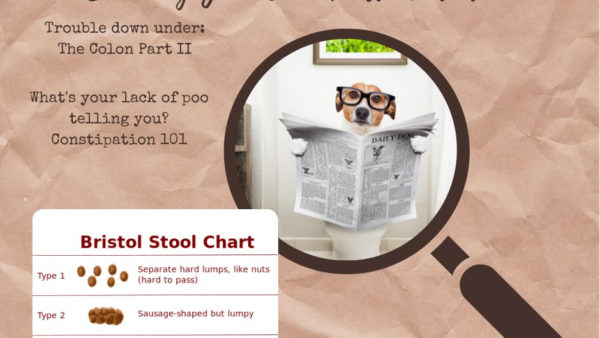
What’s your lack of poo 💩 telling you? Colon Part II
There’s no time like the present to start talking about poo, or in this chat…. lack thereof! Chronic constipation affects roughly 28% of the North American population if we abide by the western medicine general rule that it’s “okay” to have only 3 bowel movements a week. (No wonder we have so many chronic illnesses based on this information alone!😱)
Let’s flush that “3 times a week okay-ness”, and look at how an optimally healthy colon should be functioning.
Healthy gastrointestinal transit time should run somewhere between 12 and 24 hours…… optimally, 1💩 to 3💩💩💩 bowel movements a day help keep the toxin load of a body in check. What happens when the body’s toxin load grows due to lack of appropriate time on the throne? Sickness and dysfunction begin rearing their ugly heads in a variety of ways:
1. Weight gain – toxins stored in fat and it becomes increasingly difficult to lose weight.
2. Fatigue – metabolism is disrupted (yet another avenue of weight gain too!)
3. Skin irritation and rashes occur – we expel toxins thru poop, pee, breathing, and thru our skin. When pooping isn’t happening as it should, other organs often can’t keep up with the detox process either!
4. Headaches and migraines
5. Mood Swings
6. Joint and muscle pains and spasms
7. Insomnia
8. Increased or excessive sweating (the body is trying hard to shed the excess toxins!)
9. Constipation breeds an increased toxin load which leads to even more constipation!
Per statistics found on the National Institute of Health’s website, chronic constipation (THEIR version…. 3x/week pooping) accounts for over 5 million healthcare visits or hospitalizations per year, and over 5.3 million prescriptions written singularly for constipation.
These are large numbers☝️☝️, but imagine how much larger those numbers would be if they were to include not pooping daily and the subsequent results….(numbers 1 thru 8 above).
Constipation is a clue, and it’s also largely fixable with lifestyle changes. Oftentimes, if you fix constipation, other health concerns will also begin to quietly fix themselves! 😉
Low fiber eating habits (ie: processed foods), lack of gut microorganism balance (YL’s Life 9 is KEY here), lack of exercise, dehydration, certain medications (Opiates, some antidepressants, calcium channel blockers used to treat blood pressure and heart disease, medications used to treat Parkinson’s, Iron supplements, NSAIDS, diuretics, antihistamines are all known to cause constipation), a magnesium deficiency, hormonal fluctuations, hypothyroidism, SIBO (refer to earlier discussion) and even colon cancer are common contributors to constipation.
For most people, eating more whole fresh foods, exercising regularly, drinking plenty of quality water, and including a top notch probiotic food or supplement source (Did I mention Life 9 or MightyPro for the kiddos?) along with digestive enzymes (Essentialzyme, Essentialzymes-4, Detoxzyme, Allerzyme, or Mightyzyme for kiddos) will often solve the constipation conundrum.
For those who still need a little extra boost to get you on that throne consistently, consider adding in Young Living’s ICP (that acronym has been affectionately known to stand for “I see poop” amongst those who use it). #useittoloseit ICP is a powder (loaded with soluble fiber and other goodness) that is added to juice or smoothies, making it an easy addition to daily routine.
If constipation is something that plagues you, and you’ve tried #allthethings, it may be time to investigate possible food sensitivities, leaky gut syndrome, or severe gut dysbiosis (unbalanced gut bacteria) with the help of a health professional who is experienced working with patients in this demographic.
Happy flushing!
xoxo~ liz
#knowbetterdobetter
#healthcluesyoucanuse
#fixyourplumbing
#goodmedicine
#ThanksYL

Finding Answers to your own Health Problems

Liz James · December 28, 2020 ·

Last week, I wrote about all the fascinating information you may learn from looking at the clues embedded (literally) in the nether regions of fingernails. You can find that post here if you need to catch up: https://goodmedicine.info/blog/health-clues-you-can-use-1

​A clue means next to nothing if it is singular….. You’ll  need at least a few clues if you are to be sure you are headed down the right path. 


Since we are only in the embryonic stages of becoming your own health detective, here are a few quick self assessment tools every good health detective needs:
*Honesty: If you are to be your own health detective, it’s important to acknowledge lifestyle choices and known consequences. The “it won’t happen to me” mindset will never work….nor will the hypochondriac’s lament. If you are going to do the detective work, be honest with yourself……using your clues to improve your wellness quotient thru diet, lifestyle changes and using supplements (and/or YL essential oils) when you suspect support is needed will go a long way to turning back the physiological clock.


*Labwork: Every adult should have bloodwork  done annually (more often if there is a visible problem). Even the uninsured or “undoctored” can get bloodwork done without seeing a doctor (message me if you’d like help doing this). I’ll cover what I consider “essential” labwork in a future post, so at the very least you’ll know what labs to request your doctor run for you.


*One clue does not make a dis-ease or a diagnosis. #clustercluesforthewin


*How do you feel? Think this over. Do you feel great most days? If your answer hovers more around the “meh” answer, here’s where you’ll want to start. There are many many posts within this group that addresses supportive measures for most of these topics:
👉Do you get enough sleep?
👉Do you exercise vigorously and regularly?
👉Do you know your recent blood pressure and blood sugar numbers?
👉Do you have a “healthy” bowel movement daily?
👉Do you eat in a healthy manner? 
👉Do you have a close set of friends, participate in life fully, attend church?
👉Do you laugh often and enjoy life?
👉Do you avoid vices? (smoking and regular alcohol consumption especially)


*Consider keeping a health journal. Write down your clues as you find them. This will be very helpful to you as you learn how to be a better CEO of Y.O.U Incorporated in 2021, and will also help you decide which supplements or oils might need to be on your monthly “must haves” for 2021.


 *Know your limits. If you have found several clues pointing to a significant health issue, please contact your preferred health professional. Naturopaths, Integrative medicine doctors, and functional medicine doctors are my personal first choice as they tend to look beyond the symptoms and address the root cause.


Last week I read several comments when discussing less than prominent lunula….. Fewer than 8 prominent lunula may be an indication of low cellular oxygen, poor circulation, a chronically weakened immune system, a possible thyroid disorder, or a Vitamin B12 Deficiency. Lots of possibilities, right? If you didn’t know where to start (since this is a first clue), what daily Young Living supplement may be supportive of most of these conditions? (Hint: It’s red ).
xoxo~liz

#sharingiscaring
#applicationofknowledgeispower
#goodmedicine
#ThanksYL
#NingXiaRedChallenge2021
#becomingyourownhealthdetective

Health Clues in Your Fingernails #1

Liz James · December 22, 2020 ·

Learning to “read” your own body is a skill that everyone learned to some degree in days gone by….. much like tracking an animal🐾, interpreting weather signs , or “reading” 🌱 plants in a forest. Failure to do any of these things well could have cost you your life. Now we tend to rely on professionals (or electronics) to work exclusively on our behalf. There are many problems to simply handing over life skills to someone else to manage, not the least of which is personal vulnerability….. I mean, who has a paper map in their car?… and what would happen if your GPS suddenly shut down?


When we wait for someone else to “find” the problem, a slippery slope may result. Just like having low air in a tire, it’s so much easier to air the tire back up and identify and fix the cause of the low tire pressure,  than it is to drive on it until it’s flat and damaged and has to be completely replaced (expensive!!) by a professional. 


Throughout 2021, I’ll be unpacking “health clues you can use” to help you decide which supplements and essential oils may warrant further investigation or perhaps which lifestyle changes your body may benefit from. #wearealluniquelymade

Today, let’s unpack the lunula… finger by finger! 
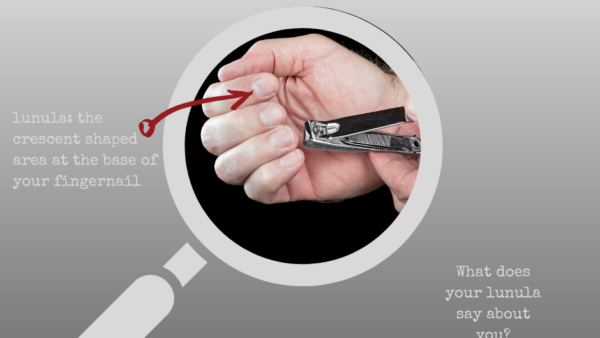
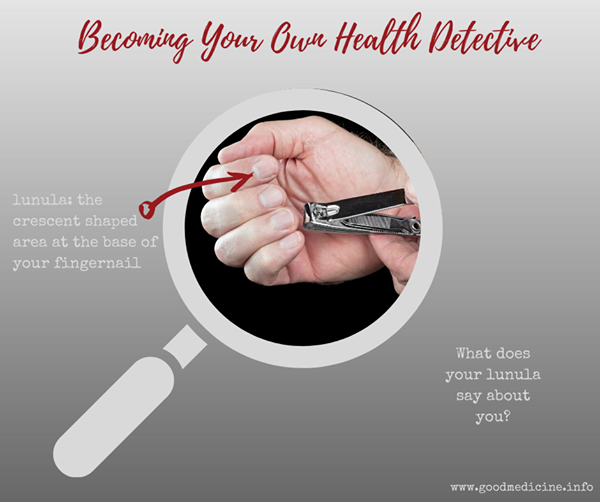
The entire body is a storehouse of clues….. Especially hands and nails! Fingernails are a snapshot of the last 6 months of a person’s health….. The lunula is the crescent shaped area at the base of your fingernails… and that’s the only part of the fingernail I’m talking about today. Ideally, you want  8 of your 10 fingernails to have prominent lunula. Fewer than 8 prominent lunulas on the fingernails may be an indication of low cellular oxygen or poor circulation overall.


Lunula size also differs among different ethnic groups, and they are commonly absent on children. Keeping an eye on “normal” within your individual body is what’s important. Changes in size of the lunula are ultimately what should raise a hairy eyebrow. Overall, if the lunulas grow in size to cover more than ⅓ of the nail bed, if may indicate an ongoing endocrine disorder or cardiovascular issue. If the lunulas have almost disappeared , it may indicate low blood pressure, a weakened immune system, thyroid gland disorder or a vitamin (B12) deficiency.


The overall color of the lunulas are important too (taking into consideration…. Did you squish it with a hammer recently?!?😣)


Gray: severe fatigue, digestion disorders, and possible nutrient deficiencies
White: healthy and natural. Should be several shades lighter than skin tone.
Purple: poor circulation and lack of oxygen.
Pink: may indicate lower levels of physical activity and lung function
Black: a common symptom of heavy metal poisoning
Half pink/ Half white accompanied by a thinner darker band of color: possible kidney dis-ease. 


Moving on to each finger……
Pinky Finger: the lunula should be nearly invisible. Its appearance may be an indication of the function of small intestines, kidneys, and heart.
Ring Finger: the lunula should be prominent, and may be related to the health of the reproductive and lymphatic systems, and to a lesser extent, the digestive system.
Middle Finger: should also be prominent, and may be related to the health of your brain and vascular system. If your lunula is absent on this finger, it may indicate a potential issue with blood vessels or higher blood pressure.
Index Finger: should also be prominent. If it is tiny or nearly gone, it may indicate issues with your intestine or pancreas (get your glucose checked! Home meters are very inexpensive and do not require a prescription). A tiny or absent lunula on this finger may also indicate a chronic (not acute) upper respiratory dis-ease.
Thumb: should also be prominent, but not more than 25% of your nail bed. It may be an indication of the workings of the lung and spleen.


Matthew 24:28 contains an interesting proverb. “For wherever the carcass is, there will be vultures gathered.” There is a wise lesson here. Seeing one clue does not mean much….. until you put them together with many clues (the difference between one vulture flying over head vs several circling). Clue gathering is a talent, but it’s one we can ALL cultivate…. After all, our ancestors did it with little to no formal education!
Let’s have some fun………knowing what your lunulas just “told” you, how did what they say align with what you already know about your body? AND, which  YL essential oils or supplements is your body asking for based upon these clues?
xoxo~ liz

If you’d like more information in an individualized coaching format, 2021 is the year to do it!


#caringissharing
#applicationofknowledgeispower
#goodmedicine
#goodmedicineisknowingthyselfwell
#ThanksYL
PS: Do not interpret this post as medical advice…. My intention is not to diagnose, treat, or cure anyone…. only to raise awareness that you are the lone CEO of your body, and you can easily gather the tools to build a healthier life! Consider making 2021 your year to learn to read the roadmap that is your body!

  • « Go to Previous Page
  • Page 1
  • Page 2
  • Page 3
  • Page 4
  • Interim pages omitted …
  • Page 6
  • Go to Next Page »

Book Your Health Coaching CallBook Now

Elizabeth James

469.425.9091

ebj0203@gmail.com