


• Skip to primary navigation
  • Skip to main content
Book Your Health Coaching Call
Good Medicine

Good Medicine

Holistic Health Coaching

  • Home
  • Liz James
    • About Liz
    • Coaching
    • Book a 20 Minute Complimentary Coaching Call
  • Favorite Resources
    • BlessedByHisBlood
    • Young Living
    • Fast Like A Girl Certified Coach
    • Order supplements through my Fullscript store
    • Green Pasture (Coupon: Health10)
    • RogersHood Apothecary (Coupon: BEABLESSING for 10% off)
    • DolphinMPS
    • Company
    • Abundance
  • My Books
    • Becoming Your Own Health Detective Volume 1
    • Becoming Your Own Health Detective Volume 2
  • Blog
  • Cart

Bladder

Pelvic Floor Health Tips

Liz James · February 11, 2024 ·

My friend and colleague Miranda knows her stuff. The results of a misunderstood, mismanaged, or under-maintained pelvic floor are probably one of the most common health and wellness complaints for women (and men too!). There ARE answers out there…… and little things implemented can add up to big victories.
xoxo~ liz
 
Infinite Radiance Wellness, LLC 
 
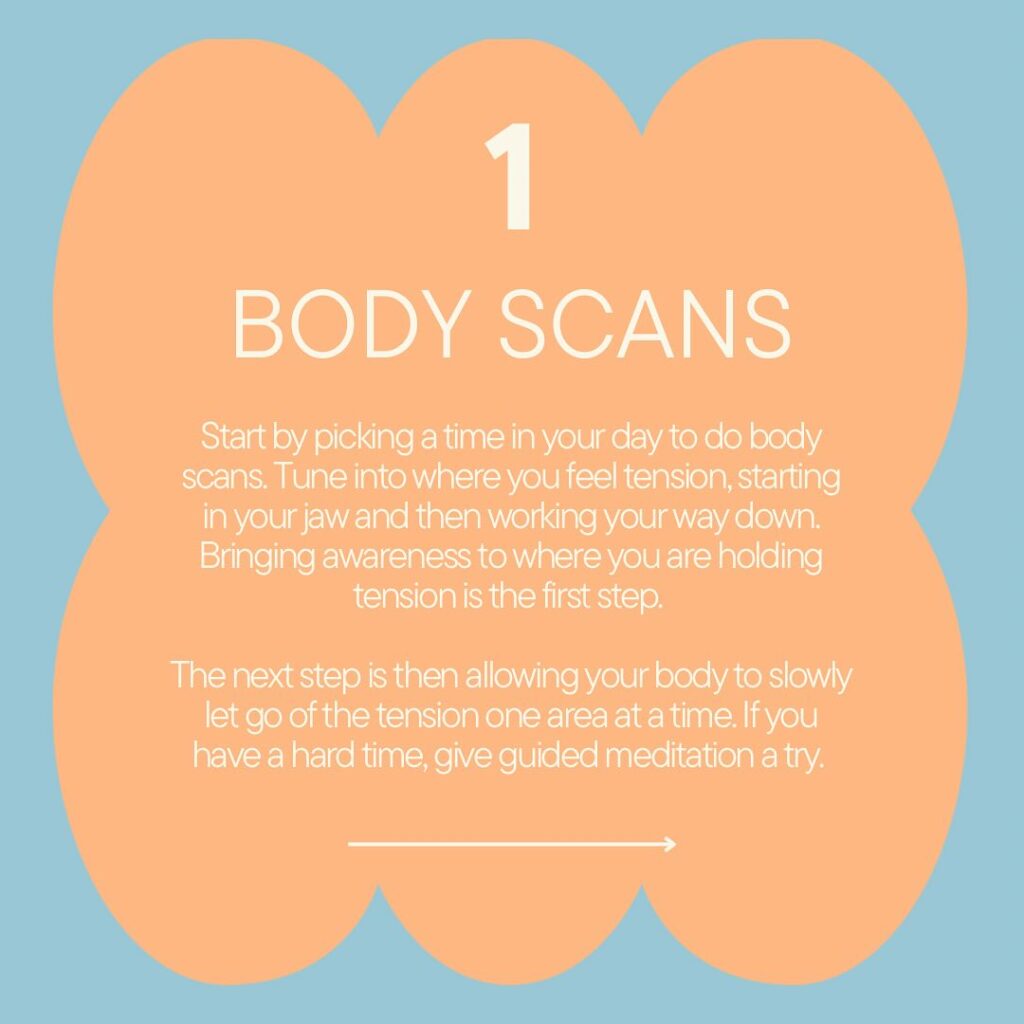
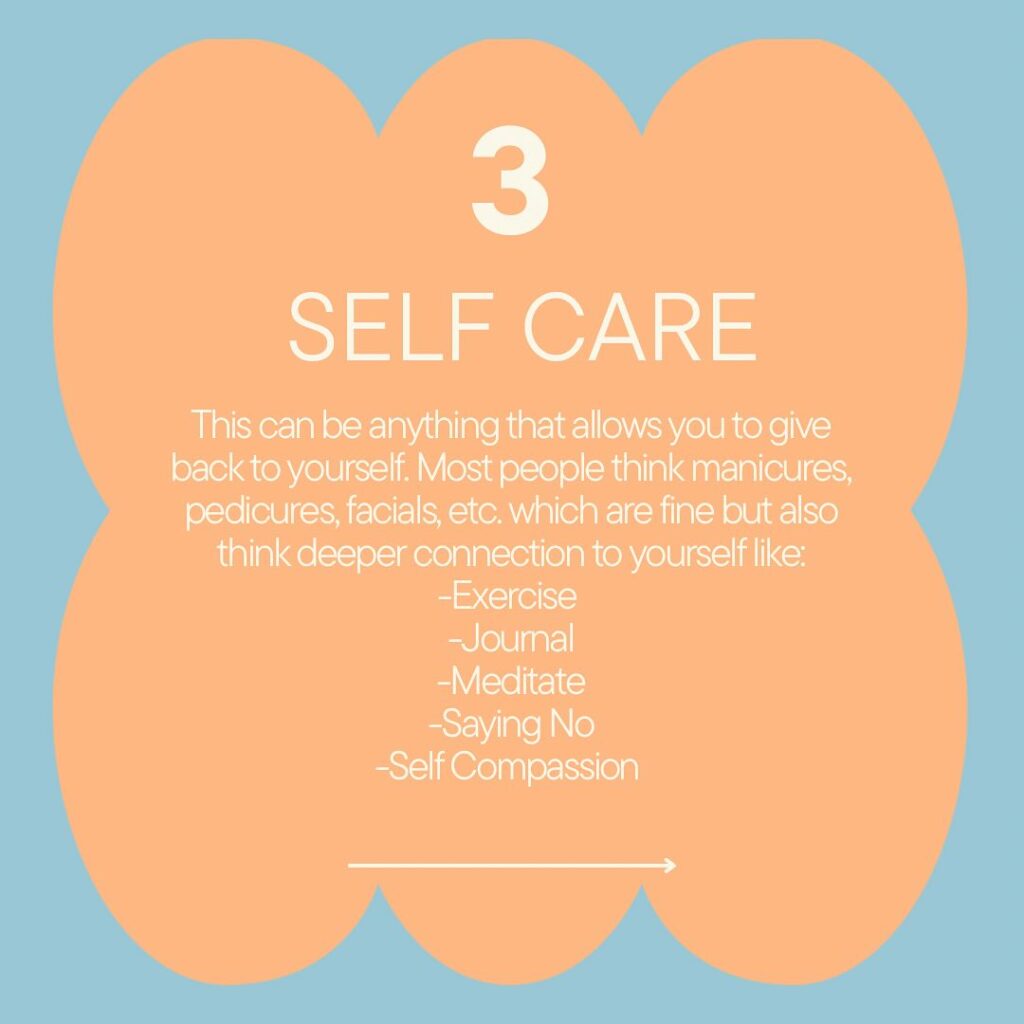
Did you know that tension you hold in your jaw, neck, and shoulders impacts your pelvic floor?✨
🔎 Swipe to learn how!
📚You might still be wondering “so how does the jaw and pelvic floor impact each other?” Well our bodies are so fascinating and actually your jaw/neck and pelvic floor muscles are connected by the same connective tissue!🤯
❓Still have questions? Let me know below or send me a DM
 
💬 Put “ME” in the comments or DM if you struggle with this and would like a free resource of mine to help you 💛
#pelvicfloor #pelvichealth #pelvicfloortension #hypertonicpelvicfloor #prolpase #leakage #constipation #urgency #infiniteradiancewellness #infinitelyradiant

Pelvic Floor Health

Liz James · February 7, 2024 ·

I’m back from a whirlwind 12-day trip of teaching up North (I’ll post more on my trip soon) ….. and so is yoga, tonight (Wednesday) at 6:30pm at McKinney Fit Body.
Yoga is a form of medicine, and tonight’s class focus will be on improving pelvic floor strength. If you’ve never thought about (or heard about) your pelvic floor, here are a few reasons what, why, and how yoga helps with pelvic floor issues.
🧘‍♀️The pelvic floor consists of 16 muscles as well as foundationally important ligaments and nerves.
🧘‍♀️It’s the very base of our core muscles, and supports the bladder, uterus, vagina, and rectum.
🧘‍♀️Affects WOMEN and MEN. In men, it’s often misdiagnosed as prostatitis and may result in erectile dysfunction. (50% of all women to some degree, and 10-15% of men).
🧘‍♀️Strong pelvic floor muscles help control the bladder, bowels and improve sex (both genders). Also helps stabilize the pelvis and spine (balance)… we wanna keep this area strong as we age!
🧘‍♀️The state of the glutes is a window into what the pelvic floor looks like. Weak glutes are a sign the pelvic floor is too tight in one direction only. (in hypertonic state, urinary frequency, interstitial cystitis, IBS, painful intercourse, lower back pain)
🧘‍♀️For many, the problem is that some of the muscles in our pelvic floor are too tight: Hypertonic: resulting in urge incontinence- This is where yoga comes into play… the muscles need to learn to relax thru specific exercises which promote relaxation & deep breathing techniques which positively affect the pelvic floor.
🧘‍♀️There’s also a hypotonic (weak muscles) state many people have. That leads to leakage with no warning and is often improved with core strengthening (which can be achieved through your workouts and also through yoga).
Because of the complex workings of the pelvic floor, the body needs to re-learn to self-regulate and it can do this through exercises that BOTH STRENGTHEN AND RELAX the pelvic floor.
If you have experienced any of these things, there’s a high probability that your pelvic floor could use some TLC:
👉Pregnancy, sitting too much, lack of exercise, surgery (use it or lose it)
👉Some people actually have overly tight pelvic floors from bad posture or sitting too much. Overly tight in one “way” makes it weak in all the other ways it moves.
👉Other people have an imbalanced pelvic floor because they always cross the same leg or stand putting majority of weight on the same leg or always using a dominant leg (like a soccer player)
Ultimately, poor pelvic floor tone will lead to bladder leakage, digestive problems, back pain, and poor posture.
A healthy pelvic floor is also linked to better balance and bladder health….. especially as we age.💖
Yoga is functional medicine friends. Come tonight and get your stretch on! Message me for details if you’re local and would like to come. Walk-ins are always welcome, and no experience is necessary!
xoxo~ liz
#mckinneyfitbodyyoga
PS: Essential oils that you may find helpful for pelvic floor spasms include AromaSiez, Marjoram, Roman Chamomile, Lavender, Ylang ylang, Clary Sage, Geranium, Cypress, Lemongrass (DILUTE heavily with a carrier oil… it’s a hot one!). Apply to the lower area of the abdomen as needed.

They’re Back!

Liz James · November 2, 2022 ·

Thank you Jesus…… K&B is back in stock! I have a few people dear to me whose lives have been forever changed by K&B. K(idney) & B(ladder)…. if you need some support in these areas of your body… it just might be your deal maker too. Have you tried it?
xoxo~ liz
(PS: I’m happy the other two are back in stock too 😉)

Health Clues from Your Urine – part 2

Liz James · October 28, 2021 ·

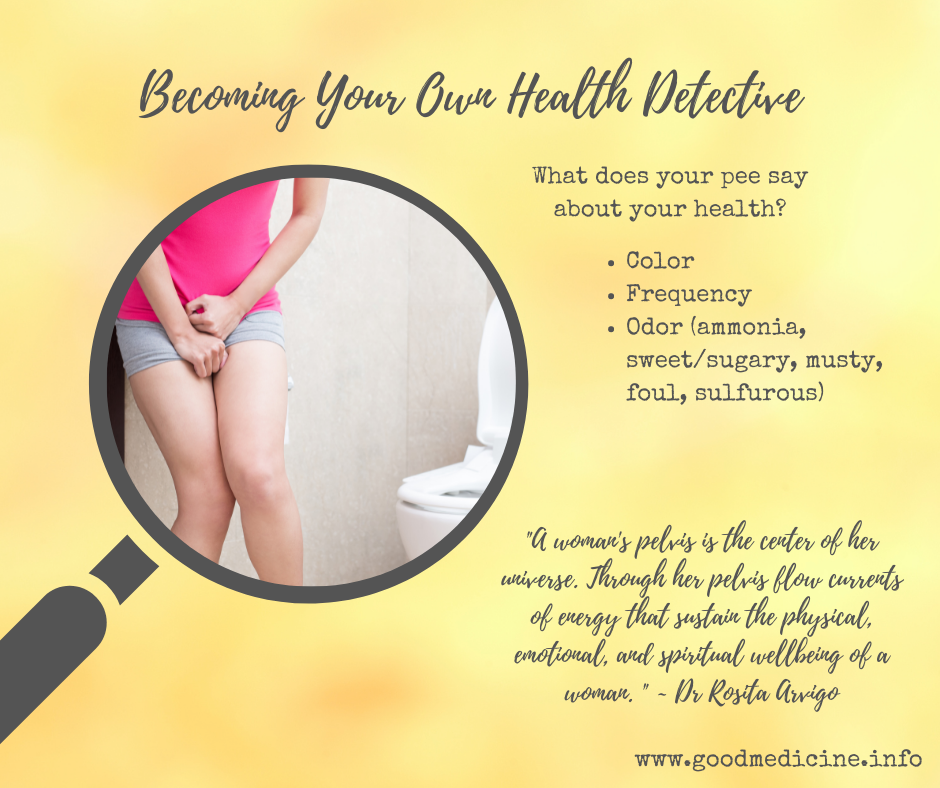
What does your pee say about your health?  PART II
*Urine, in most healthy situations, should be seen but not smelled. There are exceptions of course (Have you ever experienced “asparagus pee”?), but the offending odor should be transient and not trending towards permanence. Urine with a strong ammonia smell may indicate dehydration or bacterial infections. A sharp change in hormones (ie: pregnancy or menopause) may also contribute to pungent pee. “Sweet or fruity smelling” urine may indicate a high ketone content in urine as is often seen in unregulated diabetes.  Some medications can certainly create an environment for malodorous micturation. Sulfa based medications (note: sulfa and sulfur are NOT the same chemical entity), antibiotics, diuretics, birth control pills, lyrica, tramadol, and oxycodone are also potentially causative agents of stinky pee.


Frequent urination is a topic near and dear to my heart (and bladder). An estimated 33 million people in the USA struggle with this health clue. Having a spastic bladder can be a nuisance or it can be downright life limiting. The causes (clues) are varied:
🔎Urinary tract infection (pair with urine color and odor)
🔎Low estrogen levels (resulting from a hormone imbalance, menopause,or even excessive exercise)
🔎Pregnancy or post childbirth, chronic constipation, chronic coughing, frequent heavy lifting, obesity, pelvic floor weakness (see unbalanced pelvic floor muscles below) 
🔎Enlarged prostate (men)
🔎Diabetes
🔎Spinal cord injuries or dysfunctions
🔎Pelvic floor muscles (there are 16 of them) are unbalanced. Think of a webbed hammock where some of the webbing is strong and others are weak. Each muscle needs to be equal in strength. If this is a known issue, kegel exercises are not the answer. You’ll want to find an excellent pelvic floor therapist to guide you in your strengthening and healing process.  
🔎Medication (ex: diuretics, lithium, steroids)
🔎Emotions. The bladder and kidneys are the home to emotions related to fear and anxiety. According to Traditional Chinese Medicine, chronic bladder and kidney issues may correlate with “difficulty finding their place in life”. Many women (and men) who have a weak pelvic floor  often report lacking support somewhere in their lives. Please do not underestimate the importance of healing emotionally when looking for ways to heal physically. Our issues do indeed reside in our tissues.  There is an excellent book entitled The Body Keeps Score, by Dr. Bessel van der Kolk (MD)  which explains the importance of resolving the emotional ties to specific health conditions. #worththeread
🔎Interstitial cystitis
Interstitial cystitis is where my🙋‍♀️ personal “overactive bladder” story began in 2002. IC is an enigmatic chronic bladder condition  that causes varying degrees of pelvic pain and discomfort. It also causes a chronic and constant need to urinate. Imagine having stomach ulcers in your bladder. That’s the best way I can describe what it felt like. In my case, it took nearly 3 years and 4 different doctors before finding one who suggested a cystoscopy to confirm her suspicions. As with all inflammatory disease states, what we expose ourselves to matters. I was blessed with a doctor who actually took the time to educate me on the truth of this. Instead of pushing me towards medication, she urged me to begin a strict elimination diet, stay well hydrated, and to learn to manage stress better. Wow! Imagine what our health care would look like if all western medicine based doctors would prescribe this type of sage advice! 🙌


Learning which foods and lifestyle choices triggered a worsening of my urge to pee was eye👀 opening indeed. Sometimes it was hit or miss, and I would often pay the price by having to get up 7-8 times a night to go to the bathroom.  A serendipitous travel situation in 2008 completely changed everything when I discovered that nearly all processed foods were inflammation causing agents. I couldn’t believe how much better I felt in the presence of 100% fresh clean food! Staying well hydrated with filtered water quickly became key to keeping my bladder happy too. I know it may sound counterintuitive to strive for a full bladder to pee less….. Diluting toxins in the bladder makes what’s in the bladder less of an irritant!  
Fast forward to 2013 when I was introduced to Young Living products. I had learned to manage my interstitial cystitis as holistically as possible, and in doing so, I had dodged the very real bullet of daily self catheterization that often occurs with people who have severe IC. I still had some nasty flare ups, and was still getting up 4-6 times a night (on average) to pee. One of the “thank you”  products I had received from my Young Living monthly subscription order was Sulfurzyme. It was free, looked interesting, and tho I hadn’t really identified a personal need, I decided to take it. According to the YL website, Sulfurzyme may be of value to anyone who wishes to support their joints, range of motion, bone health, metabolic function, immune system, hair and skin. Within two weeks of taking Sulfurzyme faithfully I began noticing enormous changes within my bladder along with a decreased urge to urinate. Around that time, I also began using a DIY face serum recipe which contains Frankincense and Lavender every morning. Should I have been shocked that what I put on my face also happened to make my bladder very happy? In 2014, I was still learning essential oil basics, and this was a lesson to the truth that oils work best in “all the ways” when they are used. Get them out of the bottle and into the air or on your skin. You just never know what might happen with regular consistent use. 😉


I’ve continued to clean up my “issues within my tissues” over the years, and I am so much healthier in mind, body, and spirit than I was when I was in my 30’s.  This is a lifestyle, not a “once ‘n done” kind of thing. Freedom is never free, especially in the case of a health condition. I had to be willing to do the hard work, to live like no one else sometimes, and to listen to what my body needed. Everyone has their own story, their own diagnosis, their own emotional journey to recognize. Overcoming ( ____________ ) requires change and the courage and willingness to do so. As they say, “Insanity is doing the same things over and over again, and expecting different results.”  I pray you are discovering yourself as you become your own health detective. Learning to read your own health clues and then acting on those clues is true self love. Never forget that each of our bodies is a temple and as such, requires tender loving care and maintenance every single day. You are worth it!
xoxo~ liz


#sharingiscaring
#goodmedicineisnotfasteasyorcookiecutter
#goodmedicine
#thanksYL

Health Clues from Your Urine

Liz James · October 21, 2021 ·

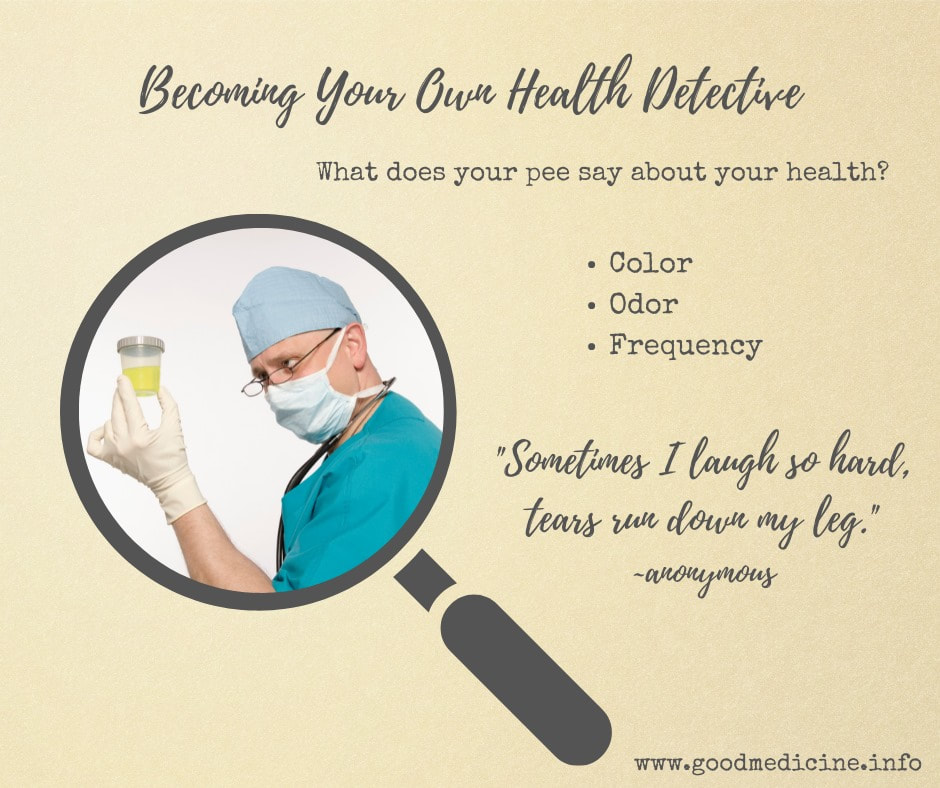
What does your pee say about your health? Part I


Have you noticed that body fluids often take center stage in a crime scene? The same is true in a health detective scenario.  A urinalysis may reveal such things as hyperglycemia, diabetes, kidney stones, blood in the urine, or a bacterial infection.  Even without an official set of eyeballs and a urinalysis machine, the average Joe (or Jill) can still glean much from examining their “pee life”. 


 *Urine is a pretty interesting body fluid. As the body breaks down amino acids, ammonia (a potent toxin) is left over as waste. Ammonia is then broken down into urea (predominately by the liver), combined with water, and then flushed out of the body through the kidneys and bladder.


 *Urine is 95% water & 5% urea combined with other solids. Those “other solids” typically contain over 3000 chemical compounds which result from daily exposure ……ie: what we eat or drink, drug byproducts, bacterial waste, household chemicals, skin care products, pollution, work related toxins, etc. As you might imagine, chronic exposure to some of these more nefarious compounds can cause some unpleasant effects on the kidneys and bladder over time. Thankfully, we have Young Living clean skincare, the Savvy makeup line, and the Thieves Household Cleaner which can eliminate many routes of daily toxin exposure. 


 *Urine color is an easy clue to observe. Ideally, urine should be a “pale lemonade” color. If the yellow color is any darker than this, it is usually a sign of dehydration. The more dehydrated a person is, the darker yellow the urine will be. Dehydration can be acute or chronic (often seen in the elderly), and can easily lead to brain fog, headaches, dizziness and  constipation. Considering an estimated 75% of the USA population is chronically dehydrated, this may be a VERY IMPORTANT CLUE to monitor regularly.


 *Red or pink urine may be a clue that there is blood in urine (Time to involve a health professional). Bear in mind, foods such as beets, blackberries, and rhubarb may turn urine pink in some people!


 *Urine which has a brownish to orangish tinge may also reflect dehydration or an underlying liver condition. (Hint: if urine is dark and stools are light in color, the liver is likely struggling). There is a serious medical condition called rhabdomyolysis that can also cause this color change. Rhabo is caused by muscle breakdown in the body, and can happen as a result of a traumatic event, over exertion, or as a possible side effect from statins (a class of cholesterol lowering medications) and some of the newer vaccines. A medication called phenazopyridine will usually turn urine reddish orange as a non harmful side effect.


 *Cloudy urine is often a sign of an impending urinary tract infection or kidney stones.


 *Foaming or “fizzy” urine may indicate excess protein in the diet. If this type of urine is a regular occurrence, it may be time to bring it to the attention of your favorite healthcare professional.


If you’d like to show your 💛kidneys and bladder💛 a little extra love, let me introduce you to Young Living’s K&B liquid supplement. Those who know and use K&B love her well and do not want to imagine life without her!


*NingXia Red is another way to shower some serious love on your 💛kidneys and bladder💛 (as well as the rest of your body). 


See you next week…. We’ll chat about the clues behind urine odor and frequent trips to the bathroom.
xoxo~ liz


#sharingiscaring
#goodmedicine
#whatismypeetellingme
#ThanksYL

  • Page 1
  • Page 2
  • Page 3
  • Go to Next Page »

Book Your Health Coaching CallBook Now

Elizabeth James

469.425.9091

ebj0203@gmail.com