• Skip to primary navigation
  • Skip to main content
Book Your Health Coaching Call
Good Medicine

Good Medicine

Holistic Health Coaching

  • Home
  • Liz James
    • About Liz
    • Coaching
    • Book a 20 Minute Complimentary Coaching Call
  • Favorite Resources
    • BlessedByHisBlood
    • Young Living
    • Fast Like A Girl Certified Coach
    • Order supplements through my Fullscript store
    • Green Pasture (Coupon: Health10)
    • RogersHood Apothecary (Coupon: BEABLESSING for 10% off)
    • DolphinMPS
    • Company
    • Abundance
  • My Books
    • Becoming Your Own Health Detective Volume 1
    • Becoming Your Own Health Detective Volume 2
  • Blog
  • Cart

Stress

Health Clues from Your Small Intestine

Liz James · May 18, 2021 ·

How much attention or thought do you put into your small intestine? Rarely do we hear much about this “small” organ. “Little things” can often be overlooked and in doing so, clues can easily be missed. Truly, the small intestine isn’t so very small….. It’s a 15-20 foot long digestion and absorption machine….. Usually overshadowed by its fore and aft kinsmen, the stomach and large intestine.. 


I relate to the small intestine as a middle child myself!😜  The stomach and large intestine have their individual strengths and frailties. While the small intestine has its own set of “responsibilities”, its wellbeing is greatly affected by sister stomach and brother colon.


If you’ll recall from last week’s chat about the stomach, having low stomach acid is not a good thing and may lead to some significant issues that literally drain into the small intestine. Have you ever heard of the term SIBO? It’s an acronym for Small Intestinal Bacterial Overgrowth, occurring when bacteria in the colon (large intestine) travels upwards into the small intestine where a relatively small amount of bacteria should be present on any given day thanks to stomach’s healthy acid content and cousin pancreas’s contribution of digestive enzymes! If either the stomach or colon (or both) don’t perform as they should, the small intestine will suffer.


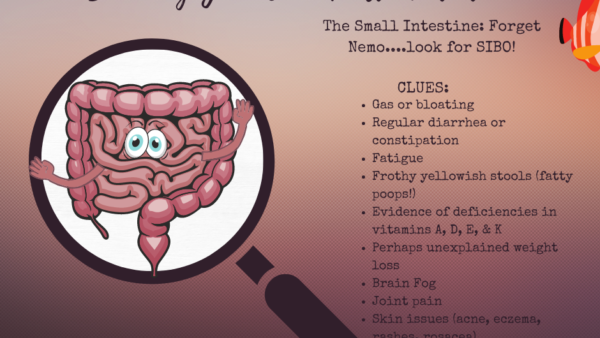
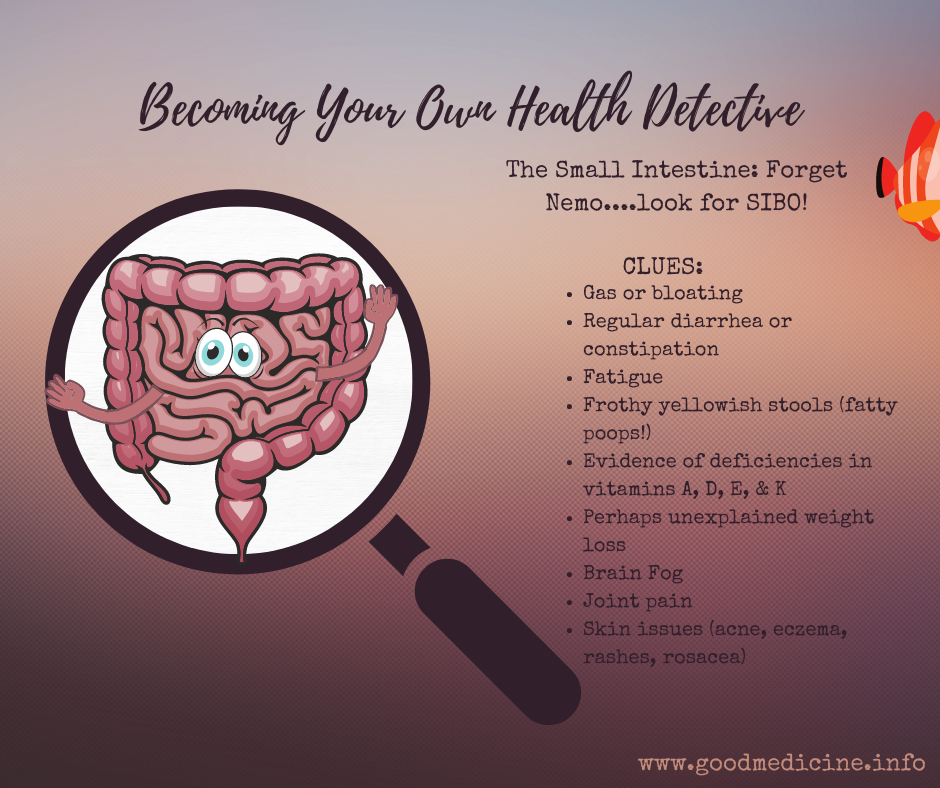
I’ve listed common clues of SIBO on the graphic.  None of them are drop dead urgent clues, right? Annoying, irritating, and perhaps even aggravating ….. but nothing that would cause an urgent SOS trip to your favorite health professional.
In a perfect digestive family environment, a healthy small intestine is a strong contributor to overall health. It facilitates absorption of some minerals (including sulfur, calcium, copper, iron, & zinc), fat soluble vitamins A,D,E &K, B vitamins, and Vitamin C. Small intestine also facilitates absorption of sugars, proteins, cholesterol, and bile salts.  It allows these nutrients to be absorbed all the while blocking foreign substances (ie: toxic “bullies”) from also being absorbed. If the small intestine walls become inflamed and damaged, it is unable to effectively discern between friend and foe, and bad influencers make it into the family body.


SIBO, if left unattended, contributes to:
🔥IBS, Diverticulosis, Crohn’s, Celiac, poor gut motility (greater than 75% have confirmed SIBO)
🔥Fibromyalgia  (78% have confirmed SIBO)
🔥Restless Leg Syndrome
🔥Interstitial Cystitis
🔥Diabetes
🔥RA, Scleroderma, and other autoimmune disorders
🔥Skin conditions
🔥Nutritional deficiencies
🔥Neuropathies due to deficiencies


In addition to poor stomach acid production, common contributors (aka lifestyle clues!!) to SIBO include: 
🔎Stress
🔎Poor diet (review what is typically known as the “Standard American Diet” / aka “SAD” indeed!)
🔎Mechanical issues (low stomach acid included here!)
🔎Antibiotic use (especially recurrent use)
🔎Regular use of acid reducers or proton pump inhibitors (ex: Nexium, Protonix, Prilosec)
🔎Opioid use (results in gut motility issues)
🔎NSAID use (ex: Ibuprofen, Naprosyn… damage the lining of the intestine)
🔎Gastric bypass surgery
🔎Moderate (or greater) alcohol use (est 90% have confirmed SIBO)
🔎Aging (due to decreased stomach acid and enzyme production)
🔎Long term colon dysfunction ( 78% of those with IBS have confirmed SIBO)


👉👉Note that while SIBO can be age related, it’s not uncommon to find it in children👦👧👶 who have chronic constipation/ diarrhea, have received antibiotics, are formula fed, or have received medication for reflux, or whose eating habits mirror the standard American diet.


It is estimated that 20-22% of the US population has some form of SIBO, and while there are ways to identify it through functional medicine testing, perhaps it may be more economical to simply identify existing physical and lifestyle clues, and then proceed towards alleviating the problematic areas.

 
❤️Showing the small intestine some love thru a healthy diet, adequate exercise, proper amounts of sleep are an excellent start! ❤️
Additional ways to support and love on the small intestine include:
❤️Consume 30-45 grams of soluble fiber daily (Hello Young Living ❤️Balance Complete Meal Replacement Shakes!)
❤️Digestive Enzyme supplements that contain Betaine HCl (Hello YL Essentialzyme caplets!)
❤️Probiotics (Hello YL Life 9 and for kiddos….. MightyPro!)
❤️Organic bone broth
❤️Olive leaf extract (Hello YL Olive Essentials capsules!)
❤️Young Living’s Peppermint, Caraway, Oregano, and Cinnamon Vitality essential oils. If you are a science hound, do some digging in pubmed.gov for a gold mine of information. If you are not a science hound, just know that these oils are your small intestine’s friends! 


Remember that our bodies are constantly giving us clues which buys time before “big things” generally happen. I’m so thankful that the body has the resilience and capability to restore itself to good health when clues are recognized and supportive measures are implemented. SIBO is a clue itself, indicating a potential downward spiral of the entire body at some point in the future if not addressed. 
Indeed…. Seemingly small things can often be important big ones! 
xoxo~ liz

#sharingiscaring
#digestivehealthclues
#healthcluesyoucanuse
#goodmedicine 
#findingSIBO

#ThanksYL
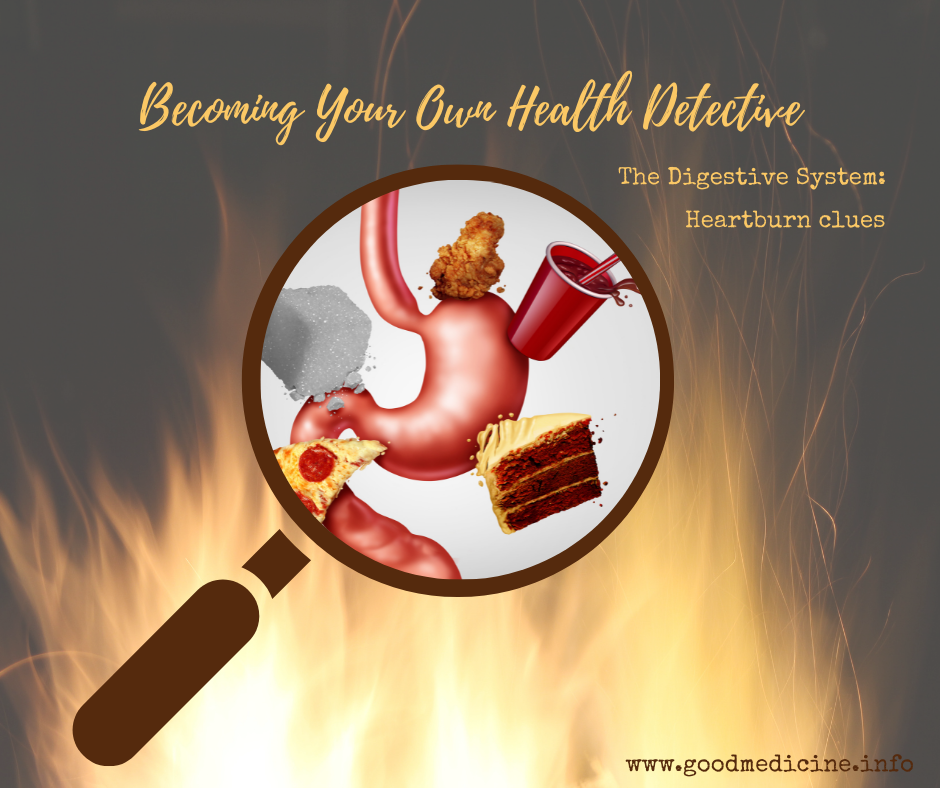
Health Clues from Heartburn

Liz James · May 10, 2021 ·

Down the alimentary canal we go….. Clues you can use from your head to your tush!
I’ve gone round and round in my head about how best to approach this next topic. It’s a “which came first…. the chicken 🐣or the egg situation”, so I will leave it up to you as to how you choose to run with these clues! 


As we travel down the alimentary canal, some of the roughest waters are located right beyond the oral cavity. An estimated 60-70 million people have chronic digestive disorders in the USA, with 25% of the adult population experiencing weekly symptoms of reflux. 


Here’s “the chicken”: 
 – Reflux commonly results from either a mechanical dysfunction or environmental trigger. Mechanically, it may be caused by a diagnosed hiatal hernia, pregnancy, excessive weight, eating a large meal too close to bedtime……there are others, but these are the biggies.
Biochemically, certain foods and beverages may also trigger reflux in some people. Spicy, oily, or fried foods, alcohol, and caffeine are well known irritants.
👉👉There are two other under diagnosed but VERY COMMON dysfunctions….. Hypochlorhydria: a deficiency of hydrochloric acid in the stomach and insufficient digestive enzyme production within the body. 👈👈
Causes of low stomach acid include: 
 – Stress
 – A deficiency of Zinc or B vitamins
 – Medications taken for reflux 
 – Gastric bypass surgery
 – Age – people over the age of 60-65 are most likely to have inadequate stomach acid production
Before refrigeration and the advent of the processed food industry, normal diets were rich in food that contained prebiotics, probiotics, and enzymes that supplemented what was already made within the body. Sadly, the Standard American Diet (aptly acronymed ‘SAD’) contains none of these, and the “fakeness” of many foods has made the digestive process even harder to accomplish.


Digestive enzyme insufficiency has several possible causes:
 – Gallbladder removal
 – Crohn’s or Celiac 
 – Leaky gut
 – Chronic Stress
 – Inflammation (often due to toxin load)
 – Genetics
 – Aging


Certain diseases affecting the pancreas     
Low stomach acid and/or insufficient digestive enzymes can cause a cluster of clues over time….
🔎Bloating and burping
🔎Upset stomach that sometimes feels worse when you take supplements
🔎Heartburn or indigestion
🔎Diarrhea and gas
🔎Hair loss
🔎Fatigue
🔎Protein, B12, Calcium and magnesium deficiencies
🔎Neurological issues such as numbness, tingling, and vision changes
🔎An appearance of or worsening of an autoimmune disorder (lupus, allergies, asthma, skin conditions, etc)
🔎Osteoporosis


Prescription trends reflect this stat: Approximately 65 million prescriptions are written for reflux medications on an annual basis…. The most common being💊 acid reducers. 
WAIT. WHAT??!?!?  If the reflux problem is commonly related to too little acid in the stomach, why in the world are drugs like 💊Pepcid, Prilosec, Nexium, Protonix 💊prescribed so regularly? After all, they are designed to reduce acid in the stomach.  That, my friends, is the multi- billion dollar question you’ll need to ask Big Pharma about.  
I make no recommendations to quit any medication without talking to your favorite health care professional first. I’m not a doctor…. only an observant pharmacist who knows when things don’t add up. #followthemoney
And now we come to “the egg”….. the medications regularly recommended for heartburn. You see, the drugs within the acid reducing class are approved by the FDA for short term use only (generally 8 weeks or less) and yet we all probably know multiple people who have been on them for years.


What happens when the pH within the stomach continues to slowly become more alkaline? 
* A worsening of B12 deficiency which affects many parts of the body, but especially the nervous system. Prolonged deficiency increases the risk of dementia and neuropathy. 
* An increased risk of hip, wrist, and spine fractures due to accelerated osteoporosis
* A 50% greater risk of pneumonia
* An increased risk of a cardiovascular event 
* A worsening of overall digestive problems
* Increased risk of kidney disease


How can this particular  “chicken/egg” question be avoided? The biggest answer to nearly everything we talk about is always going to revolve around diet, exercise, stress management, sufficient sleep, and removal of toxins whenever possible.  It’s not always easy to incorporate enzyme and stomach acid supportive foods into today’s daily eating habits, and yet they are a valuable and needed piece of the wellness and vitality puzzle.


Thankfully,  we have some very supportive digestive enzyme supplements available to us! 🙌🙌 
Young Living’s Essentialzyme caplets also contains Betaine HCl which help support healthy stomach acid pH. 
Young Living’s Essentialzymes-4, Allerzyme, and Detoxzyme are also digestive enzyme supportive capsules, and Mightyzyme chewables are for kiddos (or adults who like them!) who might need a little extra digestive support! 


As always….. This information is not intended to treat, diagnose, or cure….. Rather to give you the tools you need to make the best and most informed decisions you can make in regards to your own health. You are the responsible party for Y.O.U. …… no one else. 
xoxo~ liz

#sharingiscaring
#digestivehealthclues
#healthcluesyoucanuse
#goodmedicine
#ThanksYL

Emotions and Thoughts

Liz James · May 4, 2021 ·

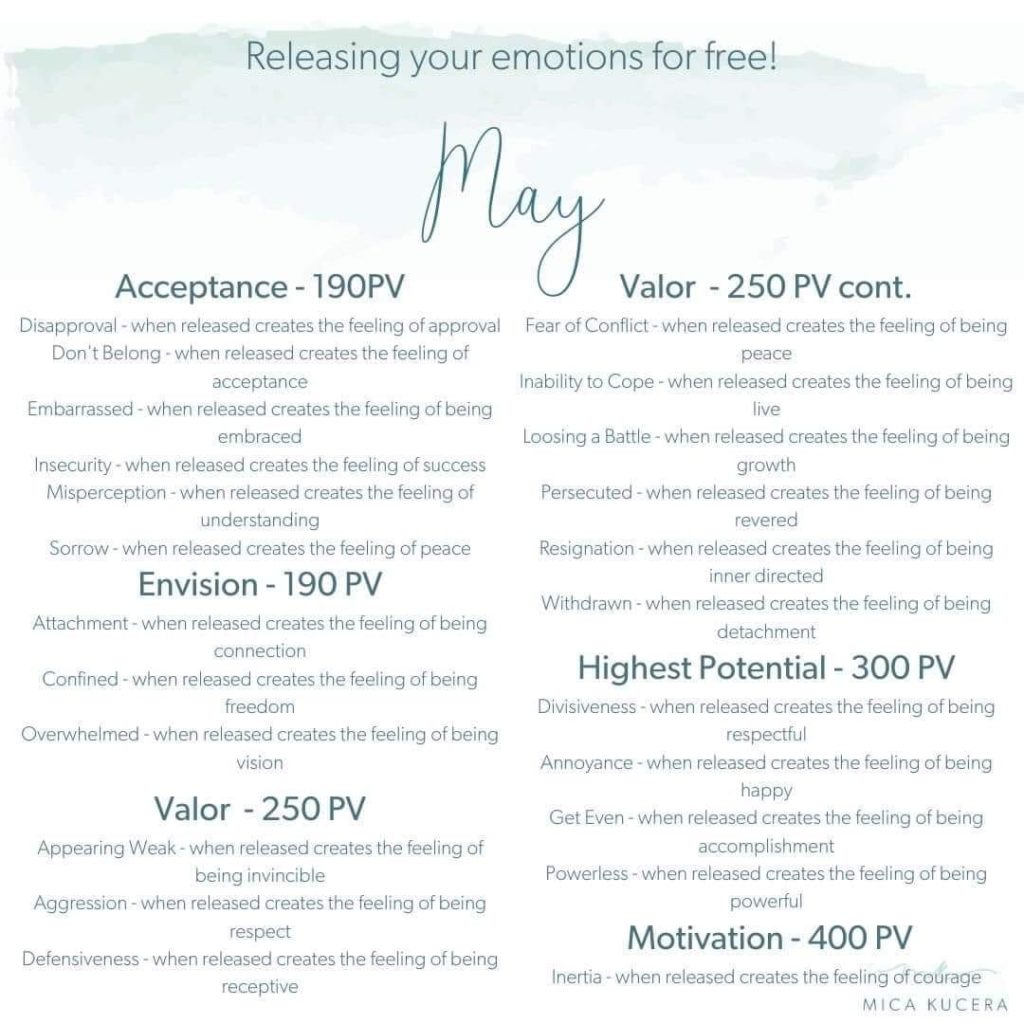
Emotions and thoughts are powerful things.🔥 I’m reading a book right now (written by a medical doctor) about the physiological consequences of even low grade chronic fear (most often manifesting as stress and anxiety)…. and the difference between “true” fear (a bear is about to eat me), and “false” fear (all those things we tell ourselves in our head). The body cannot differentiate between the two types, so it acts the same.


The same thing holds true for other destructive emotions and thought patterns that tend to grip us humans (and animals too!). 


Oh but oils can’t help with that. Really?? Have you tried? Really tried? Retraining your brain is like working to repair a deeply worn path in the ground. Not only do you have to forge a new path ( thought process), you also will need to fill in the dirt…. plant new plants…. and make a concerted effort to let that old path heal without returning to it. It takes work! 


The brain is a powerful piece of machinery, and our essential oils are a powerful tool to help get the job done… the amygdala / limbic system in the brain is  more powerful than you can imagine (especially when given the right support tools! )
…… all good things take time and effort, and YOU are a good human!…. very worth the time and effort to train your brain to stop doing whatever is holding you back! 
Notice anything interesting about this graphic? Yep! All these helper oil blends are free😍 this month as a gift with qualifying purchase❤. 
xoxo~ liz 😘

#sharingiscaring 
#thanksYL
#healingcomesinallforms
#slowandsteadywinstherace
(Graphic credit: Mica Kucera. Thank you for sharing!)

Health Clues in Our Teeth – part 2

Liz James · April 27, 2021 ·

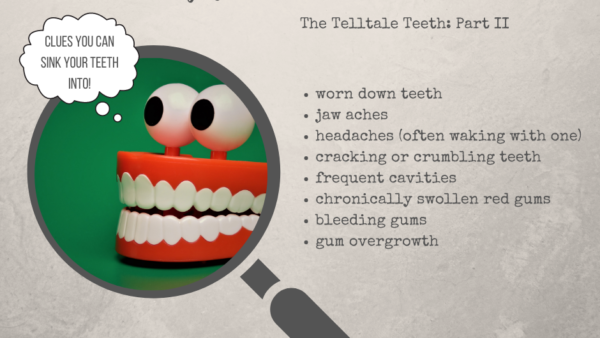
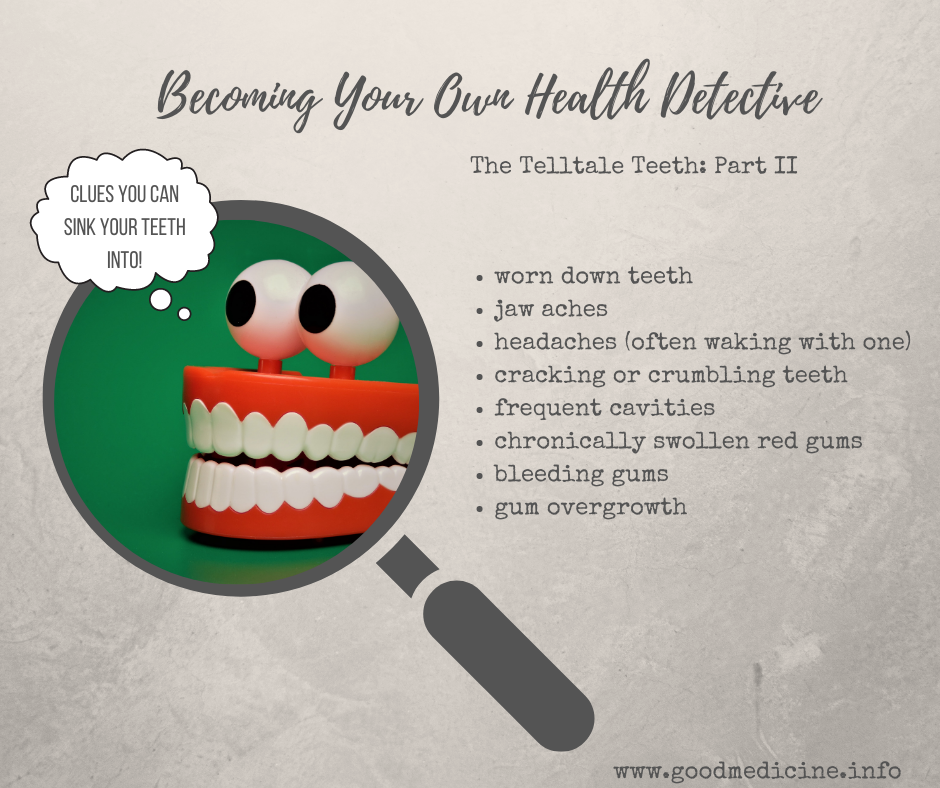
Our body is highly skilled at sounding alarms🚨 that we often “hit the snooze button” on, ignore out of ignorance, or simply disregard. I was “that person” many years ago when I went through about 18 months of tooth emergencies.😭 I didn’t have a single cavity until I was in college, and always had pretty stellar dental visits. However, when I was in my mid 30’s, something strange started happening. On 3 different occasions, a piece of tooth would literally fall off of a molar while I was driving to work in the morning. 😳 Though I had no evidence of wear on my teeth, my dentist finally determined that I must be gritting my teeth so hard while I slept that I was literally breaking my teeth. Once we figured out the root cause and I found better ways to manage my stress , I quit breaking teeth, stopped having headaches every morning upon waking up, had fewer neck, elbow, and wrist problems, and generally felt better and happier as a human! My body was giving me so many clues, and I was ignoring all of them (or “patching them”) until my body literally started falling apart. It was an expensive but valuable lesson! 


* Worn down or regular breaking of teeth are often signs of stress. Internalized chronic stress has the same effect on the body as smoking 5 cigarettes a day, and who wants to abuse their body like that?? Not sure if you are grinding or clenching your teeth?  Sometimes the flatness on the teeth can be felt with the tongue or seen in the mirror, or your dentist may have made a comment to you. A chronically stressed body may also see a higher incidence of canker sores or fever blisters…. all are clues that shouldn’t be ignored.


* Chronic stress will cause consistently higher levels of cortisol in the body, eventually wreaking some major havoc. Manage stress properly by incorporating mindset management skills, prayer/meditation, exercise, diet and  proper amounts of sleep.  Consider supporting  healthy cortisol levels with Young Living’s Cortistop. If clenching, gritting or grinding is your nighttime gig, you may also want to consider a mouth nightguard to help mediate damage, and apply Peace & Calming, RutaVala, or Tranquil essential oil blends on the base of the big toes at night. 

 
* Thin enamel or cracking/crumbling teeth are often clues of acid reflux. (We will go over  acid reflux clues in greater detail soon.)  Several medications may also affect the integrity of teeth. Asthma medications (inhaled), chewable aspirin, birth control pills, immunosuppressive agents, chemotherapy agents,  and any of the 400+ meds that cause dry mouth ( revisit that section for more details) are among the bigger culprits. If you find yourself in a situation where any of these medications are deemed necessary, make sure you are rinsing your mouth out often with Thieves Mouthwash to create an inhospitable environment for bad bacteria that may want to set up camp and create further damage.


* Chronically sensitive or swollen gums may be a sign of an underlying Vitamin C deficiency (approximately 13% of the US population), an early sign of heart disease, diabetes, or (less commonly) a blood disorder.  It can also simply be a sign of poor oral hygiene! Medications that may cause bleeding gums include blood thinners, aspirin, and regular use of ibuprofen or other NSAIDS.


* Gum overgrowth (hyperplasia)  is more pronounced than simply swollen gums. While often a symptom of poor oral hygiene, it most frequently results from the use of certain medications:  anti seizure meds, immunosuppressants, or calcium channel blockers (a class of blood pressure medications). There are physiological disorders that may cause hyperplasia too. Diabetes or Crohn’s disease are two of the more common ones.


* Pretty much everyone brushes their teeth in front of a mirror, which is an opportune time to make a quick daily evaluation of teeth, gums, mouth & tongue. Once you get into the habit of doing this, you will notice small changes pretty quickly, and you can often correct a situation without professional intervention! 
 Next week, I’ll discuss specific tooth health as a predictor for potential health concerns! It’s fascinating and such a helpful tool in knowing how to care for yourself preemptively.
xoxo~ liz

#sharingiscaring
#healthcluesyoucansinkyourteethinto
#healthcluesyoucanuse
#goodmedicine
#ThanksYL

Heart Health with Essential Oils

Liz James · April 26, 2021 ·

My dear friend Jen…… she is a wise one. Good word (and info) this fine Monday morning! 👇👇👇 
xoxo~ liz😘
​
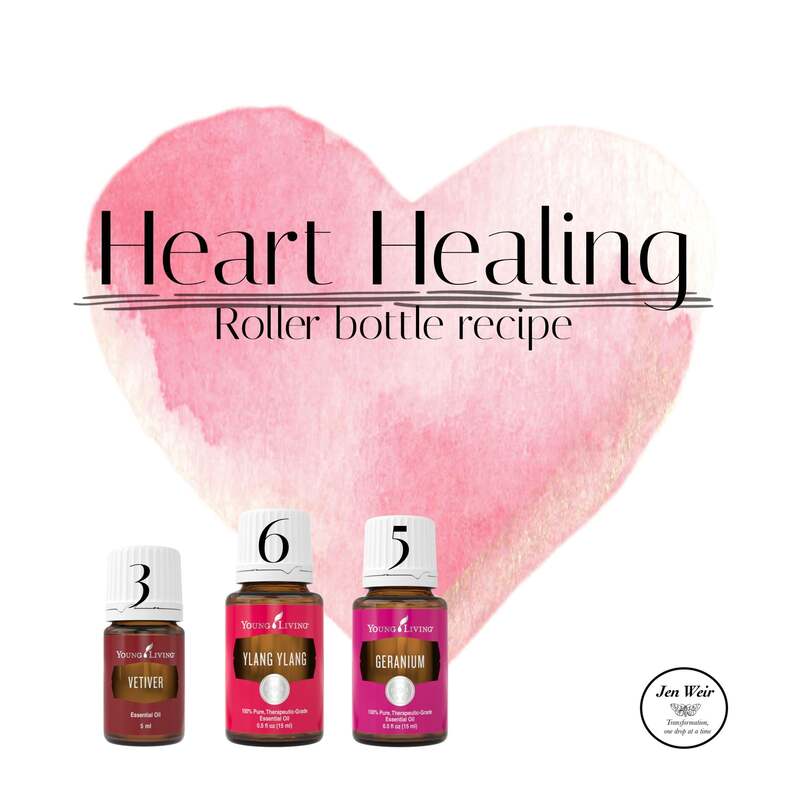
Recently I walked some folks through a bit of time diving into 21 days of heart health. Heart health is so much more about emotional health than even physical health. And if you want to get down to the nitty gritty, spiritual health trumps all that and more.

I have found adding these three to a roller bottle, topping off with a carrier oil such as V-6 has done wonders for soothing and healing the heart- on a number of levels. Using your essential oils to begin the healing process is a must, yet I would caution you to not simply throw on the oil without a thought or intention of telling the oils where to go. 
Yes, you heard me. Give the oils their marching orders. If you know, then you know. If you don’t- find me over text and we’ll chat it out. 

Vetiver traditionally has been used in aromatherapy for relaxation and alleviating emotional stress, panic attacks, trauma, anxiety, insomnia, hysteria and depression. A 2015 study investigated the effects of vetiver oil as a tool that assists with reducing anxiety and the neurological actions in the central amygdaloid nucleus. 
In case you’re wondering as I was when I read it, the central amygdaloid nucleus connects with brainstem areas that control the expression of behaviors; it’s responsible for the perception and results of emotions, such as changes in heart rate, blood pressure and respiration.

Ylang Ylang is another one that is powerfully beneficial for the heart. For starters it boosts even the most non oily human’s mood and has the capacity to reduce depression. Beyond that Ylang Ylang has been shown to lower blood pressure and decrease heart rates. So if you’ve got some situations happening in your ticker, this is one to add in.

Geranium– the oil of love and trust. Geranium encourages the opening of the heart space so love may flow freely. If the emotional body feels congested with old grief and disappointments, Geranium opens channels to let it all go, and make space for newness to circulate. 

  • « Go to Previous Page
  • Page 1
  • Interim pages omitted …
  • Page 10
  • Page 11
  • Page 12
  • Page 13
  • Page 14
  • Interim pages omitted …
  • Page 25
  • Go to Next Page »

Book Your Health Coaching CallBook Now

Elizabeth James

469.425.9091

ebj0203@gmail.com