• Skip to primary navigation
  • Skip to main content
Book Your Health Coaching Call
Good Medicine

Good Medicine

Holistic Health Coaching

  • Home
  • Liz James
    • About Liz
    • Coaching
    • Book a 20 Minute Complimentary Coaching Call
  • Favorite Resources
    • BlessedByHisBlood
    • Young Living
    • Fast Like A Girl Certified Coach
    • Order supplements through my Fullscript store
    • Green Pasture (Coupon: Health10)
    • RogersHood Apothecary (Coupon: BEABLESSING for 10% off)
    • DolphinMPS
    • Company
    • Abundance
  • My Books
    • Becoming Your Own Health Detective Volume 1
    • Becoming Your Own Health Detective Volume 2
  • Blog
  • Cart

Health Clues

Can Type 2 Diabetes Be Reversed? A Pharmacist Explains the Root Cause and Hidden Medication Risks

Liz James · September 13, 2022 ·

The Southern Side of the Endocrine System: Pancreas Part II – A front porch chat about Type II Diabetes medications
One of the most frustrating (recurring) experiences in my pharmacy🧑‍⚕️ career is watching the slow motion “arson”🔥 crime scene that is Type II Diabetes, and not being able to carve out the time (within the crazy busy demands of a pharmacist’s job) to properly educate those who desired a way out. I loved my pharmacy clients, and it’s never pleasant watching the decline of someone you care about, especially when the decline was, in most cases, 100% preventable.
 
Here are a few facts to chew on:
  • Type II Diabetes is a lifestyle disease, yet many (dare I say most) clients did not alter their eating habits or increase exercise in an effort to change the outcome of their diagnosis. Perhaps they just didn’t know…. or didn’t care. Either way, the evidence was in their grocery shopping carts🥞🍟🍪 as they picked up their prescriptions! Diabetic medications tend to give a false sense of security…. “If I just take my medication, I can still eat what I want.” It doesn’t work that way! …. While blood glucose may appear to stay marginally managed, insulin producing pancreatic cells continue to die off and free radicals are produced at a crazy rate causing even more inflammation…. THE VERY THING THAT ADDS GASOLINE TO THE DIABETES FIRE🔥 AND DESTRUCTION within the body.
  • Type II Diabetes is a multibillion dollar industry💰 with the clear winners being Big Pharma and the Medical Industrial Complex….NOT the patient (despite this being a completely overcomeable disorder) . Type II diabetes is a $237 BILLION (and rising!) annual jackpot to these entities. Thinking about it a little differently…… it would be a huge loss financially to the industry if people actually recovered from their unwell ways and became healthy again.
  • Once someone gets started on the slippery slope of Type II diabetic medication use, it’s often very difficult to find a prescriber who will spend the time to help their patient backwalk out of Type II diabetes. Many doctors now work for corporations, and like pharmacists who do the same, they have daily quotas to meet. That means dialogue is typically limited to just a few minutes before the next patient/client must be seen. I suspect it is a rare conversation that a doctor says…. “You can reverse this now with some effort. Would you like to know how?” At least that would give the patient the opportunity to make a choice to alter their trajectory in a positive way, instead of believing they were on an unstoppable path of disease with no way out.
  • The side effects of blood glucose lowering medications are responsible for over 100,000 ER visits in the US per year (not counting the other visits related to diabetes aggravated cardiovascular disease, high blood pressure, kidney damage, vision problems, gastroparesis, strokes, neuropathy, foot ulcers, dementia, hard to treat infections, and more).
  • It’s not uncommon to have a conversation with a Type II diabetic where I hear something that goes like this: “I can’t afford to eat healthy or use any supplements outside of what my insurance will pay for.” While this may be their belief, it’s certainly not true. People diagnosed with diabetes spend (on average) $16,752.00 per year OUT OF POCKET for medical expenses, which is much much higher than modifying diet and lifestyle habits! Besides, can you put an actual price tag on health? I will always maintain that where there is a will, there’s a way!
  • While all of the medications commonly used in Type II Diabetes are prone to side effects, a little known fact is that many of them actually make the health situation of a diabetic worse instead of better.
Did that last point startle you? Let me explain.
 
Type II diabetes is a completely different beast than Type I. Type I is only treatable with injected insulin, while Type II has many oral medications which are typically used as a first line of treatment. If lifestyle changes and diet are not addressed in the process, there is a high likelihood that the ultimate result will be destruction of the beta cells of the pancreas and insulin will eventually be added.
 
Unlike Type I diabetes, with Type II, the pancreatic beta cells ARE churning out insulin like crazy….. at least in the early years of Type II. The cells are just not able to recognize and utilize it because their sensitivity has been deadened by chronic and caustic glucose overload. Typically, there are many “early years” in the story of the average Type II diabetic. If the pancreatic cells haven’t burned themselves out yet, there is a significant opportunity for full recovery. (Labwork would reveal if this is the case…. more on that later.)
 
Medications such as Metformin, Glyburide, Glipizide, Glimepiride, Rosiglitazone and Pioglitazone all carry the ability for causing deficiencies of coQ10, folate, vitamin B12, and significant damage to the gut microbiome. You hopefully know by now, that if the gut ain’t happy, the rest of the body is in for a rocky ride.
When those deficiencies gain speed, brain fog, depression, neuropathy, muscle cramping, liver damage, digestive issues, yeast infections, fatigue, high blood pressure, and increased risk for cardiovascular disease start showing up for the (not so fun) party. Each one of these symptoms is at risk for being medicated unless your favorite health professional has the wherewithal to get you on supplements to mediate those deficiency risks.
 
Additionally, these medications don’t just magically change sugar into something friendlier to the body. They instead turn the excess sugar into fat, making it harder to lose weight, padding the liver with fat (fatty liver disease), and contributing to inflammation🔥 along the way.
 
What if insulin shots have already entered into the picture? I have met Type II diabetic patients who have been able to reverse their need for insulin with diet, exercise, and close supervision of a trusted health professional, so it is most assuredly doable unless countless years have already gone by and it is determined by your (willing to help) health professional that too much damage has been done. Long term lantus (probably one of the most commonly used insulins in use today) carries an increased risk of cancer, and it does not play well with pre-existing kidney or liver disease. That’s interesting, because someone with Type II diabetes who has “graduated” to insulin will have already developed fatty liver disease and compromised kidneys because of the sugar load. This is akin to giving an arsonist🔥 a book of matches😥.
 
Injectables Byetta and Victoza do help improve insulin sensitivity, but at the risk of thyroid cancer (Victoza), GI issues, dizziness, hair loss, weakness, drug induced pancreatitis, kidney damage, gastroparesis, serious infections, anemia, and weight gain. The literature on this class of drugs states that these medications are to be used as an adjunct to diet modification and exercise and with those two will come weight loss. Unfortunately, that often gets lost in translation, and people instead gain weight instead of losing weight as they mentally give the medication the responsibility of doing the work while lifestyle habits remain unchanged.
 
Drugs such as Januvia, Janumet, and Onglyza are used to drop HbA1c (a 3 month panoramic view of blood sugar levels) by 1-2% of the current HbA1c. For example, if you have a high HbA1c of 8, this would suggest that these medications may drop your HbA1c to 7.84…. A whopping total of 0.16 points. A concerted effort to change diet and exercise habits would drop that number much lower AND wouldn’t give the added “gift” of an increased risk of pancreatic and thyroid cancers, pancreatitis, generalized inflammation, skin reactions, runny nose or congestion, upset stomach, or dangerous lack of urine production.
 
In December 2008, well known New England Journal of Medicine published what is now known as the “ACCORD” study, which showed that the more aggressive the attempt to control Type II Diabetes pharmacologically, the greater the risk of death to the Type II patient.😬
 
Is it worth the risk to manage Type II diabetes simply by taking a pill instead of addressing the root cause? I am in no way implying that anyone should cold turkey stop taking their medication. Heavens no! Diabetic meds are very serious medications and you’ll want to have a chat with your prescribing professional about what your personal desires are.
 
This is a tough topic, and it makes me uncomfortable addressing it, because I know that it may make many of you uncomfortable too. We can’t dance around this topic though, because the truth is what we need in health and wellcare….and after all, there IS good news!
 
Not every disease and dysfunction has a relatively simple and inexpensive repair process like Type II diabetes does. Diet, exercise, adequate nutritional supplementation when deficiencies are identified, and partnering with a knowledgeable professional or two to help you along the way will improve both your quality and quantity of life! I can just about guarantee that.
Next up? Tips and tricks to both avoid and shed the Type II diagnosis🔧.
xoxo~ liz
 
#becomingyourownhealthdetective
#BYOHD
#goodfoodisgoodmedicine
#theapplicationofknowledgeisgoodmedicine
#goodmedicine

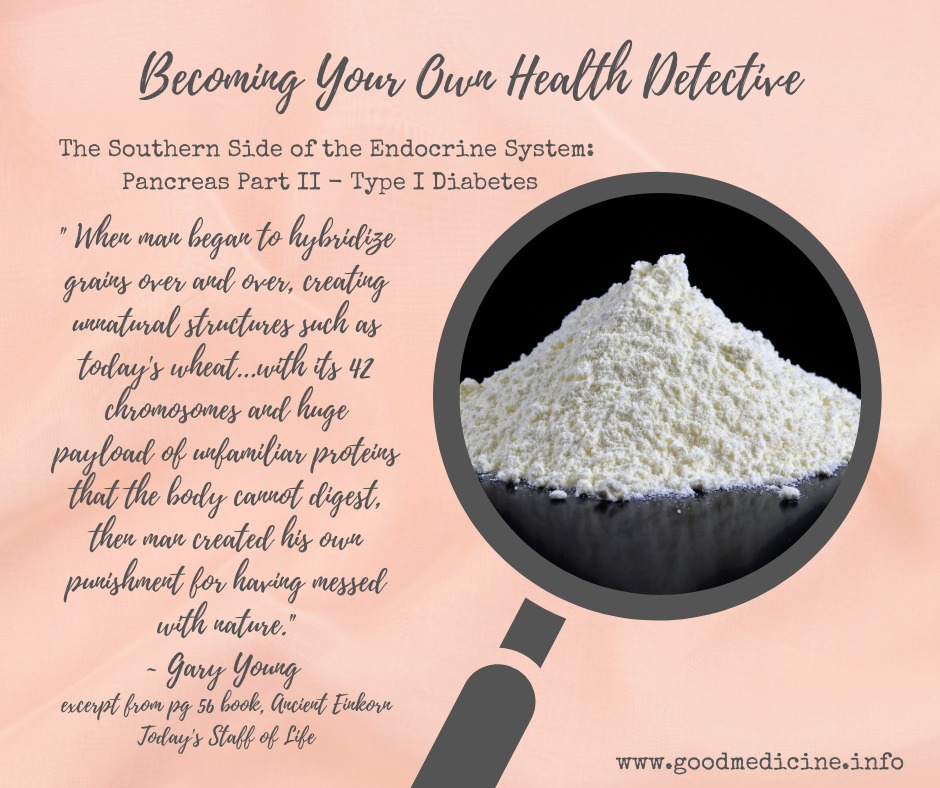
“The Untold History of Type 1 Diabetes: How Modern Foods and Toxins Impact Pancreatic Health”

Liz James · August 31, 2022 ·

diabetes caused by food changes
The Untold History of Type 1 Diabetes: How Modern Foods and Toxins Impact Pancreatic Health
“History is not history unless it is the truth.” ~ Abraham Lincoln
 
The metamorphosis of diabetes in the United States over the last 100 years is an interesting tale with several thieves of health participating in what seemingly feels like a collaborative effort to bring large populations of unsuspecting citizens to the feet of Big Pharma. Diabetes may happen in one of two main ways: the destruction of the beta cells within the pancreas (Type I), or a rising resistance within the body to insulin (Type II). For the sake of today’s history lesson, the focus will be on Type I diabetes, also called Juvenile diabetes or diabetes mellitus.
 
In 1920, diabetes in kiddos was quite uncommon, with an incidence of 3-4 per 100,000. In an eighty year span, by the year 2000, the incidence had risen to 3-4 per 1,000. Today, that number (1 in 250) is still continuing to rise. Interestingly, these stats do not include previously healthy adults who acquire Type I diabetes after the age of 20 (approximately 1.6 million adults ….. 5.7% of all US adults diagnosed with diabetes according to the CDC). I think you’ll agree that those numbers point to quite a🕵️ crime spree where the theft of health is a decades long embezzlement scheme.
 
Let’s take a look at ringleaders and suspects.🔎
Type I diabetes is quite different from Type II. Causes and contributors include:
🔎Autoimmune dis-ease (nearly always toxin triggered)
🔎A family history of Type I diabetes which predisposes offspring genetically to a greater likelihood of acquiring Type I when exposed to epigenetic (environmental) challenges that are known as possible triggers to the gene.
🔎Toxins (found in food, drink, household chemicals, personal care items, and environmental chemicals)
Infection
🔎Vitamin D deficiency during pregnancy and childhood
🔎Early childhood exposure to pasteurized homogenized cow’s milk and dairy products (a completely different food than raw cow’s milk)
🔎Early childhood exposure to modern grain gluten sources, especially bleached white flour
🔎Early childhood exposure to environmental chemicals found in foods (ex: glyphosate, nitrates and nitrites often found in processed meats)
🔎Leaky gut syndrome (which leak what the body identifies as toxins into the rest of the body)
🔎Vaccinations known to have the capability to trigger Type I diabetes. Multiple documented cases and studies implicate Pneumococcal, Hep B, Haemophilus Influenzae Type B (HIB), MMR, and Covid vaccines as causative agents. (A good resource to learn more about this is the book, Miller’s Review of Critical Vaccine Studies)
 
Did you catch the common theme?🧐 ….Toxin load.
White “all purpose” flour has a fascinating role in this crime vignette. “All purpose” white flour* is wheat that has been stripped of the bran and germ layers (the nutrient dense portion of wheat berries which happens to shorten the shelf life of flour when included as part of flour). The flour then is exposed to chlorine gas to make the slightly brown remaining starchy flour white. When chlorine gas is exposed to the pigments ( the color which makes it brownish in appearance) in wheat flour, a chemical reaction occurs producing a byproduct chemical called alloxan. You won’t find alloxan on any ingredient list on breads or packaged foods because technically, it’s not an added ingredient. Alloxan is a toxin and known carcinogen. It also has a strong affinity for the beta cells in the pancreas that produce insulin. That’s rather unfortunate as it causes cellular death of the beta cells. When enough beta cells have died due to constant exposure to the white flour containing foods, insulin production decreases and ultimately risks stopping completely. The Textbook of Natural Medicine calls alloxan a “potent beta-cell toxin”. ( No kidding. It’s commonly used in clinical trials to induce diabetes in lab animals.) The textbook, Comprehensive Medicinal Chemistry II states:
“Alloxan, a pyrimidine structurally similar to glucose and uric acid, directly disrupts β-cell membrane permeability and produces irreversible β-cell damage within 12 h in most animals. “
 
Now, here’s the interesting history lesson: Flour was not bleached commercially until sometime after 1912. A good man by the name of Dr. Harvey Wiley MD was head of the Bureau of Chemistry (a precursor to the FDA) from 1908-1912. Dr. Wiley was a proponent of whole unprocessed foods, and he fought against bleached flour ( as well as benzoic acid, sulfites, saccharin, and other food additives) all the way to Capitol Hill by way of Congressional hearings. He ultimately left his position in 1912 in frustration and disgust, and later wrote a book in 1929 entitled “The History of A Crime Against The Food Law”. The government, in its wisdom 🙄, replaced Dr. Wiley with a Dr. Elmer Nelson, who was the antithesis of Wiley. Nelson was quoted as saying,
“It is wholly unscientific to state that a well-fed body is more able to resist disease than a poorly fed body. My overall opinion is that there hasn’t been enough experimentation to prove that dietary deficiencies make one susceptible to disease.”
 
In my opinion, Nelson was either unbelievably ignorant or a shill. It is interesting to note that prior to working for the FDA, Dr. Nelson worked for the Soft Wheat Millers Association. Ground wheat will actually whiten on its own without the dangerous alloxan byproduct if given the proper time (a month or two) and environment to do so, but time is money to the Soft Wheat Millers of America, and it helps to have friends in high places.
 
Long story short, modern wheat, with its crazy high gluten content, additionally weaponized with probable alloxan content, and sprayed with glyphosates and other agricultural toxins would be high on the list of suspects🔎 for creating mischief within the pancreas.
 
I know. It’s not fun to think about doing without🥖 breads, 🧁pastries, 🥣cereal, 🍜spaghetti, 🧇waffles, and 🥞pancakes to avoid high gluten content and pancreas damaging alloxan. Thankfully, Gary Young had the foresight to make available food products which contain the much healthier unbleached ancient grain einkorn. Young Living’s Einkorn Flour, Einkorn Granola, Einkorn Spaghetti, Einkorn Rotini Pasta, Einkorn Pancake and Waffle Mix, Einkorn Flakes Cereal, and (when in season) Einkorn (unground) Berries if, like me, you like to grind your own wheat. Whew! I was starting to feel a little like Bubba Gump going through that lineup available to us! Einkorn bakes a little differently than the bleached white stuff you may be used to, so they’ve even conveniently created an Einkorn cookbook (created by Heidi Ellis)! In it, are 80+ recipes for pizza dough, breads, cakes, crackers, tortillas and more. If you haven’t tried einkorn products, you are in for a treat….. They are far more flavorful than those made with bland unhealthy white flour. For those who must completely abstain from any form of gluten, Young Living also has a Gluten Free Pancake and Waffle Mix (sadly, it is currently out of stock), but there are many other healthy flour options to choose from in the marketplace: coconut, almond, oat, brown rice, amaranth, and chickpea are all good options.
One of the most valuable things we can give ourselves is empowered knowledge so that we can make informed decisions on what we choose to allow into our personal homes and bodies. Many of the causative agents listed above can be avoided, decreasing the odds of developing Type I diabetes and other dis-eases.
The second most valuable thing we can give ourselves is grace (without guilt) to do better once we know what we didn’t know before. We can’t know everything, and digging for factual information that is purposefully hidden (and frequently out of print) can be hard, confusing, and frustrating. Don’t think for a minute that making it hard to find truth isn’t done to us on purpose. Understanding the true history of “us” is important to our health, so we can learn, do better, and avoid the lure of purposefully addictive foods created by industries (both food and Big Pharma) that have profit over purpose😠 as its primary goal.
 
Other ways to create a body environment for decreased risk of developing diabetes include:
✅Knowing levels of Vitamin D, and supplementing accordingly. Shoot for lab values 70-90 ng/mL. This is an important number to know during pregnancy, and frankly a valuable thing to know throughout life, even for infants and children. Depending on how much supplementing is needed, Young Living’s Super D may be enough for some adults and older children, while others may need a much higher dose (D3/K2) to maintain healthy levels.
✅ Avoid nitrates, nitrites, and nitrosamines (often found in packaged meats)
✅Include cod liver oil in your supplement regimen. It’s available in liquid and capsule form.
✅Breastfeeding has been found to decrease the risk of Type I diabetes in children. Exposing babies in a delayed fashion to common suspect food triggers is also helpful.
✅Providing a solid source of Omega-3 Fatty Acids is also helpful. Young Living’s MindWise is a good liquid option for kids and is also helpful support for brain health and development. OmegaGize3 is another excellent option (for adults) in capsule form.
✅Strive for a diverse gut microbiome. People with Type I diabetes tend to have a less diverse gut microbiota. Use antibiotics only when absolutely necessary. According to the CDC, at least 30% of antibiotics prescribed are unnecessary. I personally believe that number is even higher. Not only does excessive antibiotic use breed antibiotic resistance, it has a profound negative effect on the gut microbiome.
✅Make a regular healthy source of antioxidants part of your daily routine to help offset the oxidative damage done to the beta cells in the pancreas. NingXia Red is an ideal option for all ages. The Young Living website gives an easily understandable explanation:
“Antioxidants, why are they important? They are the antidote to oxidative stress! …..Oxidation has been implicated in the origin of more than 100 human diseases and in the aging process.”
Einkorn and NingXia Red….. healthy and healing food options. Over 2400 years ago, Hippocrates said, “Let food be thy medicine, and medicine be thy food.” Good food is good medicine, with the ability to both protect and heal.
xoxo~ liz
 
#BYOHD
#goodfoodisgoodmedicine
#Historyisimportant
#TypeIdiabetes
#goodmedicine
#knowbetterdobetterbebetter
#YoungLivingispurposeoverprofit

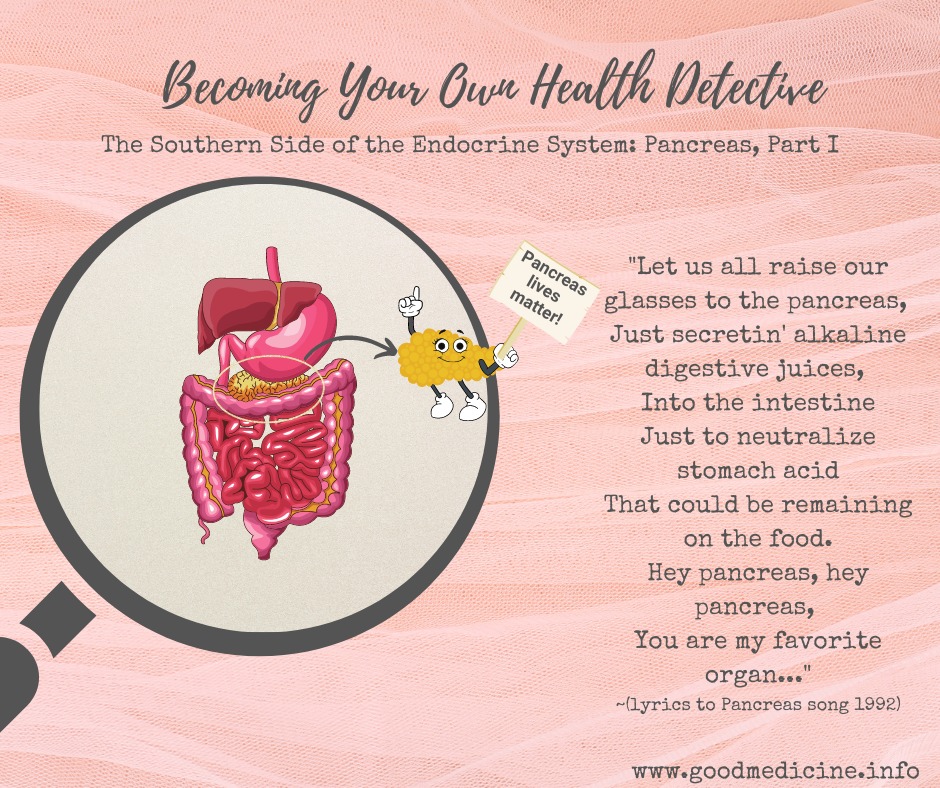
The Southern Side of the Endocrine System: Pancreas Part I

Liz James · August 24, 2022 ·

 
“The pancreas is my favorite organ.” Says no one (almost) ever. Seriously.
 
Unless someone has an existing pancreatic malady, this is one organ that gets very little attention. That’s a shame too… because with the exception of the rarer cases of genetics, infection, or blunt force trauma, nearly all pancreatic dysfunction is self induced. It’s time to bring this odd little organ out of its sandwiched space between the stomach and small intestine and figure out what makes it tick and tremble.
The pancreas has two main jobs: to produce chemicals which help regulate blood sugar, and to produce enzymes which help further digest food and bicarbonate which will further neutralize any stomach acid that has found its way into the small intestine. For being a rather underappreciated organ, if any of these tasks falls by the wayside, there are big consequences.
 
Pancreatitis (both chronic and acute) accounts for more than 360,000 hospital stays each year…. A number that continues to rise.😢
The lifetime risk of pancreatic cancer is currently 1 in 64 ….. A number that continues to rise.😢
The lifetime risk of acquiring diabetes is now roughly 1 in 3 adults….. And that number too has only continued to rise.😢
 
The problem is that the pancreas squeaks out tiny little “help me’s”, and few people take the time to learn and put clues together and then go on to correct the course of personal health history. True, the clues are not necessarily ones that will beat you over the head with a two by four, but they ARE there, nonetheless, and only you, the astute sleuth will likely see them or feel them.
 
Have you ever been out to eat with someone who won’t sit with their back to the door? Chances are, they have been well trained🧑‍✈️ to observe their environment so they won’t be taken off guard by an offender who has ill intent.
 
This is how we guard the pancreas… watching for environmental clues that endanger that little organ, and then blocking their entry into our personal space that we do have control over. None of us wants to be the 1 in 3, the 1 in 64, or the 1 in 100.
 
Environmental contributors to pancreatic distress include:
🔎Heavy alcohol consumption or diagnosis of cirrhosis
🔎A high fat, heavily processed food diet
🔎Obesity
🔎Tobacco products
🔎Abdominal surgery where the pancreas may have had interrupted blood supply
🔎Nutritional deficiencies including (especially) vitamins A, D, E, and K and selenium
🔎A history of infection such as hepatitis, Epstein-Barr Virus (Mononucleosis), Lyme disease, or Cytomegalovirus.
🔎A prior history of autoimmune disorder: especially celiac, irritable bowel disease, psoriasis, rheumatoid arthritis, lupus, or Sjogren’s Syndrome.
🔎A history of gallstones
🔎Lab work that reveals high triglycerides
🔎Abdominal trauma
🔎Damage to specific molars (those that are pertinent to pancreatic health and wellness… go back and re-read Chapter 7 in BYOHD Volume I)
🔎Long standing emotions and feelings closely associated with pancreatic distress including: guilt, shame, insecurities, frustration, joylessness, fear of rejection, and lowered self esteem.
🔎Many medications: More than 500 drugs have been reported by the World Health Organization database as causative agents for pancreatic distress. Common offenders include synthetic estrogens (birth control pills and hormone replacement therapy), opiates, steroids, many classes of antibiotics, diuretics furosemide and HCTZ, acetaminophen, and the blood pressure medication enalapril. The vaccinations formulated to prevent mumps (MMR and MMRV) have also been implicated in causing complications with the pancreas in some people.
Perhaps there hasn’t been a vigilant awareness until now, and the environmental offenders have already gotten through the door and gotten a little rowdy with the pancreas, and it’s been roughed up a bit. What would that look like?
When you have a handful of the following clues, you can be fairly certain they have been up to mischief that needs help or correcting.
🔎Diarrhea or bloating
🔎Unexplained weight loss
🔎Signs of malnutrition (lab work can identify this)
🔎Oily, foul smelling stools that are clay or pale in color and tend to float
🔎Poor blood sugar control
🔎Blurred vision
🔎Occasional abdominal pain that worsens after a high fat meal
🔎Occasional abdominal pain that may be worse if lying flat on the back
🔎Fatigue
🔎Chronically dry lips (according to Chinese medicine)
 
Do not hesitate to contact your favorite health professional if you’ve checked the majority of these clues or also have fever or unrelenting abdominal pain!
Thankfully, there are MANY things that may be done to support a healthy pancreas:
💜Eat a healthy varied diet rich in fruit and vegetables, white fish and meats, grass fed beef, foods high in iron, foods that are rich in antioxidants….. Cherries, blueberries, spinach, YL wolfberries, tomatoes, bell peppers, NingXia Red.
💜Incorporate digestive enzymes into your daily routine. (Amylase, lipase, and protease are commonly referred to as pancreatic enzymes, and are found in Essentialzymes-4, Detoxzyme and Allerzyme, or pancreatin and pancrealipase found in Essentialzyme.
💜Avoid opiates as a source of chronic pain management. There are MANY more effective ways to manage pain including scientifically proven meditation, relaxation exercises, acupuncture, yoga, and massage. Supportive supplements to consider include Sulfurzyme, BLM or Agilease, and Golden Turmeric, and essential oils PanAway, Deep Relief, Frankincense, Palo Santo, Helichrysum, Dorado Azul, Valerian, Peppermint, Copaiba, and Idaho Grand Fir. Reishi mushrooms ( found in NingXia Greens and Immupro) help support normal inflammatory and immune system response, especially when used with regularity.
💜Support the pancreas nutritionally with OmgaGize3 (for Omega 3’s), and an excellent multivitamin ( Master Formula ) that contains selenium, and vitamins A, D, E, and K and Vitamin B12 (Super B).
💜Incorporate MCT (Coconut oil) oil into the diet. It doesn’t burden the pancreas the way many other oils do, and it has properties which are helpful to inflammatory conditions.
💜Green Tea (found in Young Living’s Vanilla Lemongrass Tea)
💜Achieving and keeping a healthy weight. Remember, this is a marathon, not a sprint. Often simply losing 5-10 lbs is extraordinarily helpful to pancreas function.
💜Keep a close eye on triglyceride levels (optimally, they should be between 50-90mg/dL), and adjust the diet accordingly.
💜Add natural sources of glutamine into the diet: bone broth, grass fed whey protein, grass fed raw dairy, venison, organic poultry, spirulina (found in both Multigreens and NingXia Greens), cabbage, asparagus, and broccoli.
💜Improve levels of melatonin in the body! (Immupro or Sleep Essence if supplemental help is needed). There are some compelling studies on the protection melatonin appears to give to the pancreas.
💜Increase intake of antioxidants (easily done with NingXia Red or NingXia Greens)
💜Alkalinize the body with Apple Cider Vinegar and/or Alkalime
Pancreatic Insufficiency, Pancreatitis, and Pancreatic cancer are all three very stealth dysfunctions. The obvious problem with stealth is that they are able to cause a fair bit of dysfunction before the problem is large enough to warrant medical attention. Chronic inflammation of the pancreas is a leading cause of pancreatic cancer, and this form of cancer has a very poor survival rate. All the more reason to keep your pancreas well loved and protected. Taking a quick glance at your stools💩 before they go down the porcelain highway and doing an honest environmental and habit assessment is so important!🧐
 
Roughly 98% of the pancreas is devoted to the job of supplying the body with digestive assistance. The other 2% is devoted to managing blood sugar levels…. And that’s what I’ll bring to the table next: the pancreas and diabetes.
xoxo~ liz
 
#goodmedicine
#becomingyourownhealthdetective
#pancreaslivesmatter
#ThanksYL
#cluesyoucanuse
#BYOHD

Finding Clues in “The Pill”

Liz James · July 28, 2022 ·

The Southern Side of the Endocrine System: Finding clues in The Pill
 
“Fellow citizens, we cannot escape history.” ~Abraham Lincoln
 
The further I get into my life, the more appreciation and value I’ve placed on ferreting out root causes… not only in health matters, but also in the consequences (both good and bad) of relationships, government, … pretty much anything that has made me ask “Why?”. This curiosity has proven to be both a blessing and a curse because I’ve been down some pretty deep and winding rabbit holes, usually coming up for air with a different outlook on what I thought I knew. For those of you who have also engaged in learning in this manner, this will resonate deeply with you. Once you have learned something that is verifiably true but unpopular in media presentation, you have to make a choice: either swim upstream, or swim in the direction of the majority and try to forget what you have learned. In my own personal observation, the latter does not bode well either emotionally or physiologically . A person cannot live a duality (believing one thing yet acting in opposite) for long without negative consequences ultimately manifesting.
I spent decades (both personally and professionally) in educated ignorance, believing that birth control pills were benign “helpers” for preventing pregnancy and calming dragonesque cycle symptoms. Perhaps you do (or did) too. In my defense, it wasn’t my fault. This is what we are taught in pharmacy school as are all health professionals taught within the singularly allopathic education setting.
Hormone based birth control is one of the most common types of prescriptions filled in a retail pharmacy setting. An estimated 14% of women aged 15-49 utilize synthetic hormone based birth control (pills, IUD’s, implants, vaginal rings, and patches). With numbers that high, how could a class of products not be both safe and effective?🤔
 
“It is difficult to get a man to understand something when his salary depends on his not understanding it.” ~ Upton Sinclair
 
👆 What he said!
At some point, culturally, we lost the history of birth control pills. Had we known the history, and had we kept up with the outcomes, would we (culturally) still be choosing the perceived easier swim downstream? I don’t have the time within this series to write the pages upon pages that should be devoted to this topic, so I’m leaving breadcrumbs for you to go digging on your own, or at the very least perhaps raise a hairy eyebrow and give the facts some serious thought.
🧐Ethinyl estradiol was studied and used by the Nazi’s in chemical sterilization experiments in the Auschwitz concentration camp during World War II. Ethinyl estradiol is one of the most common ingredients found in birth control pills today.
🧐The Pill was first tested experimentally in Puerto Rico in 1956. The women involved in the study were not informed that they were participating in a drug trial or of the potential side effects of the trial they were involved in. 11% of the women withdrew from participation because of adverse effects. According to information in the Congressional Nelson Pill Hearings of 1970, 5 participating women died and were buried without an autopsy. The focus of the Puerto Rico study was on efficacy, not safety.
 
🧐The Pill was introduced in 1960 during a cultural revolution, when all things natural were being shunned in favor of man made…. Tang for orange juice, formica and shag carpet instead of wood or stone, margarine instead of butter. Coincidentally, the incidence of autoimmune disorders began rising rapidly by the early 1970’s, with more than 80% of those cases being found in women. That statistic has not changed. The Pill became a symbol of women’s rights, and in the process, it hormonally defeminized women. In a twist of irony, as birth control pill waste is flushed (literally) into the water supply, it now also plays a role in the demasculinization of men through its contribution to the estrogen dominance phenomenon in males.
 
🧐It was recommended early on that The Pill be used by a woman for two years or less in order to prevent possible sterilization. Some women take The Pill for 30 years or longer. Meanwhile, infertility rates continue to rise. According to the CDC’s most recent data, approximately 19% of women in the USA ages 15-49 now have difficulty getting pregnant or staying pregnant.
 
🧐The Pill was approved for use prior to Congress passing the 1962 Kefauver-Harris Drug Efficacy Amendment which requires drug manufacturers to prove both safety and efficacy.
 
“It would be natural at this point to think, ‘It’s been 50+ years! Surely today’s version of The Pill has been proven safe.’ That’s a reasonable assumption. However, it’s dead wrong. The maker of today’s most popular birth control brands [as of 2019] Yaz and Yasmin, paid out $2.04 BILLION to settle over 10,000 blood clot lawsuits as of 2016, and the number of injuries, deaths, and lawsuits continues to rise.” ~ (📚Book: In the Name of The Pill, page 30)
 
The reality is that sometimes decades go by before a very serious side effect is appreciated, and if there is enough money to be made, “those with the gold ultimately make the rules” (and make digging for truth a little harder).
Birth control pills come with a fine print document thanks to the 1962 Kefhauver-Harris Amendment. In addition to establishing both safety and efficacy, it also introduced the concept of patient informed consent. Allow the patient to make their own decision after weighing the pros and cons. Have you ever read one of these patient package inserts?
 
I’m including a link here for the popular birth control pill, Yaz, as a real world example. It’s 29 pages long and corroborates what I’m about to share:
https://www.accessdata.fda.gov/…/2011/021676s008lbl.pdf
 
According to FDA access data sheets on birth control pills, there is risk (think clues!) of:
👩‍⚕️Thromboembolic disorders and other vascular problems (Note: that BCP’s containing drospirenone have been found to cause 2-3x more blood clots than in previous pill generations)
👩‍⚕️Strokes
👩‍⚕️Increased copper retention. Symptoms of excess copper include anxiety, depression, hyperactivity, chronic fatigue, inflamed joints, insomnia, infertility, hair loss, headaches, diabetes, endometriosis, recurrent fungal infections, both high and low blood pressure, and increased breast cancer risk. It is also a biomarker for thyroid disease. Note that copper and zinc are closely connected, and their ratio is important for optimal health. BCP’s (including copper IUD’s) also concurrently facilitate zinc depletion, causing further disruption of this ratio. Hair analysis is often the most accurate way to check copper and zinc levels.
👩‍⚕️Migraines and other headache types
👩‍⚕️Atherosclerosis (plaque build up and hardening of the arteries). Risk increases with duration of BCP use.
👩‍⚕️Increase in C-Reactive Protein levels, a marker for inflammation. The longer a body is inflamed, the greater the risk for autoimmune disorders, vascular diseases, and brain disorders.
👩‍⚕️Diabetes. Synthetic hormones affect the body’s ability to process carbohydrates. Nearly 1 in 5 women taking The Pill develop abnormal glucose tolerance.
👩‍⚕️Elevated triglyceride levels, affecting nearly ⅓ of BCP users.
👩‍⚕️Breast Cancer. Note that the American Cancer Society recognized synthetic hormones as a possible risk factor for breast cancer in 1961, and that The Pill ingredients have been found to cause breast cancer in all 5 animal species commonly used in pharmaceutical research and development.
👩‍⚕️Immune system suppression. Estrogen plays a key role in the immune system. Synthetic estrogen causes the body to cut back on its own production of body made estrogen.
👩‍⚕️Gallbladder disease (According to the American College of Gastroenterology, women between the ages of 20 and 60 years are three times more likely to develop gallstones than men.)
👩‍⚕️Bleeding irregularities (In relation to menstruation), including heavy bleeding and pelvic pain that may result in a suggested hysterectomy.
👩‍⚕️Depression. The American Journal of Psychiatry published a 2016 study by researchers in Denmark who reported that women taking hormonal contraceptives have up to triple the risk of suicide when compared to women who never took hormonal birth control. Another study found that 1 out of every 3 pill users showed depressive personality changes and 1 out of 20 had suicidal ideations.
👩‍⚕️The possibility of “over suppression syndrome” (Any part of the body which is not used or little used over an extended period of time leads to disuse atrophy: otherwise known as infertility in this case.)
👩‍⚕️Loss of Libido
👩‍⚕️Nutritional deficiencies including B1, B2, B6, Folate, B12, Vitamin C, Zinc, Magnesium, Iodine, and many other micronutrients.
👩‍⚕️Osteopenia and osteoporosis
👩‍⚕️Increased risk for developing lupus. The incidence of lupus has tripled in the last 40 years, and 90% of those affected are women.
👩‍⚕️Crohn’s Disease (beneficial bacteria in the gut is adversely affected by BCP’s)
👩‍⚕️Weight gain (Just prior to the FDA’s endorsement of The Pill, the federal government ordered all poultry producers to stop using synthetic estrogens to fatten chickens because it was known to cause cancer in animals. )
👩‍⚕️Increased risk of developing cervical cancer by 2-3x. Risk increases with BCP use longer than five years.
👩‍⚕️An estimated 6-7 out of every 10 Pill users take medication to counteract BCP side effects on a routine basis. Most commonly: diuretics, pain medication for headaches, anti anxiety medications, antidepressants, self medicating for fatigue and lethargy (caffeine etc).
********************
 
I’ve focused mostly on synthetic estrogen and estrogen dominance up (see previous posts on estrogen dominance and endocrine disruptors) and I would be remiss if I didn’t discuss the distinct differences between natural progesterone and synthetic progestins.
Progesterone is enormously beneficial to a woman’s body. It:
🙂Protects and supports cardiovascular health
🙂Stimulates hair growth
🙂Generally beneficial for mood and a good night’s sleep
🙂Is healing and calming to the body
🙂May reduce the risk of breast cancer
🙂Improves libido
🙂Helps with weight loss
🙂Improves bone formation
Conversely, Progestins (the synthetic version of naturally occurring progesterone) can cause:
☹️Hair loss
☹️High blood pressure
☹️Can cause anxiety and depression
☹️Can increase the risk of breast cancer
☹️Bloating
☹️Loss of libido
☹️Interference with sleep
☹️Itchy eyes
☹️Fatigue
☹️Progestins are believed to cause birth defects and are contraindicated in pregnancy. Conversely, progesterone is an absolute requirement to maintain a healthy pregnancy.
☹️Progestins reduce electrolyte availability within cells ( this may manifest as irregular heartbeat, fast heart rate, fatigue, lethargy, seizures, nausea, vomiting, muscle cramping, irritability, headaches, numbness and tingling)
(Note that many of these are similar in nature to estrogen dominance.)
When you use synthetic progestins, the body quits making its own progesterone (the good stuff!), and the synthetic variety “clogs up” the progesterone receptors in the body. If a woman has been taking progestins for quite some time, it’s likely that her body will have to relearn how to produce progesterone again which may take several months. Herbs that help support the body’s natural progesterone production include chasteberry (also known as vitex), evening primrose oil, rhodiola, ashwagandha (found in Young Living’s EndoGize ), schisandra, and wild yam (found in Young Living’s Progessence Plus serum, Femigen capsules, Regenolone and Prenolone Plus creams). Foods which also support healthy progesterone production include those high in zinc, Omega 3’s, vitamin C, magnesium, and B vitamins. Do your research and eat for your hormones! If obtaining enough in a daily diet is challenging, consider adding Young Living’s Super C chewables, and Super B tablets. Several Young Living supplements (ex: Master Formula & OmegaGize3 respectively) also contain magnesium, zinc and Omega 3’s!
I realize I’ve dropped many bread crumbs for you to follow here. Heck, there are some downright loaves waiting to be picked up and examined should you be so inclined. There is much more to be learned from the story of The Pill.
There are many reasons women use BCP’s outside of preventing unplanned pregnancies, and by using synthetic hormones as a chemical band-aid, the root cause of the issue is being left to fester. Find a holistically minded health care professional who will help you find and address your root cause(s). It literally could be as simple as changing diet, addressing stress, supplementing to prevent a deficiency, using Young Living essential oils strategically, or increasing exercise!
Are there other effective options for preventing unplanned pregnancies? Certainly, there are, and there are emotional, physical, and relational health benefits to be had in utilizing them. There are a variety of cycle “health detective” clues you can come to rely on with remarkable accuracy. Do some digging on the topic “Natural Family Planning Methods”.
 
Fertility is not a disease and there is a rather steady supply of evidence which indicates that by medicating otherwise healthy women, we have unwittingly done great harm in the process. My job as a pharmacist is to provide the patient package insert as instructed by the Congressional Kefhauver-Harris Amendment, thereby giving the patient the opportunity of informed consent.
 
Risk versus benefit.
 
It’s the patient’s right, responsibility, and choice to either consent or deny. Most have never received a thorough explanation allowing for an educated decision.
Lots of clues friends! Embrace the sleuthing process. It will only serve you well. I promise.
xoxo~ liz


#BYOHD
#becomingyourownhealthdetective
#toxinfreeisthewaytobe
#goodmedicine
#ThanksYL
#toxinfreeslifestyle
#endocrinedisruptionhidinginplainsight
#ThePill
 

Ovaries in Trouble

Liz James · July 20, 2022 ·

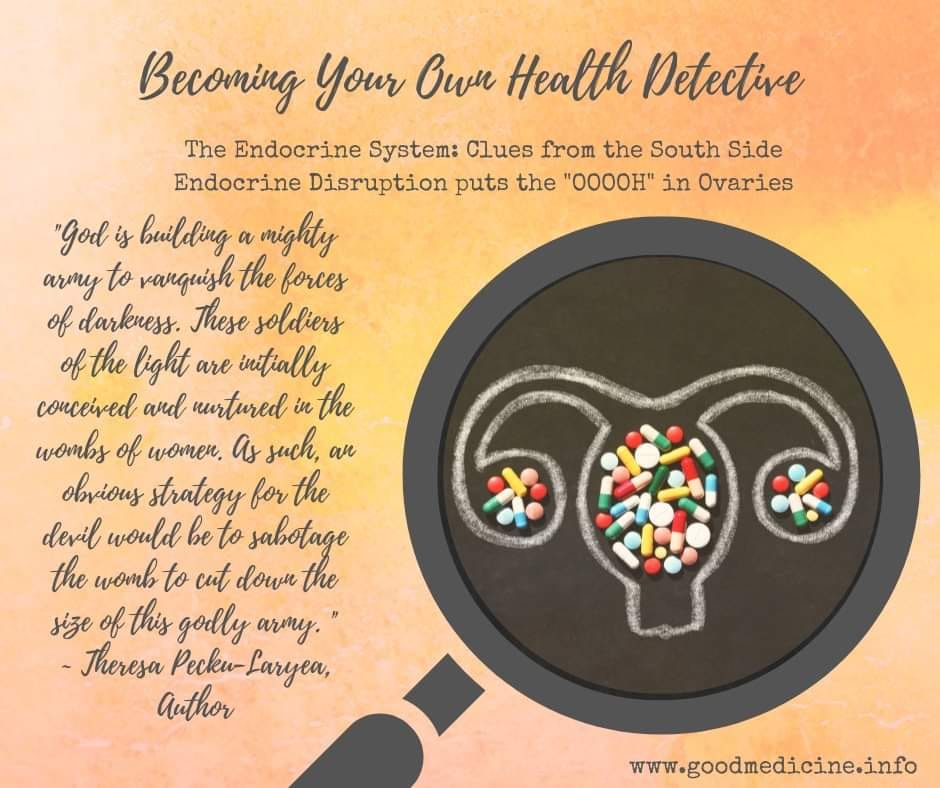
The Southern Side of the Endocrine System: Endocrine Disruption puts the ‘OOOOH’ in Ovaries
We women are complicated. 🤪🥴 (Alrighty men…. I can hear your “amens” from here!😉 ). Truly though, it’s better that we just clear the air and state the truth. We.ARE.complicated! All throughout the body and endocrine system, clues🔎 are not generally gender specific… until now. Guys, this would be a good time to retreat to your man cave, unless of course you’d like to know a little more about the inner workings of your gal!
 
One of the most eye opening eras in my pharmacy career happened about 10 years ago. Someone very close to me came to the brink of suicide😭, and almost did not live through it. The growing signs of distress had been going on for years, and while I was starting to suspect a hormonal imbalance, I didn’t yet know enough outside the realm of western medicine to help her ask the questions that needed to be asked of her medical providers, or to request the labs that would ultimately reveal the root causes of her despair. Certainly, she had stress going on in her life too, and so the doctors gave her prescriptions for depression, anxiety, and sleep. All of the “blame” was laid on stress and emotional angst, and no digging for the root cause was ever done, until it was literally almost too late. It took a functional medicine team skilled in mind, body and spirit repair in a crisis situation to discover her imbalance in thyroid and sex hormones, as well as nutritional deficiencies, gut dysbiosis, and an inefficient immune system, all of which contributed to the direness of the situation. Frankly, if she had ended up in the hands of standard western medicine, I doubt she would still be alive. 🙏 It took many many months for the body and mind to heal with the help of these skilled professionals.
 
Approximately 18% of all adult women in the USA take antidepressants, and 10% use anti anxiety medications. This number is roughly double that seen in men. While there are assuredly socio economic factors which come into play, the waxing and waning monthly rhythm of our environmentally influenced hormones are the largest reason women reach for a prescription bottle of any kind. Western medicine has failed women terribly by using these medications as bandaids for a body that has lost its balance.
 
After this event, I began researching women’s health in earnest….. looking for the reasons so many women had fallen between the cracks of healing care and seeking alternative wellness tools western medicine has chosen to overlook. As I filled new prescriptions for women recently diagnosed with depression or anxiety, I would ask if they had also been given orders for lab work prior to receiving their prescription for one (or more) of these medications. Shockingly, it was a rare woman who said that they had. Thorough (and I emphasize the word thorough!) lab work and subsequent (thorough!) analysis is key to circumventing the adverse effects of hormone imbalance. Those results are hard data which affirms the clues your body is giving you. One of the beauties of a woman’s menstrual cycle is that it is truly a monthly report card reflecting a woman’s health. Normal monthly cycles should not be felt to the extreme, either emotionally or physically. If they are, the body is waving a flag. As with men, endocrine disruption is a real and enormous problem to our individual and collective health. In women, endocrine disruption affects the reproductive cycle in ways that become “diagnoses”, which then often result in pharmaceutical bandaids that ultimately lead to secondary problems.
Endocrine disruption commonly results in something called estrogen dominance. It is the result of excessive estrogen production (and incoming estrogen like toxins from the environment), not enough progesterone produced by the ovaries or a combination of both issues. As with men (and children!), endocrine disruption happens quietly on little cat’s feet through small “daily dose” exposure to toxins found in plastic water bottles and food containers, pesticides, petroleum based products, soaps, body care products, commercial air fresheners, foods that have been exposed to hormones and many more. Estrogen dominance can also be aggravated by excessive body fat, chronic stress, and impaired gut and liver function.
 
Some signs symptoms of estrogen dominance include:
🔎More rapidly aging skin
🔎Aggravation of allergies and asthma (abnormally high levels of estrogen affects the body’s immune response)
🔎Nipple tenderness, especially prior to periods
🔎Hair thinning or hair loss
🔎Body fat gains around the midsection, creating an “apple” or “pear” shaped torso. (Note that “apple shaped” weight gain can be a clue of possible PCOS in addition to estrogen dominance). Additional PCOS clues include abnormal body hair growth, insulin resistance, and darkened skin in the folds of the neck and armpits.
🔎Mood swings
🔎Headaches and migraines (estrogen dominance is one of the most common causes of headaches in women)
🔎Irregular periods (may be light, heavy, or irregular in timing)
🔎Water retention and bloating
A sluggish metabolism
🔎Skin tags
🔎PMS
🔎Uterine fibroids
🔎Decreased libido
🔎Vaginal dryness
🔎Endometrial hyperplasia – caused by too much estrogen or not enough progesterone, or a combination of both. Left unaddressed, it may lead to cancer.
Long term, unmitigated estrogen dominance contributes to:
🔎Hormonal cancers (breast, endometrial and uterine and prostate in men)
🔎Infertility – Infertility currently affects more than 10% of women in the US of childbearing potential.
🔎Adenomyosis
🔎Cervical dysplasia
🔎Lupus, Hashimoto’s and other autoimmune diseases – sharp fluctuations of estrogen as is seen around childbirth and menopause appear to contribute to autoimmune disorders.
🔎Candida overgrowth
🔎Osteoporosis and osteopenia
🔎Gallbladder disease
🔎Fibrocystic breasts
🔎Thyroid dysfunction
🔎Dementia and decreased brain function
🔎Dry eyes
🔎Insomnia
 
Estrogen dominance is no laughing matter, and is arguably one of the biggest health concerns (and clues) of our time. Heavens! This alone is reason enough to make the safe, health supportive, and effective Young Living essential oils (and diffusers), body care products, and the entire Thieves Household cleaning products line standard wellness tools in every home! I often get asked “where do I start” in my wellness journey. The answer is here. Today! … begin detoxing your home and personal world if you haven’t already.
Oddly, one of the biggest contributors to our estrogen dominant selves is rarely talked about. It directly affects nearly 2/3rds of women of childbearing years in the USA, and indirectly affects the rest of us as it is flushed daily into the nation’s water supply.
 
Birth control pills.
Are birth control pills as safe as we’ve been led to believe?🧐🤔 That’s the next clue.🔎 Tell the guys to continue cleaning their guns and watching football…. We’ve got a bit more to chat about!
 
xoxo~ liz
 
 
#BYOHD
#becomingyourownhealthdetective
#toxinfreeisthewaytobe
#goodmedicine
#ThanksYL
#toxinfreeslifestyle
#femaleinfertility
#puttinganendtoestrogendominanceisgoodmedicine🔎
 
  • « Go to Previous Page
  • Page 1
  • Page 2
  • Page 3
  • Page 4
  • Page 5
  • Interim pages omitted …
  • Page 19
  • Go to Next Page »

Book Your Health Coaching CallBook Now

Elizabeth James

469.425.9091

ebj0203@gmail.com