• Skip to primary navigation
  • Skip to main content
Book Your Health Coaching Call
Good Medicine

Good Medicine

Holistic Health Coaching

  • Home
  • Liz James
    • About Liz
    • Coaching
    • Book a 20 Minute Complimentary Coaching Call
  • Favorite Resources
    • BlessedByHisBlood
    • Young Living
    • Fast Like A Girl Certified Coach
    • Order supplements through my Fullscript store
    • Green Pasture (Coupon: Health10)
    • RogersHood Apothecary (Coupon: BEABLESSING for 10% off)
    • DolphinMPS
    • Company
    • Abundance
  • My Books
    • Becoming Your Own Health Detective Volume 1
    • Becoming Your Own Health Detective Volume 2
  • Blog
  • Cart

Brain Health

Health Clues from Your Eyes – part 2

Liz James · October 19, 2021 ·


Before diving into a deeper discussion of all the clues our eyes give us, I wanted to issue a call to action. ⏰Do you have an ophthalmologist (MD) or doctor of Optometry (OD) that you see annually? Remember that the application of knowledge is not only power… it is also where wisdom is born. As is the case with regular lab work (which we will discuss at some point!), having professional insight into the health of your sight organs 👀provides invaluable clues to help you manage the rest of your body, thereby perhaps avoiding consequences later in life. When you go to your appointments, do not be shy about asking questions and taking notes! Additionally, any abrupt changes in the eyes should warrant an ASAP trip to your eye professional.  If you have a relationship with yours, they will be more likely to see you quickly in cases of urgent need. 


Secondly, be aware that any💊 medication 💊that affects neurological function may also affect vision and cause changes throughout the eye, including the cornea, optic nerve, lens, macula and retina. Some of these changes may be gradual or nearly instant and some may be temporary while others can lead to permanent vision impairment. I won’t be able to list all the medications because there are so many! If you suspect a medication may be partially responsible for an eye disturbance, do some digging and then talk to your doctor.


With that…. Let’s start unpacking more clues! 
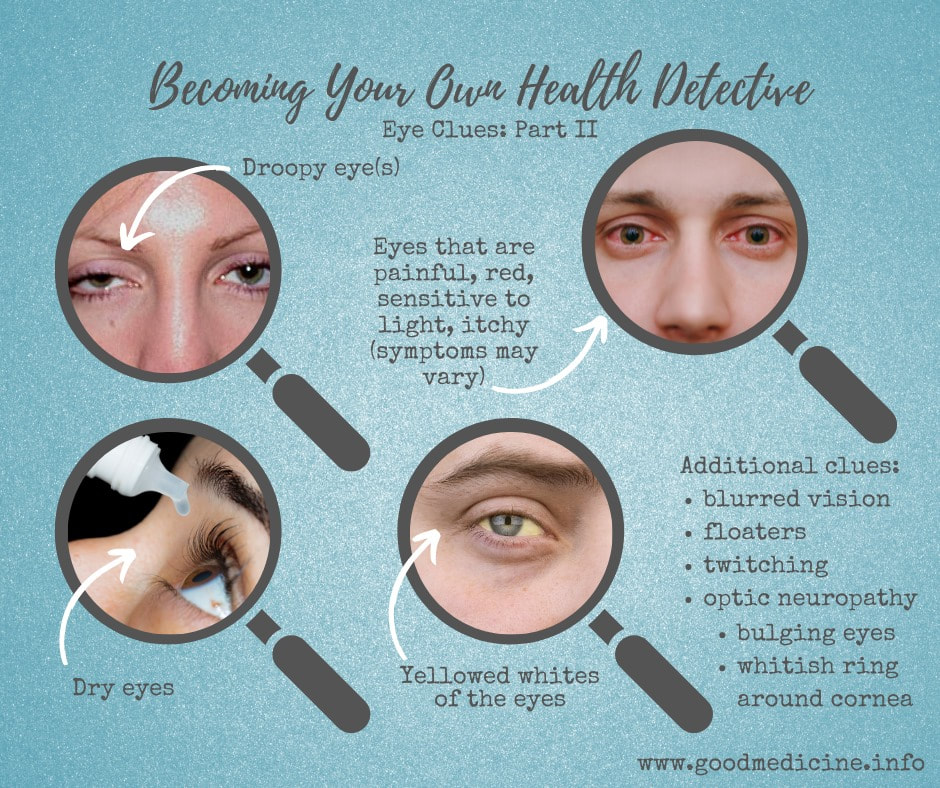
👀The appearance of slightly bulging eyes is a significant clue for a possible overactive thyroid  that is also called Graves disease. Frequently, this disorder is ignited by exposure to environmental toxins in the home, workplace or in the water. Latent viruses such as Epstein Barr have also been implicated in playing a role in developing a chronically inflamed thyroid (leading to either hyper or hypo thyroid manifestation).
👀Another easy to spot clue from the peepers is a gray or whitish ring that is clearly visible around the cornea. The cornea is the lens that covers the “colored” part of the eyeball. Evidence of this ring usually indicates unhealthy cholesterol and triglyceride levels and is a marker for increased risk of heart attack or stroke.
👀Droopy eyelids (ptosis) may be a be a genetic issue, especially if present at birth.

Eyelids that become droopy are the clue for this discussion. Medical conditions that can lead to droopy eyelids include:
👉Injury/trauma to head or eye
👉Decreased blood flow to either the eye or the area of the brain controlling the eye (a droopy eye may be an early stroke sign)
👉Diabetes. Remember that diabetes quietly becomes a vascular disease if not controlled.
👉Headache syndromes. (a visible manifestation of the headache)
👉Neuromuscular conditions 
👉Myasthenia gravis. A droopy eyelid is often the first symptom of this autoimmune disease that is most commonly seen in people over the age of 50. It may be accompanied by occasional double vision, a hoarse voice, or weakness in the arms and legs.
👀Optic neuropathy simply means damage, disease, or dysfunction of the optic nerve. It may be caused by toxin exposure, infection,  an autoimmune disorder, chronic inflammation, trauma, glaucoma, insufficient blood flow to the optic nerve, or use of certain medications including those used for erectile dysfunction and amiodarone, a medication used to control heart rhythm. Symptoms of optic neuropathy include pain in the face or eye socket, pain inside the eye, loss of peripheral vision,  or sudden or gradual vision loss. Ophthalmologists and OD’s can detect  inflammation of the optic nerve on routine eye exams. #makeanannualeyeappointment 
👀Eyes that are painful, red and sensitive to light gives a vast set of possibilities. Given how “screen focused” our culture is, know that computer eye syndrome is a real thing! Give yourself regular breaks from screen time, and use blue light filter glasses when you are spending hours at a time in front of a computer or phone screen. Unmanaged, this can lead to eye strain or dry eyes. Wearing contact lenses for too long may have a similar effect.
👀If screens are not your eyes source of issue, other causes may need to be investigated. Chronic redness in the sclera (the white part of the eye) is linked to systemic inflammation throughout the entire body, and indicate a possible autoimmune disorder (ex: RA, psoriasis,  or ankylosing spondylitis). If light sensitivity is accompanied by “halos” around light sources, get checked for glaucoma!
👀If your eyes sting, burn, or feel “gritty”, chances are, you are experiencing dry eyes. In fact, we have all probably had brief episodes of dry eyes after riding a bike, spent too much time in front of a computer,  lived in an area with dry winter heat, or been on a plane for many hours in low humidity recirculated air. Chronic dry eyes have been linked to an autoimmune disorder called Sjogren’s syndrome, thyroid disorders, Vitamin A deficiency, or taking certain medications known to cause dry eyes as a side effect. 💊Antidepressants, antihistamines, decongestants, beta blockers (heart/blood pressure), certain antibiotics, ibuprofen, birth control pills, and meds for bladder control💊 are some of the more common culprits.
👀Rapid onset eye inflammation / sensitivity is often a clue indicating infection or inflammation.
👀Blurred vision is another clue to take seriously. While the clue may be manifesting as an inconvenient or annoying visual impairment, dangerously high blood pressure or high blood sugar are causing problems quietly elsewhere in the body. An estimated 73% of diabetic patients have bouts of blurred vision. High blood sugar causes the lens within the eye to swell, causing the blurring. Certain medications may also contribute to blurred vision:
💊Alendronate (for osteoporosis/ osteopenia)
💊COX-2 inhibitors such as Celebrex and Mobic (for pain and inflammation)
💊Acetaminophen, ranitidine (stomach acid), and lovastatin (cholesterol) are just three very common medications that also carry warnings about their potential to blur vision.
👀Red itchy “allergy” eyes may indeed be allergy related. However, the same symptoms also occur in Rheumatoid Arthritis. Approximately 1.3 million Americans have this autoimmune disorder. The immune system begins attacking body tissue, and its focus is generally tissue heavily laden in collagen. The sclera (the white part of the eye) and the cornea are made up almost entirely of collagen, and the inflammation there mimics allergen exposure.
👀An eye twitch can be ever so bothersome, yet it’s an important clue too. Check yourself…. They are generally related to fatigue or stress. It may be time to rest and recover! Chronic eye twitching should signal a visit to a health professional as it can be an early sign of a neurological disorder.
👀Yellowed eyes are a sign that the liver is struggling… a classic sign of jaundice. This is another ASAP health professional moment. 
👀“Floaters” are gray or black specks, strings or cobwebs that appear in vision. If you suddenly notice floaters, contact your eye specialist immediately. Certain medications are known to cause floaters. 💊, diphenhydramine (antihistamine), diltiazem (blood pressure), amitriptyline (mood), and alprazolam(anxiety)💊 are among those known to cause this. 


As I write, I’m reminded again of the impact that chronic toxin exposure has on our bodies… all the way up to our eyeballs! The liver and other detoxifying organs do their level best to keep us healthy, but they are not miracle workers. We have to claim ownership and do our part by avoiding toxins wherever possible by making a conscious effort to exercise, drink plenty of clean water, get plenty of sleep, manage our stress, and eat healthy clean food. So much medication 💊(a class of toxins all its own) may be avoided by caring for ourselves this way.


What conscious decisions did you make today  that decreased your toxin load?🙌 I chose to use YL body care products in the shower this morning and YL Cinnafresh deodorant before I put my clothes👖👕 on. I brushed my teeth with fluoride free YL Thieves Aromabright toothpaste, and bypassed an impending headache by using peppermint 🌿on the roof of my mouth. I finished out my time in the bathroom by avoiding some of the worst toxins☠️ in our homes….. standard American cosmetics. The Savvy Minerals makeup line is not only gorgeous and long lasting, it is liver friendly too! 


You are worth taking care of!
Thanks for making it easy Young Living! 
xoxo~ liz


#sharingiscaring
#supportyourlocalpeepers
#goodmedicine
#goodmedicineisproactiveinsteadofreactive
#thanksYL
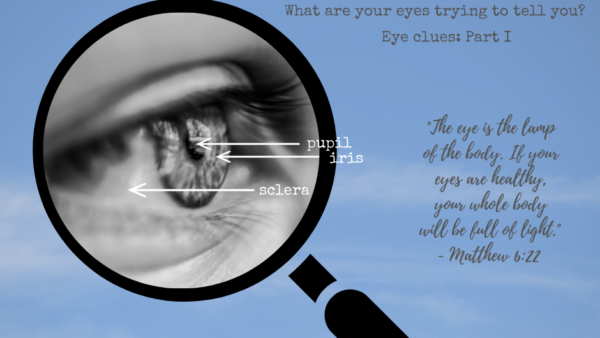
Health Clues from Your Eyes – part 1

Liz James · October 12, 2021 ·


“People’s eyes tell me more than their mouths.” 


Eye diseases affect millions of people in the USA. Just like the age old, “Which came first?” question about the chicken🐔 and the egg🐣, we might also want to ask the question about diseases of the eyes. You see (pun intended😁!), diseases of the body may first present themselves as clues within the peepers or eye diseases may result because of dysfunctions within the body… Some of these clues discussed over the next few weeks will be easy to spot by looking in the mirror, while others may require help from a friend, and others may only be seen by your favorite eye care professional.


👀According to the National Eye Institute, the eye blood vessels (those we can see with our naked eye and those that a professional can see) often reflect the condition of brain blood vessels. Blood vessels in the eyes are similar in size, structure, and function to those found in the brain. Thus, inflamed or damaged vessels within the eye are often a predictor of future dementia, cardiovascular disease or stroke. It is very important to listen and make a point of understanding any abnormality your ophthalmologist may point out. Early intervention may make a difference between vision and blindness. Other clues within the eyes are often tied to disorders and dysfunctions occurring in the body. Additionally, many medications can lead to secondary eye diseases…. another reason  to avoid a polypharmacy lifestyle whenever possible! 
Cataracts, glaucoma, Age Related Macular Degeneration (AMD) and diabetic retinopathy are  clues we’ll start with, as they are extremely common eye diseases in the United States, affecting millions  and millions of people predominantly over the age of 40. You’ll notice in our discussion that the damage likely began occurring many years earlier! #cluesyoucanuse


👀Cataracts affect more than 22 million Americans 40 years and older. Those who will be predisposed to cataracts will have a history of:
🔎Diabetes
🔎Long term steroid use
🔎Smoking
🔎Excessive alcohol intake
🔎Radiation treatment or exposure to the upper body
🔎Blood pressure medications (beta blockers and ACE inhibitors)
🔎Photosensitivity causing medications that increase sensitivity of sunlight to the eyes (BCP’s, antihistamines, antidepressants, diabetes meds, NSAIDS are a few known to do this). Wear sunglasses😎 if you are on these meds! 
🔎Living in an area with high air pollution. Let’s park here for just a second. We tend to think of air pollution as being something outdoors, generated by someone else. Yet in standard American households, poor air quality is inadvertently self induced with synthetic fragrance plug in’s, toxic cleaners, candles, aerosolized deodorants and hair sprays, and sprayed toxic air fresheners. Please do not do this to yourself or your family. If you haven’t yet started, begin switching over to 100% natural alternatives beginning with Thieves Household Cleaner and a diffuser with a wide variety of Young Living clean fresh scents. Ya’ll, take a moment and share your favorite fall/winter diffuser recipes in the comments!


👀Glaucoma will be most prevalent in those who have a history of:
🔎Long term steroid use
🔎Medications used in the treatment of Parkinsons, epilepsy, depression, allergies,  and prostate disorders. Additionally, NSAIDS, and antipsychotics have also been implicated. Birth Control Pills have been under close scrutiny in the last decade as possible  purveyors of glaucoma predisposition. Eyes have estrogen receptors within them, and many scientists believe that healthy natural estrogen levels have a protective effect on the retina.  Eye disease is often insidious and damage to the optic nerve is slow. A large study released in 2011 found that women who had used birth control pills for more than 5 years had a 25% increase in their glaucoma risk. 
🔎Genetics, trauma, or injury


👀Macular Degeneration is another sneaky eye disorder. Early diagnosis is usually the result of an attentive eye care professional who will recognize the telltale signs under the retina. There are some outward early clues for the potential ocularly challenged. Difficulty in judging distance when walking (making it harder to keep your balance) and slightly blurred central vision are two clues that indicate a visit to an ophthalmologist would be appropriate. 🔎Prescription medications that may predispose someone to Macular Degeneration include beta blockers and certain other blood pressure medications. Genetics also tends to play a part. That said, remember that 90% of gene expression is environmental (epigenetics) and we have much control over our environment! 


👀Diabetic retinopathy is a complication usually resulting from poorly managed blood sugar. The longer blood sugar is poorly controlled, the greater the likelihood that this condition will develop. Symptoms are gradual (as with most chronic eye diseases), and include spots or “floaters” in vision, blurred vision, fluctuating vision impairment, dark or empty areas of vision, and ultimately vision loss.  Diabetic retinopathy is the leading cause of blindness between the ages of 20-74 years old. It is no small problem, and affects an estimated 4 million people every year.
If you’ve identified yourself in any of these possible scenarios, now’s the time to add  IlluminEyes to your Young Living shopping cart on the regular. We have much to talk about in the way of eye health clues and supportive measures to counter balance the stumbling blocks we’ve all encountered in our walk through life. Eyes require certain nutrients…. Vitamins A, C, E, Lutein, and Zeaxanthin are key to optimal eye health, and IlluminEyes contains all of these. It also contains dried Wolfberry fruit powder which has a unique type of zeaxanthin that naturally boosts blood levels 2-5x higher than sources acquired elsewhere. Good stuff!


Support your eyes proactively. Once the damage is done, it’s often difficult (or impossible) to reverse. See you next week with more eye clues!
xoxo~ liz 

#sharingiscaring
#supportyourlocalpeepers
#goodmedicine
#goodmedicineisproactiveinsteadofreactive
#thanksYL
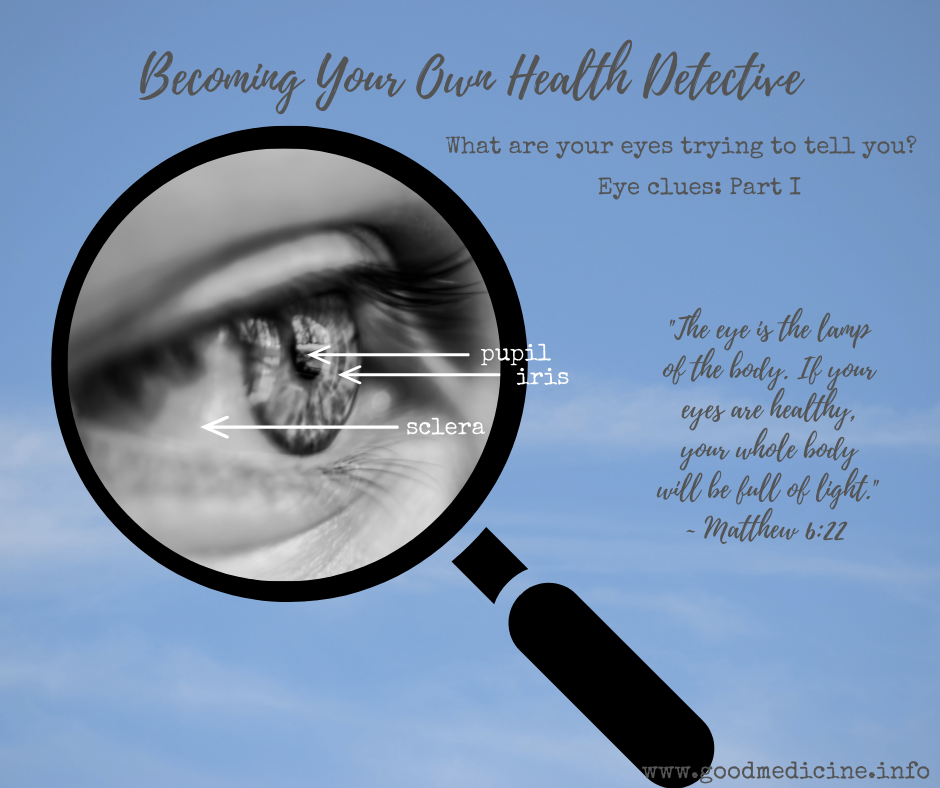
🔎👀

Zinc Deficiency

Liz James · October 5, 2021 ·

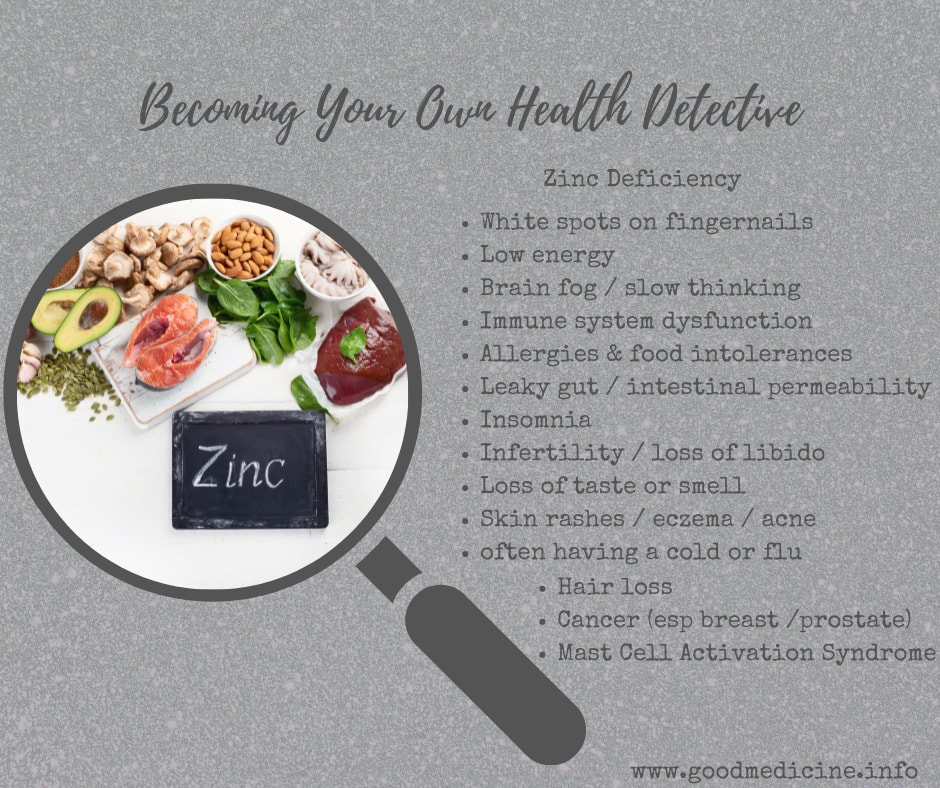
‘Tis the season to chat about zinc (or lack thereof!). Frankly, we should have had this discussion two years ago…..better late than never, right? First, take a close look at the clues I dropped in the graphic, and then hop back here to tackle this very important topic!


Approximately 25-33% of the population is deficient in zinc. The World Health Organization says zinc deficiency is the 5th leading life-threatening factor in the world, especially in 57% of the elderly population.  Kind of a big deal for a micronutrient! At least 16% of all deep respiratory infections are related to a zinc deficiency (impaired taste and smell, fever, cough, sore throat, generalized weakness, pain and achy limbs, runny nose, and even occasionally…. diarrhea😬 are all symptoms of deficiency btw).


Why? Zinc is one of the white hat good guys . It has over 200 known roles in body function (just take a look again at some of the clues related to low zinc), and is a key player in our immune system:
✅Adequate zinc is essential for preventing viral entry and also supports appropriate viral response in host cells.
✅Adequate zinc supports ciliary strength and action in the lungs. These are tiny hairlike structures in the lungs that help prevent mucus buildup.
✅Adequate zinc levels directly inhibit viral replication.
✅Adequate zinc levels have a supportive role in balancing immune response during a dis-ease process. 


Additionally, 🔥zinc deficiency🔥 has been shown to play a role in:
🔥Type I Diabetes
🔥Rheumatoid Arthritis
🔥Cancer
🔥Neurodegenerative diseases
🔥Depression
🔥Malaria
🔥HIV
🔥Tuberculosis
🔥Measles
🔥Pneumonia
🔥Hormone imbalance


Zinc Factoids: 
👉Excess is not stored in the body. Intake must occur daily. 
👉Both deficiency and excess can negatively impact immune system function. This is but one reason to have thorough blood work run by a healthcare professional who will take the time to do a complete analysis. 
👉Zinc “overload” is rare, but can certainly happen. When it does, it is usually  due to a copper deficiency or zinc:copper ratio imbalance. (again, labwork!)


How did we become a world of zinc deficient people? Toxins and poor farming practices. Overworked soil and fertilizers containing too much phosphorus (which binds zinc) are to blame. Zinc cannot enter into the plants and then fails to make it into the food chain.


High toxin☠️exposure is also to blame. Just one more excellent reason to kick your known household toxins to the curb (toxins typically found in mainstream cleaning products, personal care items, processed foods and beverages, makeup etc).

Thankfully, we have solutions in place🙌 with Young Living Thieves Household Cleaner, a wonderful skincare line, and even our amazing YL Savvy Makeup collection. Kicking toxins to the curb is so easy knowing that pure unadulterated excellence is waiting to replace them!


Other causes of zinc deficiency:
🔥Chronic stress (depletes zinc rapidly)
🔥A high copper to zinc ratio
🔥Leaky gut and digestive disorders (zinc deficiency is both cause and effect!)
🔥Medication usage: ACE inhibitors (blood pressure), antacids and proton pump inhibitors, glucophage, beta blockers (blood pressure), birth control pills, corticosteroids, diuretics, NSAIDS, and statins are among those known to deplete zinc.


The USDA recommended daily allowance for zinc is 10-12 mg/day, but this does not account for the amount of toxins a person may be regularly exposed to. Many functional medicine doctors suggest that optimal daily zinc should be 20-40mg/day. 


Foods high in zinc include pumpkin seeds, grass fed dairy (ex: Kerrygold Butter) , cashews, almonds, spinach, asparagus, dark chocolate, grass fed meat, salmon, mushrooms, and turkey.


Thankfully, we also have several Young Living Supplements containing zinc to supplement what we may get from food:
*Organic dried Wolfberries (1.8mg per 100gms)
* Immupro chewable tablets (5mg/tablet)
*Super B (3mg/2 tablets)
*Powergize (5mg / capsule)
*Balance Complete (4mg/ serving)
*AminoWise (2.1mg/ serving)
*Master Formula (15mg/packet) 
*MegaCal (1mg/serving)
*MightyVites (for the littles….. 1.1mg/tablet) 
*Mineral Essence (contains Zinc and 61 other important trace minerals)
*NingXia Red (contains zinc by virtue of its ingredients. I was unable to determine how much zinc it has per serving)


It’s a good idea to achieve the RDA minimum requirements on a daily basis (especially since zinc is not stored in the body!). My personal preference is to try to achieve the optimal recommendations by way of the foods I eat, and then supplementing with a variety of what is available to us with a Young Living membership. Immupro and Master Formula are two of my faves!   In the event of illness, a larger mg/day may be needed.


Finally, there is a test you can do at home. It’s called a zinc tally/challenge (you can find more info on this online). It is an oral “taste test”. What you taste (no or weak taste versus a strong metallic taste) is an additional clue for the “health” of your zinc levels. 


As always, do your research, and consult your favorite healthcare professional who should be well versed in analyzing blood work if you suspect you may have a zinc deficiency.
xoxo~ liz

#sharingiscaring
#ThanksYL
#watchyourzinc
#Goodmedicine
(PS: if you do not have a health care professional, I do offer blood work analysis)

Raindrop Training

Liz James · September 15, 2021 ·

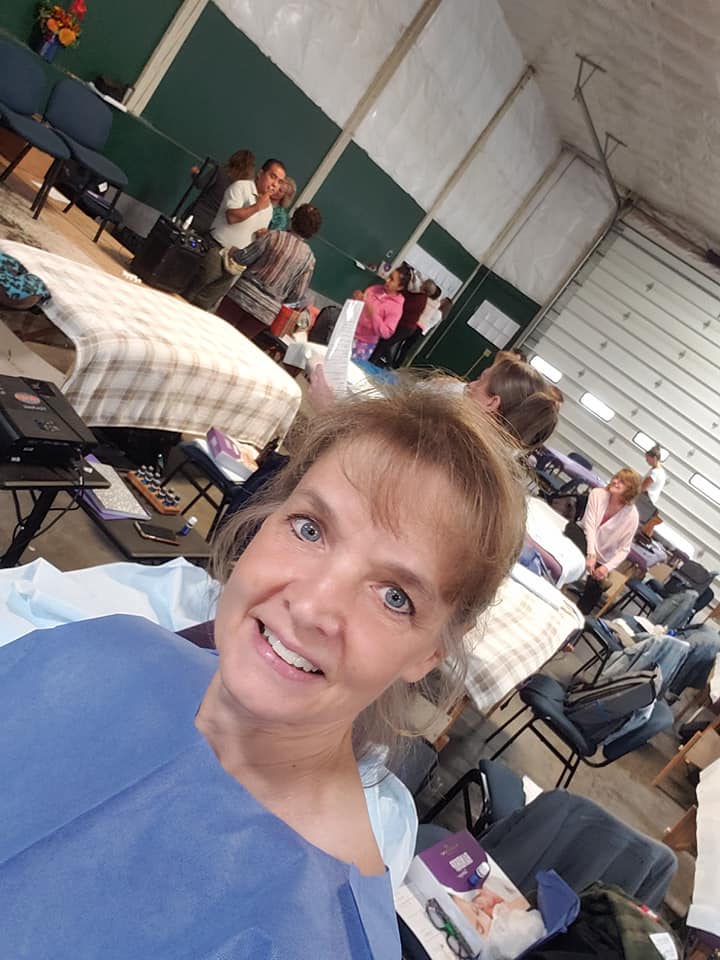
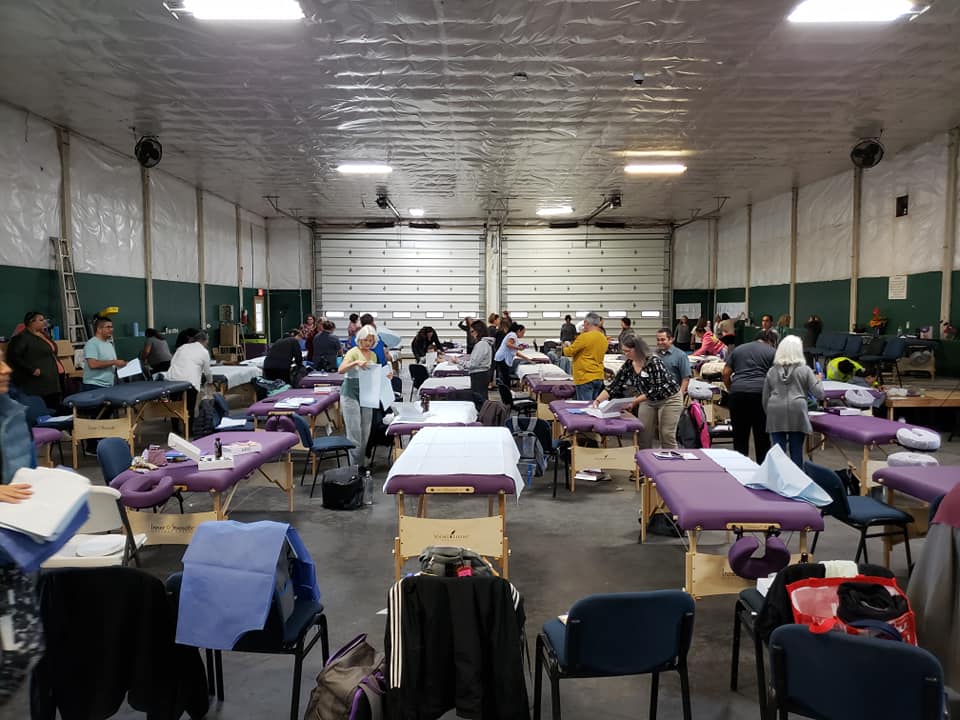
This last week has been a blur of education for me. Raise your hand🙋‍♀️🙋‍♂️🙋 if you’ve ever been to a Young Living Farm… and which one(s) you’ve been to!  We have 3 in the USA (in Utah, and 2 in Idaho) and many more all over the world. I’ve been to 5 so far and dream of someday making it to every single one of them! 


This was a special trip for many reasons. We were able to stay on the farms in one of the cabins (a very sweet and memorable experience). We were there for raindrop training….. “What is Raindrop ?” …. so glad you asked! 


Imagine a farmer preparing the soil for a crop of goodness…… All that is done for the soil to make it ready for healthy abundant plants. That’s…. in a nutshell…. a metaphor for the Raindrop. Think of it as clean healthy fertilizer for the immune system (and so much more!😍). 


I have undervalued this Very Important Tool, and I suspect that you may have too. But no more…. now that I know! We have the tools friends….. we only need to know how to use them! 


xoxo~ liz
PS…. I failed to mention that over half the people in attendance were health care professionals. Yep folks….. Western medicine peeps are slowly waking up to the benefits our oils have to offer!🙌🙌🙌

What Does Posture Say About Your Health -part 1

Liz James · August 31, 2021 ·


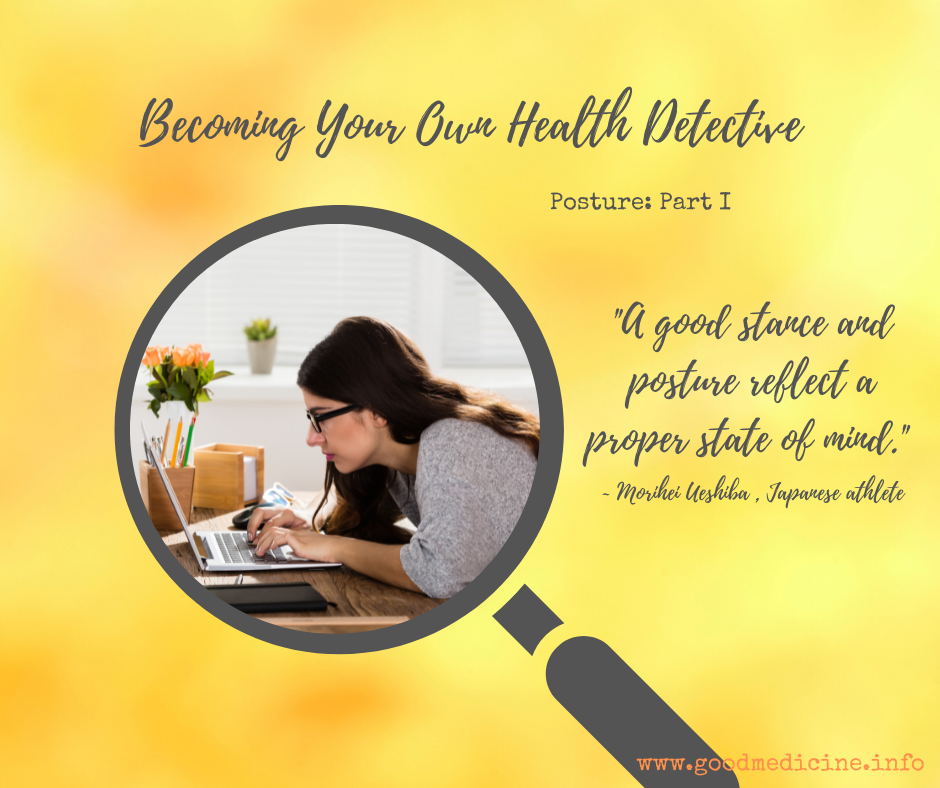
One of the most outwardly noticeable clues to the state of both physical and emotional health is posture.


Let’s stop here and do a quick assessment before getting into the how’s, what’s and why’s with this simple at home test:
1.Stand with your back next to a wall, with heels 2-4 inches from the wall. The back of head, shoulder blades, and bottom are all touching the wall.
2.Look (or feel) for correct lower back curve. You should just barely be able to slide your flat hand between your lower back and the wall. If there is too much space, bring your belly button inwards towards your spine.
3.Now, walk away from the wall holding correct posture. Return to the wall after a few minutes and see if you have maintained proper alignment. 
How’d it go for you?😀 If you’ve got some work to do, you’re not alone…. Poor posture is a modern day epidemic with enormous long term ramifications. 


*Why is posture so important? Simply put, a properly aligned body is considered a prerequisite for a healthy life! Think of a crooked little house. It’s outward appearance is evident, and undoubtedly its crookedness promises cracked walls and foundation, probably some leaky pipes, and maybe even an electrical fire somewhere in its future if the crookedness goes uncorrected. Over time, the crooked house will become more dilapidated until it eventually becomes uninhabitable. You’ve seen these houses. They look sad.


*Posture is one of the first things people notice in others… without even noticing they’re noticing!  Posture outwardly portrays mood, emotions, health, and confidence level and is a key player in first impressions.
A 2004 study in the Journal of American Geriatrics👵👴 found that people with excellent posture tend to live longer than those with poor posture. Like the crooked little house, there is much more going on inside our “walls”.


*Poor posture (standing or sitting) leads to stiffness, pain, and increased likelihood of injuries. Perhaps this is because good posture is associated with better flexibility and balance. 


*Chronic poor posture often leads to arthritis and tendonitis.


*The state of one’s posture has a profound effect on the heart, lungs, brain function, immune system, and digestion.


*Poor posture results in excess energy utilized to simply “be”. This means less energy is available for healing, metabolism, and the brainwork of thought and meditation. 


*Slumping posture stretches the spinal cord and corresponding nerves. Remember that crooked house? This stretching of the nerves causes chronic stress, causing them to misfire, like a frayed or kinked electrical wire. Chronic slumping eventually leads to demyelination of the involved nerves. (Imagine how well a poorly insulated electrical cord works).


*Plumbing issues may result. Incontinence is often a problem in those with years of poor posture.


*Poor posture also adversely affects lung function.


*Poor posture plays a significant role in chronic pain and the effectiveness of pain management. 


Problems associated with poor posture include:
💥Headaches
💥Jaw pain
💥Back, hip, knee, and foot pain
💥Shoulder pain
💥Fatigue and breathing problems
💥Compressed organs (which makes it hard to digest food properly)
💥Exacerbation of lung conditions
💥Anxiety, panic attacks, and emotional disorders 
💥(A precursor to) cardiovascular issues


Posture is foundationally important to our health. Stay tuned! Part II will give you tools and suggestions for improving your posture. In the meantime, one of the best ways to improve posture is to move and move often! 💃


What’s your favorite oil that gets you moving? Mine comes in a can 😁 …. Lime and black pepper…. NingXia Zyng! Have you tried it?
xoxo~ liz

#sharingiscaring
#goodmedicineishowweholdourselves
#ThanksYL
#goodmedicine

  • « Go to Previous Page
  • Page 1
  • Interim pages omitted …
  • Page 3
  • Page 4
  • Page 5
  • Page 6
  • Page 7
  • Interim pages omitted …
  • Page 16
  • Go to Next Page »

Book Your Health Coaching CallBook Now

Elizabeth James

469.425.9091

ebj0203@gmail.com